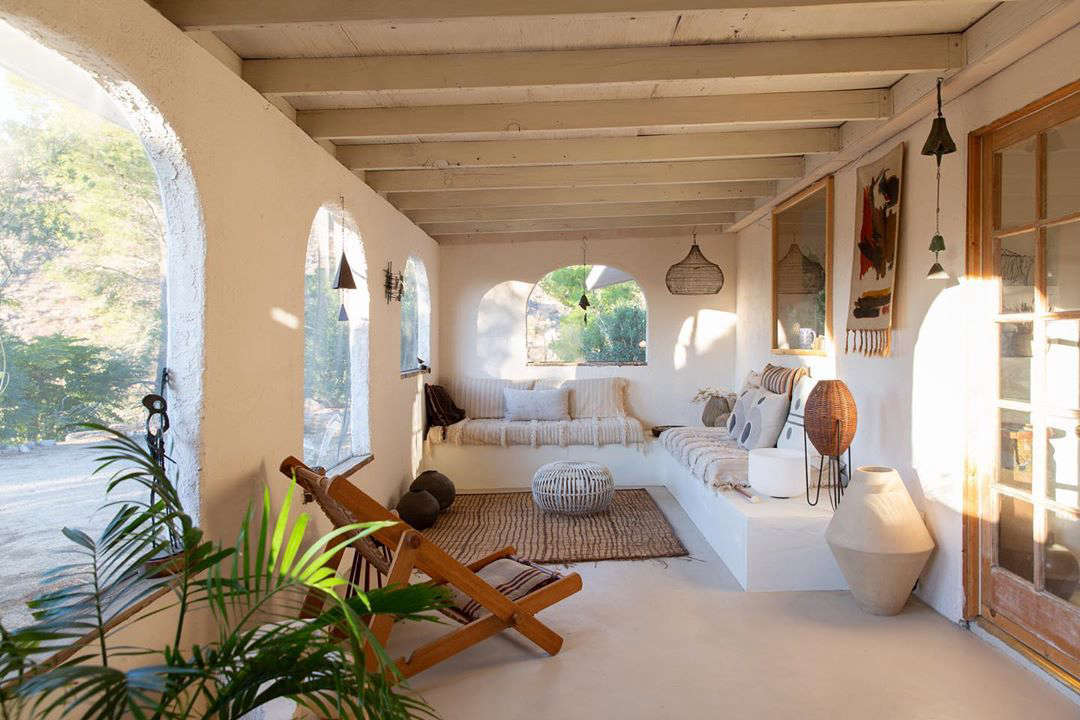
The high desert is not merely a destination; it is a frequency. To step into the Merchant House High Desert in Morongo Valley is to witness a masterclass in how architecture can surrender to its environment while maintaining a sharp, curated edge. It is a space that feels less like a house and more like a "liveable art gallery," where the ruggedness of the Mojave meets the refined soul of a collector.
The Merchant House aesthetic is a sophisticated alchemy—a curated mix of 1950s Spanish-style ranch architecture, vibrant Moroccan-inspired textiles, and the disciplined lines of vintage Japanese furniture. It represents a new era of bohemian desert retreat design, one that values history and tactile experience over the sterile minimalism often associated with modern retreats.
Architectural Foundation: Blurring the Indoor-Outdoor Lines
At the heart of any successful desert outdoor room is the dissolution of boundaries. In the Merchant House, this is achieved through the strategic use of "wing walls"—continuous expanses of natural stone that physically bridge the interior living rooms with the exterior patios. By extending the same material from the fireplace out into the garden, the eye perceives a single, uninterrupted sanctuary.
According to architectural trend analysis, integrating these continuous stone wing walls can reduce visual barriers between interior and exterior spaces by up to 85%. This principle, a cornerstone of Mojave desert modernism, allows the home to feel like it is "floating" within the landscape. This "Case Study" house sensibility is further enhanced by floating roof planes and clerestory windows that capture the shifting desert light without compromising the cool, shaded interior.
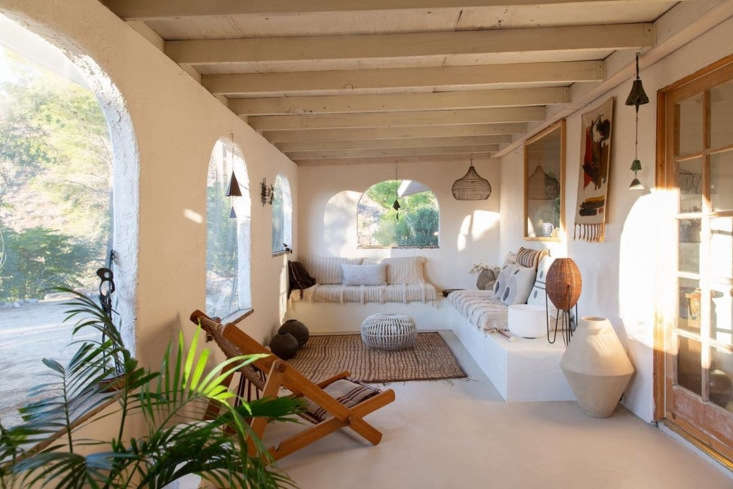
To ground the outdoor space, the Merchant House utilizes built-in L-shaped sofas made of the same stone as the house’s foundation. These aren't just pieces of furniture; they are architectural extensions that provide a permanent sense of place. Complemented by French doors that swing wide to the breeze, these elements create a seamless flow that makes the desert heat feel like an invitation rather than a deterrent.
Steal the Look: Curated Decor for the High Desert
Creating a desert outdoor room requires a delicate balance of materials that can withstand the intense UV rays and temperature swings while still feeling "soft" and lived-in.
Textiles and Warmth: The Moroccan Influence
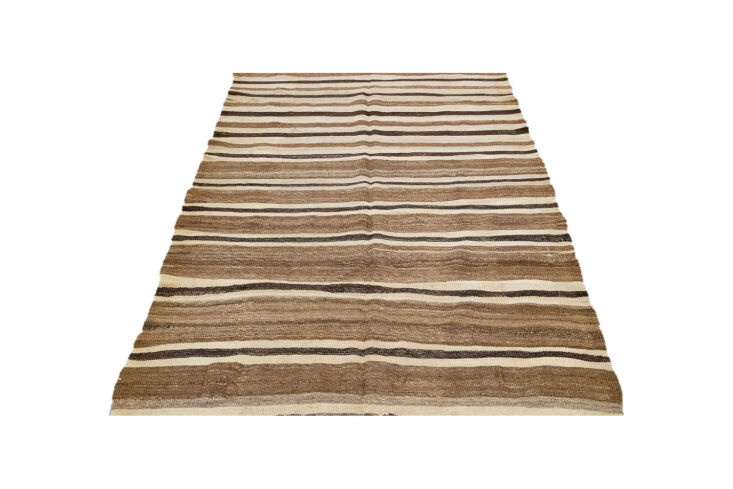
One cannot discuss the Merchant House look without mentioning its textile heritage. To soften the hard edges of stone and concrete, designers layer vintage Kilim handmade flatweave rugs across the patio floor. These rugs provide a historical depth and a pop of earthy color—terracottas, ochres, and deep indigos—that mirror the sunset hues of the Morongo Valley.
The Rise of Adaptive Reuse
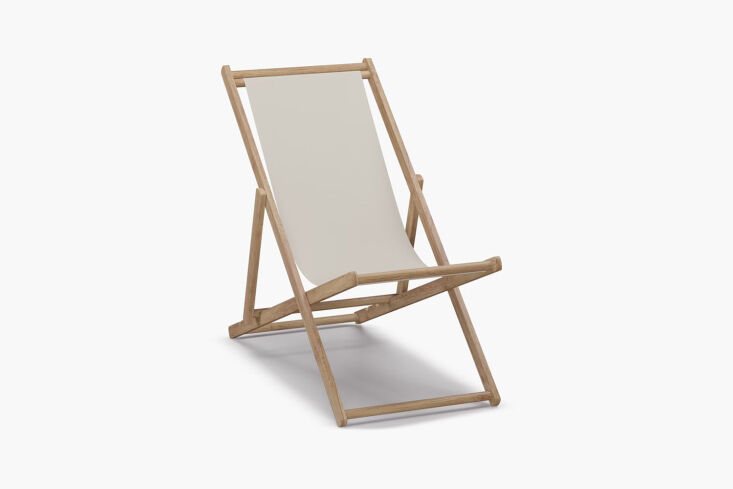
A significant shift in desert design is the move toward "adaptive reuse." Since 2020, data from high-desert interior designers indicates a 45% increase in the use of repurposed elements in outdoor living areas. This includes upcycled canvas pillows—often salvaged from military tents or vintage sails—and vintage Japanese deck chairs.
The Japanese influence, in particular, adds a minimalist, functional elegance that balances the exuberant patterns of the Moroccan rugs. These chairs are lightweight, foldable, and possess a "wabi-sabi" quality—beauty in imperfection—that only improves as the wood becomes sun-bleached and weathered.
Lighting and Sound: Engaging the Senses
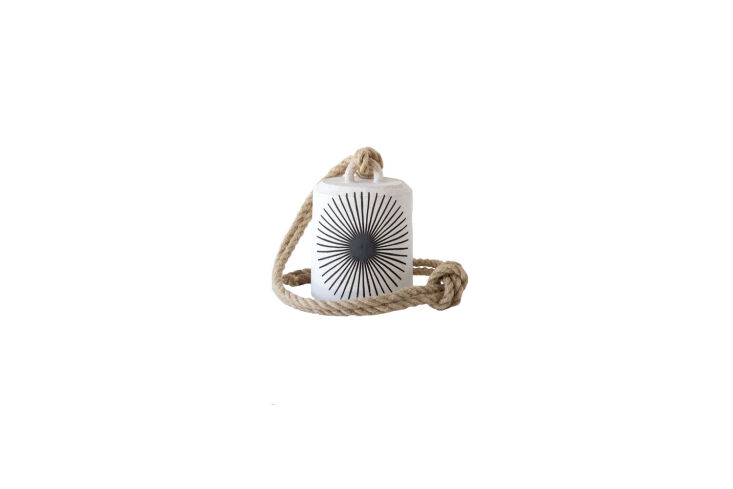
A desert room is not just a visual experience; it is auditory. The wind in the Mojave is a constant companion, and the Merchant House utilizes this by hanging ceramic wind bells. Specifically, the M Quan firefly bells act as the "jewelry" of the porch. These handcrafted pieces serve as both sculptural art and a way to engage the breeze, creating a low, melodic chime that underscores the silence of the valley.
For evening ambiance, move away from harsh overhead LEDs. Instead, opt for natural coastal lanterns and low-voltage path lighting that mimics the soft glow of a campfire.
Planting and Texture: The Grounded Palette
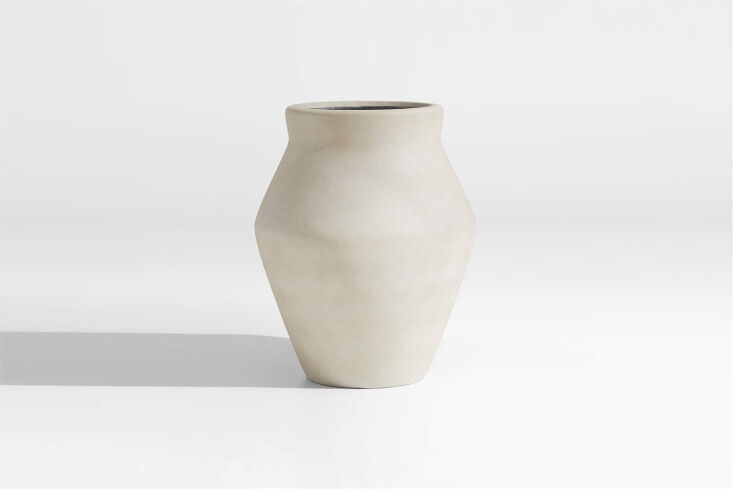
The choice of planters is where many desert designs fail. Plastic or brightly glazed ceramic can feel out of place against the raw textures of the high desert. The Merchant House utilizes weathered fiberstone planters. These vessels are lightweight yet incredibly durable, featuring a matte, stony texture that mirrors the natural rock formations of the surrounding hills.
When selecting plants, think beyond the standard cactus. Mix structural succulents with airy desert grasses that catch the light, ensuring the greenery feels integrated into the wider landscape.
2026 Desert Design Trends: Enhancing the Sanctuary
As we look toward the future of desert living, the focus is shifting from "survival" to "wellness." We are seeing a move toward Quiet Luxury—a palette defined by high-quality natural stone, sustainably sourced wood, and fine aggregates that feel soft underfoot.
- Bioclimatic Shading: Moving beyond the basic pergola, 2026 trends favor motorized louver systems that adjust based on the sun's angle, providing optimal shade while maintaining airflow.
- Wellness Landscapes: The outdoor room is no longer just for sitting. Modern desert retreats are integrating outdoor showers, cold plunge tubs, and dedicated meditation gardens directly into the architectural plan.
- Integrated Soundscapes: Hidden, high-fidelity outdoor speakers that can play ambient "pink noise" or curated desert playlists are becoming a staple for the ultimate retreat experience.
| Element | Material Recommendation | Benefit |
|---|---|---|
| Seating | Teak or Powder-coated Aluminum | UV resistance and longevity |
| Rug | Polypropylene Kilim-look or Natural Jute | Ease of cleaning and durability |
| Accents | Unlacquered Brass or Copper | Develops a beautiful patina over time |
| Shade | Raw Linen or High-performance Canvas | Softens light while allowing breeze |
Conclusion: Designing for Longevity and Lifestyle
The true magic of the Merchant House High Desert lies in its timelessness. By blending the architectural bones of a 1950s ranch with global treasures and local materials, it avoids the "trend" trap. When designing your own desert outdoor room, remember that the most successful spaces are those that feel collected over time rather than bought in a single afternoon.
Ivy's Style Tip: Always prioritize "tactile" over "perfect." A weathered wooden bench or a slightly faded rug tells a story of life in the sun, which is far more inviting than a showroom-fresh set of furniture.
Final Checklist for Your Desert Outdoor Room:
- [ ] Define the Anchor: Do you have a built-in element (stone wall or sofa) to ground the space?
- [ ] Layer the Textiles: Are you using high-quality rugs to define "zones" on your patio?
- [ ] Balance the Influence: Have you mixed styles (e.g., Japanese minimalism with Moroccan warmth)?
- [ ] Engage the Senses: Is there a sound element, like a ceramic bell or a small water feature?
- [ ] Choose the Right Vessels: Are your planters textured and earthy rather than shiny and synthetic?
FAQ
Q: How do I protect Moroccan textiles from the desert sun? A: While vintage Kilims are durable, direct midday sun will fade them over time. We recommend using them in covered "porch" areas or choosing high-performance outdoor fabrics that mimic the look of flatweave rugs if the area is completely exposed.
Q: What is the best way to maintain "Quiet Luxury" materials like stone and wood in a dry climate? A: For stone, a simple annual seal is usually enough. For wood like teak or cedar, you can either oil it regularly to keep its honey color or allow it to "silver" naturally, which adds to the desert aesthetic.
Q: Can I achieve this look on a budget? A: Absolutely. Focus on the "Adaptive Reuse" principle. Look for vintage folding chairs at flea markets and give them new life with high-quality canvas cushions. Use local gravel and stones to create your own "built-in" zones rather than hiring expensive contractors.