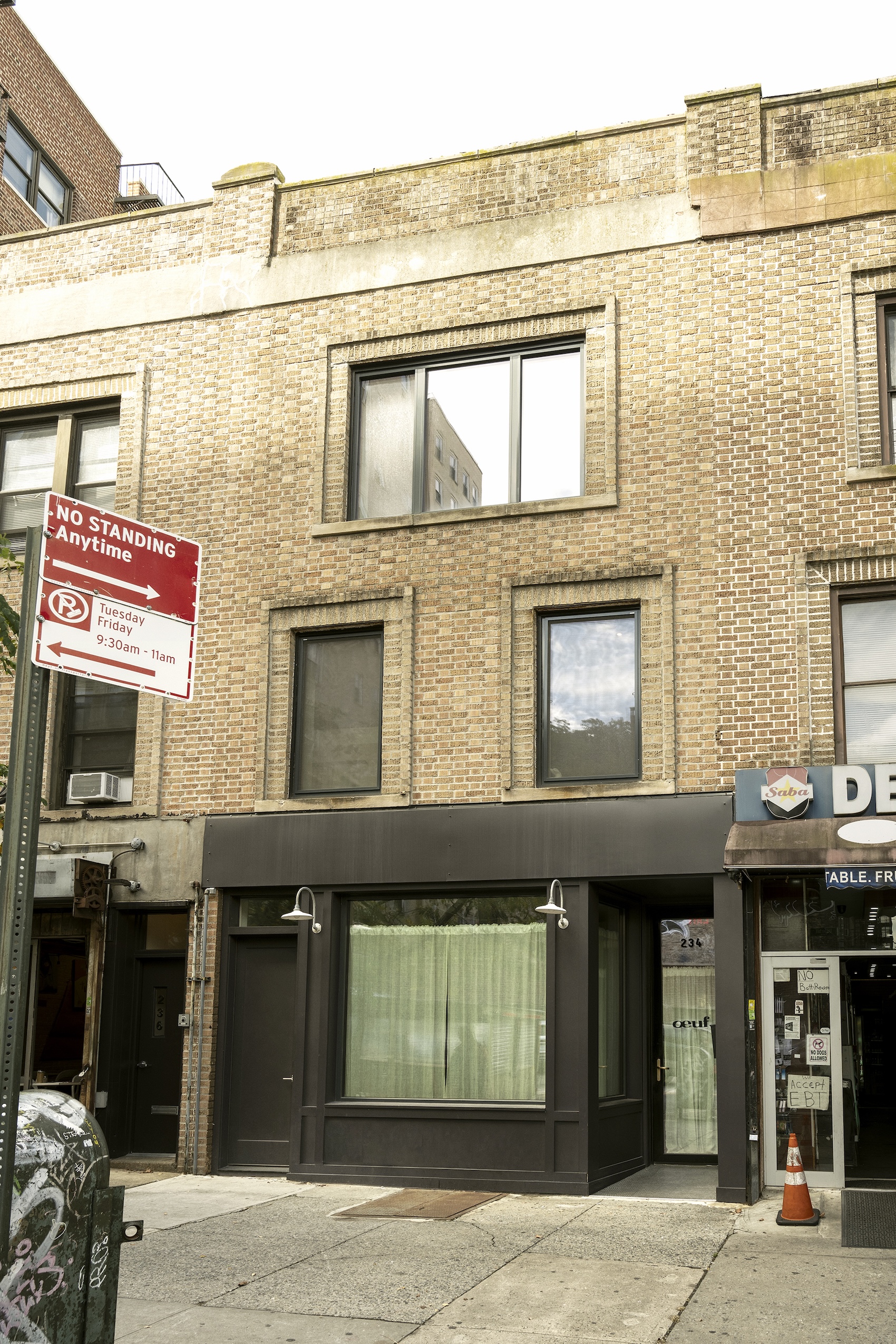
In the heart of Prospect Heights, Brooklyn, a 1920s-era brick warehouse stands as a quiet revolution in urban architecture. To the casual passerby, the building’s historic masonry facade suggests a respect for the past. But behind the heavy doors of Oeuf’s new headquarters lies a radical vision of the future: a high-performance Passive House retrofit that bridges the gap between century-old craftsmanship and cutting-edge energy science.
For Sophie Demenge and Michael Ryan, the husband-and-wife duo behind the sustainable children’s lifestyle brand Oeuf, the move to this studio was more than a relocation—it was a manifestation of their "Be Good" motto. For over two decades, Oeuf has been a pioneer in eco-friendly nursery furniture and knitwear. Now, their physical workspace finally mirrors the integrity of their products. This isn't just an office; it’s a living laboratory for how New York City’s aging commercial stock can be transformed into decarbonized, ultra-efficient sanctuaries.
A 1920s Landmark Reimagined
The story begins with a challenge common to many New York entrepreneurs: finding a space that inspires creativity without sacrificing environmental ethics. Sophie and Michael transitioned from a traditional, drafty office to this 1920s structure with a specific goal in mind—to create a "healthy" building. Working alongside the architectural firm Bangia Agostinho and the technical experts at 475 High Performance Building Supply, they embarked on a comprehensive Passive House renovation.
The result is a studio that functions with the precision of a Swiss watch. By applying the rigorous standards of the Passivhaus movement to a historic retrofit, the team aimed for an 80-90% reduction in heating and cooling loads. In a city where buildings account for the vast majority of carbon emissions, the Oeuf headquarters serves as a blueprint for the commercial "green" transition.
What is a Passive House Retrofit?
To understand the genius of the Oeuf studio, one must understand the Passive House (PH) concept. Unlike traditional "green" buildings that might just add a few solar panels, a Passive House focuses primarily on the building envelope. It is a performance-based standard that requires extreme airtightness, high-quality insulation, and sophisticated ventilation.
A "retrofit" (or EnerPHit) is significantly more difficult than a new build. It involves taking an existing, leaky structure and sealing it so tightly that the internal temperature remains stable with almost no mechanical heating or cooling. In the context of Brooklyn's historic fabric, this means preserving the "soul" of the building while replacing its "lungs" and "skin."
Architectural Strategy: The 'Box Within a Box'
How do you make a 100-year-old brick building airtight? You don't try to seal the brick—you build inside it. Bangia Agostinho utilized a "box-within-a-box" strategy. This involves creating a continuous, super-insulated thermal envelope on the interior side of the original masonry.
- The Thermal Bridge Break: By keeping the new structure slightly detached from the exterior walls, architects eliminate "thermal bridges"—points where heat or cold can bypass insulation.
- Airtight Membrane: Specialized tapes and membranes from 475 High Performance Building Supply were used to seal every joint, gap, and penetration.
- The Modern Storefront: While the upper masonry was preserved, the street-level facade was replaced with a modern, airtight storefront that provides a visual connection to the Brooklyn streetscape.
The Three Pillars of Efficiency: Solar, Windows, and Air
The Oeuf studio’s performance relies on three core technical systems. As an editor focusing on energy solutions, I find the integration here particularly masterful because it proves that "industrial" doesn't have to mean "inefficient."
1. The 10.8kW Solar Array
On the rooftop, the studio harnesses the sun through a 10.8-kilowatt solar panel array. This isn't a standard flat-mount installation; it features an aluminum Brooklyn Solar Canopy installed by Kamtech Solar. This elevated structure allows the roof to remain a functional outdoor space for the team while generating clean energy that offsets the building's already low demand.
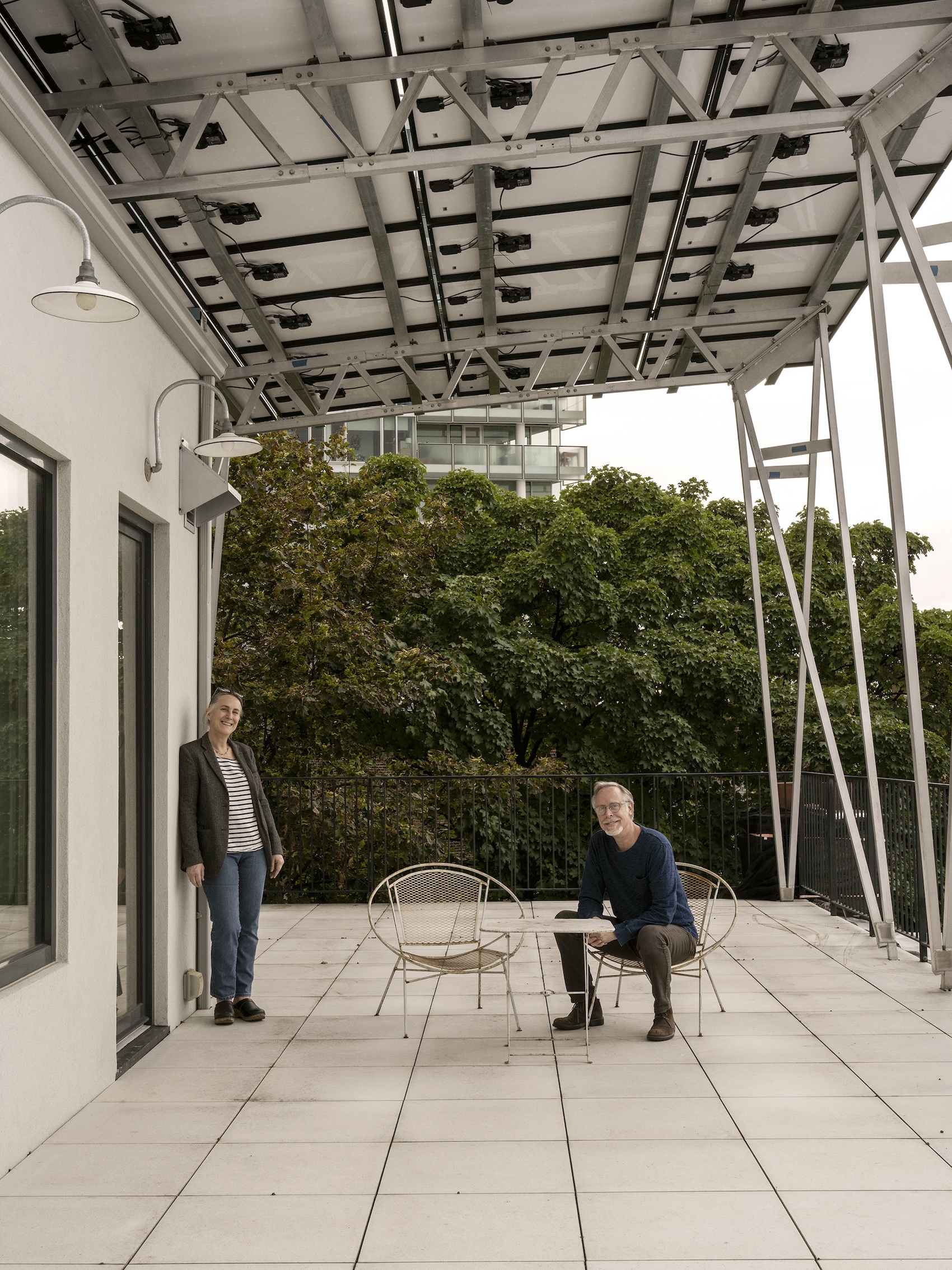
Tech-Spec Callout: Solar Performance
- System Size: 10.8 kW
- Mounting: Elevated Aluminum Canopy (multi-functional use)
- Impact: Significant reduction in grid reliance and operational carbon footprint.
2. Triple-Pane Precision
Traditional New York windows are notorious for letting in noise and drafts. The Oeuf studio utilizes high-performance, wood-framed, triple-pane windows. These units do more than just insulate; they act as a sophisticated sound barrier against the Prospect Heights traffic and provide "solar gain" control—letting in light while keeping out unwanted heat in the summer.
3. The ERV System (The Building's Lungs)
In an airtight building, you cannot simply "crack a window" to get fresh air without losing energy. Enter the Energy Recovery Ventilator (ERV). This system provides a continuous supply of filtered, fresh outdoor air while simultaneously exhausting stale indoor air.
What makes it "energy recovery" is the heat exchanger: it transfers the thermal energy (and moisture) from the outgoing air to the incoming air. This ensures the studio remains at a perfect 68-72 degrees year-round with minimal energy expenditure.
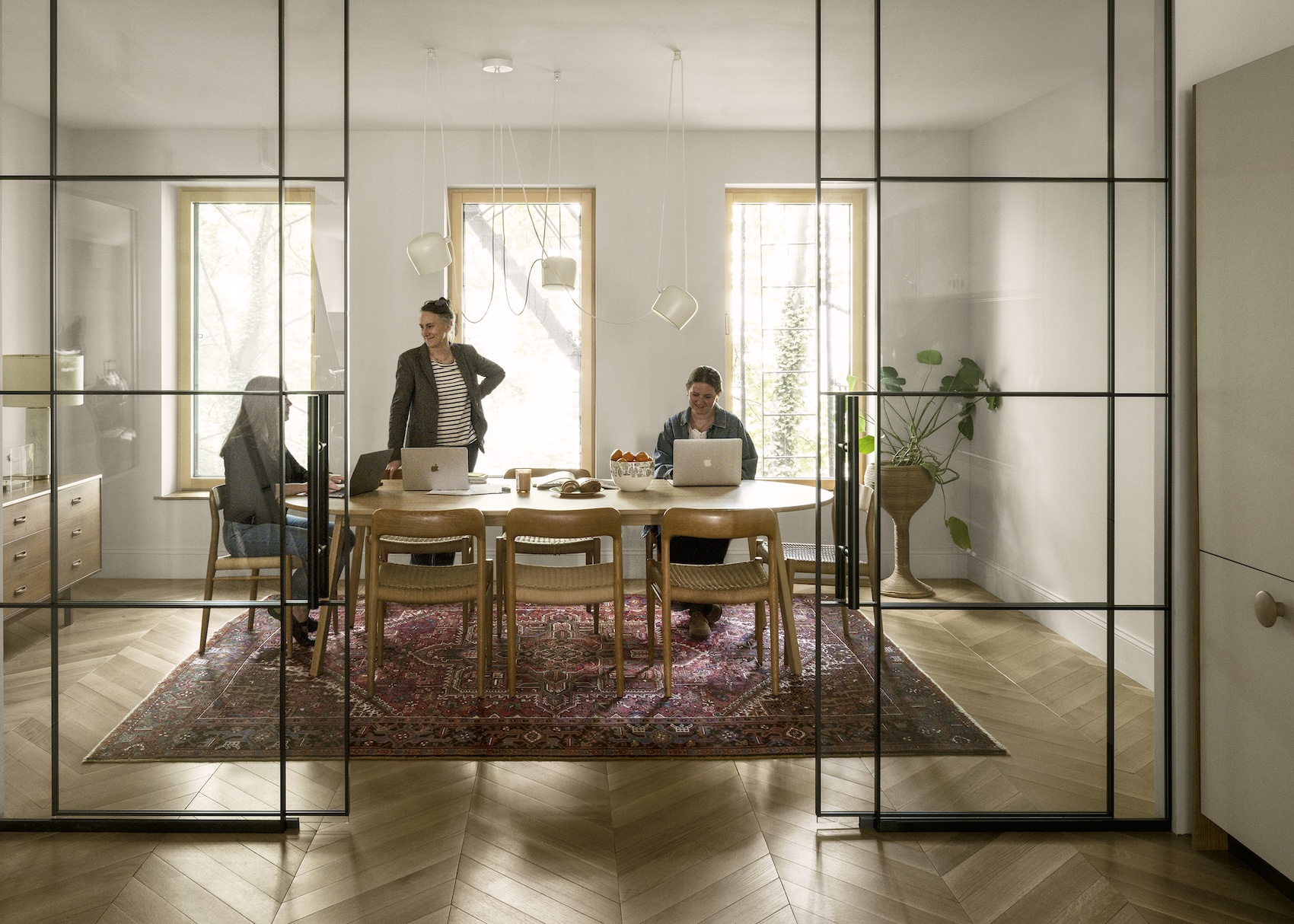
Sustainable Interiors: Matching the Building to the Brand
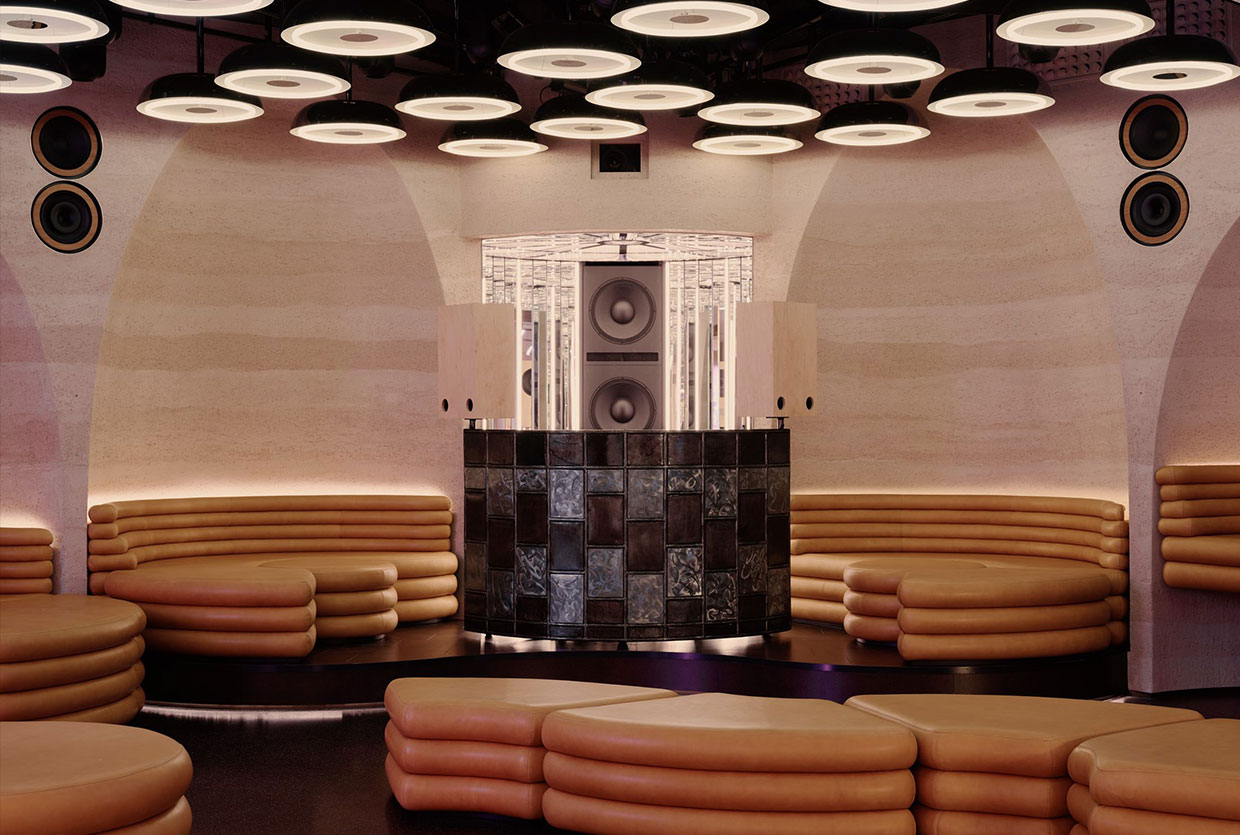
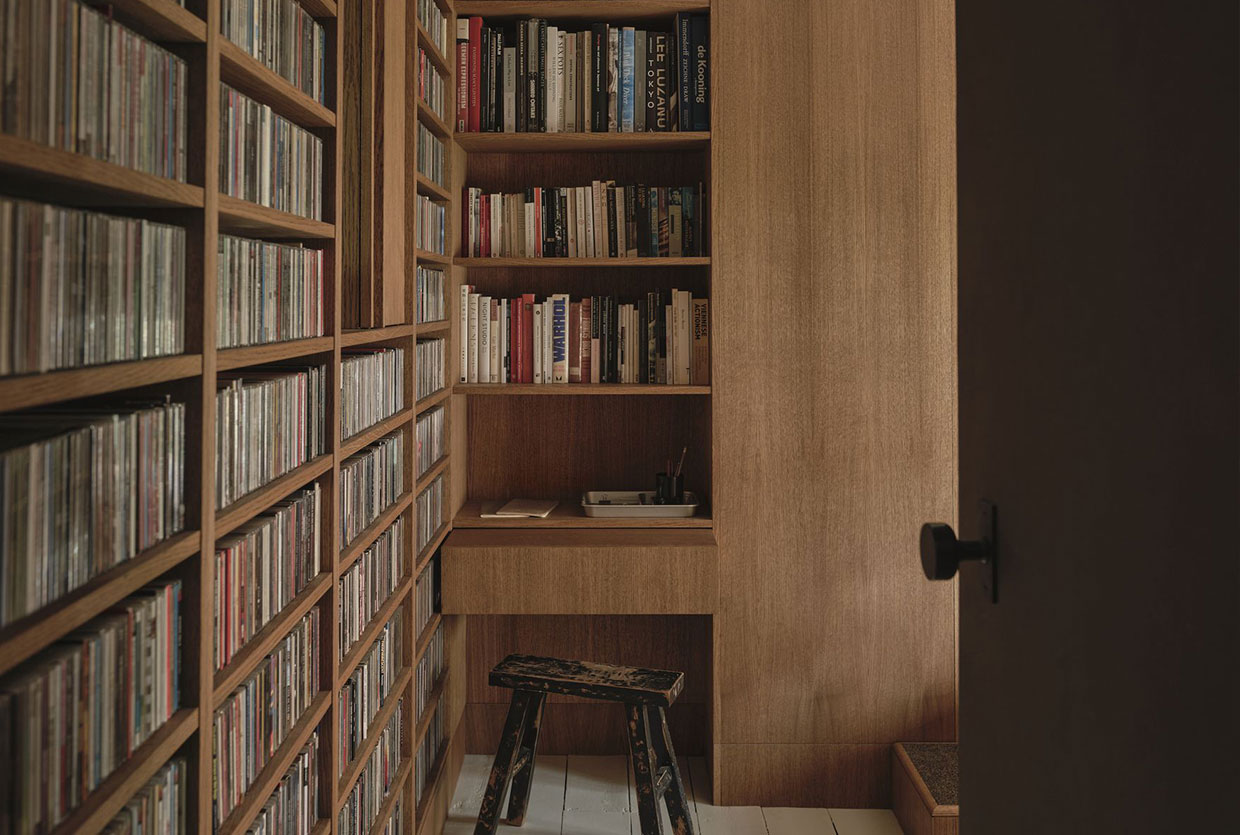
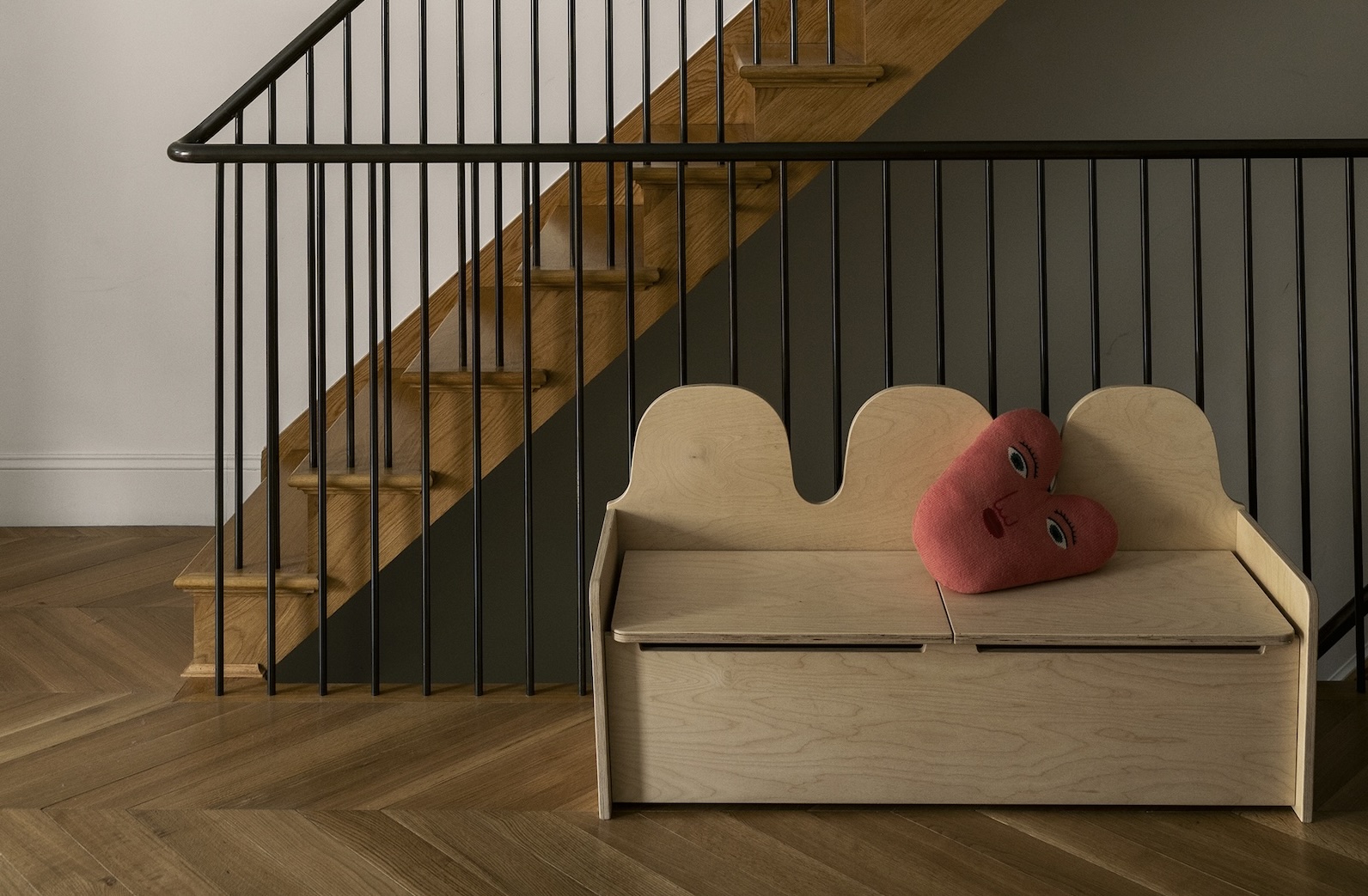
The internal aesthetics of the studio are a masterclass in "warm minimalism." Sophie Demenge’s design sensibility ensures that the space feels like a home rather than a sterile laboratory. But more importantly, the materials used within the building reflect the same ethical standards as the architecture itself.
Oeuf has long been known for its commitment to responsible sourcing. This is highlighted by their incredible artisan network in South America. What started as a small group of 4 knitters has grown over a 22-year partnership into a network of nearly 200 craftswomen in Bolivia and Peru. These artisans produce Oeuf’s signature knitwear using eco-friendly materials like baby alpaca fleece, which is naturally hypoallergenic and renewable.
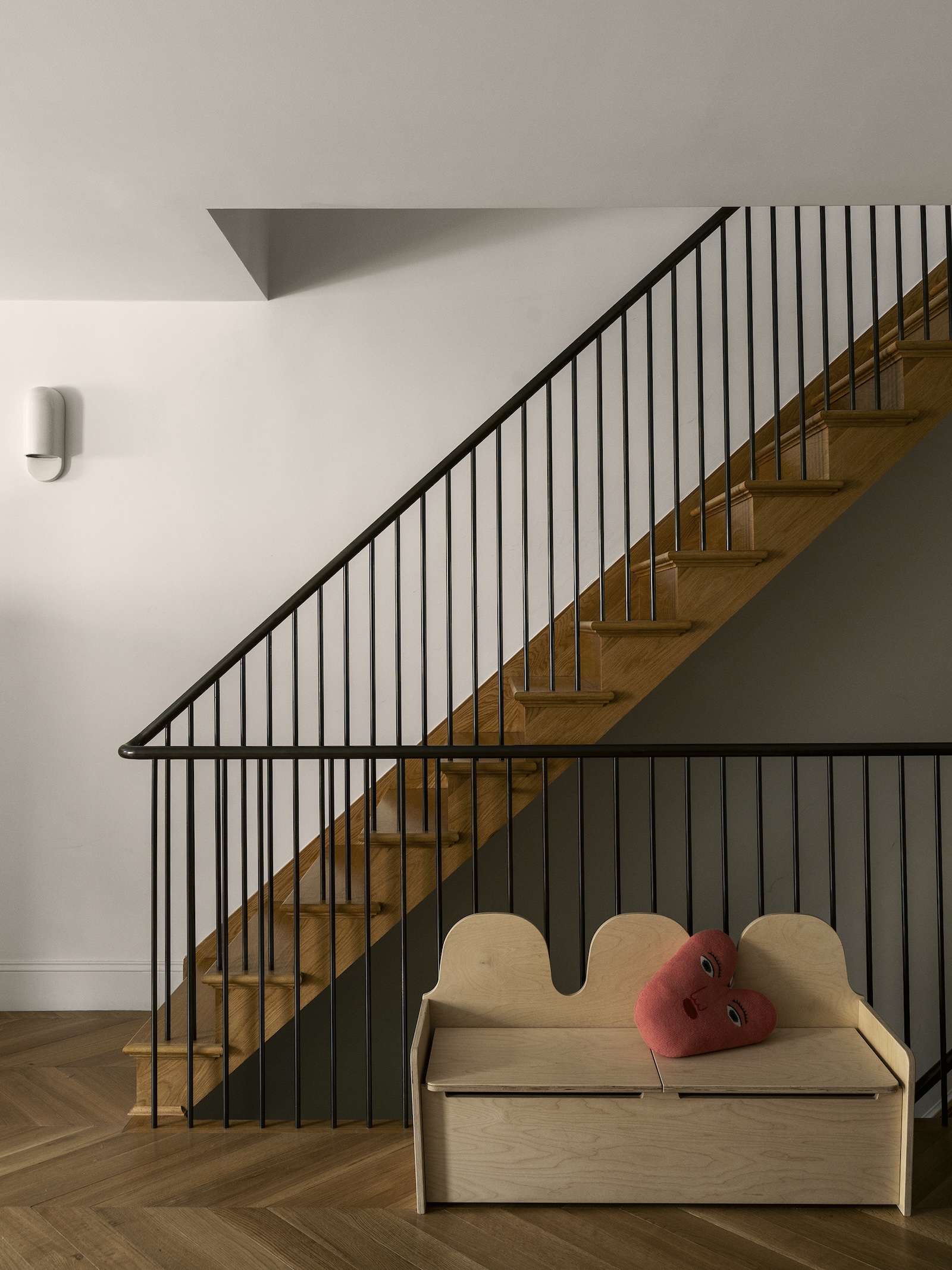
Inside the studio, you’ll find:
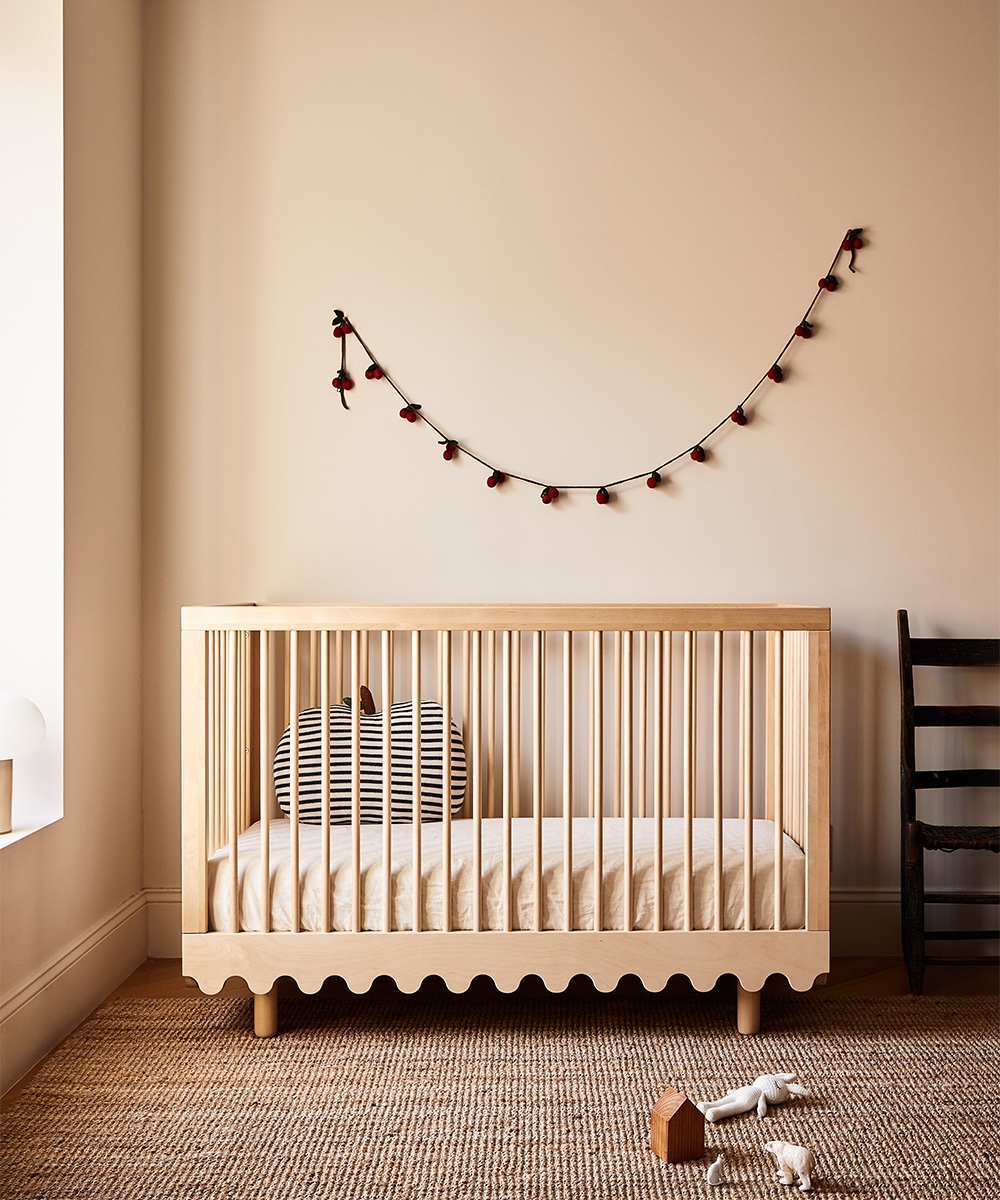
- FSC-Certified Wood: Every piece of furniture, from the Moss collection cribs to the Perch bunk beds, uses wood sourced from responsibly managed forests.
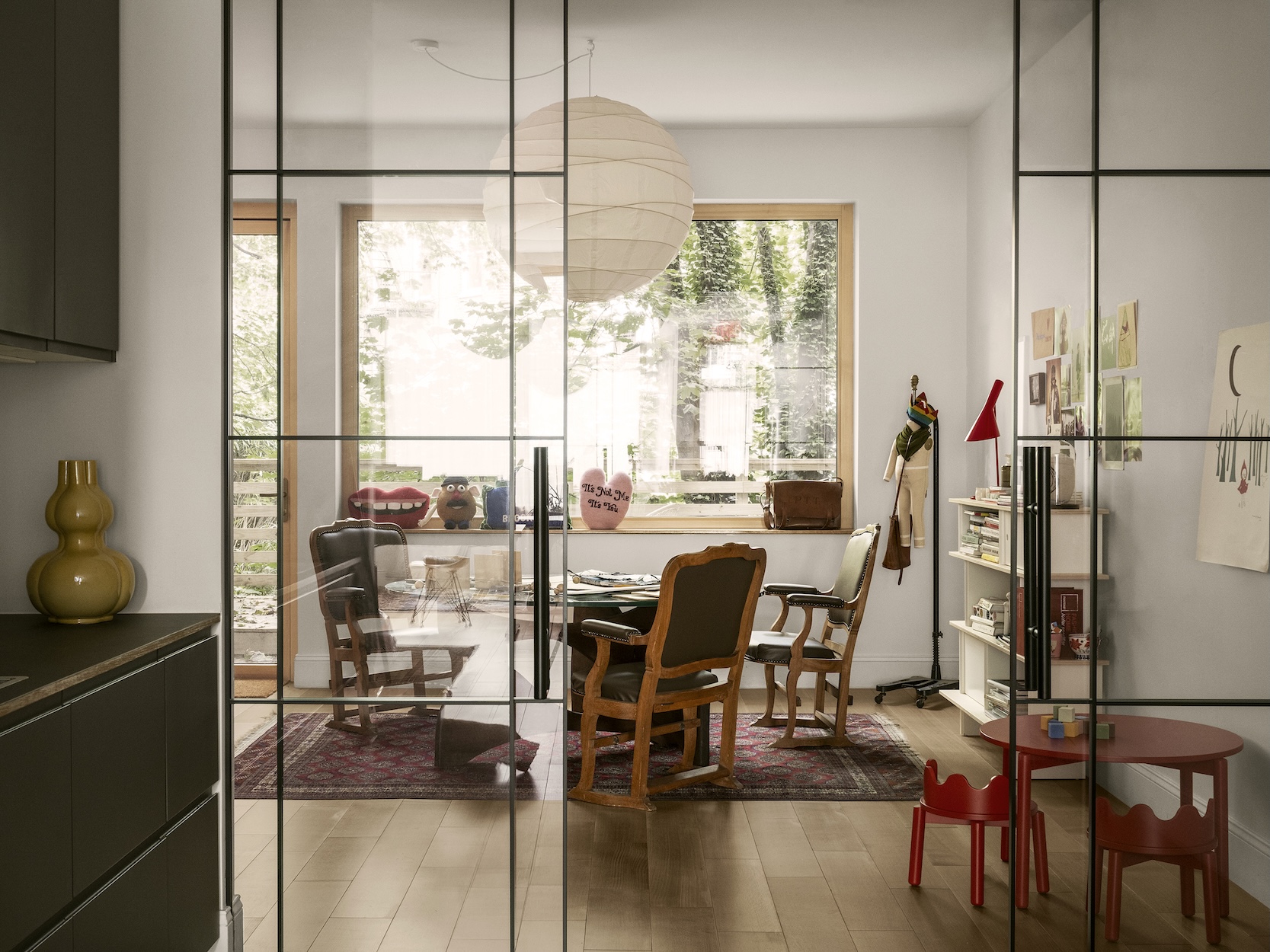
- Curated Vintage: To reduce the footprint of the renovation, the office is furnished with a mix of French vintage auction finds and midcentury pieces, proving that the most sustainable product is often the one that already exists.
- Prototypes and Samples: The studio acts as a working showroom where new designs are tested and displayed against the backdrop of the insulated inner shell.
The ROI of Passive Retrofitting for Property Owners
For many property owners, the hesitation toward Passive House standards is often rooted in cost. However, the Oeuf project demonstrates a compelling Return on Investment (ROI) that goes beyond just the monthly utility bill.
| Benefit Category | Impact | Long-term Value |
|---|---|---|
| Energy Costs | 80-90% reduction in HVAC loads | Hedge against rising energy prices; potential for net-zero. |
| Maintenance | High-quality components (triple-pane windows, ERV) | Longer lifespan of building systems compared to standard HVAC. |
| Occupant Health | Constant fresh, filtered air; no drafts | Increased productivity and reduced sick days for employees. |
| Asset Value | Compliance with NYC Local Law 97 | Future-proofing against carbon fines and increasing market demand for "green" space. |
For New York City owners, there are also significant incentives available. Federal tax credits under the Inflation Reduction Act and local utility rebates can offset the initial premium of Passive House components. Furthermore, the sheer comfort of a silent, draft-free office in a busy Brooklyn neighborhood is a luxury that traditional renovations simply cannot provide.
FAQ
Q: Can any old Brooklyn building be turned into a Passive House? A: Theoretically, yes. However, historic structures require a "box-within-a-box" approach to preserve the exterior masonry while creating a new interior thermal envelope. It requires specialized architectural expertise, like that provided by Bangia Agostinho.
Q: How much does a Passive House retrofit cost compared to a standard renovation? A: Generally, you can expect a 5-10% premium on construction costs. However, this is quickly recouped through drastically lower energy bills and the avoidance of future carbon taxes (like NYC’s Local Law 97).
Q: Does an airtight building feel "stuffy"? A: Quite the opposite. Because of the ERV (Energy Recovery Ventilator), a Passive House has more fresh air circulation than a standard building. The air is filtered to remove dust, pollen, and pollutants, making it much healthier for occupants.
Building for the Next Century
The Oeuf Brooklyn studio is more than just a beautiful workspace; it is a statement of intent. It proves that we do not have to choose between preserving our architectural heritage and meeting our climate goals. By combining the "Be Good" philosophy with the technical rigor of Passive House design, Sophie and Michael have created a space that is as durable and thoughtful as the furniture they produce.
As we look toward a future defined by energy efficiency and sustainable living, the Oeuf headquarters stands as a beacon. It reminds us that the most sustainable building is often the one already standing—provided we have the vision to reinvent it from the inside out.