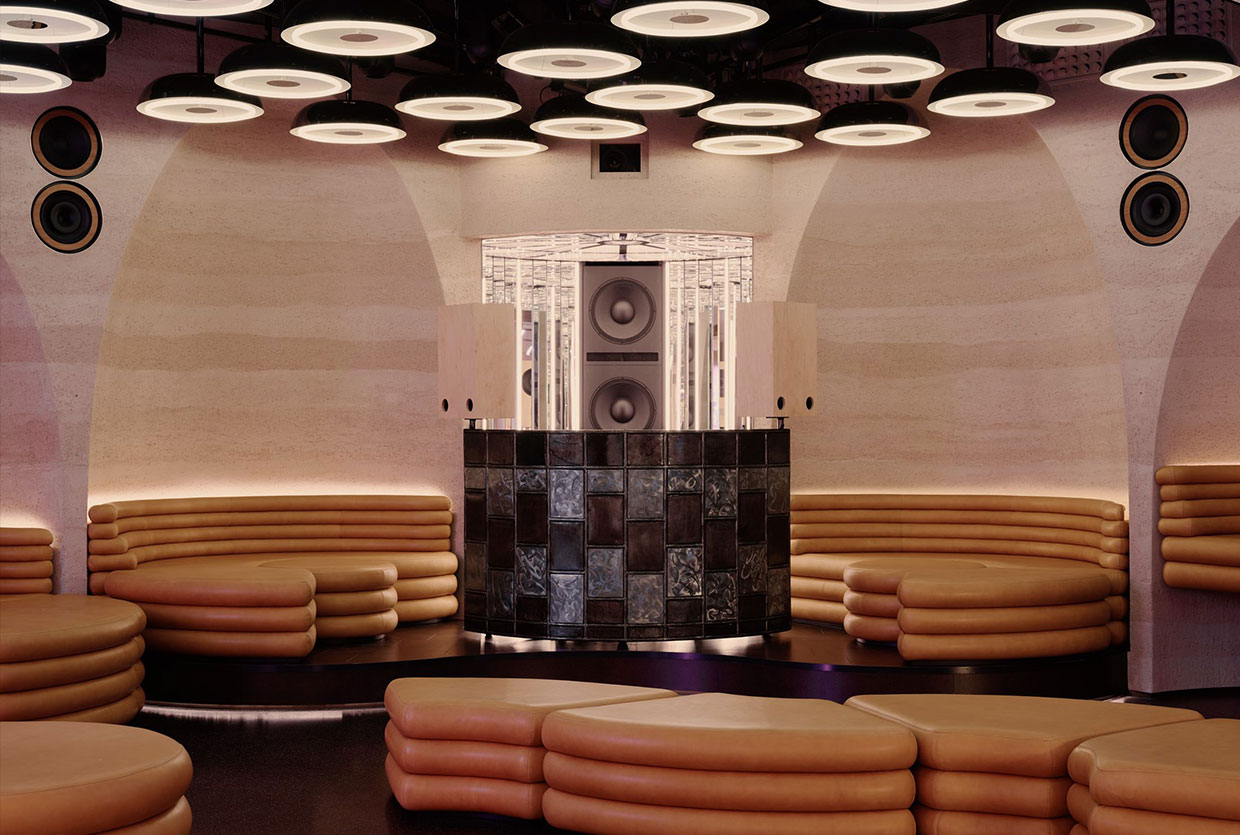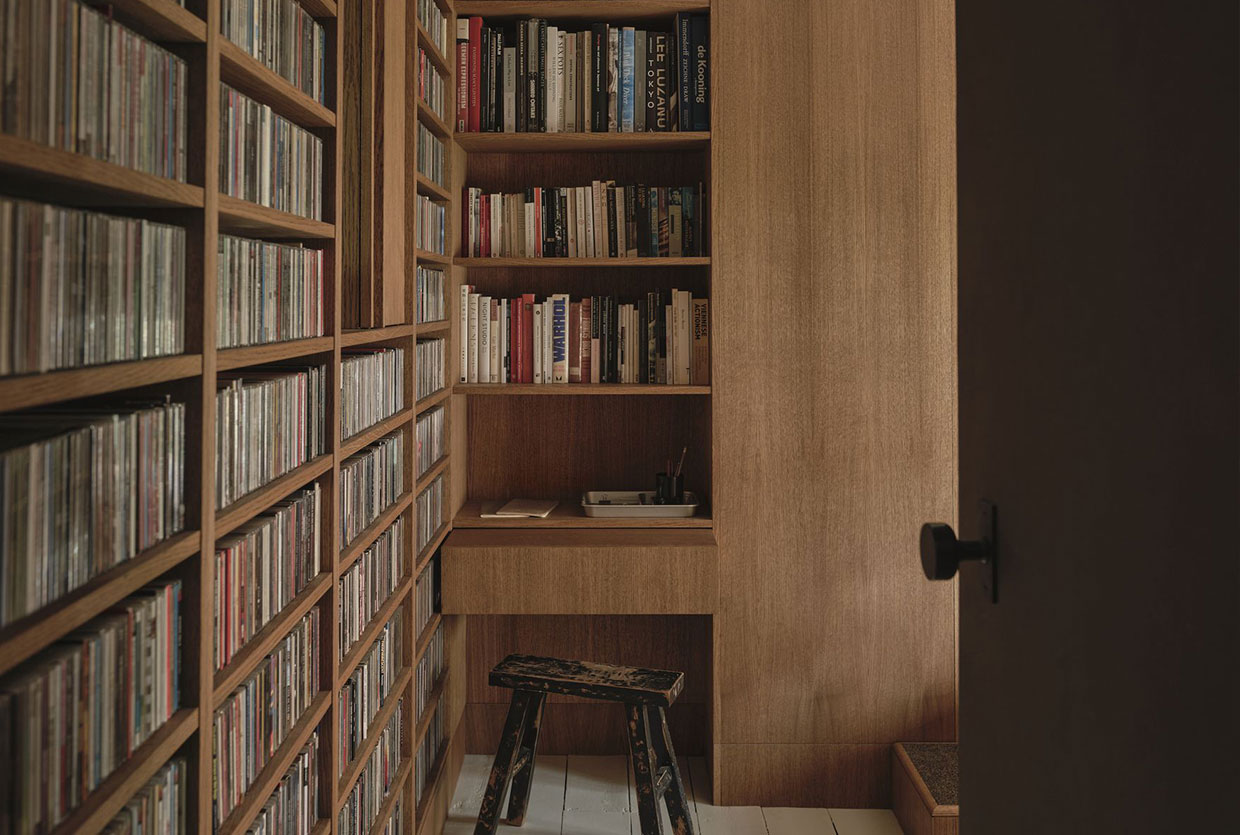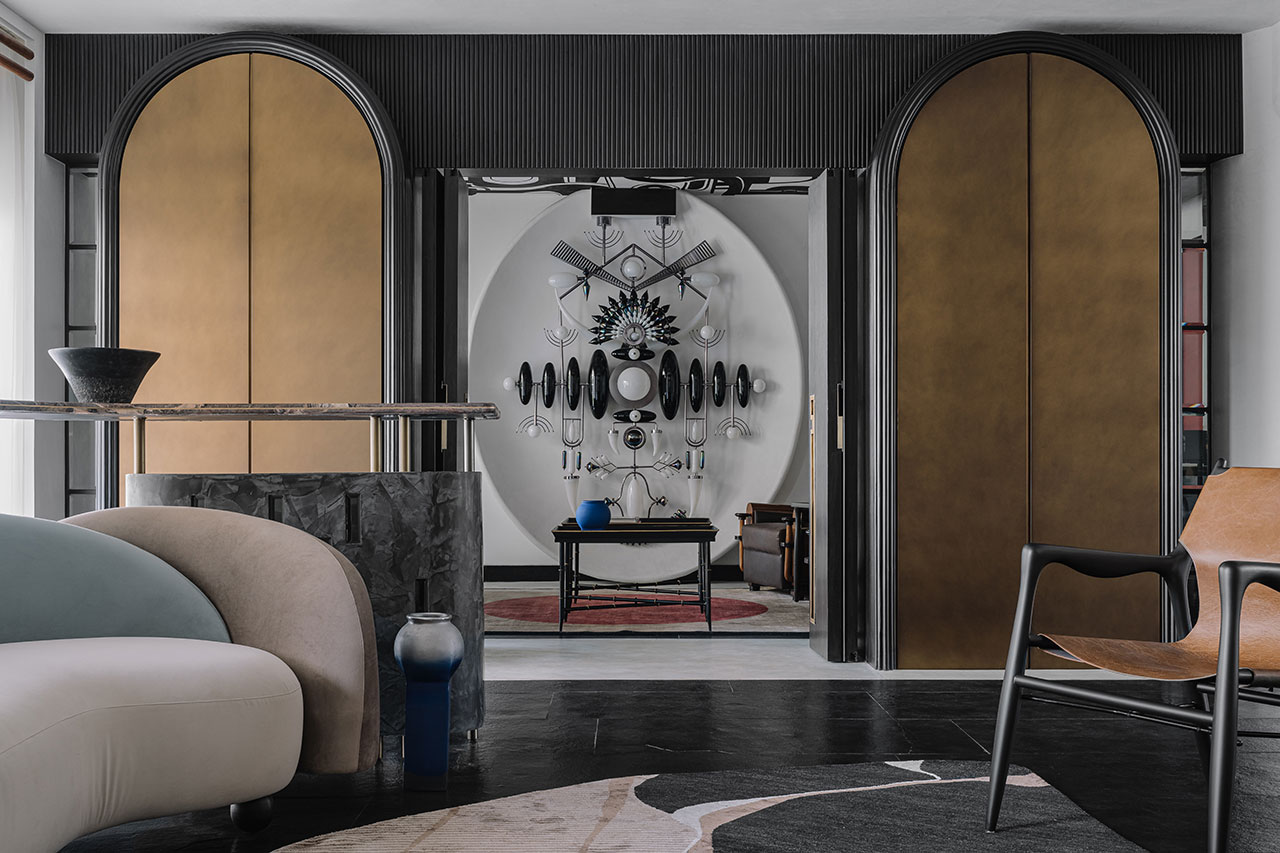
Popular culture might have you believe that luxury is a game of scale—that a "soul-stirring" home requires the soaring ceilings of a McMansion or the sprawling footprint of a countryside estate. But as we move toward 2026, the design world is staging a quiet revolution. We are witnessing a shift from the extrinsic display of wealth to the intrinsic enrichment of the interior. The secret to this emotional resonance? Contemporary Art Deco, or what insiders are calling NeoDeco.
NeoDeco is a modern evolution of the 1920s aesthetic that blends signature geometric shapes, such as chevrons and fan arches, with contemporary sensibilities and sustainable local craftsmanship to create timeless luxury. It creates a soul-stirring home by moving away from mass-produced extravagance toward interior enrichments—using sensory materials like marble, wood, and velvet to encourage a slower pace of life and moments of reflection.
BEYOND THE 'MCMANSION' ERA: THE RISE OF INTERIOR ENRICHMENT
For too long, the industry focused on the "shell." We prioritized how many rooms we could fit into a layout rather than how those rooms made us feel. In 2026, the narrative has flipped. Luxury is no longer about how much space you own; it’s about how deeply you inhabit it. We are entering the era of "Pared-back Luxury," where the goal is to create a sanctuary that fosters a slower, more intentional lifestyle.
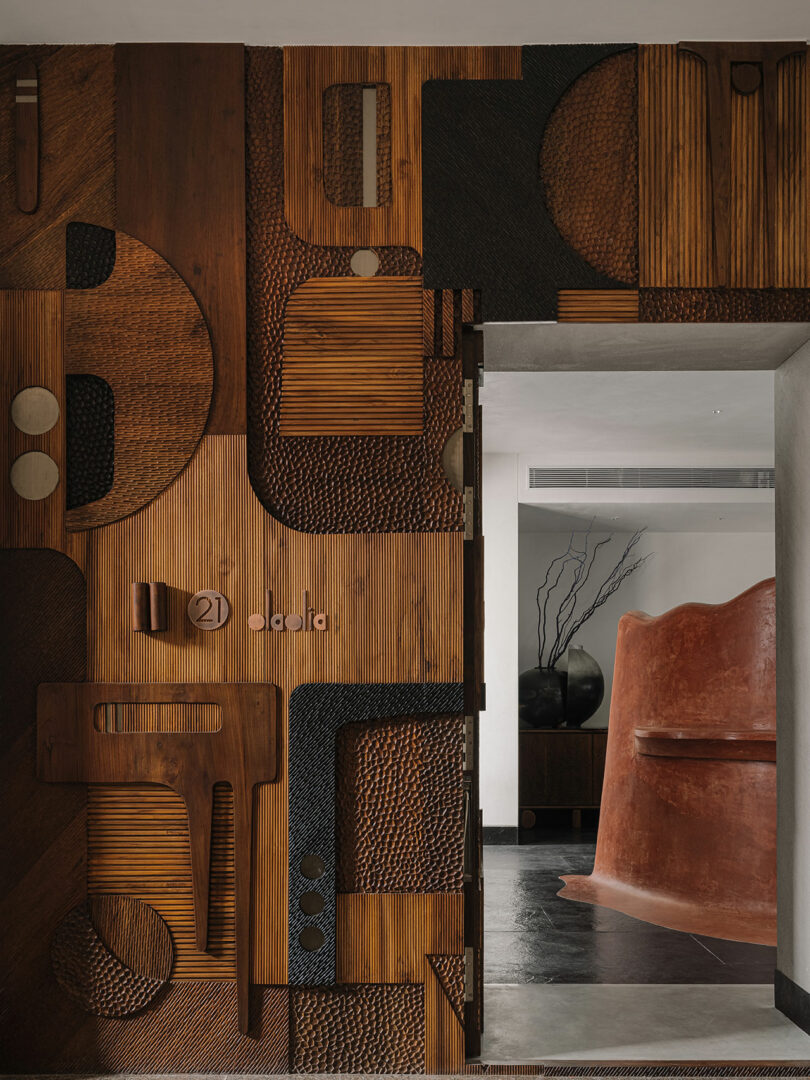
NeoDeco provides the perfect framework for this shift. Unlike the cold minimalism that dominated the last decade, Contemporary Art Deco invites texture, warmth, and history back into the home. It’s about the "Romantic Narrative"—the idea that your home should tell a story from the moment you cross the threshold. By replacing flat, characterless walls with relief carvings and wooden doorways, we invite the eye to linger and the heart to settle.
THE 2026 CENTENNIAL: WHY THE JAZZ AGE IS RECLAIMING THE FUTURE
Why is this happening now? The timing isn’t accidental. The year 2026 marks the 100-year centennial of the 1925 Paris Exposition (Exposition Internationale des Arts Décoratifs et Industriels Modernes), the very event that launched the original Art Deco movement. Much like the post-war world of the 1920s, our current era is searching for a balance between technological progress and human-centric beauty.
Trend platforms like Pinterest are already projecting a massive surge in 'NeoDeco' searches as we approach this historical milestone. However, the 2026 revival isn't a carbon copy of the past. While the 1920s focused on machine-age precision and exotic (often unsustainable) materials, the 2026 NeoDeco movement is defined by "Geometric Fluidity" and hyper-local sourcing. It’s a softer, more grounded version of its predecessor, trading chrome for warm brass and ebony for reclaimed local hardwoods.
Ivy’s Pro Tip: To bring NeoDeco into your space without a full renovation, focus on "The Curve." Replacing a rectangular coffee table with an arched or kidney-shaped silhouette immediately softens a room's energy and introduces that signature Deco flow.
CASE STUDY: THE 'ARIA' RESIDENCE AND THE SOUL-STIRRING IMPACT
To see NeoDeco in action, one need only look at the 'Aria' residence. This 2,800-square-foot urban layout proves that you don't need a sprawling estate to create a voluminous impact. The designers utilized a 90% localized sourcing strategy for bespoke art and furniture, ensuring that every piece had a "soul" before it even entered the room.
The Aria project treats the home as a series of emotional transitions. Instead of an open-plan "dead zone," the layout uses fluted partitions and arched entryways to create a sense of mystery and discovery. It leverages Art Deco’s rhythmic patterns to maximize perceived volume—diagonal floor patterns make small rooms feel expansive, while vertical wall fluting draws the eye upward, creating a sense of grandeur in standard-height apartments.
THE NEODECO TOOLKIT: 2026'S SIGNATURE ELEMENTS
Achieving the NeoDeco look requires a careful balance of "The Vibe" and "The Material." Here are the elements defining the 2026 landscape:
GEOMETRIC FLUIDITY
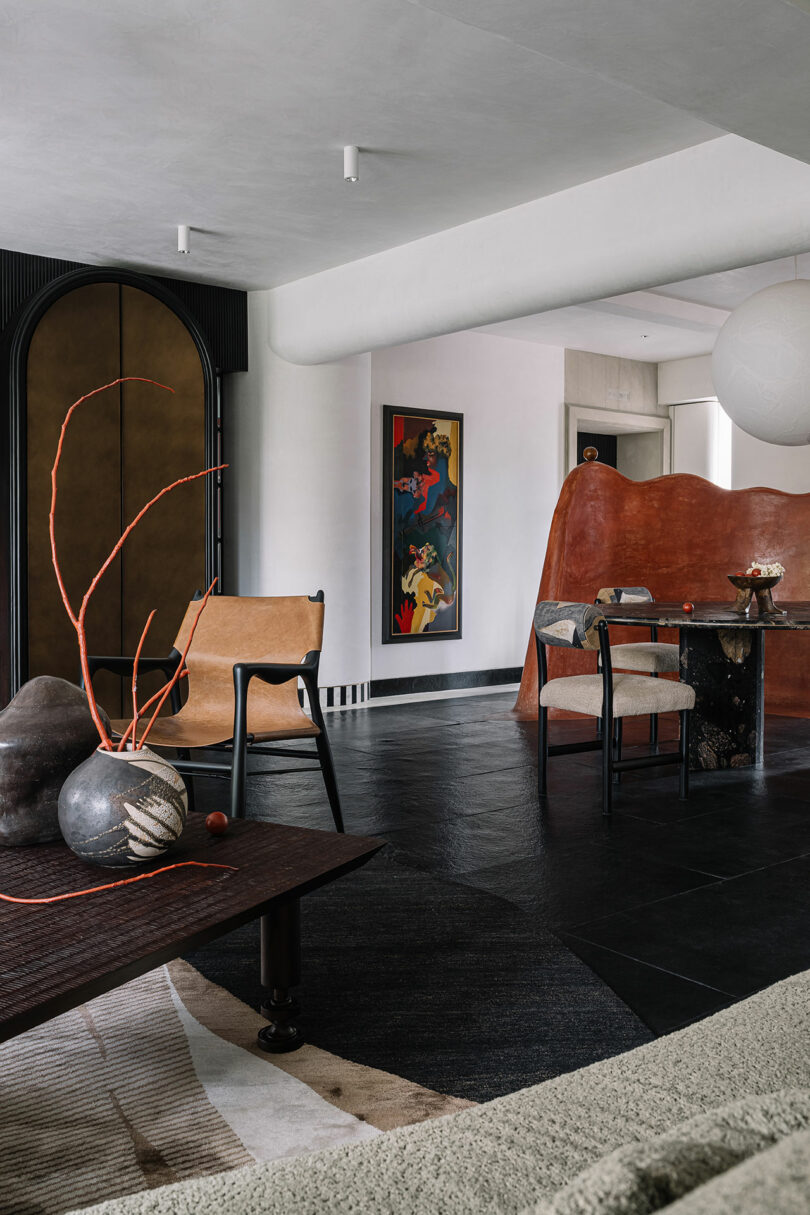
We are moving away from the rigid, zig-zag lines of the Great Gatsby era. 2026 is all about "Organically Flowing Wooden Silhouettes." Think of partitions that don't just divide a room but ripple through it like a sculpture. Arched entryways are replacing standard door frames, providing a soft transition that feels like an embrace rather than a boundary.
THE 'TEATRO' VIBE
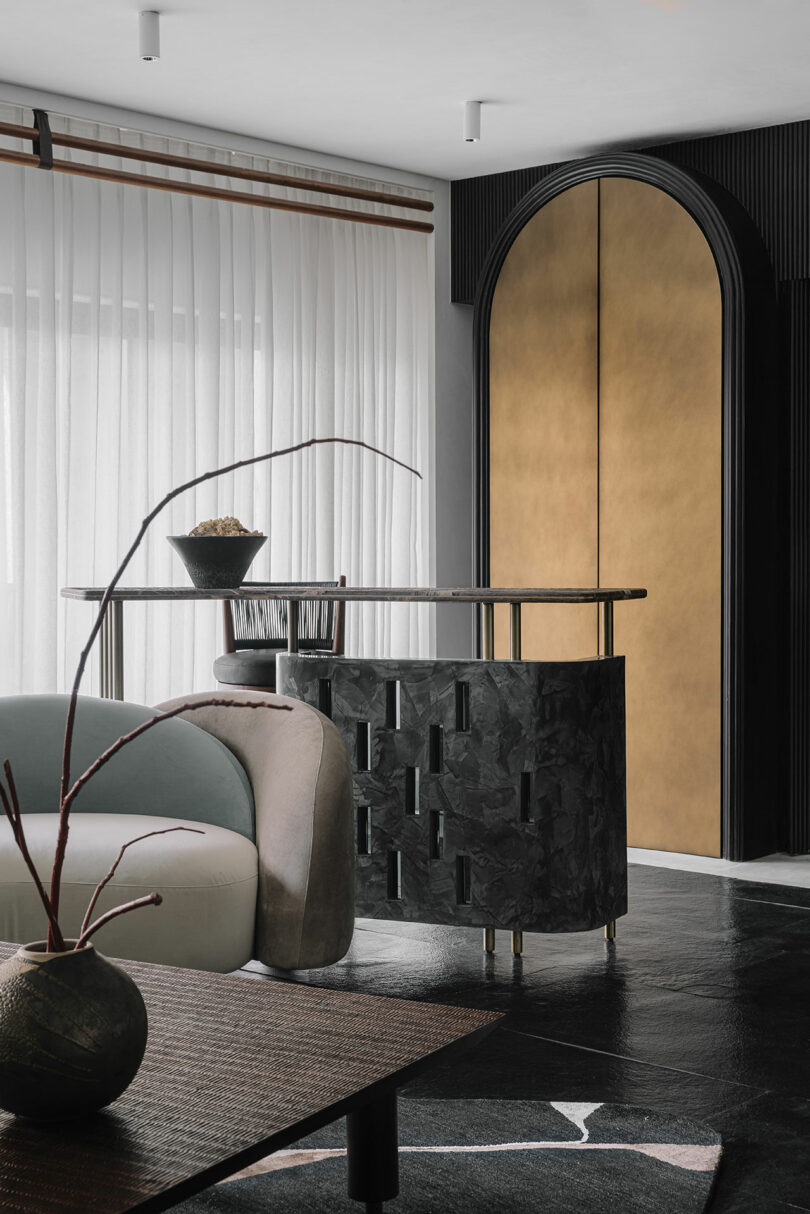
There is a renewed desire for theatrical glamour—the "Teatro" vibe. This involves using velvet drapes that pool on the floor, gilded detailing that catches the evening light, and bold, voluminous seating. This isn't about being "extra"; it's about creating a space that feels curated and intentional, like a private sanctuary away from the digital noise.
SENSORY MATERIALS
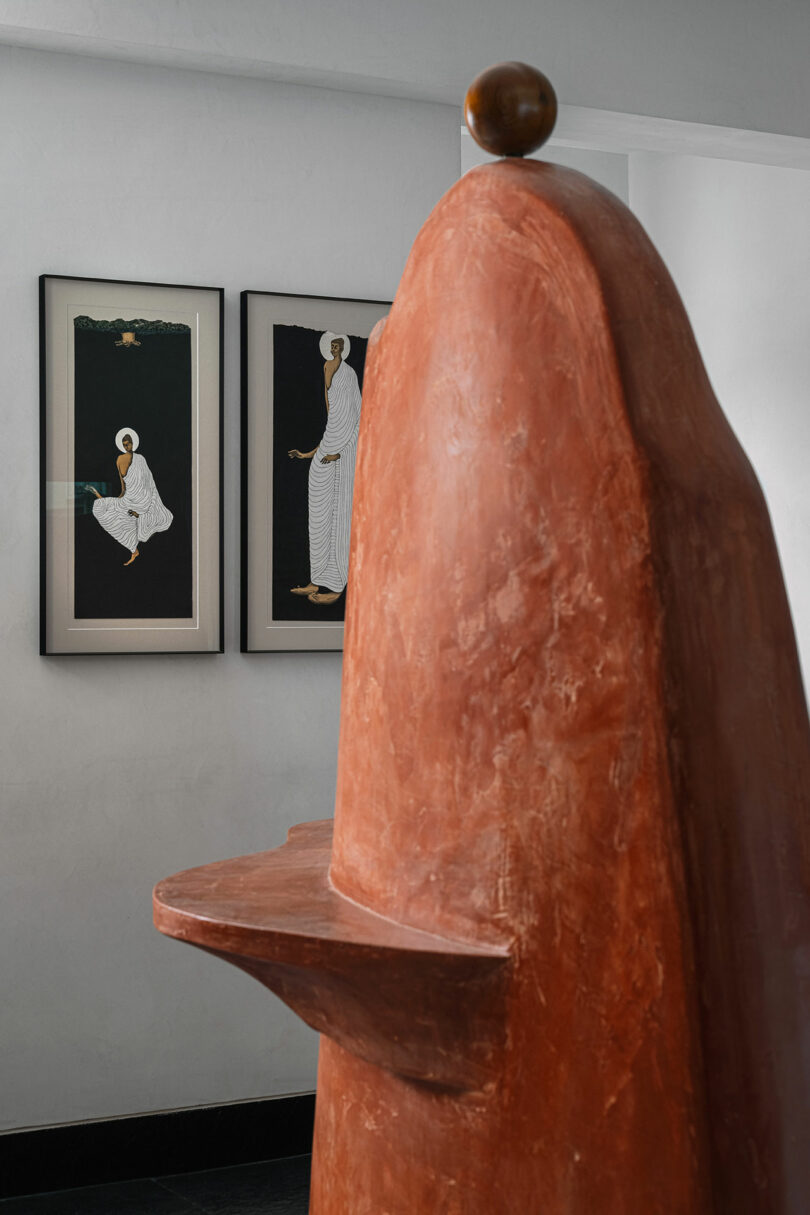
In 2026, materials are chosen for how they feel to the touch. African Marble monoliths provide a cool, grounded presence in the kitchen, while terracotta sculptures bring an earthy, artisanal warmth to living areas. One of the most exciting trends is "Embroidery on Wood"—CNC-routed patterns that mimic the intricate lace of the 1920s but are executed in solid timber for a tactile, contemporary finish.
THE 2026 COLOR PALETTE: FROM JEWEL TONES TO 'CLOUD DANCER'
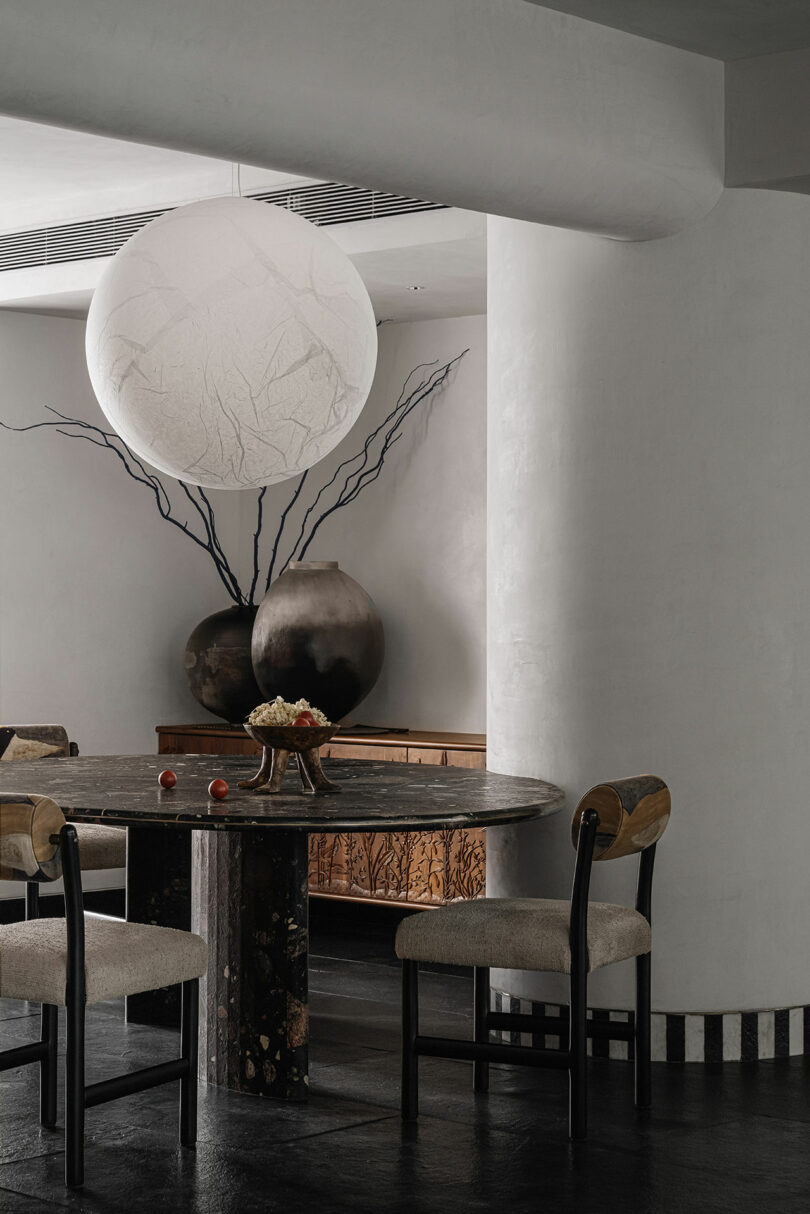
If the original Art Deco was defined by high-contrast black and gold, NeoDeco is defined by light and layering. The 2026 palette is anchored by Pantone’s 'Cloud Dancer', a soft, ethereal white that serves as a canvas for sculptural forms.
- The New Neutrals: Instead of sterile greys, we are seeing terracotta, ochre, and warm brass. These "earthy NeoDeco" tones make the style feel approachable and grounded.
- Bold Monochrome: Rather than using a rainbow of colors, designers are creating depth through material contrast. Imagine a room where the walls, sofa, and rug are all shades of cream, but the textures range from bouclé and velvet to polished stone.
- Muted Jewels: We still see emerald and sapphire, but they are "dusted"—softer, more matte versions that feel sophisticated rather than flashy.
DESIGNING ROOM-BY-ROOM: CONTEMPORARY ART DECO APPLICATIONS
THE LIVING SPACE: 'FAT FURNITURE' AS ART
The living room is moving away from low-profile, "invisible" furniture. We are embracing "Fat Furniture"—voluminous, rounded seating that acts as a sculptural centerpiece. These pieces are often modular, allowing the room to evolve based on social needs.
THE MEDIA SANCTUARY
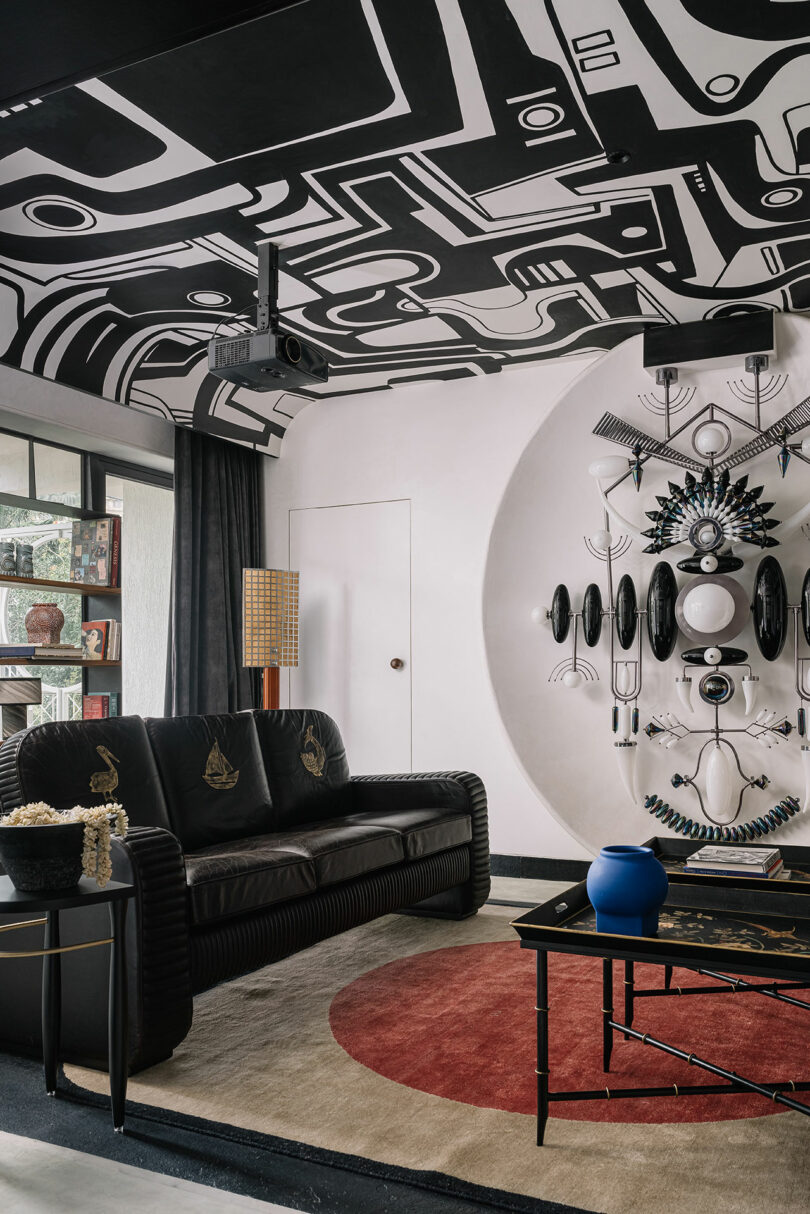
Forget the "black hole" TV on a white wall. The 2026 Media Sanctuary uses fluted black walls and hand-painted geometric ceilings to transform the screen into part of a larger composition. It’s about creating an immersive environment that feels as luxurious as a boutique cinema.
THE BATH SANCTUARY
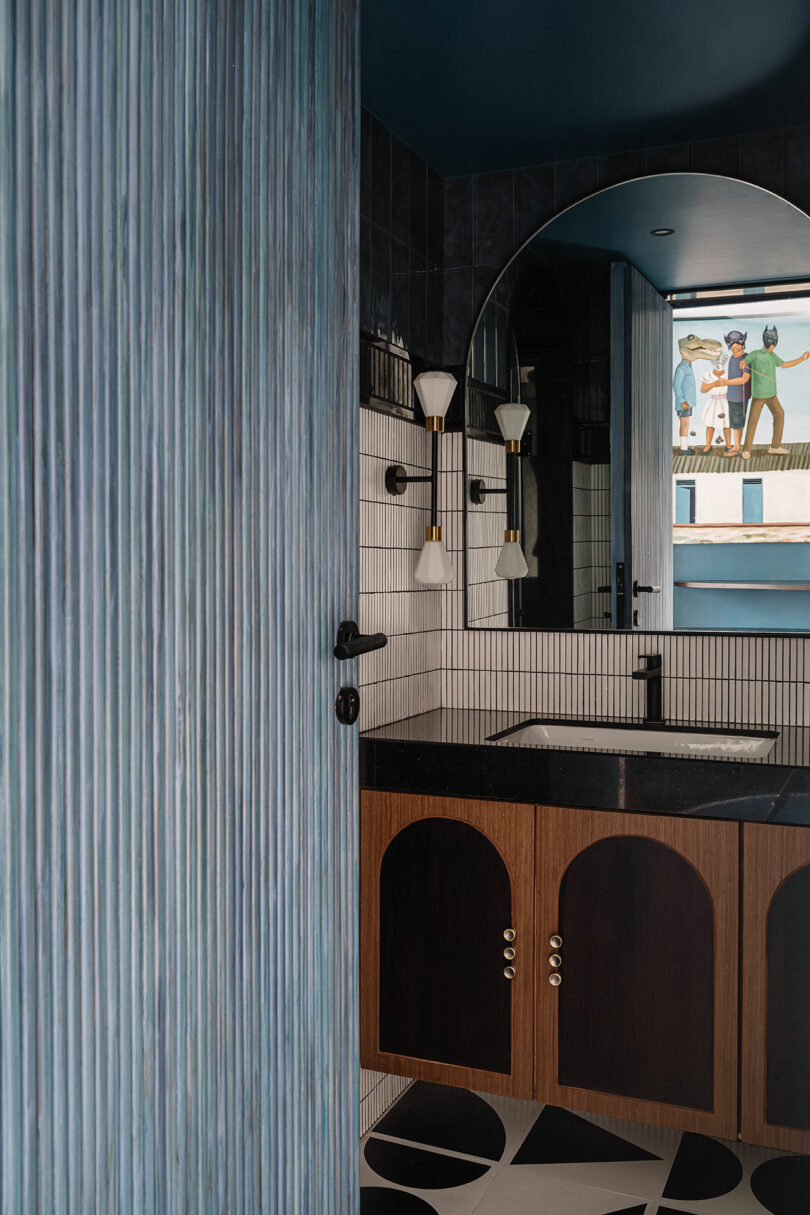
In the bathroom, NeoDeco manifests through rhythmic tile work—think hexagons or diagonal subway tiles—paired with arched mirrors and ribbed vanity textures. This creates a spa-like retreat that feels both vintage and cutting-edge.
SUSTAINABLE LUXURY AND LOCAL CRAFTSMANSHIP
Perhaps the most significant difference in the 2026 revival is its conscience. Contemporary Art Deco is synonymous with hyper-local craft. As we move away from global mass-production, the value of a piece is now measured by its "traceability."
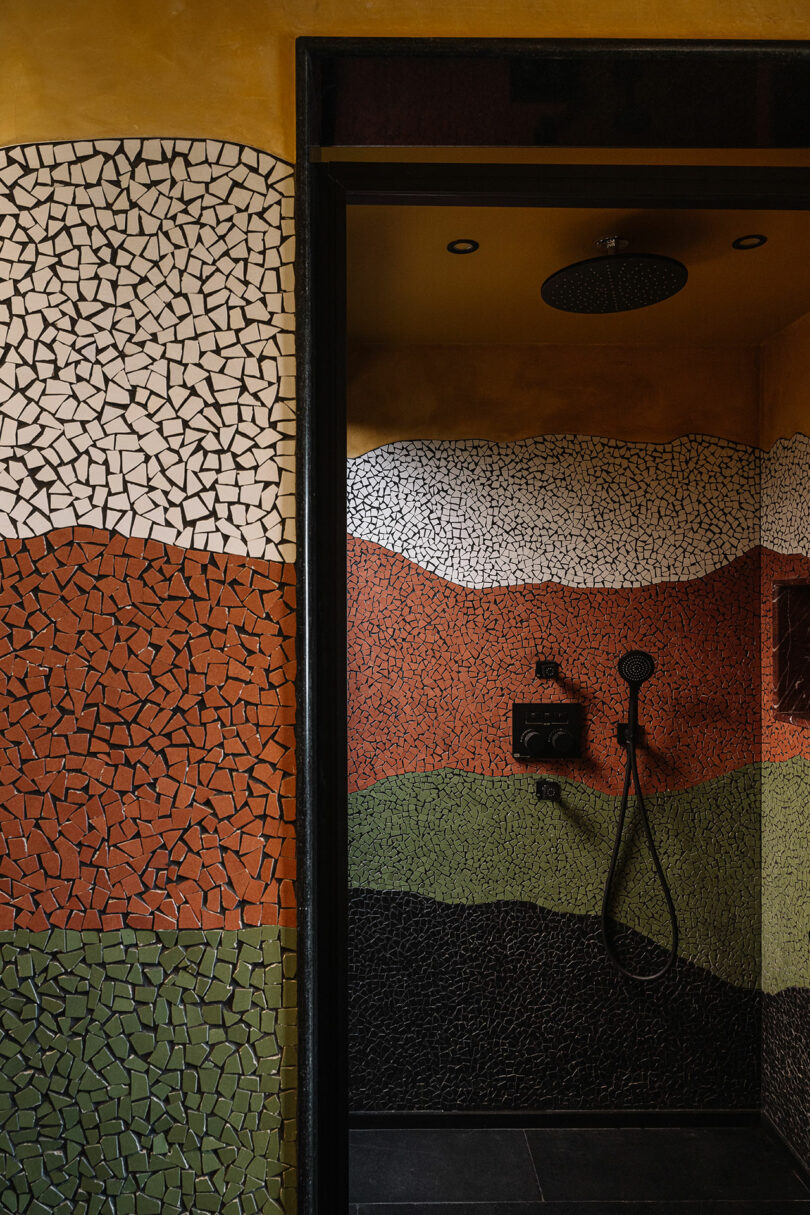
Designers are integrating "Circular Economies," using materials designed for reuse and supporting local artisans who specialize in traditional techniques like hand-laid mosaics or manual wood turning. When you buy a NeoDeco piece in 2026, you aren't just buying a chair; you're supporting a local ecosystem.
TREND SNAPSHOT: 1920S VS. 2026 ART DECO
| Feature | 1920s Original Art Deco | 2026 NeoDeco Revival |
|---|---|---|
| Materials | Chrome, Ivory, Exotic Hardwoods | Recycled Brass, Terracotta, Sustainable Marble |
| Geometry | Sharp, rigid, machine-like zig-zags | Fluid, arched, organic silhouettes |
| Palette | High-contrast Black, Gold, Emerald | 'Cloud Dancer' White, Ochre, Matte Jewels |
| Ethos | Industrial progress & Overt wealth | Emotional reflection & Localized craft |
CONCLUSION: A TIMELESS AESTHETIC FOR MODERN REFLECTION
Contemporary Art Deco is more than just a trend; it is a response to our collective desire for a home that feels substantial and "soul-stirring." By blending the geometric grandeur of the past with the sustainable, sensory-focused values of the present, NeoDeco allows us to create spaces that are both spectacular and deeply personal.
As we approach the centennial of the movement that changed the world, perhaps the secret to a better future lies in looking back at the beauty we once dared to create—and then making it kinder, softer, and more enduring for the world of 2026.
FAQ
Q: Is Art Deco too "busy" for a small apartment? A: Not at all! In fact, NeoDeco’s use of vertical lines and rhythmic patterns can actually make a small space feel taller and more organized. The key is to use a cohesive color palette (like the 'Cloud Dancer' whites) to keep the geometry from feeling overwhelming.
Q: How can I make NeoDeco feel "modern" rather than "vintage"? A: Focus on "Geometric Fluidity." Avoid the heavy, dark woods of the 1920s and opt for lighter timbers, matte finishes instead of high-shine chrome, and contemporary, modular furniture silhouettes.
Q: Where should I start if I'm on a budget? A: Start with lighting and hardware. Swapping out standard cabinet pulls for brass geometric ones and adding a single arched, sculptural floor lamp can transform the "vibe" of a room for a relatively small investment.