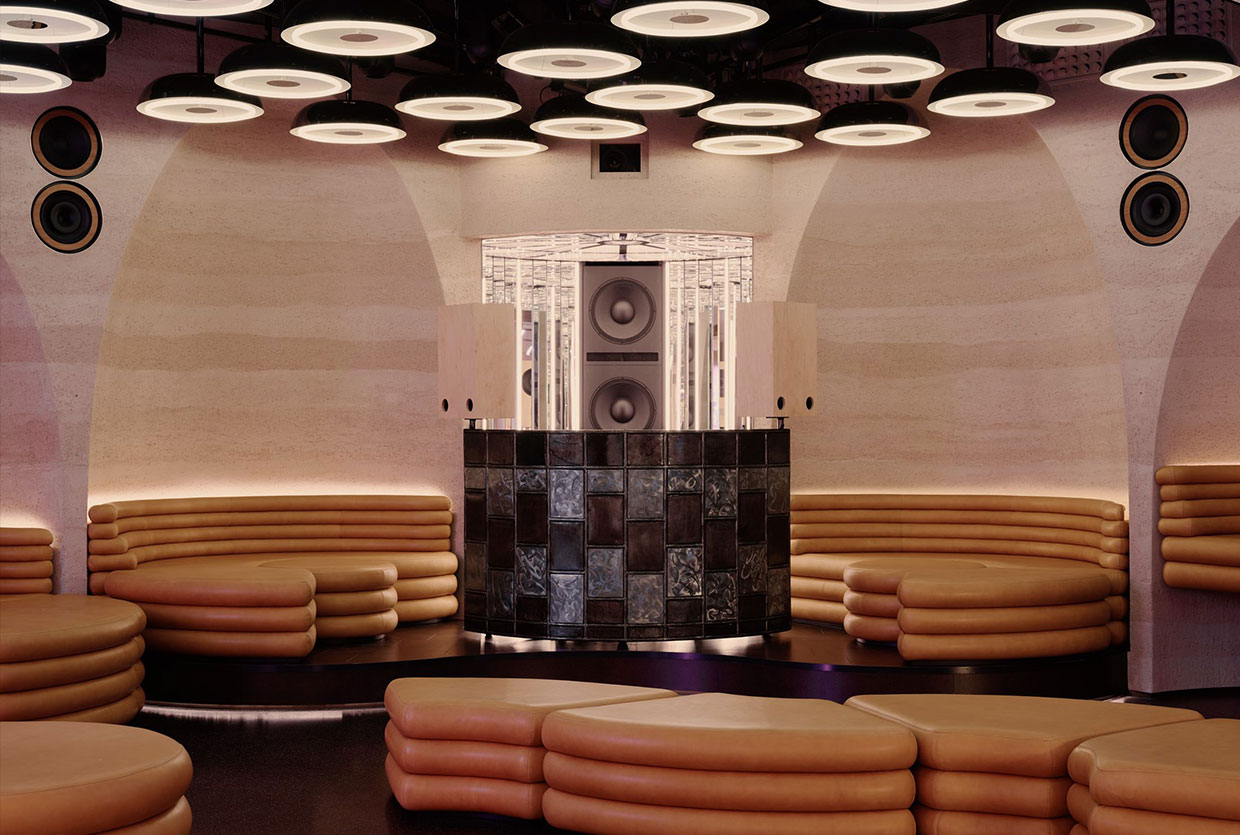
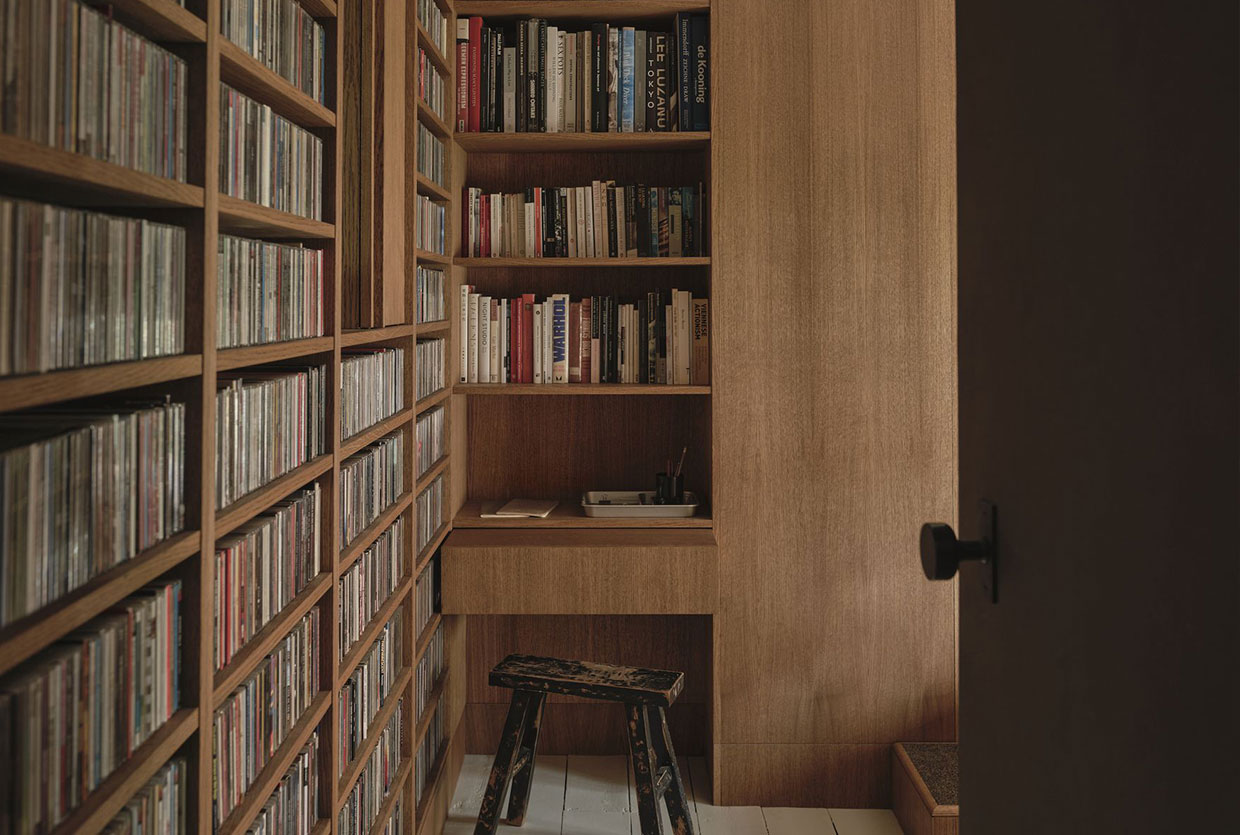
The corporate cathedral is being dismantled. For decades, the professional world operated under the assumption that productivity was a byproduct of uniformity—rows of identical desks, fluorescent lighting that hummed with a sterile persistence, and the unmistakable "office gray" that seemed to leach the color from one’s creative spirit. But as we peer into the horizon of 2026, the question is no longer whether we should return to the office, but rather: what must an office become to earn the commute?
The traditional office isn’t just dying; it is being replaced by a more soulful, human-centric incubator. We are witnessing a shift where the workspace is no longer a destination for mere "output," but a curated environment for connection and collective inspiration. At the heart of this revolution is Mouthwash Studio’s new LA headquarters—a space that doesn't just house a team, but nurtures a culture.
Mouthwash Studio’s LA HQ redefines the workspace by adopting a "domestic approach," featuring zones like a living room and kitchen to prioritize human connection over corporate convention. This shift isn't merely aesthetic; it is a strategic response to a changing workforce. Design forecasts indicate that by 2026, 85% of emerging creative agencies will prioritize these "domestic-style" interiors over traditional layouts to enhance employee retention and foster organic dialogue.
Inside Mouthwash Studio: A Case Study in Domestic Design
Nestled in the vibrant architectural tapestry of LA’s Chinatown, the Mouthwash Studio HQ—designed in collaboration with Aunt Studio—serves as the definitive blueprint for the next decade of workplace design. The project moves away from the "open-plan" chaos of the 2010s, instead embracing a philosophy inspired by Sir John Soane’s Museum: the "Cabinet of Curiosities."
Rather than a singular, cavernous room, the studio is articulated through five distinct domestic zones: the Living Room, Dining Room, Bar, Kitchen, and Workspace. This zoning acknowledges that the human brain requires different environmental stimuli for different tasks. Deep focused work happens in the "Workspace," while the "Dining Room" becomes the theatre for collaborative brainstorming.
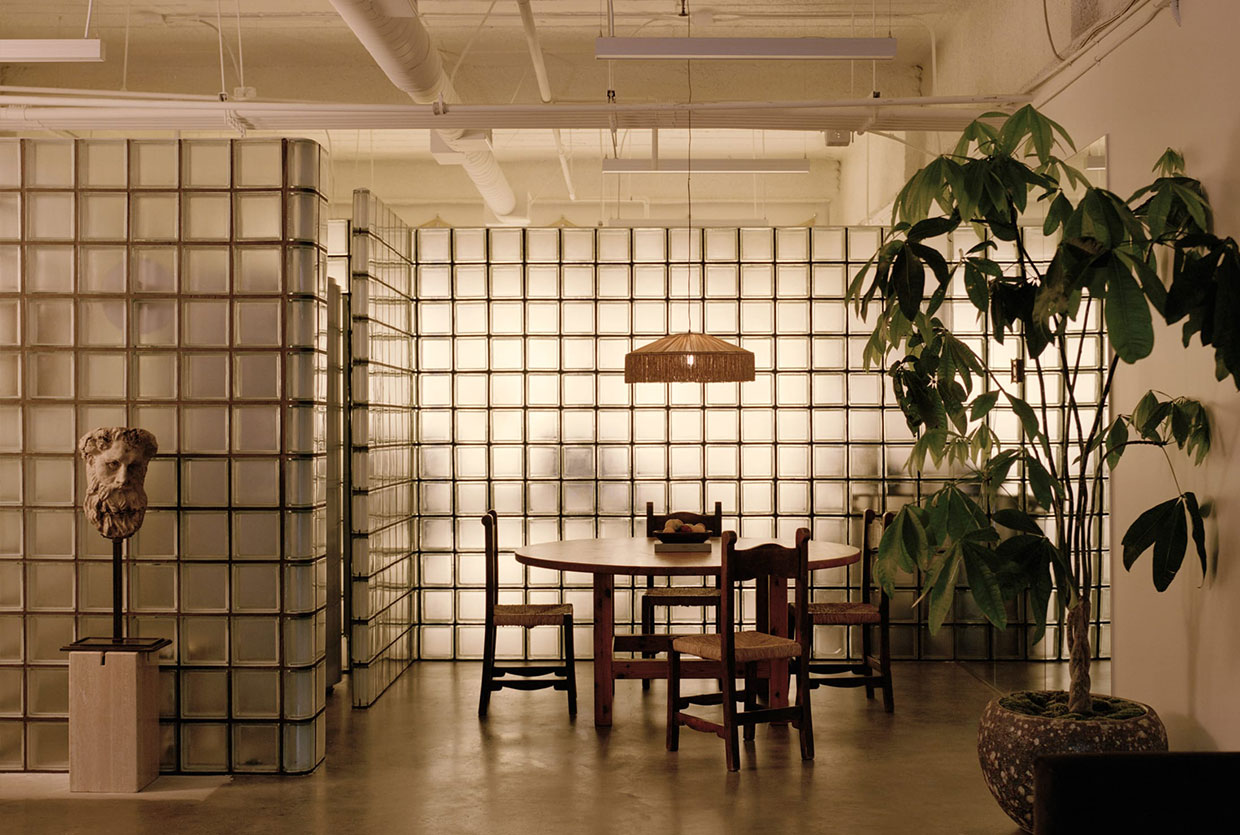
Architecturally, the studio pays homage to the iconic Maison de Verre. The use of glass block partitions allows the space to feel interconnected yet private, washing the interior in a diffused, crystalline glow that changes throughout the day. It is an exercise in "soft architecture"—where boundaries are defined by light and materiality rather than drywall.
Key Design Elements of the Studio:
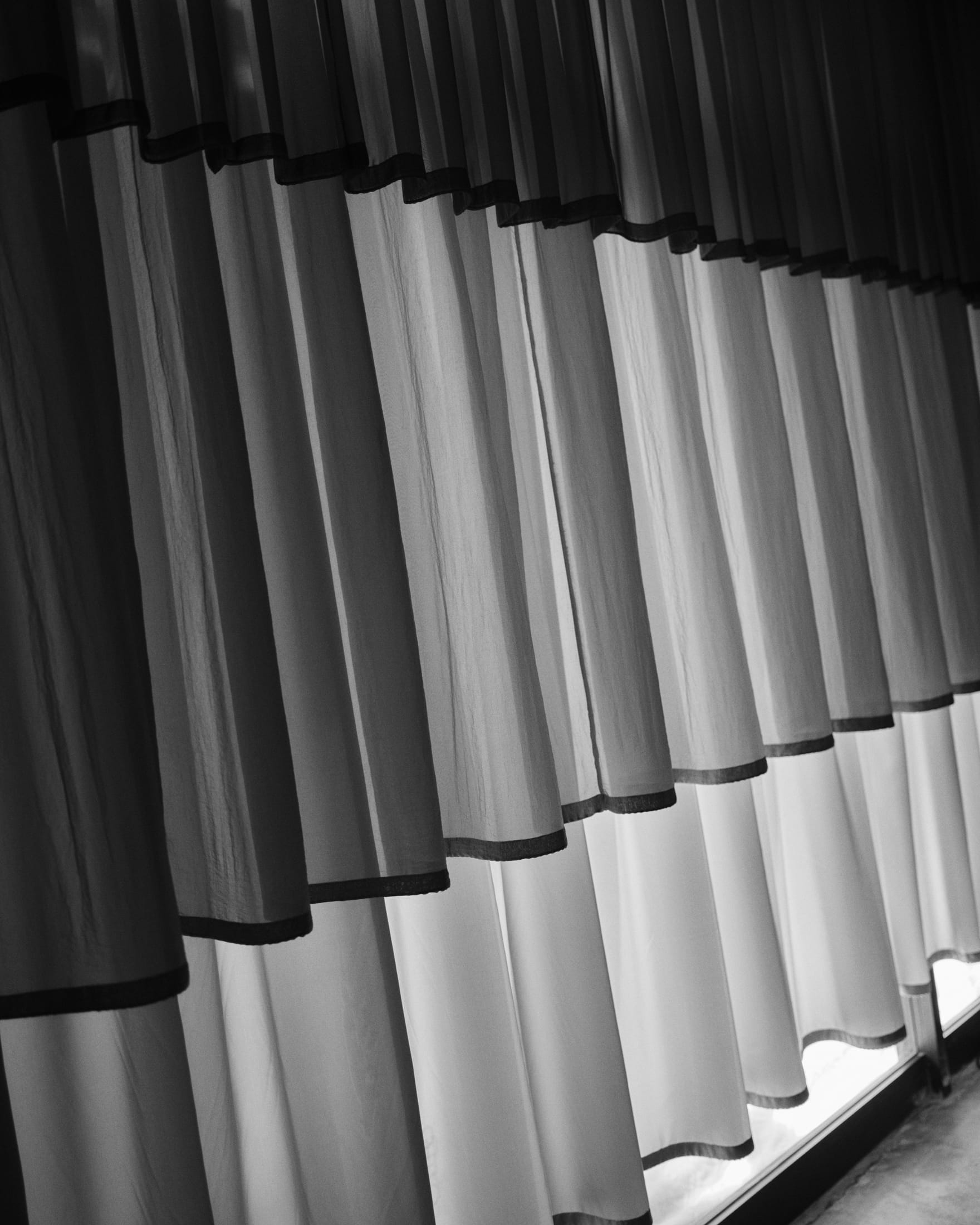
- The Layered Eye Curtain: A custom textile installation that provides soft acoustic dampening and a sense of theatrical mystery.
- Walnut Curio Cabinets: Integrated storage that doubles as a rotating exhibition of the team’s inspirations.
- Local Collaboration: The space features functional art from local creators like Lily Clark and John Zabawa, grounding the studio in its specific geographic and cultural context.
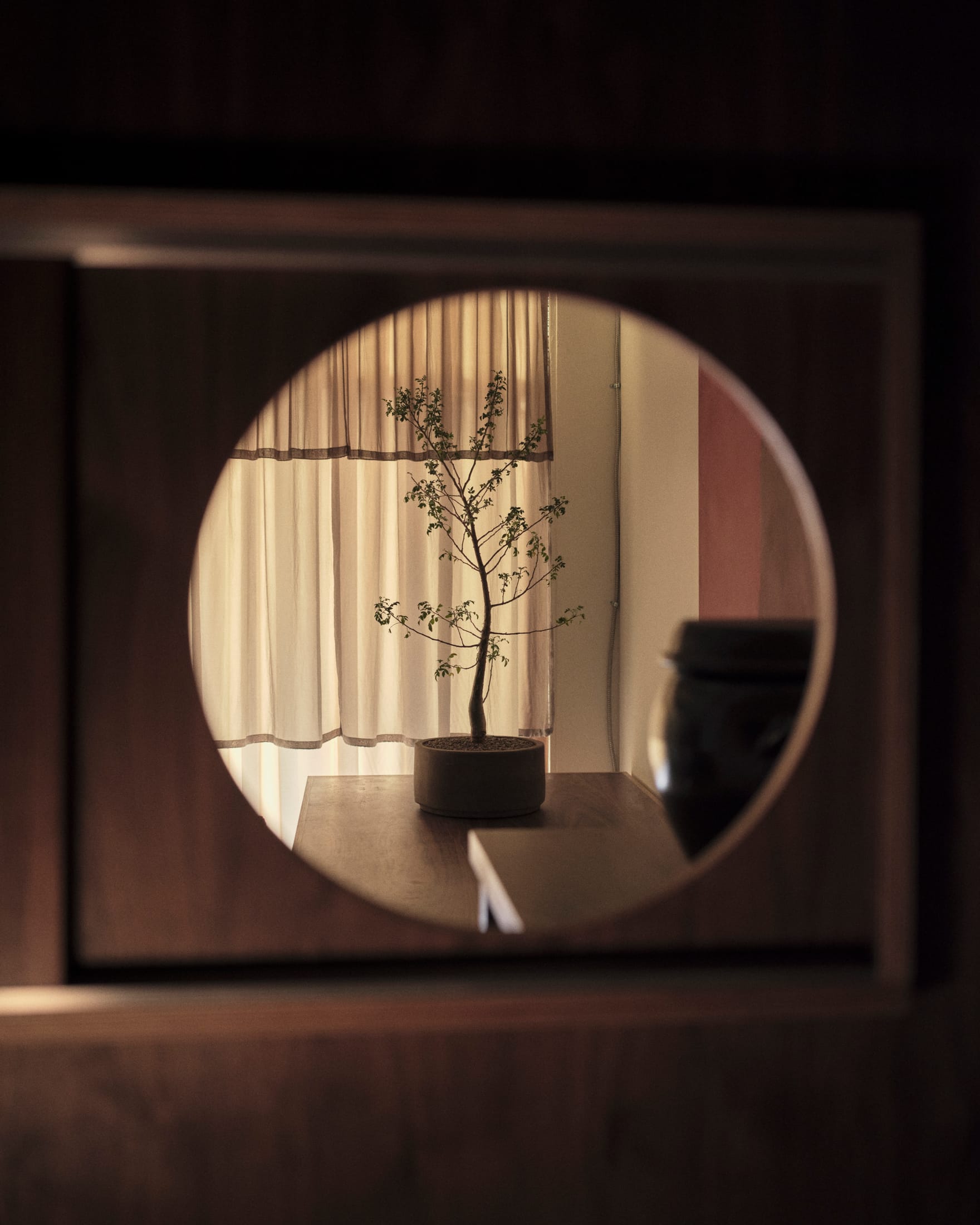
2026 Trend 1: Bio-Inspired Palettes & Sensory Richness
The first major trend we are tracking for 2026 is the total abandonment of "Corporate Gray." In its place, designers are reaching for bio-inspired palettes—think sage greens, sun-baked terracottas, and deep ochres. These aren't just trendy colors; they are neurological tools.
Studies on office color psychology suggest that incorporating these nature-based hues can lead to a 30% reduction in workplace cognitive stress compared to standard grayscale environments. A human-centric environment focuses on reducing this stress by creating intimate spaces that feel safe and grounded.
Ivy’s Pro-Tip: Sensory Layering To future-proof your own workspace, look beyond the visual. 2026 design is about tactility. Replace cold laminate surfaces with brushed wood, cork, or felt. Using sensory-rich materials is projected to reduce "digital fatigue"—that specific exhaustion from staring at screens all day—by up to 24%.
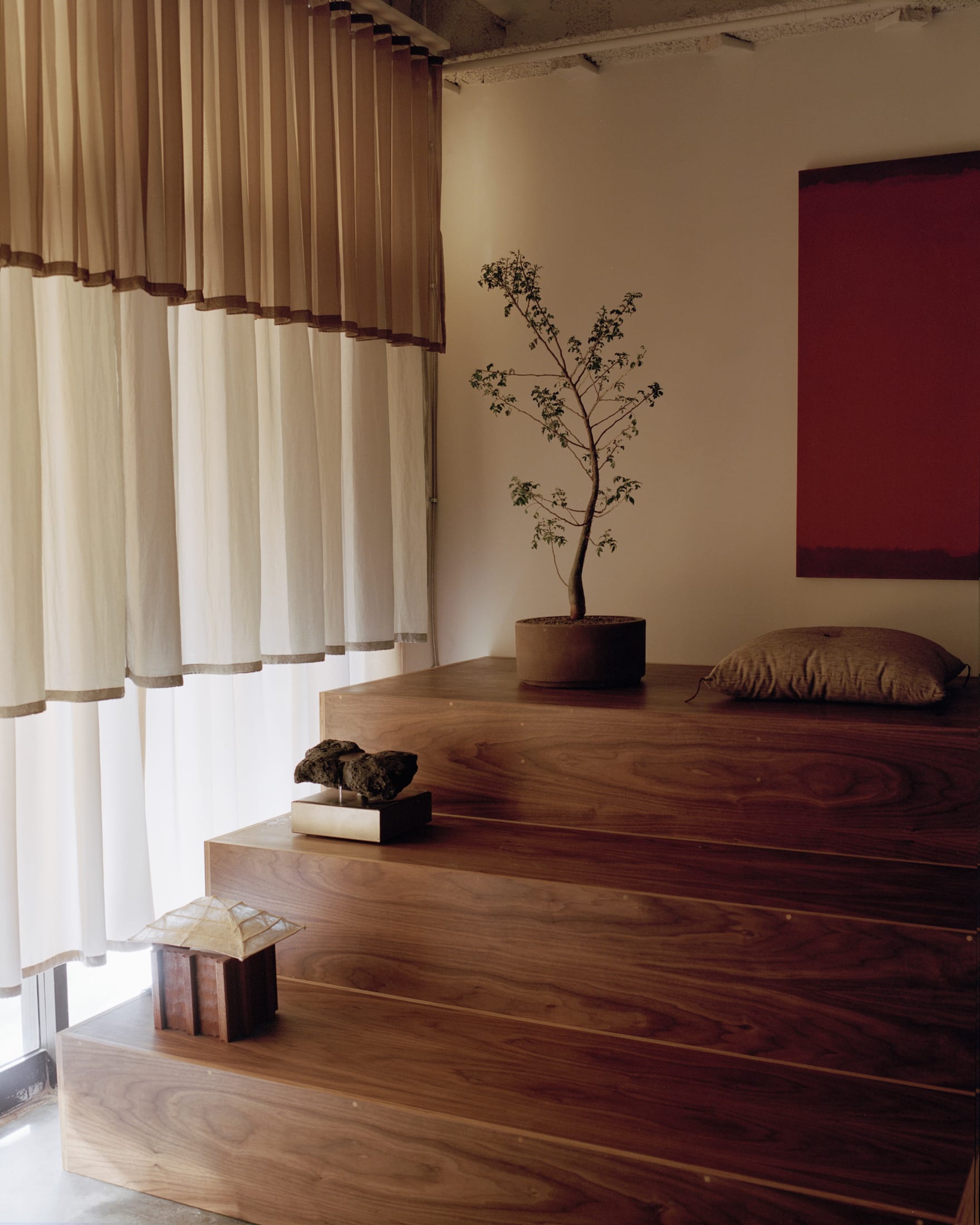
2026 Trend 2: The Smart & Adaptive Environment
The office of 2026 is a living organism. It utilizes data-driven smart systems to monitor occupancy and wellbeing in real-time, adjusting itself to the needs of the inhabitants. Gone are the days of the "thermostat wars"; the future is personalized.
We are seeing the rise of "Invisible Tech"—wireless charging surfaces embedded in stone countertops, and circadian lighting systems that mimic the natural movement of the sun to keep energy levels stable. These environments are inherently modular; desks and partitions are designed to be reconfigured as a team grows or shifts from a collaborative "sprint" to a quiet "contemplation" phase.
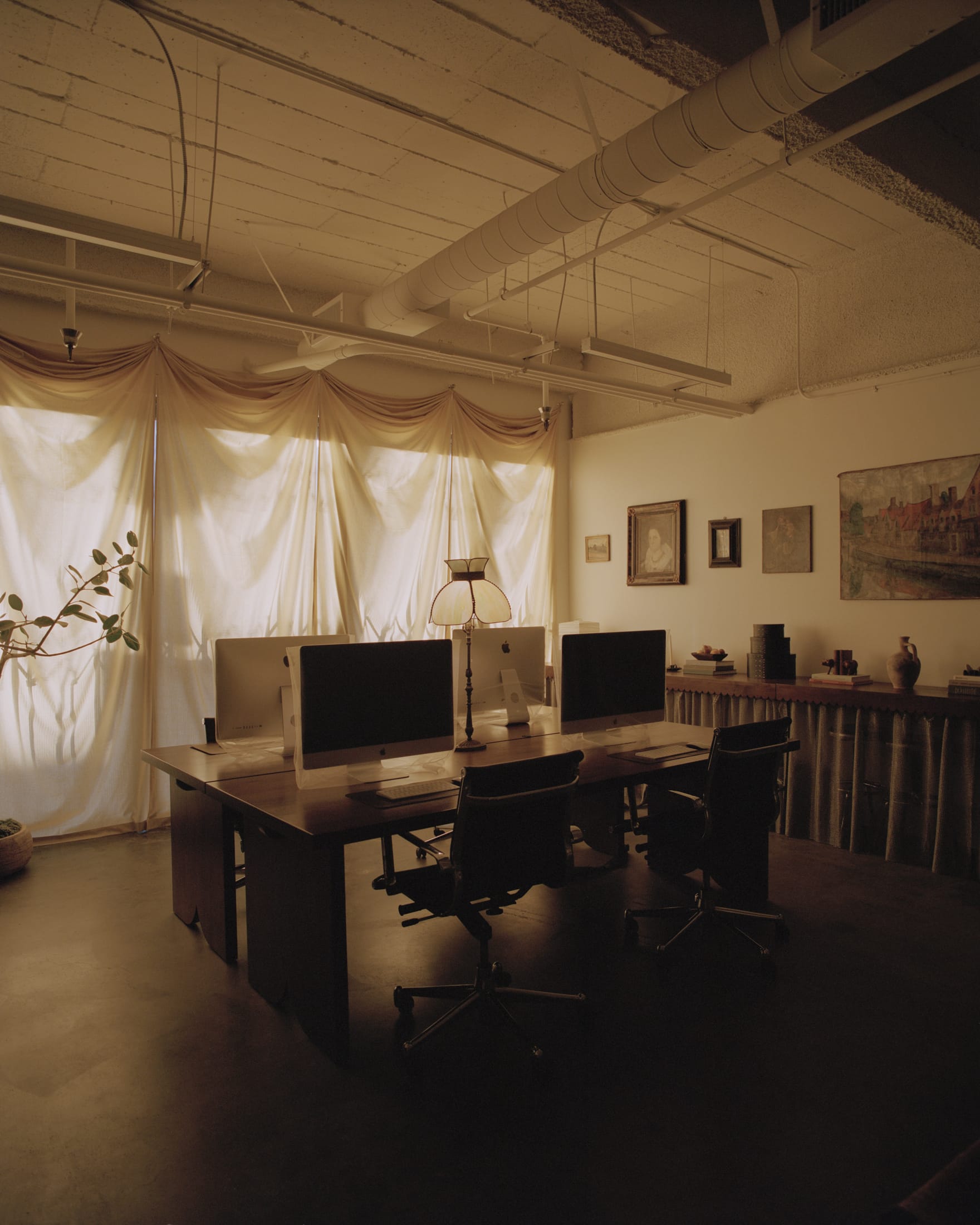
2026 Trend 3: Sustainability and Mass Timber
Sustainability has moved from a "nice-to-have" to the very foundation of the modern HQ. The most significant architectural shift for 2026 is the replacement of concrete and steel with mass timber. Not only does this reduce embodied carbon by 20% or more, but it also taps into our innate biophilia—our psychological need to be near natural materials.
The Sustainability Checklist for 2026:
- Mass Timber Structures: Prioritizing cross-laminated timber (CLT) for warmth and carbon sequestration.
- Circular Economy Textiles: Using upholstery made from 100% post-consumer recycled ocean plastics.
- FSC-Certified Wood: Ensuring every walnut grain or oak plank can be traced back to a responsibly managed forest.
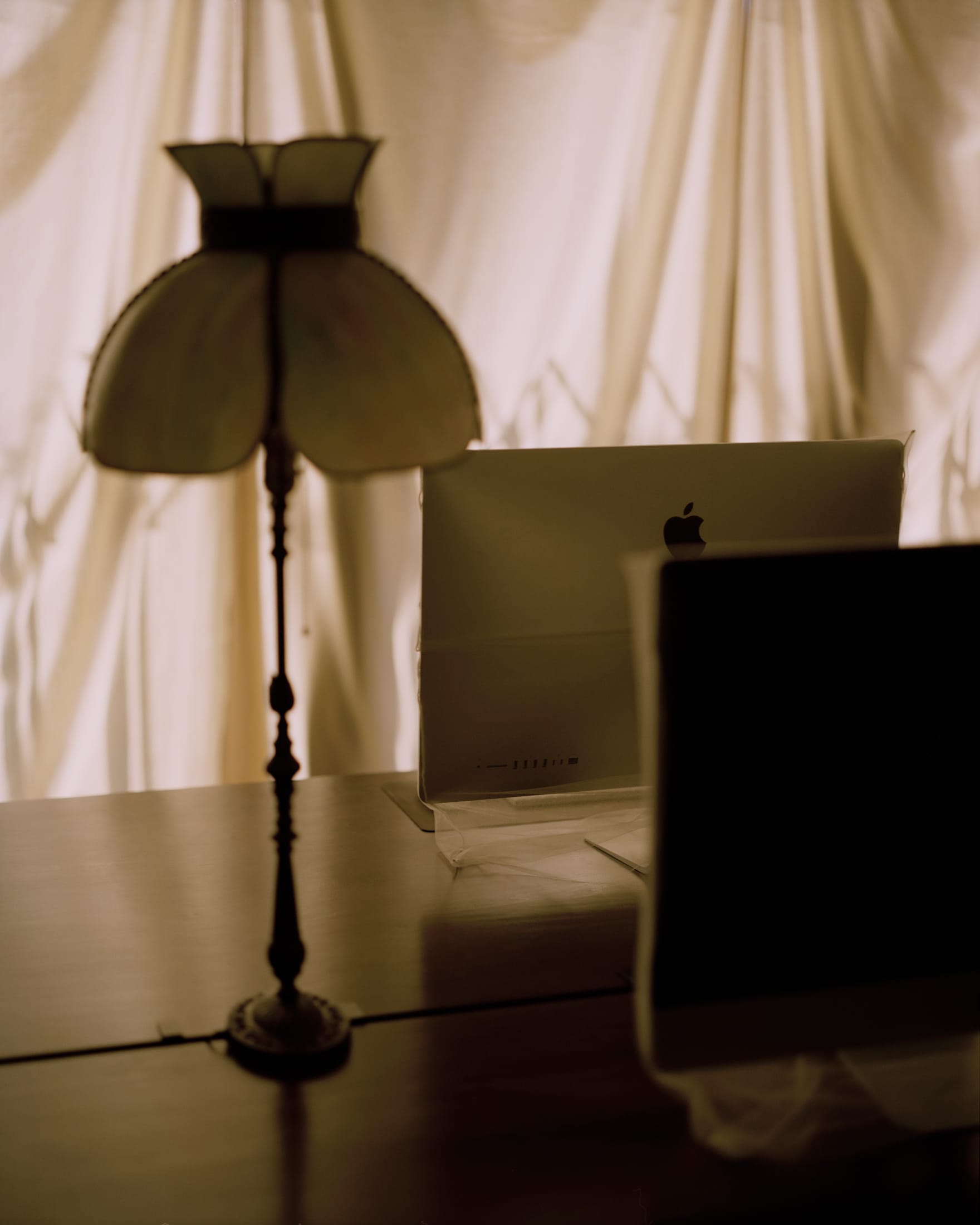
Traditional Office vs. The 2026 Human-Centric Workspace
| Feature | Traditional Office (The Past) | Human-Centric HQ (The Future) |
|---|---|---|
| Primary Goal | Maximizing headcount per square foot | Maximizing human connection & wellbeing |
| Color Palette | Grays, whites, and corporate blues | Sage, terracotta, and warm wood tones |
| Tech Integration | Visible wires and clunky hardware | Invisible, AI-driven "Smart" systems |
| Materiality | Plastic, laminate, and synthetic carpet | Cork, mass timber, and natural stone |
| Structure | Fixed desks and cubicles | Modular, domestic zones (Kitchen, Living Room) |
Implementation: How to Future-Proof Your Space
Transitioning to a 2026-ready workspace doesn't require a total demolition. It starts with a shift in mindset. Before picking out furniture, conduct a "Cultural Audit." Ask your team: What can this space provide that a home office cannot? Usually, the answer is spontaneous collaboration and a sense of shared identity.
Your Phased Rollout Plan:
- Phase 1: The Sensory Shift. Replace one bank of desks with a "Living Room" zone. Introduce bio-inspired colors through soft furnishings and plants.
- Phase 2: The Material Upgrade. Swap out synthetic surfaces for tactile materials like cork or wood. Integrate acoustic felt panels to manage the "open plan" noise.
- Phase 3: The Tech Integration. Move toward smart lighting and invisible charging stations to remove visual clutter and friction.
The traditional office isn't dead—it’s just finally growing up. By looking at Mouthwash Studio, we see that the future of work isn't about more technology; it's about more humanity. It’s about creating a space where the "commute is earned" because the environment itself makes us better, more creative versions of ourselves.
FAQ
Q: Is the "domestic approach" practical for large corporations with hundreds of employees? A: Absolutely. While a 500-person office can't be one single "living room," it can be broken down into "neighborhoods." Each neighborhood functions like a domestic hub with its own kitchen and social zone, creating the intimacy of a small studio within a large organization.
Q: How much does it cost to transition to a bio-inspired palette? A: Paint and textiles are the most cost-effective ways to transform a space. You don't need a full renovation to replace "corporate gray" with sage or terracotta. Starting with acoustic panels and accent walls can achieve that 30% stress reduction without a massive capital expenditure.
Q: Why is mass timber becoming so popular in office design? A: Beyond the carbon-saving benefits, mass timber provides an immediate sense of warmth and "home" that concrete simply cannot replicate. It’s the ultimate biophilic material, and in a 2026 market, it significantly increases the "attractiveness" of a workspace to top-tier talent.