Quick Facts
- Location: Beckington, Somerset, UK.
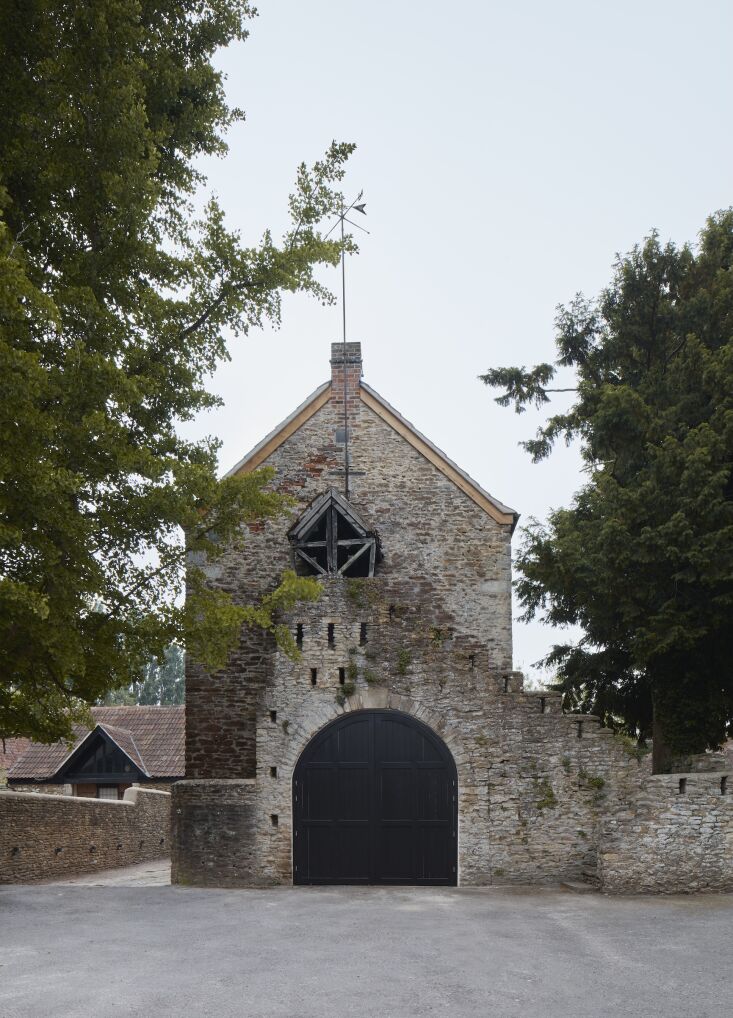
- Original Structure: Grade II listed 16th-century wool trade building.
- Renovation Architect: Tuckey Design Studio.
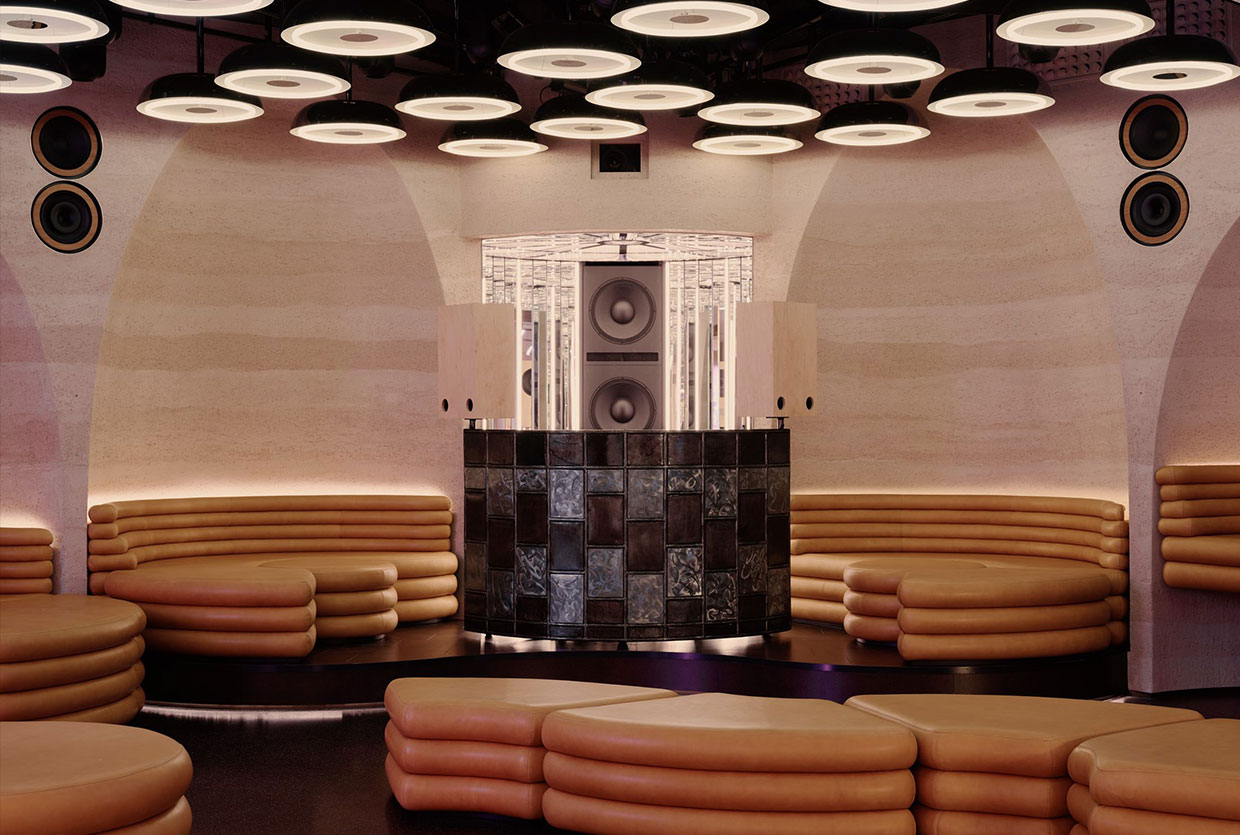
- Legacy: Former legendary recording studio for The Smiths, Van Morrison, and Tears for Fears.
- Purpose: A hybrid creative workspace and residential retreat.
- Key Innovation: 40% improvement in thermal efficiency via sustainable lime and cork insulation.
- 2026 Design Philosophy: "Monastic Beauty"—prioritizing texture, acoustic balance, and activity-based working over sterile minimalism.
Stepping into the Wool Hall in Beckington, Somerset, is like walking through a physical timeline of British creative history. Originally built in the 1580s to serve the regional wool trade, the structure gained international fame in the 1980s and 90s as the sonic birthplace of era-defining albums by The Smiths and Van Morrison. However, by the time Tuckey Design Studio was commissioned for its latest transformation, the building was a "cold and leaky" shell, struggling to reconcile its storied past with the demands of modern efficiency.
Wool Hall is a Grade II listed building in Beckington, Somerset, transformed by Tuckey Design Studio from a historic recording studio into a hybrid living and creative workspace. This project doesn't just renovate; it reimagines what a "headquarters" can be in a post-corporate world. It serves as a masterclass in adaptive reuse, proving that we don't need to sacrifice historical integrity to achieve cutting-edge sustainable performance.
The Restoration: Sustainable Innovation Meets 1580s Craftsmanship
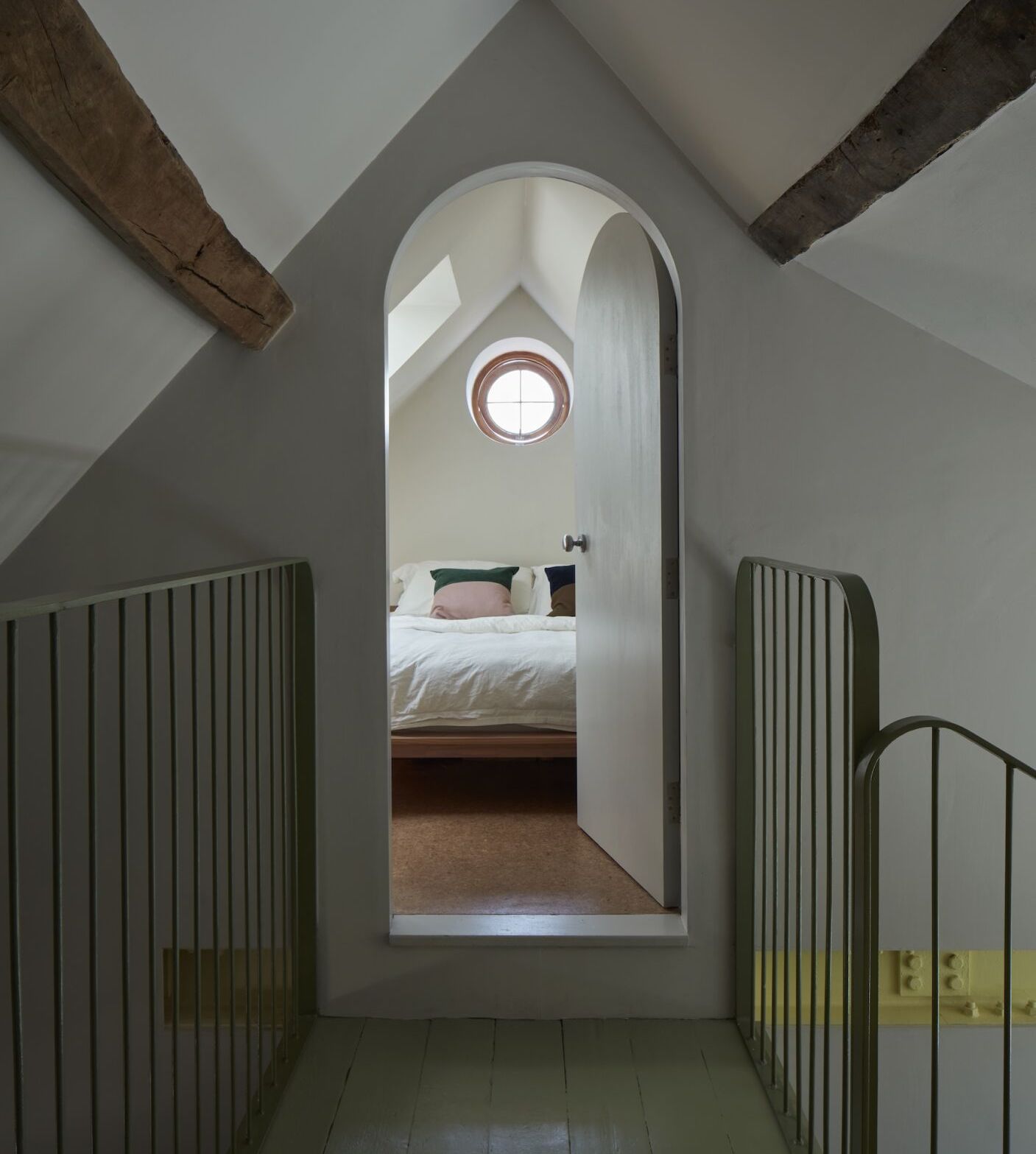
The primary challenge of any Grade II listed renovation is the tension between preservation and performance. For Tuckey Design Studio, the goal was to heal the building’s fabric without erasing its soul. This required a meticulous restoration of the architectural "bones." The team successfully restored over 90% of the original 1580s Gothic windows, ensuring the building’s skeletal beauty remained intact while upgrading the glazing for modern thermal standards.
The renovation utilized sustainable materials like lime and cork insulation and 'brick rugs' made from 100% salvaged construction materials to maintain ecological integrity. This approach represents a shift in how we view "luxury" in architecture—not as expensive imported stone, but as the thoughtful, labor-intensive reuse of what is already there.
Architect’s Insight: "We wanted to avoid the 'museum' feel. The goal was to create a space that felt both ancient and inevitable, where the materials do the heavy lifting of telling the story," says the design team.
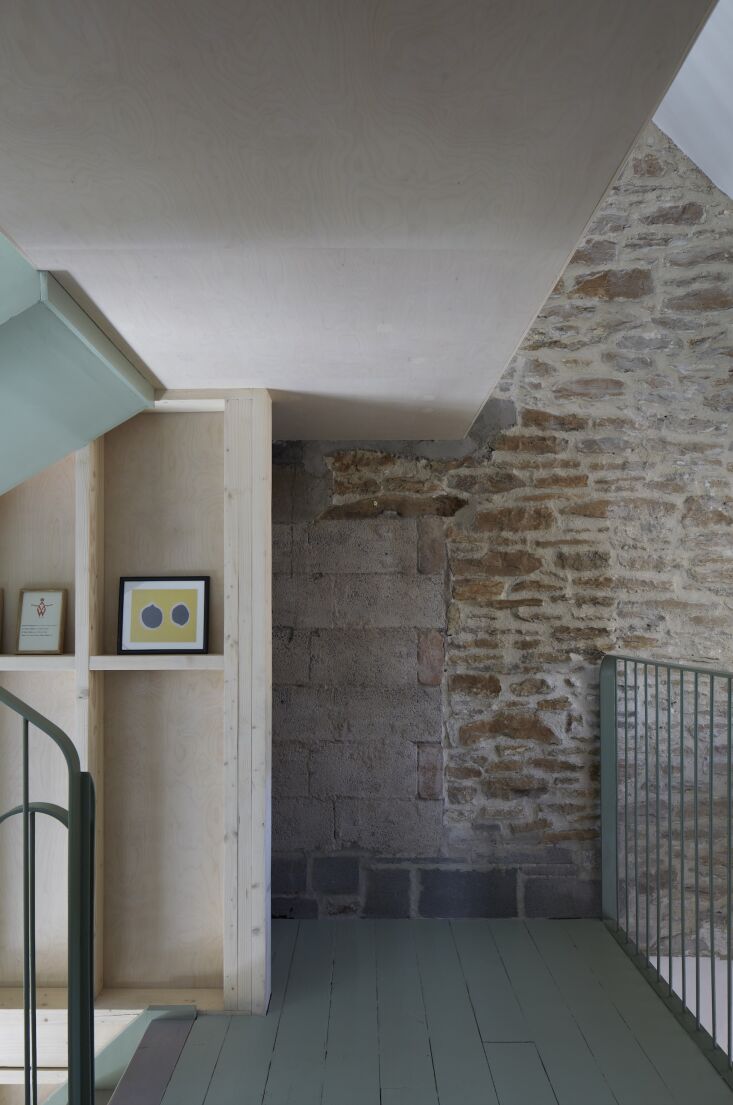
The technical achievement here is staggering. By applying a sustainable lime and cork insulation mixture (Diathonite Thermactive) to the interior stone walls, the project achieved a 40% improvement in thermal efficiency. This breathable insulation allows the historic stone to "sweat" naturally, preventing the dampness that often plagues ancient British masonry, while creating a cozy, high-performance interior envelope.
Mapping the 2026 Workspace: Why Wool Hall is the Future
As we look toward 2026, the "Apple Store Aesthetic"—white walls, glass partitions, and clinical lighting—is officially a relic of the past. Today’s creative class seeks warmth, depth, and what I call "sensory grounding." Key 2026 workspace trends featured in the Wool Hall project include biophilic design, activity-based working (ABW), and advanced acoustic balance for hybrid productivity.
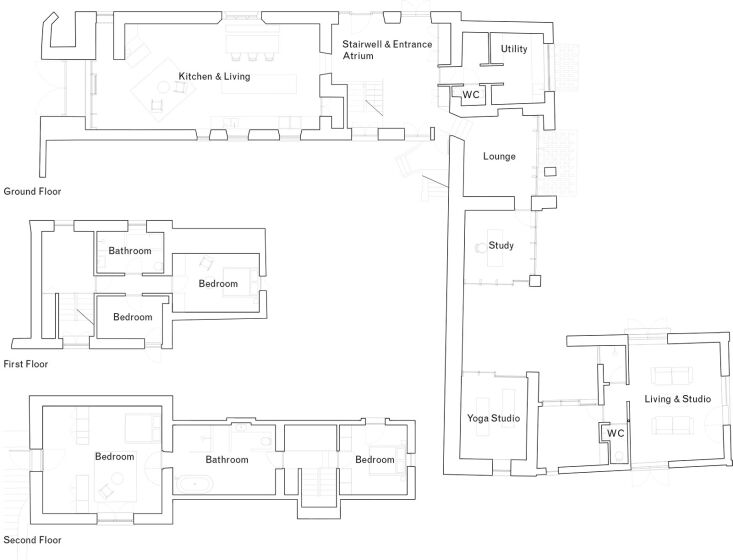
The layout of Wool Hall follows a clever "Z" configuration. This spatial flow creates "sight lines" that encourage spontaneous collaboration—those "water cooler moments" we lost during the remote-work era—while maintaining enough physical separation to allow for deep, focused work.
| Feature | Traditional Minimalist Office (2010s) | The Wool Hall Paradigm (2026) |
|---|---|---|
| Materiality | Synthetic, polished, reflective | Organic, matte, porous |
| Acoustics | High reverb, noisy open-plan | Diffused sound, "soft" surfaces |
| Work Model | Fixed desks | Activity-Based Working (ABW) |
| Technology | Visible and dominant | "Invisible" and integrated |
| Atmosphere | Clinical and energetic | Monastic and grounding |
Materials of the New Creative Era
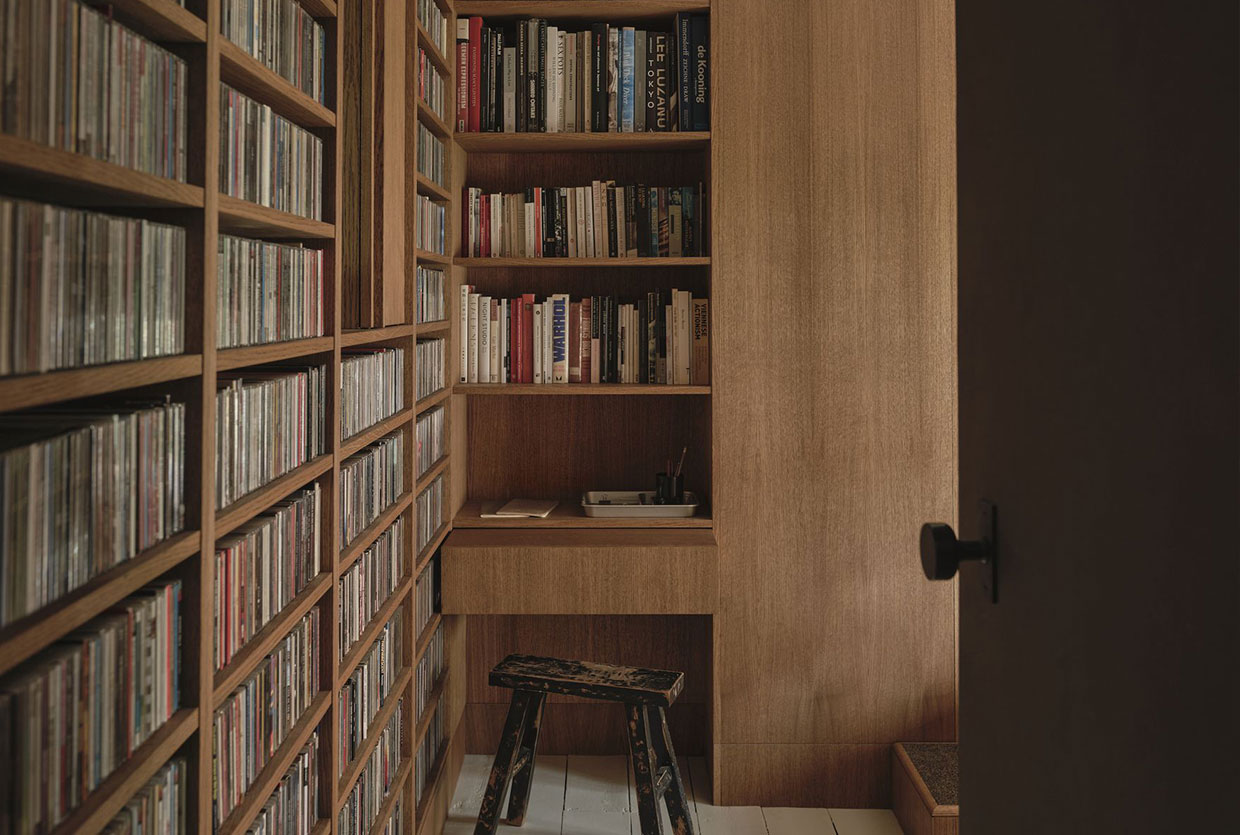
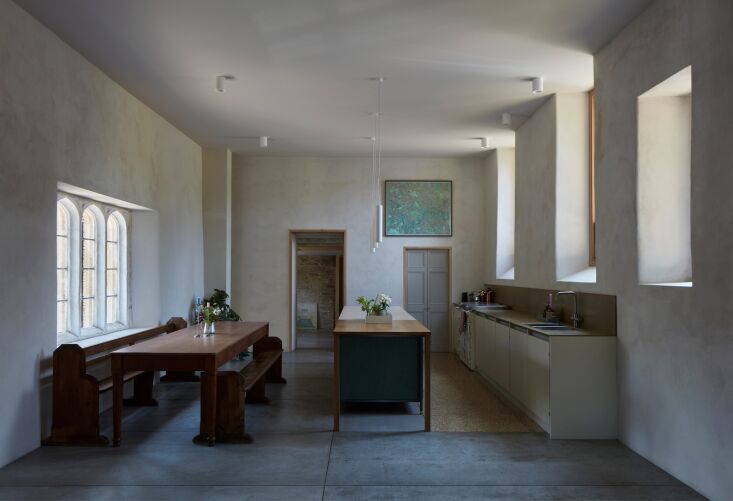
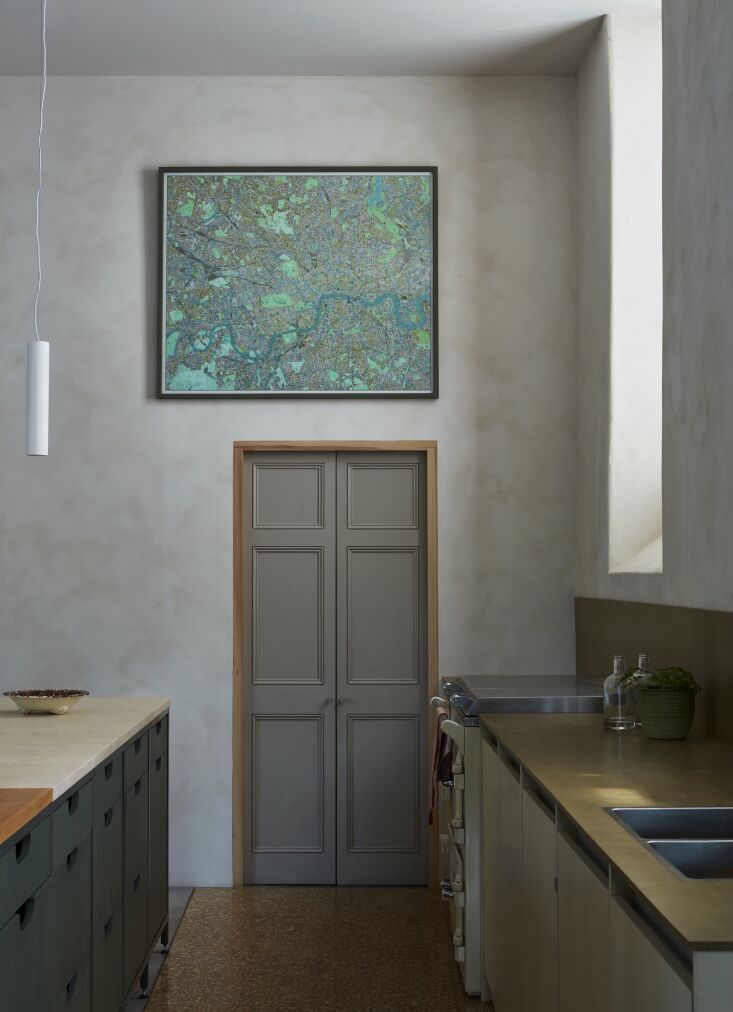
Inside the kitchen and living hub, the aesthetic is one of "monastic beauty." Tuckey Design Studio opted for Viroc—a cement-bonded particle board—and Granorte cork. These materials were chosen not just for their sustainability, but for their ability to absorb sound and light, creating a quiet, moody atmosphere that fosters creativity.
Instead of sterile, painted surfaces, the kitchen elements feature plywood drawers treated with Osmo pigment stains. This technique allows the natural grain of the wood to remain visible, offering a tactile "hand-finished" quality that is deeply comforting.
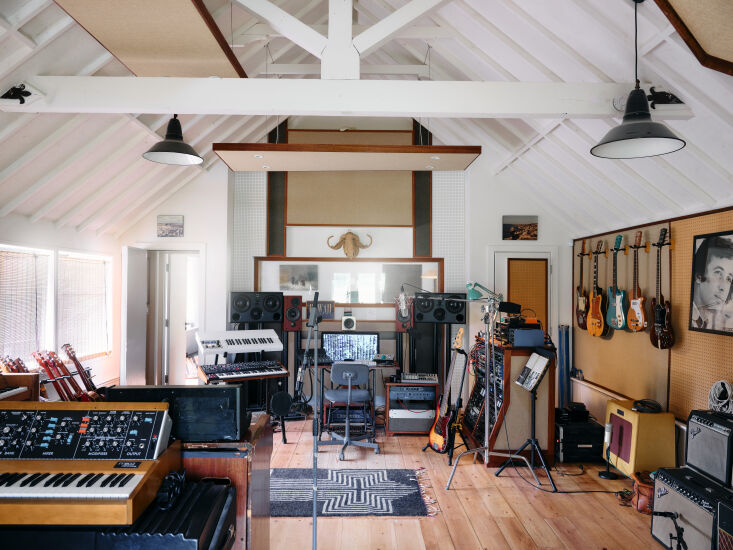
Despite its 16th-century shell, Wool Hall is a high-tech engine. One of the most impressive feats is the integration of "Invisible Technology." The new recording studio and editing suites are equipped with state-of-the-art fiber optics and acoustic treatments, yet they remain hidden within the historical aesthetic. There are no dangling cables or glowing server racks to disrupt the visual peace of the limestone walls.
Architecture of the Second Life: Adaptive Reuse in Action
The project didn't just deal with the 1580s structure; it also had to harmonize "clunky" 1980s extensions. Tuckey Design Studio used red-stained timber cladding to wrap these additions, a color choice that echoes the original terracotta roof tiles and creates a cohesive visual identity across the disparate eras of the building.
A standout design detail is the "Brick Rug" concept. By using salvaged construction waste and reclaimed bricks, the architects created "rugs" embedded in the floor to mark thresholds. These aren't just decorative; they are a physical manifestation of the building’s history, marking the transition from the ancient wool hall to the modern workspace.
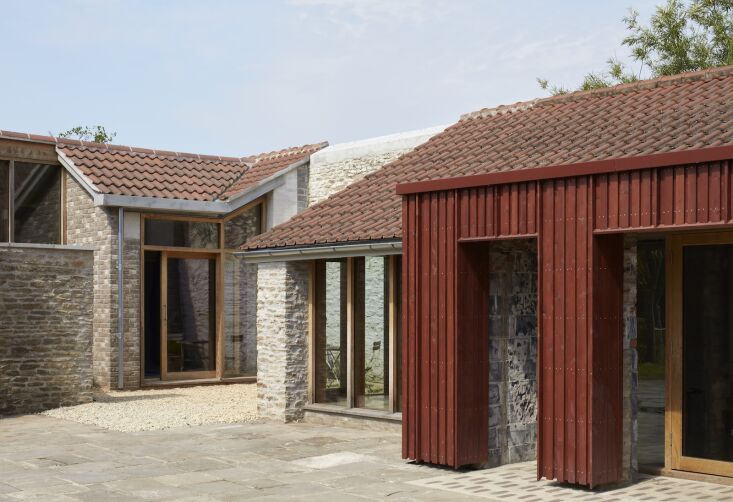
Finally, the Wool Hall acknowledges a vital truth for 2026: the most productive creative spaces include "Analog Rooms." These are tech-free retreats—the back lounge and the central courtyard—where employees and residents can disconnect from the digital world. In an age of permanent connectivity, the luxury of silence and the absence of screens is perhaps the ultimate productivity tool.
Conclusion: Does Wool Hall Earn the Commute?
In an era where many are questioning the need for physical offices at all, Wool Hall provides a definitive answer. It "earns the commute" by offering an environment that cannot be replicated at home: a deep connection to history, a sophisticated acoustic landscape, and a material palette that nourishes the senses.
Tuckey Design Studio has successfully navigated the "venerable opposites"—history and technology, stone and cork, private retreat and collaborative hub. Wool Hall stands as a pinnacle of human-centered design, showing us that the future of the workspace isn't in a skyscraper, but in the thoughtful, sustainable rebirth of our historical treasures.
FAQ
1. How does the lime and cork insulation work in an old building? Traditional insulation often traps moisture in old stone walls, leading to rot. Lime and cork plaster (like Diathonite) is "vapor-permeable," meaning it allows the building to breathe. It provides high thermal resistance while managing humidity, which is essential for preserving Grade II listed structures.
2. What is Activity-Based Working (ABW), and how is it used here? ABW is a design strategy that provides people with a choice of different settings for various activities. Instead of being chained to one desk, a user at Wool Hall might start their morning in the "monastic" kitchen for coffee and emails, move to the recording studio for collaborative work, and end the day in the "Analog" lounge for deep thinking.
3. Is this type of renovation applicable to smaller residential projects? Absolutely. While Wool Hall is a large-scale project, the use of Viroc, cork flooring, and pigment-stained plywood are excellent, cost-effective ways to bring "monastic beauty" and sustainable performance to home offices or smaller renovations.