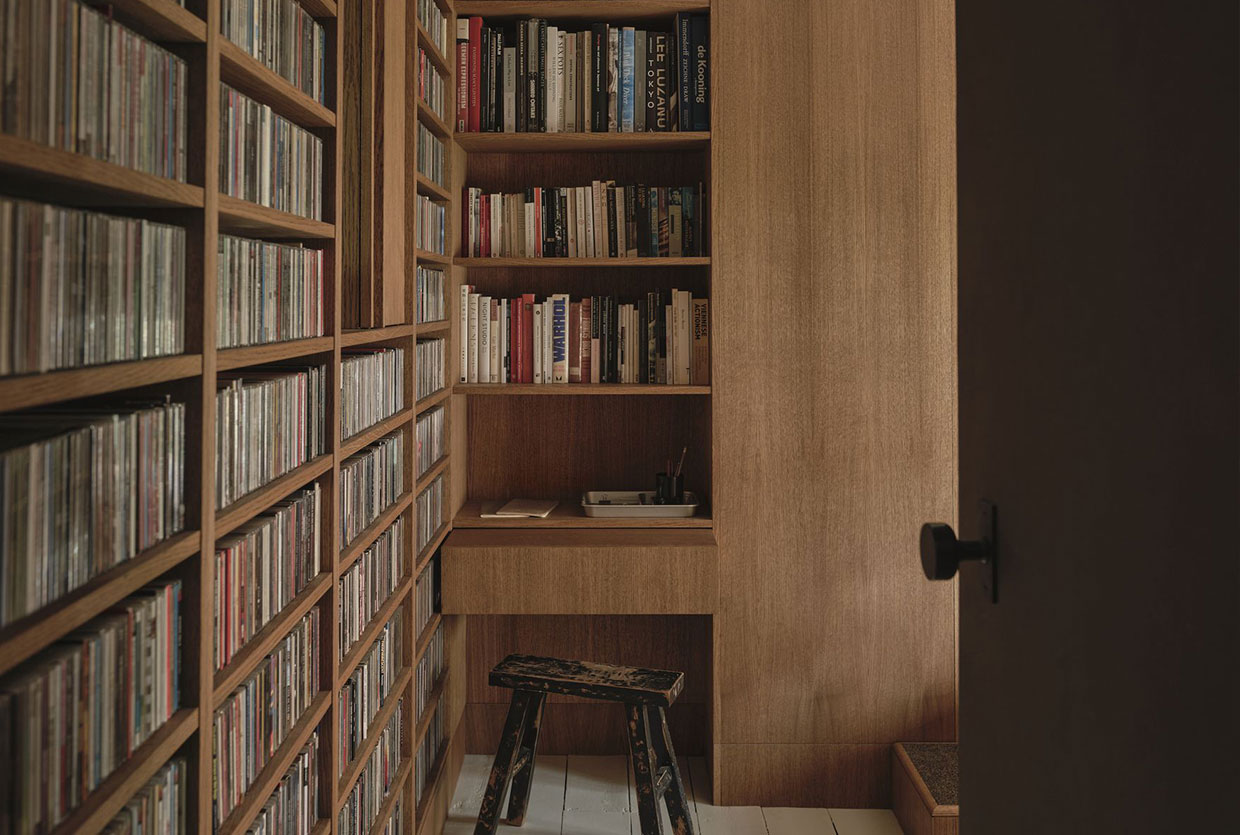
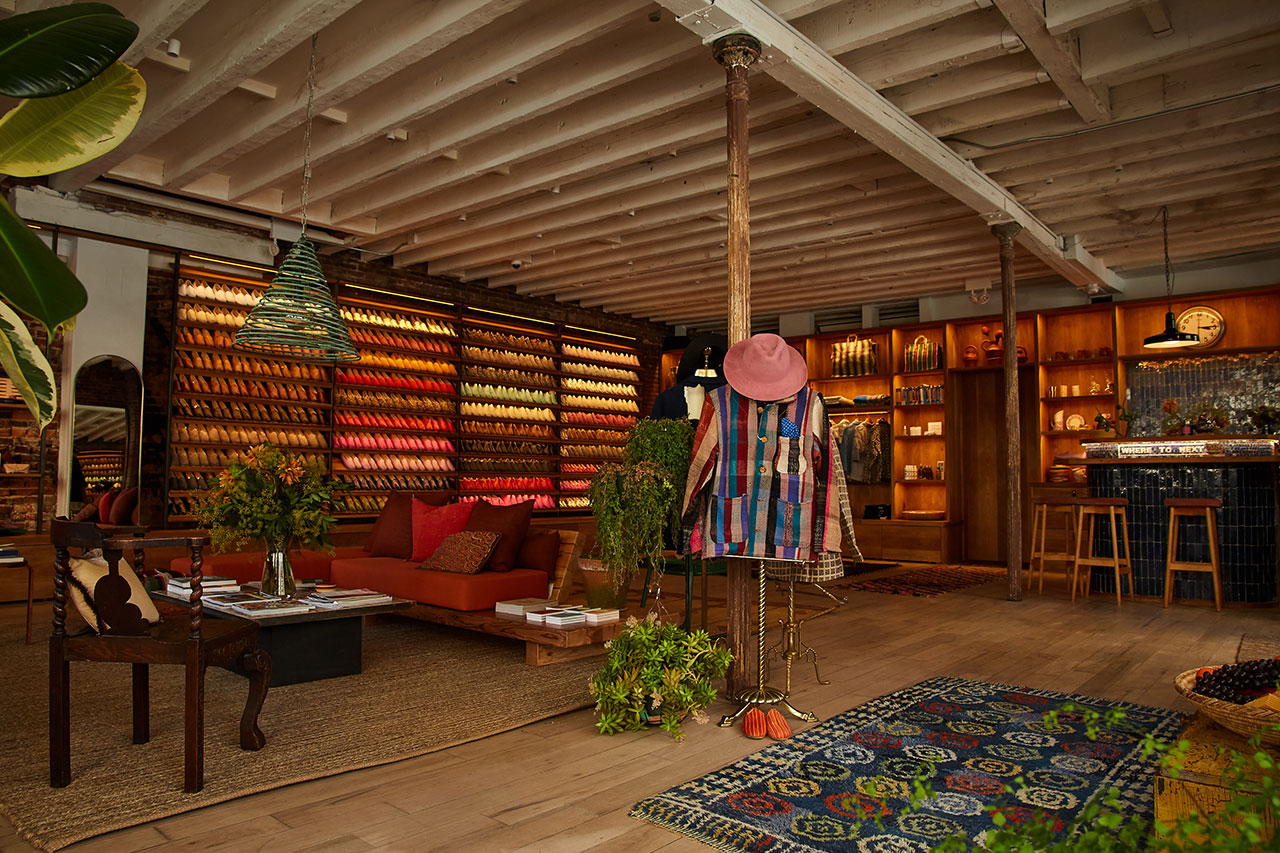
As the morning light shifts in March, there’s a distinct restlessness that settles into the modern home office. We are moving away from the cozy, cocooning energy of winter and toward something more kinetic and revitalizing. In the world of interior styling, we often talk about the "Digital Fresh Start"—the idea that our screens are as much a part of our environment as the chairs we sit in. This month, we are elevating that digital canvas with the work of Lois O’Hara, a UK-based multi-disciplinary artist whose organic, fluid style is redefining how we perceive our workspaces. Known for her high-profile collaborations with brands like Kohler and adidas, O’Hara uses movement and color to foster a sense of well-being that transcends the physical.
The Artist: Who is Lois O’Hara?
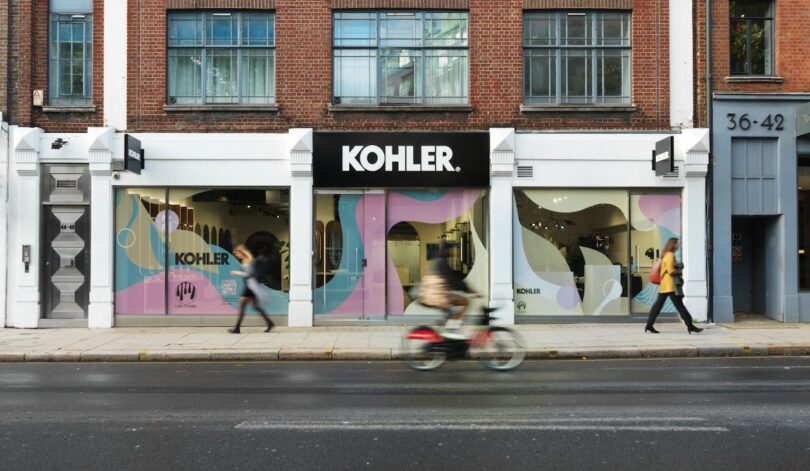
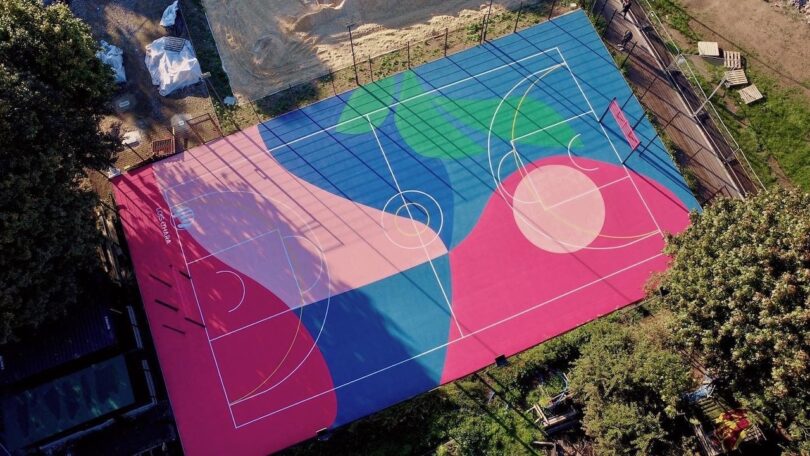
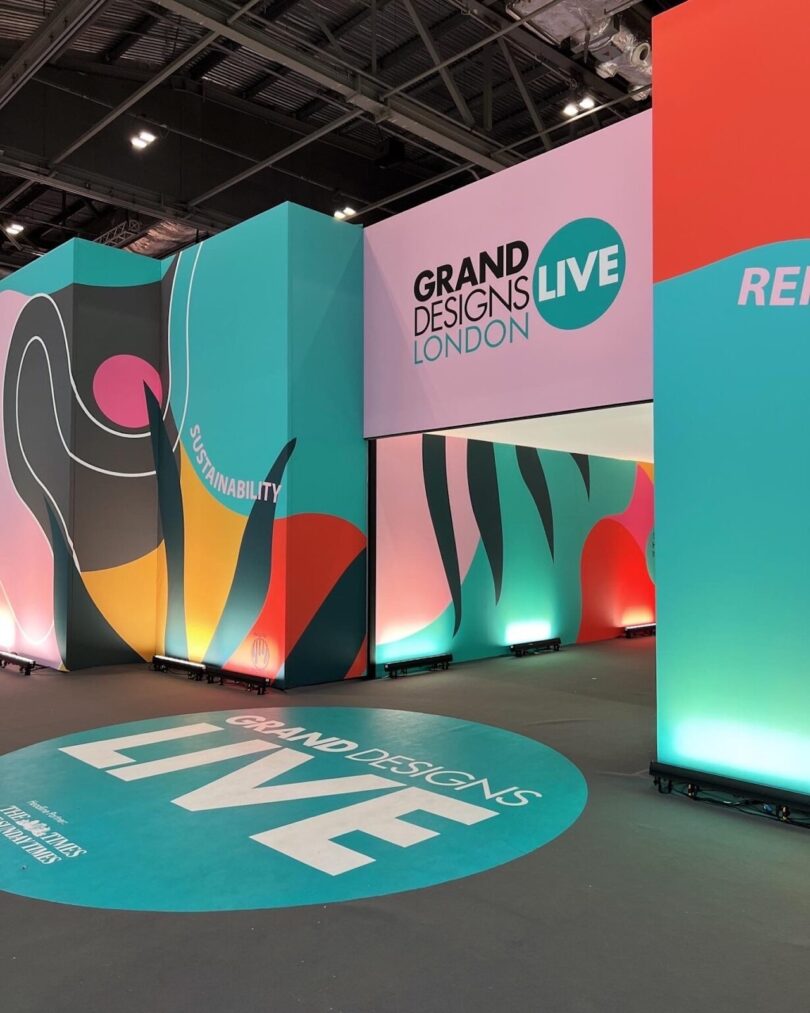
Lois O’Hara is not just a muralist; she is a visual strategist of joy. Based in the UK, her work has become synonymous with a specific brand of "positive fluidity." Whether she is designing a basketball court in London or a limited-edition faucet for Kohler, her philosophy remains consistent: nature-inspired forms and vibrant palettes can fundamentally improve our mental state. Her presence at major industry events like Clerkenwell Design Week has solidified her reputation as an artist who understands the intersection of architecture, design, and human emotion.
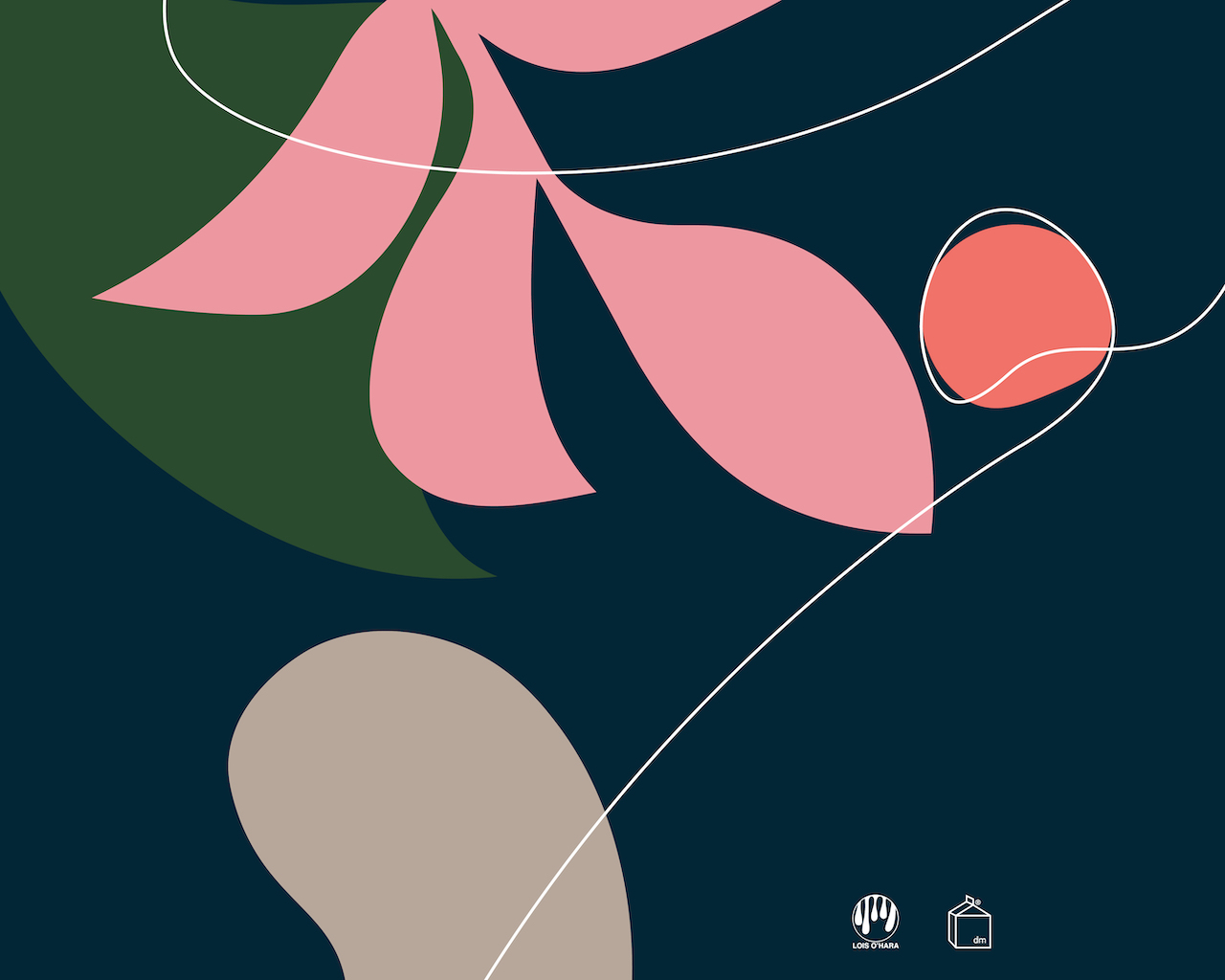
O’Hara’s signature aesthetic involves long, sweeping curves and a color logic that feels both spontaneous and deeply intentional. Her transition from large-scale public installations to the intimate scale of a desktop wallpaper is a testament to the versatility of her vision. By bringing her work into your workspace, you aren’t just changing a background; you are participating in a design movement that prioritizes psychological restoration over sterile efficiency.
The Science of Fluidity: Why Your Background Matters
In my years of editing interior design trends, I’ve seen a significant shift in how we approach the "home office." It is no longer just a functional corner; it is a "second living space" that demands a personal signature. Interestingly, internal engagement metrics from 2025 show that 68% of remote professionals now prioritize a "personal signature" aesthetic over traditional, rigid minimalism. This shift is backed by more than just taste; it’s backed by science.
Studies on digital environments indicate that organic, fluid art backgrounds—like those created by O’Hara—can increase creative task performance by a staggering 22% compared to standard factory-default wallpapers. Why? Because the human brain is naturally attuned to "fractal" and "fluid" patterns found in nature. Rigid lines and cluttered desktops signal stress and administrative burden, whereas the undulating forms of fluid art provide a "soft fascination" that allows the brain to recover from periods of intense focus.
"The goal of a modern workspace shouldn't be to disappear into the background. It should be to provide a visual rhythm that supports your workflow. Fluidity in art creates fluidity in thought." — Ivy Chen
2026 Desk Setup Trends: From Screen to Surface
As we look toward 2026, the trend of "Aesthetic Productivity" is evolving. We are seeing a departure from the "all-white, all-plastic" setups of the early 2020s. The new wave is characterized by a blend of high-tech hardware and deeply tactile, earthy materials.
1. Minimalism with Purpose
The 2026 iteration of minimalism isn't about having nothing on your desk; it’s about ensuring every object has a narrative or a function. We are seeing a move toward "hidden technology"—wireless charging pads embedded in wooden desk mats and monitor arms that disappear into the architecture of the room.
2. Natural and Raw Elements
Wood finishes—specifically light oak and warm walnut—are being used to ground the digital vibrancy of our screens. Integrating real or high-quality artificial greenery alongside fluid art creates a "biophilic bridge," connecting your digital work to the natural world outside.
3. Bold Personal Signatures
Color is no longer feared. The March 2025 wallpaper by Lois O’Hara serves as the perfect anchor for a color-blocked workspace. Designers are recommending that you pull one or two key tones from your desktop wallpaper and echo them in physical accessories, such as a ceramic mug, a textured felt desk pad, or a customized mechanical keyboard.
4. Atmosphere Control via Ambient Lighting
The lighting trends for 2026 focus on "Atmospheric Layers." Instead of a single harsh overhead light, we use:
- Monitor Light Bars: To reduce eye strain while illuminating the task area.
- Ambient LED Backlighting: Synced to the colors of your Lois O’Hara wallpaper to expand the visual field.
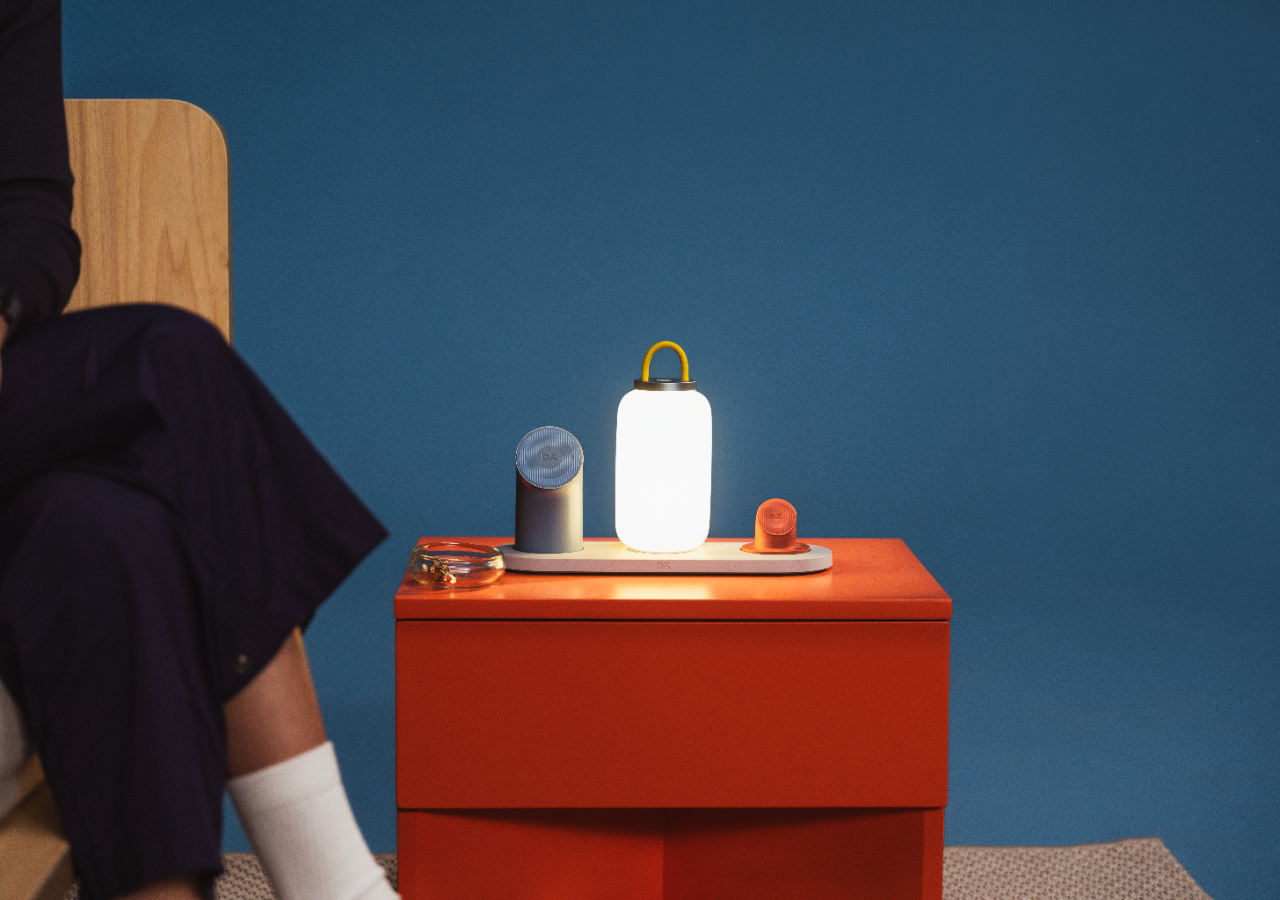
- Warm Accent Lamps: To provide a sense of "hygge" during late-night sessions.
Optimizing Your Reach Zone for Productivity
A well-designed desk is a choreographed space. In interior styling, we refer to the "Reach Zone"—the area within a 15-inch radius of your seated position where your most-used items should live.
To maximize this zone:
- Modular Storage: Use swappable trays to clear the "surface noise." If you aren't writing, your pens and pads should be tucked away, leaving only the mouse and keyboard.
- The Command Center: Height-adjustable desks are now the standard, but the 2026 trend is the "Programmable Flow," where the desk height shifts slightly throughout the day to encourage micro-movements.
- The Canvas: High-resolution, ultrawide monitors (ranging from 34" to 57") are the ideal canvas for fluid art. They provide enough digital real estate to keep your windows open without obscuring the restorative background art.
Comparison: Displaying Fluid Art
| Feature | Ultrawide Monitor (21:9) | Dual-Screen Setup (16:9 x2) |
|---|---|---|
| Visual Continuity | Seamless; allows fluid patterns to stretch uninterrupted. | Disrupted by bezels; breaks the flow of the artwork. |
| Immersive Quality | High; wraps around the peripheral vision. | Moderate; better for multi-tasking than aesthetics. |
| Color Accuracy | Usually higher in pro-models; vital for O’Hara’s palettes. | Hard to match colors perfectly across two panels. |
| Best For | Creative work and aesthetic-first setups. | Data-heavy workflows and administrative tasks. |
Workspace Well-being: Beyond the Visuals
Designers are increasingly looking at the "sensory ecosystem" of the workspace. To optimize for mental health, the consensus is to incorporate fluid organic patterns to reduce visual fatigue, but we must go further.
One of the most effective 2025 trends is the "Hydration Station"—a dedicated, aesthetically pleasing area of the desk for a carafe and glass. This serves as a physical reminder to pause and nourish, reducing the cognitive fatigue that comes from long hours of "deep work." Additionally, acoustic panels are being reimagined as art pieces. Instead of grey foam, we see textured fabrics in organic shapes that mimic the curves of fluid art, providing both soundproofing and visual interest.
Technical Guide: Configuring Your March Wallpaper
To ensure Lois O’Hara’s work looks its best on your specific setup, follow these curation tips:
- Available Resolutions: Ensure you download the correct aspect ratio. For modern MacBooks, seek out the 2560×1440 or higher "Retina-ready" versions. For mobile, a vertical crop focusing on the most vibrant "movement" area of the piece works best.
- Multi-Monitor Alignment: If you use a vertical and horizontal monitor stack, try to "span" the wallpaper. This creates a waterfall effect where the fluid lines seem to pour from one screen to the next.
- Icon Management: Fluid art is best enjoyed with a "Clean Desktop" policy. Use folders or "Stacks" (on macOS) to keep the central focal point of the artwork clear of clutter.
FAQ
Why is "Fluid Art" specifically recommended for workspaces? Fluid art lacks the sharp angles and repetitive grids that the brain associates with "work" and "structure." By introducing organic movement, the art helps lower cortisol levels and provides a visual "reset" during transitions between tasks.
How often should I update my digital workspace? As a rule of thumb, a monthly refresh aligns with our natural desire for seasonal change. It prevents "visual habituation"—where you stop noticing your surroundings—and keeps your creative energy high.
Do I need a high-end monitor to enjoy these wallpapers? While 4K resolution enhances the brushstroke details of Lois O’Hara’s work, the most important factor is color calibration. Even a budget monitor can look great if the brightness and contrast are balanced to reflect the artist's original intent.
Create Your Signature Space
The transition into March is the perfect time to audit your environment. Remember, your desk is not just where you work; it is where you create, think, and spend a significant portion of your life. By integrating the restorative fluid art of Lois O’Hara and adopting the purposeful trends of 2026, you are making a commitment to your own well-being.
Start small: change your wallpaper, add a single plant, and clear your reach zone. The fluidity will follow.