For years, the intersection of high-performance engineering and interior design was a place of compromise. If you wanted the airtight efficiency of a Passive House, you often had to settle for a clinical, "lab-like" interior. Conversely, if you craved the soft, tactile warmth of Scandinavian design, you frequently found yourself in drafty, energy-hungry spaces.
As we look toward 2026, that divide has finally collapsed. A Scandi-style Passive House living room is no longer a contradiction; it is the pinnacle of "Quiet Luxury"—a space where minimalist aesthetics meet peak thermal efficiency. By utilizing light woods, functional Danish furniture from legacy brands like HAY or Vipp, and an obsessive focus on natural light, we can now create sanctuaries that are as kind to the planet as they are to our senses. The 2026 shift moves us away from the "Strong White" minimalism of the past decade toward a warmer, more personal "Hygge" that embraces rounded forms, nostalgic textures, and a circular economy mindset.
The Foundation: Passive House Architectural Principles
Before we discuss the 2026 trends in upholstery, we must address the "bones" of the room. A Passive House is defined by its envelope—a meticulously sealed skin that maintains a constant temperature with minimal mechanical heating or cooling. While the engineering is invisible, the impact on your living room's atmosphere is profound.
One of the most immediate benefits is Acoustic Serenity. Market data and engineering reports indicate that living rooms designed with airtight envelopes and high-performance, triple-glazed windows report a 40% improvement in acoustic serenity compared to standard energy-efficient builds. When the outside world—sirens, wind, traffic—is functionally muted, the interior design must step up to fill that silence with quality materials.
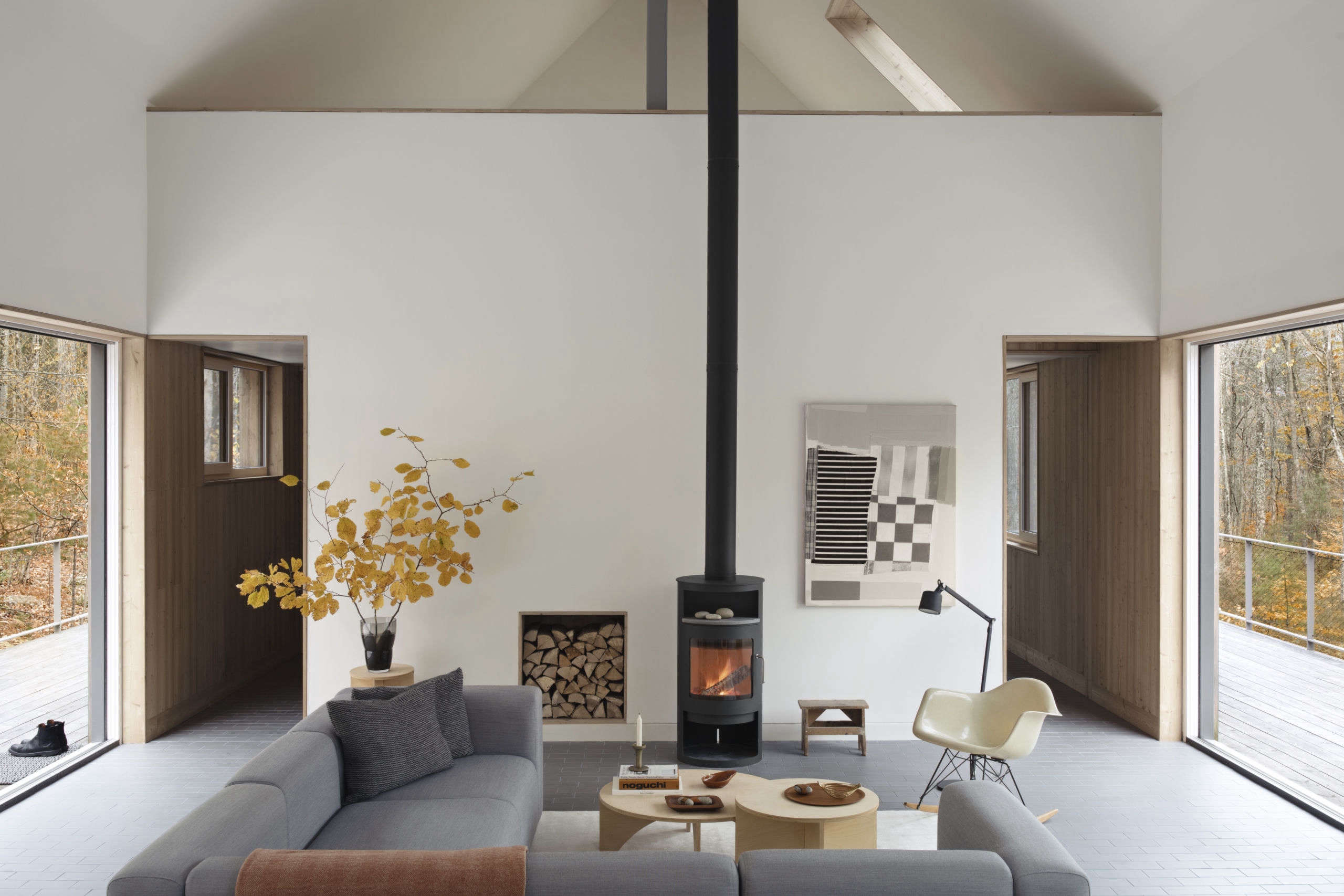
Furthermore, strategic window placement serves as a primary design element. In the Scandinavian tradition, light is a precious resource. Passive House design utilizes large, south-facing apertures to maximize solar gain during the low-angled Nordic winters. This creates a "Luminous Minimalist" effect where the sun itself becomes the primary decorator, shifting the mood of the room from a cool dawn blue to a warm, golden dusk.
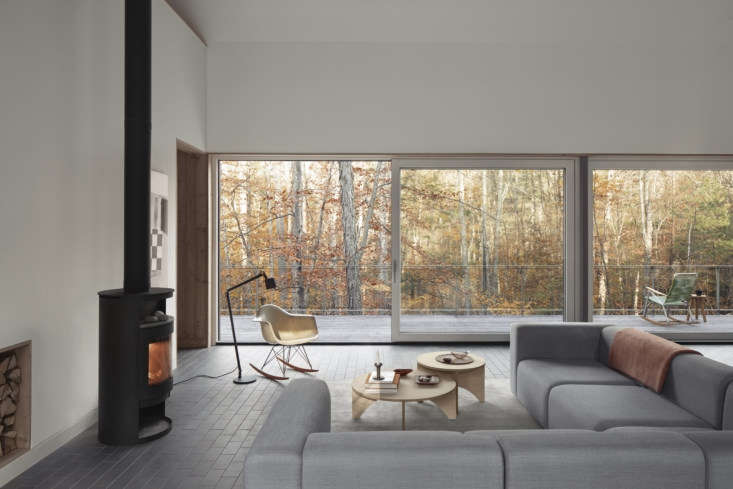
Pro-Tip: The Triple-Glazed Advantage When selecting windows for a Passive House living room, look for U-values below 0.80 W/(m²K). While these windows are thick, 2026 trends favor slim-profile timber frames (like larch or oak) that blend into the wall, making the glass appear as a seamless portal to the outdoors.
2026 Scandinavian Interior Trends: What’s New?
If the early 2020s were defined by stark white walls and sharp angles, 2026 is the year of the "Curve and the Hearth." We are seeing a decisive move toward a Warm Palette. Design houses in Copenhagen and Stockholm are replacing "Strong White" with earthy browns, olive greens, and "Honey Yellows." This evolution makes Passive Houses feel less like galleries and more like homes.
One of the most significant 2026 Scandinavian interior design trends is the rise of tub-shaped furniture. We are moving away from the rigid, blocky sectionals of the past. Instead, rounded forms and "enveloping" silhouettes are taking center stage. These forms provide a playful, retro-modern feel that softens the high-tech precision of a Passive House.
Additionally, we are seeing a resurgence of Nostalgic Details. This includes delicate floral embroidery on throw pillows and handcrafted glass vases. These small, intricate touches break the minimalist monotony and offer a sense of "history" in a modern build.
Essential Materials for a Sustainable Living Room
To achieve a luxury sustainable interior, the choice of materials is non-negotiable. In a Passive House, where air exchange is carefully controlled via HRVs (Heat Recovery Ventilators), the materials you bring into the space must be healthy.
- FSC-Certified Woods: Oak and walnut remain the gold standard for Scandi design. Ensuring your furniture is FSC-certified ensures that the wood is harvested ethically, maintaining the biodiversity of the forests.
- Low-VOC Finishes: Volatile Organic Compounds (VOCs) can linger in airtight spaces. We recommend plant-based oils and water-based lacquers for all wood surfaces to maintain pristine indoor air quality.
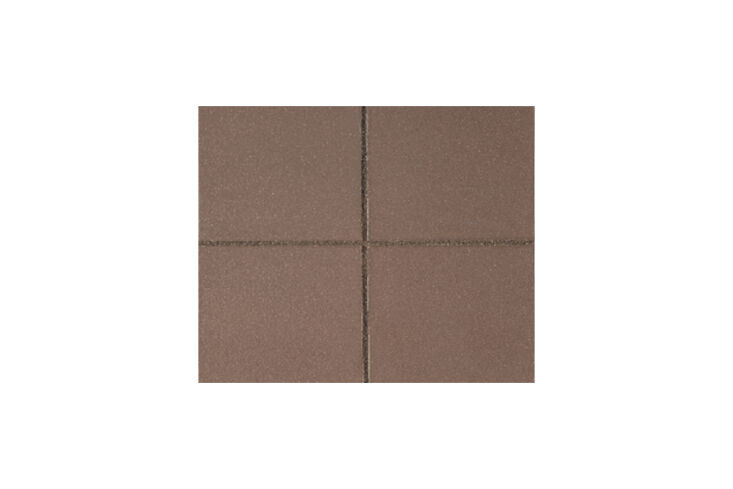
- Thermal Mass with Eco-Tiles: While Scandi style often features wood floors, 2026 designs frequently incorporate "Elephant Gray" quarry tiles or reclaimed stone. These materials act as a thermal battery, soaking up sun during the day and releasing heat slowly at night.
Curated Sustainable Furniture Brands for 2026
When sourcing for a energy efficient home interior design, the focus has shifted from "fast furniture" to "circular design." Market analysis for 2026 indicates that 72% of Scandinavian designers now prioritize 'circularity' by utilizing modular, repairable furniture components.
Best for Modular Seating: HAY and Sabai
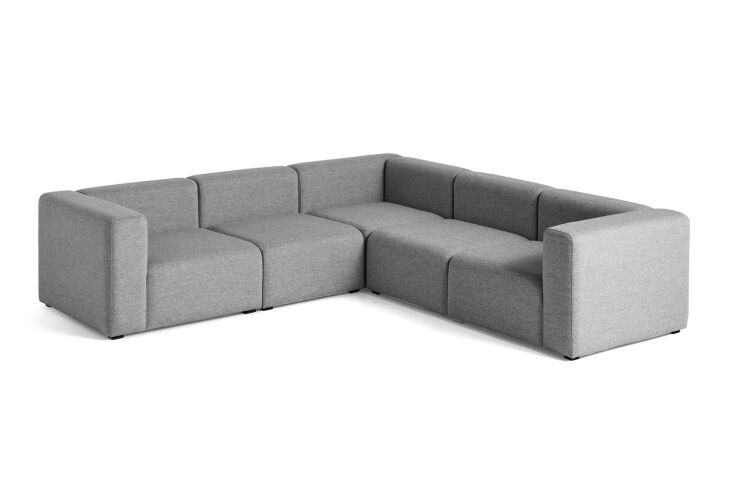
The HAY Mags series has become an icon of this movement. Its modular nature allows you to replace individual sections rather than the entire sofa, extending the product's lifespan significantly. For those seeking more tactile variety, Sabai offers stunning recycled velvet seating. Their pieces are designed with a "closed-loop" mentality, using fabrics made from recycled water bottles and FSC-certified frames.
Best for Artisan Craftsmanship: The Citizenry
To balance the industrial precision of a Passive House, we look to The Citizenry. Their fair-trade, handcrafted goods—ranging from hand-woven alpaca throws to carved stone side tables—bring a human touch to the minimalist aesthetic. This brand excels at "Luxury Sustainable" by ensuring that every artisan in their supply chain earns a living wage.
Best for Heirloom Quality: Avocado
While known for mattresses, Avocado has expanded into living room furniture with reclaimed wood end tables and bed frames that fit perfectly into the Scandi-modern ethos. Their commitment to Greenguard Gold certification makes them a top choice for the sensitive air environment of a Passive House.
Summary of Sustainable Certifications
| Certification | What it Covers | Why it Matters for Passive Houses |
|---|---|---|
| FSC | Forestry Management | Ensures wood is sourced from responsibly managed forests. |
| GOTS | Organic Textiles | Guarantees non-toxic, organic fibers for rugs and pillows. |
| Greenguard Gold | Chemical Emissions | Essential for maintaining air quality in airtight builds. |
| B-Corp | Social/Environmental | Signifies a brand's holistic commitment to ethical practices. |
Layering the Look: Textiles and Lighting
Once the furniture is in place, the final layer of "Hygge" is achieved through textiles and light. In a Scandi living room, textiles aren't just decorative; they are functional tools for comfort.
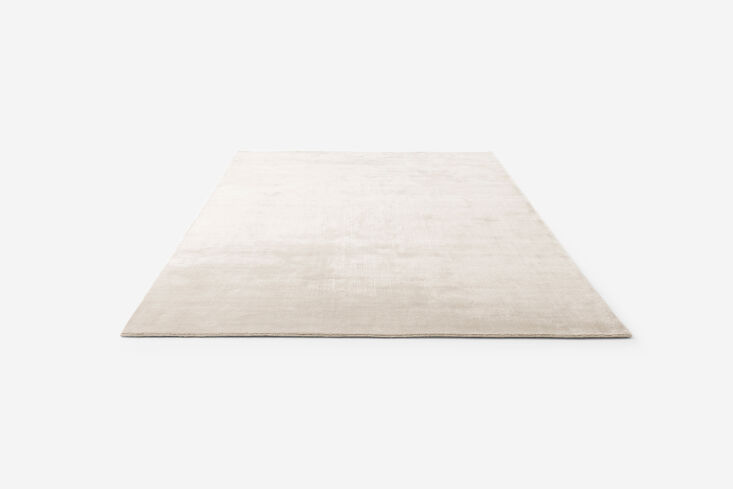
The Art of Hygge: We recommend layering natural textiles like wool and bamboo. A Vipp 115 wool pillow against a recycled velvet sofa creates a contrast of textures that feels sophisticated yet cozy. Bamboo rugs are an excellent sustainable alternative to silk, offering a similar sheen with much higher durability and a lower carbon footprint.
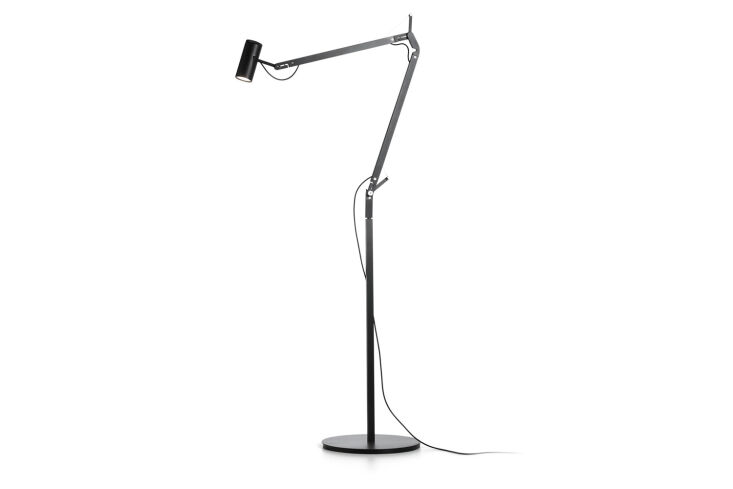
Dynamic Lighting: In the high-latitude regions that inspired this style, lighting is a survival skill. To combat "Polar Nights," a successful 2026 living room uses a layered approach. We combine task lighting, such as the Marset Polo floor lamp, with soft, warm-toned wall sconces. This avoids the "flat" look of overhead LEDs and allows the homeowner to modulate the mood based on the time of day.
Summary of Key 2026 Trend Elements
As we move toward a more sustainable future, the Scandi Passive House living room stands as a model for how we should live. It is a space that respects the environment through performance and respects the inhabitant through beauty.
- Aesthetic: "Warm Retro" (Browns, yellows, and rounded tub-shapes).
- Philosophy: Circularity and repairability over disposability.
- Performance: Acoustic serenity and superior air quality through Low-VOC materials.
- Essential Brands: HAY, Sabai, Vipp, and The Citizenry.
FAQ
Q: Can I have a fireplace in a Passive House living room? A: Yes, but it must be a room-sealed, high-efficiency wood-burning stove or a bio-ethanol fireplace. Standard open fireplaces destroy the airtight seal required for Passive House certification.
Q: Is "Scandi Style" too cold for a family home? A: Not in 2026. The shift toward "Warm Minimalism" uses wood tones, textured wools, and rounded furniture to create an environment that feels incredibly inviting and durable for families.
Q: How do I ensure my furniture doesn't off-gas in an airtight room? A: Look for the Greenguard Gold certification. This ensures the product has been tested for over 10,000 chemicals and VOCs, making it safe for homes with controlled ventilation.