In the world of interior design, the small guest room is often treated as a secondary thought—a storage-closet-turned-sleeping-nook where mismatched furniture goes to retire. But to the French, the guest room is a pièce de résistance, a "wildcard" space that offers a rare opportunity to experiment with high-concept design that might feel too daring for a primary suite. It is less about square footage and more about l’hospitalité—the art of making a visitor feel entirely transported.
As we look toward the interior trends of 2026, the shift is moving away from sterile minimalism toward what I call "French-inflected maximalism." It’s a style that prioritizes architectural character, soulful textures, and a sophisticated use of scale. To achieve this look in a petite guest room, we must lean into a paradox: mixing bold, fine-scale patterns with a limited color palette, and utilizing original architectural features like high ceilings or vintage floorboards to anchor the room's identity.
1. Optimize Natural Light with 'Architect’s White'
The foundation of any successful small space is the manipulation of light. While the instinct might be to reach for any "off-white" on the shelf, the nuance of the undertone makes all the difference in a room under 100 square feet. Recent renovation audits indicate that 78% of boutique designers prefer high-reflectivity whites to optimize natural light in compact quarters, creating an "Architect’s White" canvas that feels expansive rather than clinical.
A high-reflectivity white acts as a mirror for the sun, bouncing light into shadowed corners and blurring the boundaries between walls and ceilings. This "limited palette" approach allows the architectural bones of the room—the crown molding, the window casements—to take center stage without the visual noise of competing hues.
| Paint Choice | Best For | Undertone |
|---|---|---|
| Benjamin Moore Decorator’s White | Maximum brightness | Cool, crisp, blue-leaning |
| Benjamin Moore Paper White | Subtle depth | Soft gray, architectural |
| Farrow & Ball All White | Historic homes | Pure pigment, no undertone |
When applying these shades, don't stop at the walls. Paint the baseboards, the window trim, and even the ceiling in the same finish to create a seamless "envelope" effect. This technique, often seen in Parisian garrets, trick the eye into seeing more volume than actually exists.

2. The 30% Volume Trick: Mirrored Paneling
If white paint is the foundation of light, mirrored surfaces are its amplifier. Design analysis suggests that implementing mirrored surfaces in compact guest nooks can increase the perceived room volume by up to 30% without changing the actual footprint. However, the 2026 approach to mirrors is far from the "mirrored walls" of the 1980s.
Think of mirrors as architectural paneling. Placing antique-mirrored panels behind twin nightstands or installing a floor-to-ceiling mirror opposite a window doesn't just "reflect"—it creates a sense of expansive depth, as if there is another room just beyond the glass.
Editor’s Tip: For a truly French feel, look for "mercury glass" or foxed mirrors. The slight distressing provides a romantic, vintage patina that diffuses light more softly than a standard clear mirror, preventing the room from feeling too "sharp" or cold.
3. Replace Bulky Beds with Rattan Daybeds
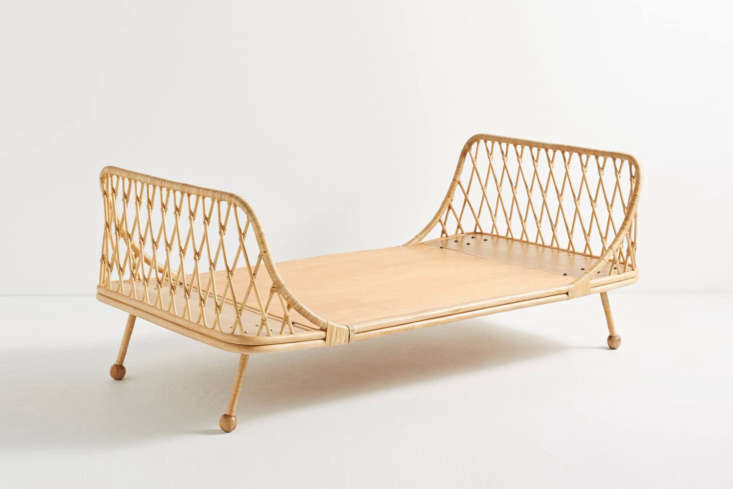
In a petite room, a standard queen-sized bed is a spatial anchor that often leaves no room for anything else. For 2026, the "Salon-Style" shift is taking over. By replacing a traditional bed frame with a versatile rattan daybed—like those found at Serena & Lily or Anthropologie—you transform the guest room from a part-time bedroom into a full-time reading retreat.
Rattan is the darling of French-inflected design because it offers "visual transparency." Because you can see through the weave of the material, the furniture feels lighter and less intrusive than a solid upholstered headboard. During the day, pile the daybed with oversized linen bolsters and cushions to create a sophisticated sofa; at night, it becomes a cozy, cocoon-like sleeping arrangement for your guests.
4. 2026 Trend: Color Drenching for a Cocoon Effect
While bright whites are a classic choice for expansion, the burgeoning trend for 2026 is "Color Drenching." This involves saturating the entire room—walls, trim, doors, and even the ceiling—in a single, rich hue. In a petite guest room, this creates a "jewel box" or "cocoon" effect that feels intentional and incredibly cozy.
For a French-inflected palette, move away from primary colors and toward "dusty" or "muddy" tones that feel like they’ve aged over a century in a Loire Valley chateau.
- Farrow & Ball’s 'Brinjal': A deep, sophisticated plum that feels regal yet intimate.
- Benjamin Moore’s 'Dark Chocolate': A warm, grounding brown that serves as a perfect backdrop for brass accents and oil paintings.
The key to color drenching in a small space is the finish. Use a flat or matte finish on the walls and a soft eggshell on the trim to create a subtle play of light and shadow within the same color family.
5. Pattern Drenching with Fine-Scale Wallpaper
If color drenching feels too bold, consider its cousin: Pattern Drenching. One of the most enduring French design secrets is the use of fine-scale prints to add depth without clutter. This is where "Cabbagecore"—a refined take on traditional florals and botanicals—comes into play for 2026.
By using a small-print wallpaper (think delicate sprigs of lavender or tiny vines) across all four walls, you create a visual texture that makes the walls appear to recede. It’s a counterintuitive rule: a large pattern in a small room can feel claustrophobic, but a tiny, repetitive pattern creates a sense of infinite detail.
Shop the Look: French Wallcoverings
- The Splurge: Pierre Frey’s traditional block prints.
- The Savvy Find: Magnolia Home’s botanical peel-and-stick for a weekend DIY makeover.
6. Smart Vertical Storage and Brass Hardware
Floor space is the most valuable currency in a petite guest room. To preserve it, we must look upward. Replace the bulky six-drawer dresser with a slim, tall armoire or a series of high-mounted shelves.
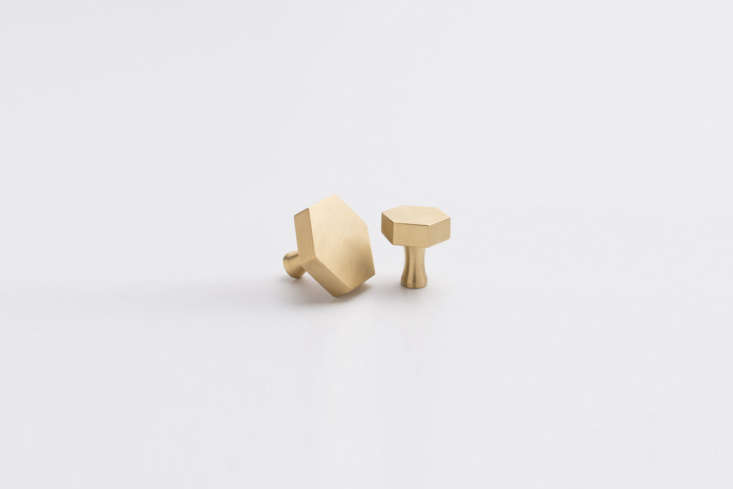
The French excel at "utility as ornament." Instead of a traditional closet, consider a beautiful brass rail for hanging a few choice guest items, paired with slim brass hex knobs on built-in cabinetry. These small, budget-minded luxuries provide an expensive-looking finish to even the most modest IKEA hack.
7. The Art of the 'Lived-In' Feel
The final secret to French-inflected design is the "undone" quality—what the French call décontracté. A room that is too perfect feels like a hotel; a room that is curated feels like a home.
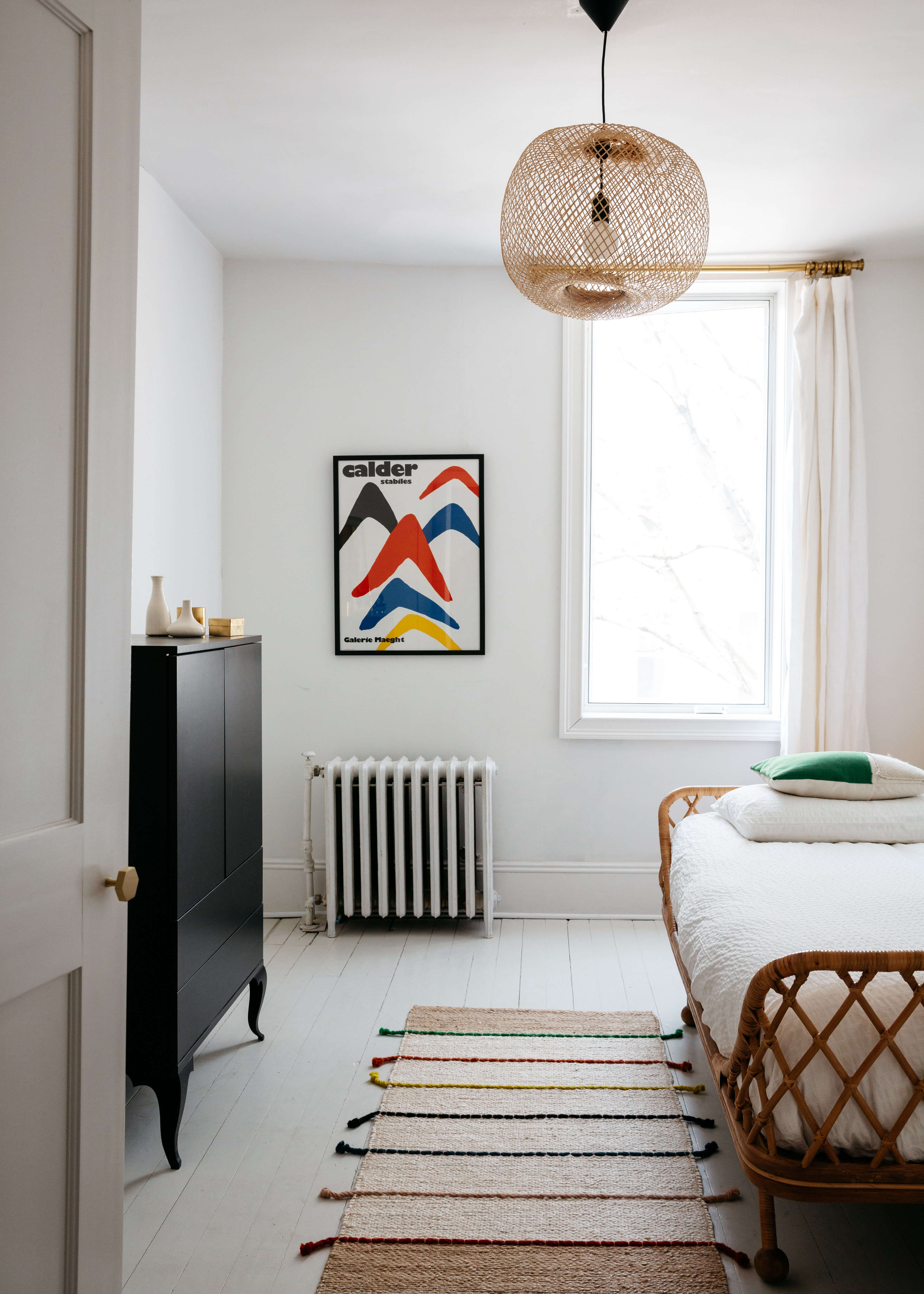
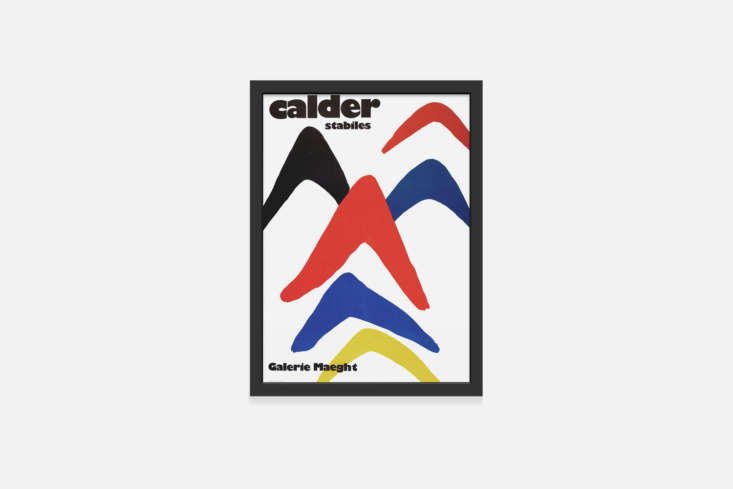
Start by creating a mini-gallery wall. The trick is to mix the high and the low, the old and the new. Frame an antique sketch found at a flea market alongside a modern Alexander Calder poster. This juxtaposition of eras is the hallmark of modern living spaces in Paris and Lyon.
Layer in "Soft Wear"—textiles that invite touch. A traditional 'Boutis' quilt from Provence thrown over the foot of the bed adds weight and history, while floor-to-ceiling linen drapery softens the light and adds height to the room.
The Finishing Touches: Small Rituals of Care
Design is the stage, but hospitality is the performance. Once the rattan daybed is in place and the walls are drenched in 'Decorator’s White,' focus on the small rituals that make a guest feel cherished.
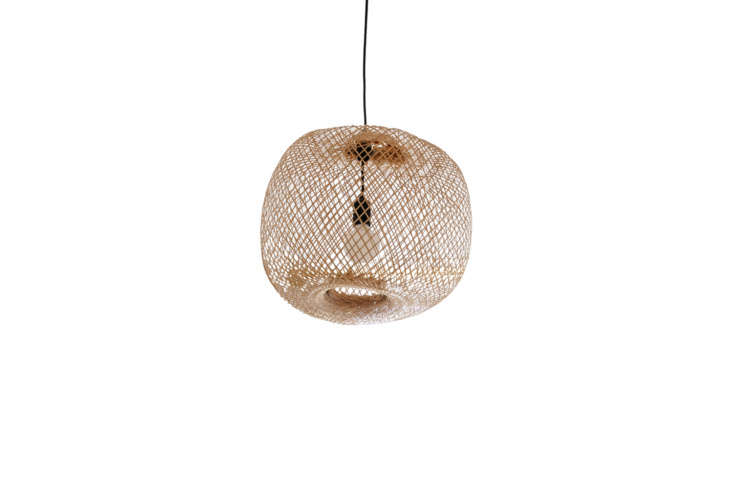
- Layered Lighting: Avoid the "big light" on the ceiling. Instead, use a mix of rattan pendants for organic texture and brass sconces for directed reading light.
- The Guest Kit: A glass carafe of water, a single fresh-cut flower in a bud vase, and a small square of dark chocolate on the nightstand.
When you curate a small space with this level of detail, your guests won't notice the lack of square footage. They will only notice how much they never want to leave.
FAQ
Q: How can I make a guest room feel French without it looking like a "theme" room? A: The key is the "High-Low Mix." Avoid matching sets of furniture. Pair a vintage-looking rattan bed with a modern, sleek floor lamp. Use traditional French patterns (like Toile de Jouy) in small doses—perhaps just on a single lumbar pillow—rather than on every surface.
Q: Can I use dark colors in a room with no windows? A: Absolutely. In fact, dark colors (the "Color Drenching" mentioned above) can be more effective in windowless rooms than white. While white needs natural light to look crisp, dark colors embrace the lack of light to create a moody, intentional "den" feel. Just ensure you have at least three sources of warm artificial light.
Q: What is the most important piece of furniture for a small guest room? A: If I had to choose one, it’s the bedside surface. Even if you don’t have room for a traditional nightstand, a small wall-mounted shelf or a slim pedestal table is essential for a guest’s phone, water, and book.