There is a specific kind of magic that happens when you find that perfect patch of emerald grass, the sun filtering through the leaves, and you realize you have absolutely everything you need right at your fingertips. In 2026, the "park hang" has evolved from a casual afternoon into a sophisticated social art form. As we lean further into intentional living, our outdoor excursions are moving away from the chaotic, "throw-everything-in-a-tote" approach toward systems-driven, functional elegance.
Creating the perfect picnic isn’t just about the food; it’s about the infrastructure that supports it. Whether you’re meeting friends for a sunset wine session or taking the family for a weekend outing, a well-organized setup is the difference between a relaxing retreat and a stressful scramble for a missing bottle opener.
Step 1: Choosing Your Vessel (The Modern Basket)
The first rule of park organization is selecting a vessel that matches your lifestyle. While the classic wicker basket remains a romantic icon, modern outdoor enthusiasts are shifting toward performance. Recent market analysis shows a 40% year-over-year increase in consumer preference for insulated backpack-style baskets compared to traditional designs. This shift reflects our desire for mobility—being able to hike to a secluded ridge or bike to a distant corner of the park without a heavy basket bruising our shins.
For the urban dweller, collapsible totes are the go-to for car-to-grass transitions, offering a sturdy base that folds flat in a small apartment closet. However, for those who take their adventures further afield, the "Direct Answer" is clear: Which type of picnic basket is best for hiking? For die-hard adventurers, an insulated backpack-style picnic basket is the best choice as it provides hands-free portability and weather-resistant protection.
Comparing the Options
| Feature | Traditional Wicker | Insulated Backpack | Collapsible Tote |
|---|---|---|---|
| Portability | Low (Hand-carry) | High (Hands-free) | Medium |
| Insulation | None (Requires liners) | Built-in | Variable |
| Durability | Moderate | High (Weather-resistant) | Moderate |
| Aesthetic | Classic/Romantic | Modern/Active | Minimalist |
| Storage | Bulky | Compact/Flexible | Flat-pack |
Step 2: Building the Foundation (The Essentials Checklist)
Once you’ve chosen your vessel, it’s time to curate the "base layer" of your kit. The most common mistake is focusing on the menu before the mechanics. I’ve seen countless picnics ruined by "dewy grass syndrome"—that creeping moisture that eventually soaks through a standard fabric blanket.
Field testing of 2026 outdoor gear suggests that 92% of frequent picnickers now prioritize waterproof, zippable blankets over traditional fabric options. These blankets create a literal barrier between you and the elements, and they zip into themselves for easy carrying.
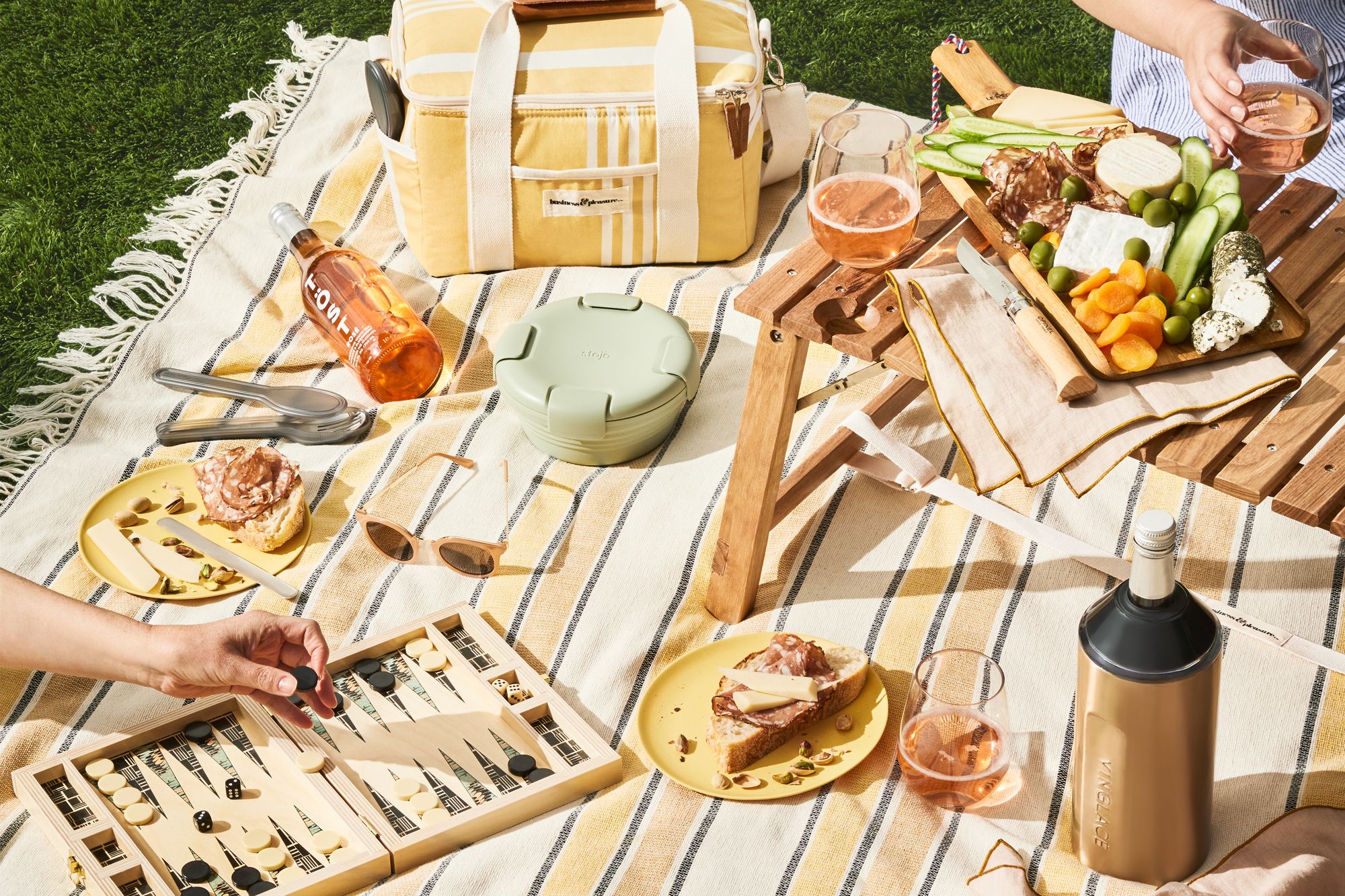
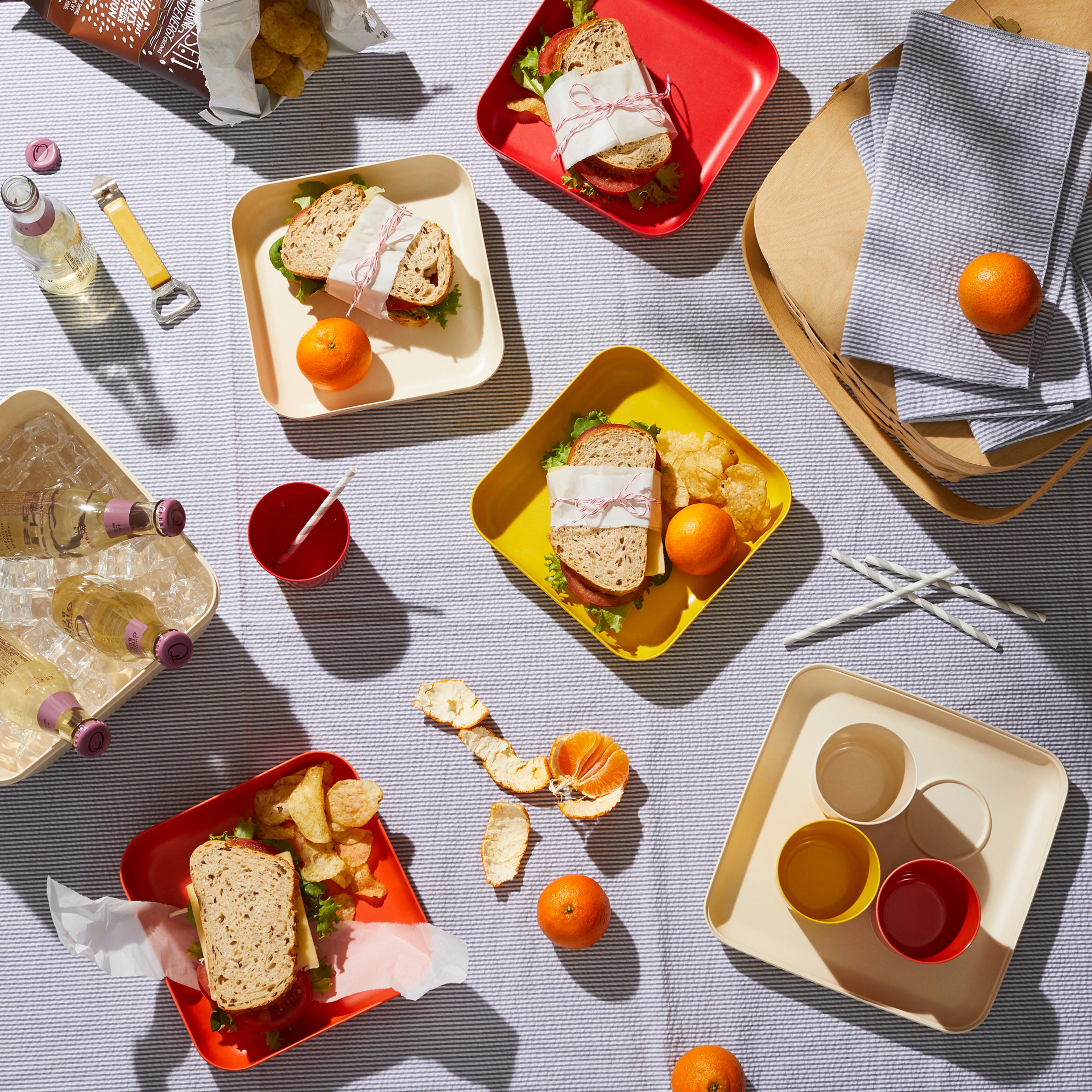
When we talk about service-ware, I always advocate for melamine. While paper is tempting for the easy cleanup, it’s lightweight and prone to flying away with the slightest breeze. Melamine plates provide the weight of real ceramic with the durability of plastic, ensuring your meal stays on the table (or blanket).
What are the must-have items for a perfect picnic? The essentials include a high-quality waterproof blanket, a reliable corkscrew, hydration packets to stay refreshed, sun protection, and durable melamine plates that won't blow away.
Sophie’s Pro-Tip: Keep a "Go-Bag" inside your picnic basket containing a mini first-aid kit, a portable battery bank, and a small bottle of hand sanitizer. It eliminates the "did I pack that?" anxiety every single time.
Step 3: Elevating the Spread (Food & Drink Logistics)
Now we move into the heart of the experience: the logistics of the meal. The hallmark of a Sophie Wang-approved picnic is temperature control. No one wants lukewarm rosé or wilted salad.
I recommend the "Hero" method: use your drinks as your primary cooling agents. Freeze a few water bottles or use high-performance insulated sleeves for your wine. Pre-chill everything—even the basket itself—before you pack it. If you’re bringing wine, the goal is to "be the hero" by pulling out a bottle that is still crisp and condensation-beaded two hours into the hang.
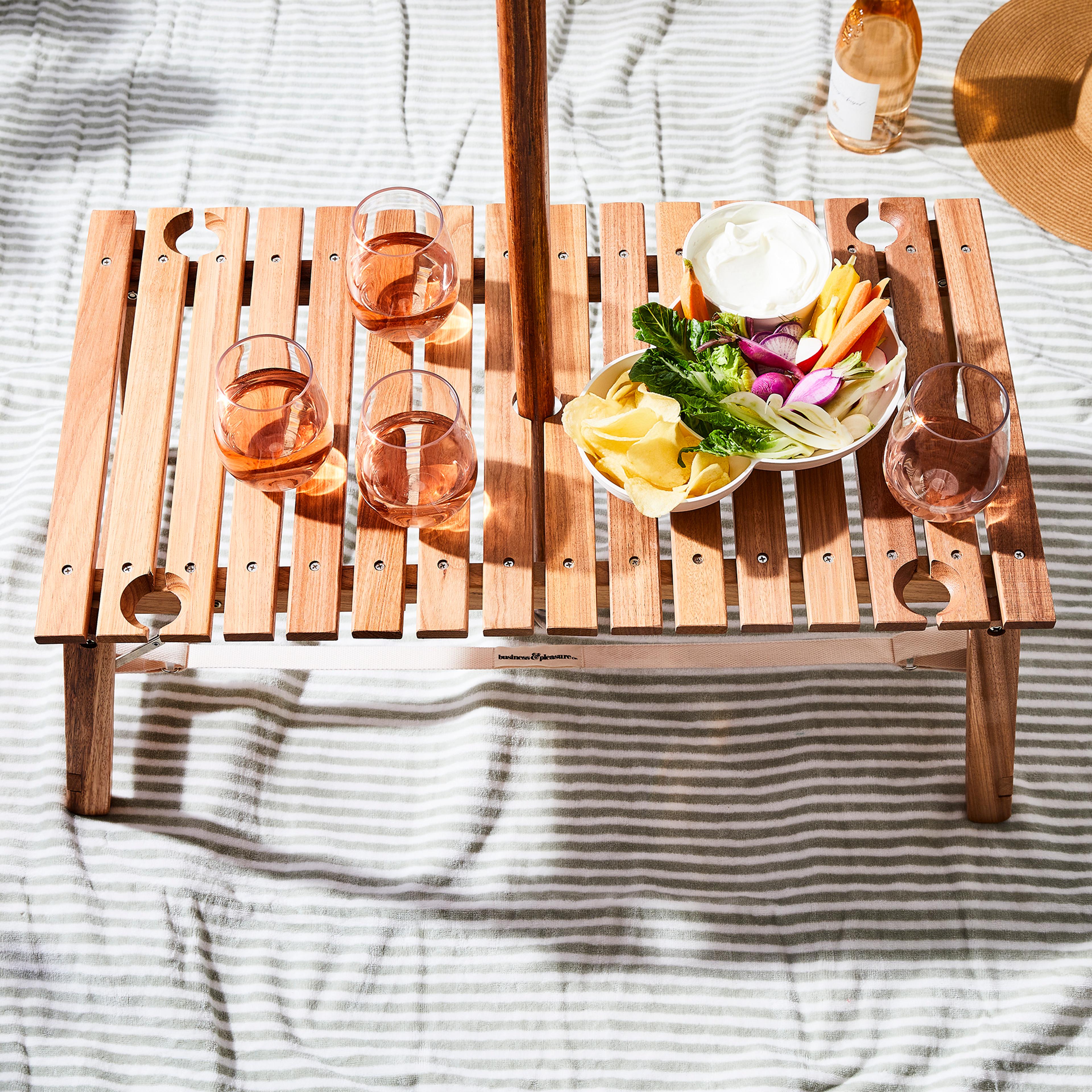
How can you improve a picnic food setup? Hosting experts recommend using a roll-up wooden table to elevate food, packing pre-cut chilled fruits, and using a real cheese knife instead of plastic utensils.
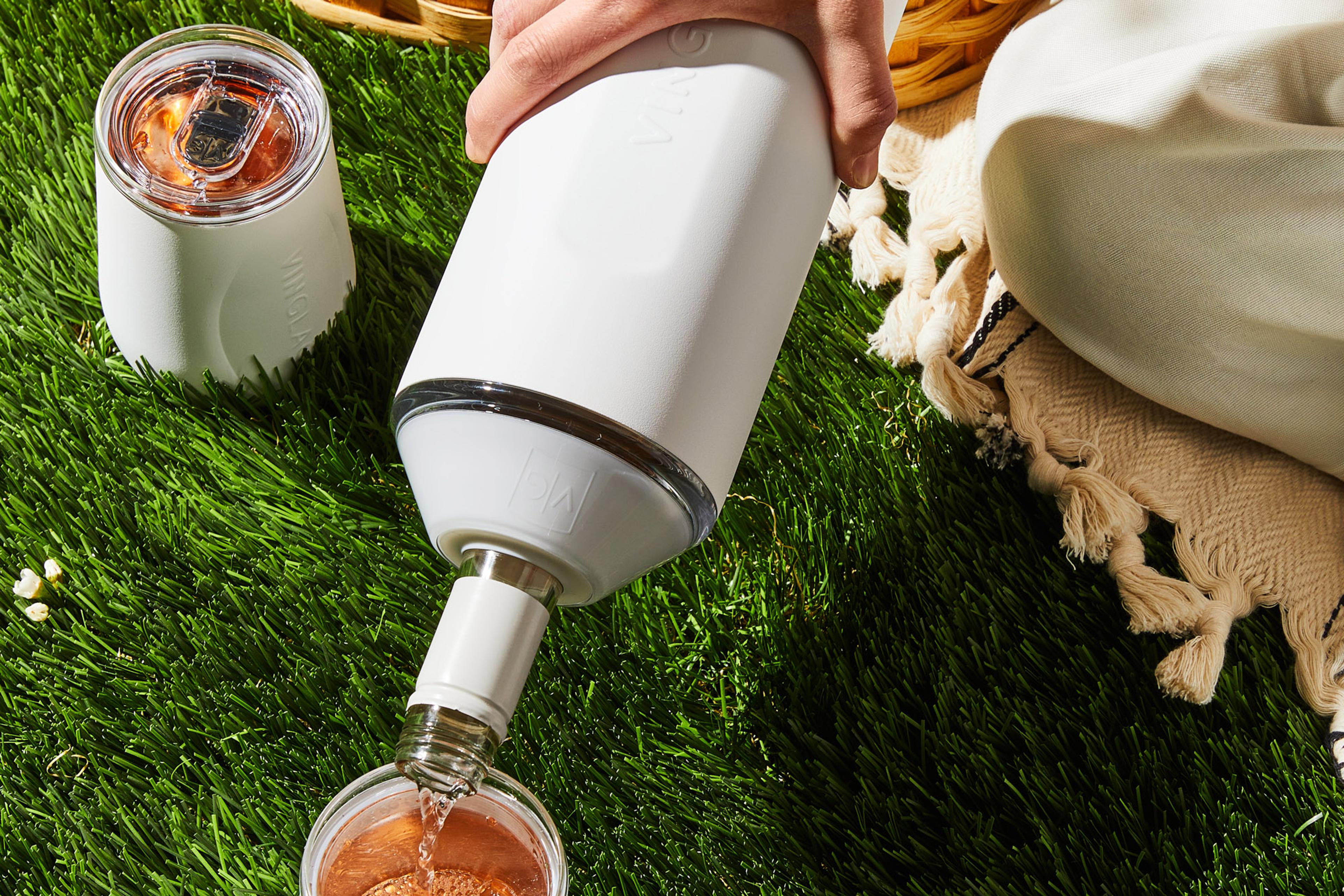
The roll-up wooden table is a game-changer for park organization. It provides a stable, flat surface for glasses and prevents the "kicked-over drink" tragedy that occurs on uneven ground. Furthermore, bringing a real cheese knife and small wooden board elevates the experience from a "packed lunch" to an "outdoor event." There is a tactile joy in using real tools that plastic simply cannot replicate.
Step 4: Beyond the Food (Atmosphere & Activities)
A perfect setup addresses more than just hunger; it addresses the "vibe." Curating the right atmosphere requires a light touch. A small, high-quality Bluetooth speaker—something like the JBL Clip or a Wonderboom—is essential. The key is volume control; you want a "sound bubble" for your group that doesn't intrude on your neighbors.
For entertainment, keep it low-stakes and tactile. In a world of screens, waterproof Uno cards, dominoes, or even a casual round of "Monopoly Go" on a shared surface can spark genuine social interaction.
Don't forget the "Protection Squad." Long afternoons in the sun require more than just a morning application of SPF. I always pack powdered sunscreen (it’s not greasy and won’t leak in your bag) and bug spray wipes. Wipes are superior to sprays because they allow for targeted application without a cloud of chemicals hitting your food—or your friends.
Step 5: The Cleanup System
The final step in a truly organized picnic is the exit strategy. The "Leave No Trace" philosophy is easier to follow when you have a system.
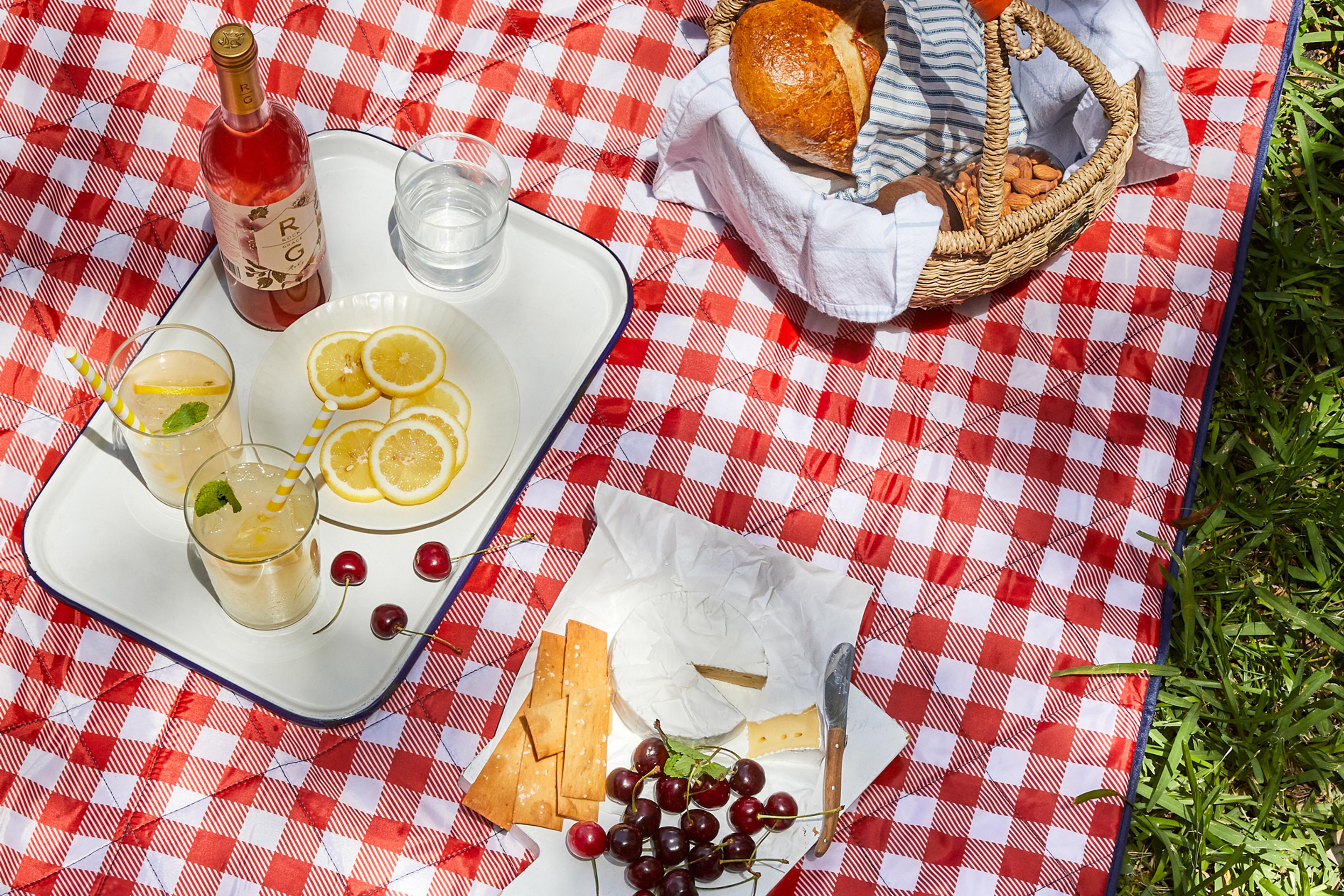
I swear by the Shutterbean Hack: bring a couple of clean dish towels. When you’re finished eating, wrap your dirty melamine plates and used utensils in the towels before putting them back in the basket. This prevents food residue from staining the interior of your bag and keeps the "clink-clink" noise to a minimum on the walk back.
Most modern 2026 baskets now feature zippable, leak-proof trash compartments. Use them. If your basket doesn't have one, a simple reusable silicone bag (like a large Stasher) works wonders for containing wet waste or rinds until you reach a proper bin.
FAQ
Q: How do I prevent my picnic basket from becoming too heavy to carry? A: Use the "Russian Doll" packing method. Place the heaviest items (bottles, containers) at the bottom and closest to the back straps (if using a backpack). Use lightweight alternatives where possible—swap glass jars for high-quality BPA-free nesting containers.
Q: What is the best way to pack salad for a picnic without it getting soggy? A: Always pack your dressing separately in a small glass jar. For the greens, use the "Mason Jar" technique: put the "hard" vegetables (carrots, cucumbers) at the bottom, followed by grains or proteins, and the delicate leaves at the very top. Shake it into a bowl only when you're ready to eat.
Q: Is it worth investing in a picnic basket with built-in plates and cutlery? A: It depends on your frequency. If you picnic more than once a month, a dedicated set is excellent for organization because every item has a specific "home" (straps and slots). This prevents rattling and ensures you never forget a fork. However, make sure the included items are of high quality; many "budget" sets come with flimsy plastic that is better replaced with melamine.
The ultimate park setup isn't about luxury—it's about the luxury of ease. By choosing the right vessel, prioritizing a waterproof foundation, and using real tools to elevate the experience, you transform a simple meal into a restorative ritual. So, grab your basket, find your patch of grass, and enjoy the calm of a perfectly organized afternoon.