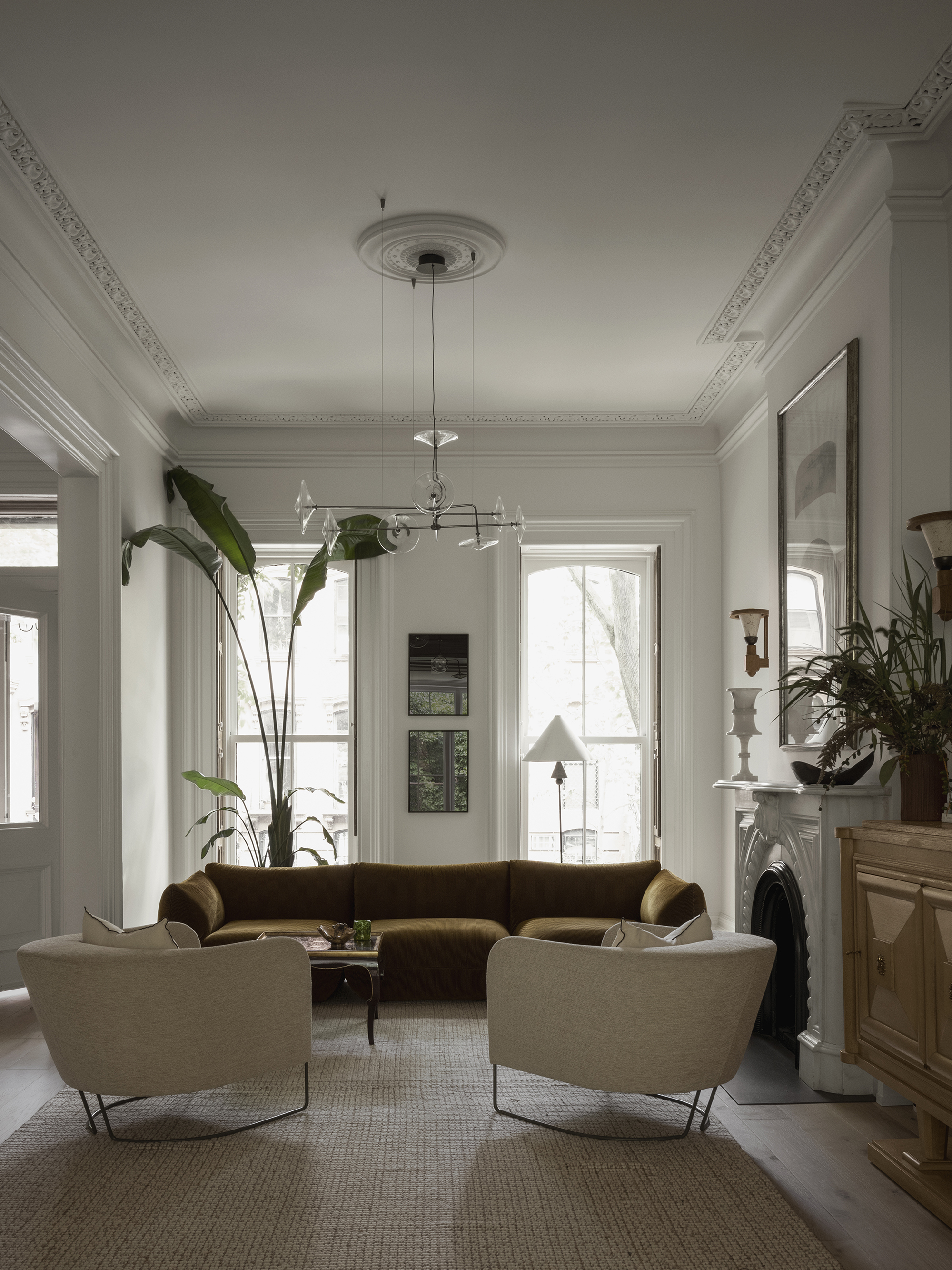
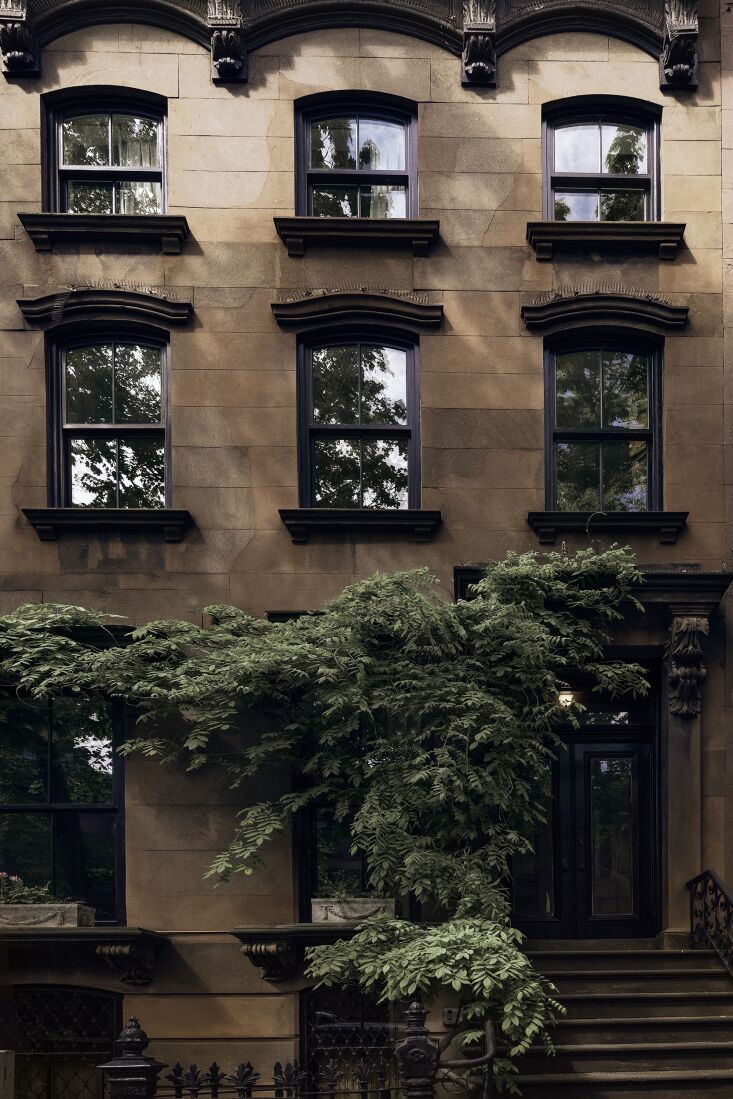
There is a specific, quiet magic found within the 19th-century brownstones of Brooklyn. Built largely between 1860 and 1880, these Italianate structures—with their deep cornices, arched windows, and grand stoops—represent a pinnacle of American urban architecture. Yet, for the modern creative professional, the traditional layout of these four-story, 3,500 to 3,620-square-foot homes can feel restrictive, partitioned by the social hierarchies of a bygone era.
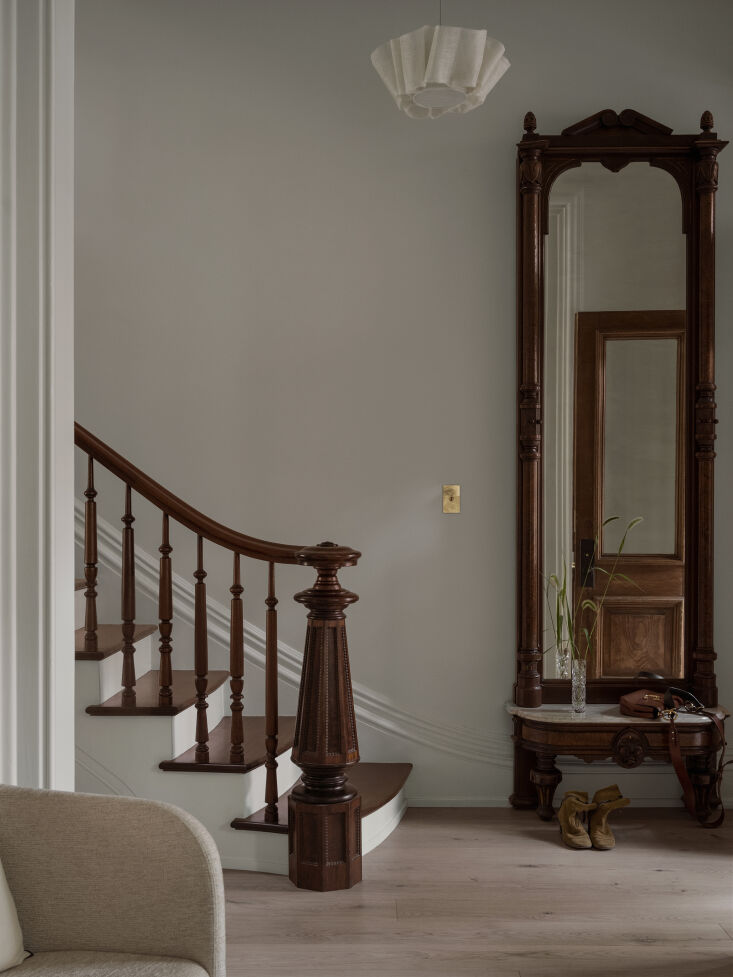
The challenge of modernizing an Italianate brownstone lies in the delicate dance between historical integrity and contemporary intervention. We approach these projects not as simple renovations, but as architectural studies in contrast. By restoring the ornate moldings and original street-facing facades while simultaneously opening rear walls with large-scale steel windows and relocating the heart of the home to the parlor level, we create a residence that feels both grounded in history and effortlessly modern.
Navigating the NYC Landmarks Preservation Commission (LPC)
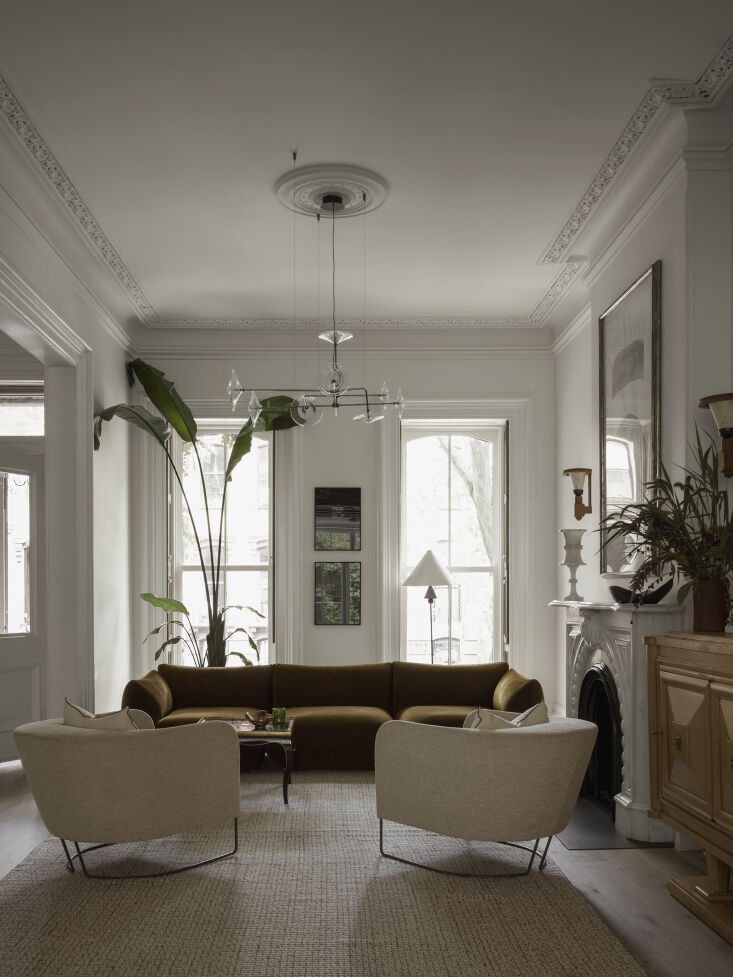
For many homeowners in districts like Fort Greene or Clinton Hill, the NYC Landmarks Preservation Commission (LPC) is often viewed as a hurdle. In reality, these regulatory constraints serve as a vital catalyst for thoughtful design. The LPC’s primary mandate is the preservation of the "public face" of the neighborhood—the street-facing facade. This requires a rigorous commitment to historical accuracy, from the specific pigment of the brownstone stucco to the profile of the mahogany double-hung windows.
However, the "preservation and intervention" strategy allows for significant creative freedom at the rear of the property. While the front remains a museum-quality restoration, the rear can be reimagined as a modern architectural statement.
Key Regulatory Insights for Brooklyn Renovations:
- Visible Facades: Any modification visible from a public way requires a Certificate of Appropriateness. This usually means restoring original ironwork and masonry to match the neighborhood's historic character.
- Rear Extensions: The LPC generally allows for rear additions, provided they do not extend too far into the "doughnut" (the shared green space in the center of the block). Architects often use brick details that are continuous with adjacent structures to ensure the new intervention feels like a natural evolution of the site.
- Window Replacements: Replacing 19th-century sashes with modern, energy-efficient equivalents requires approval of the window’s "operation, material, and profile" to ensure they mimic the original aesthetics.
The Parlor Floor Revolution: Opening the Heart of the Home
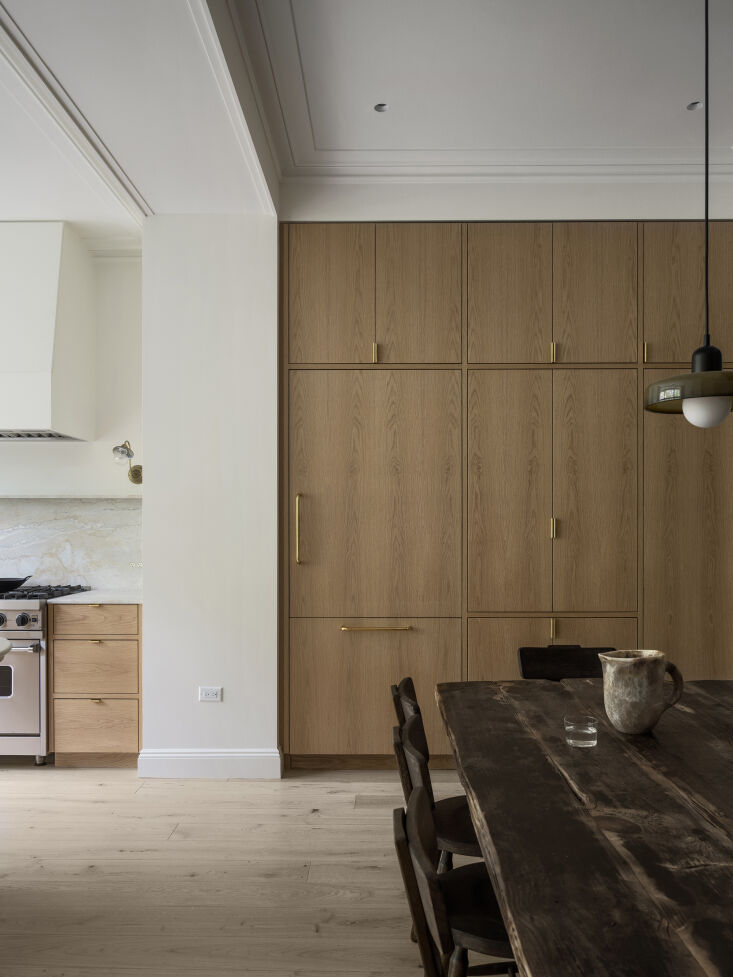
Perhaps the most significant shift in contemporary brownstone design is the relocation of the kitchen. Traditionally, the kitchen was relegated to the "garden level" (the basement), where staff prepared meals away from the formal social spaces. Today, we recognize that the parlor floor—with its soaring 11-to-12-foot ceilings and intricate plasterwork—is the soul of the home.
Recent architectural studies and data from landmark renovations indicate that moving the kitchen to the parlor floor increases central zone natural light exposure by an average of 40% compared to traditional basement layouts. By removing the non-load-bearing partitions that once separated the front parlor from the back dining room, we create a singular, light-filled "Great Room" that spans the entire depth of the house.
Architect’s Note: Relocating a kitchen to the parlor level requires more than just plumbing. It necessitates a careful structural analysis of the aging timber framing within the 100-year-old masonry. We often reinforce the floor joists with sistered LVLs (Laminated Veneer Lumber) to support the weight of modern stone islands and professional-grade appliances.
Reimagining the Rear: Natural Light and the 'Orangery' Effect
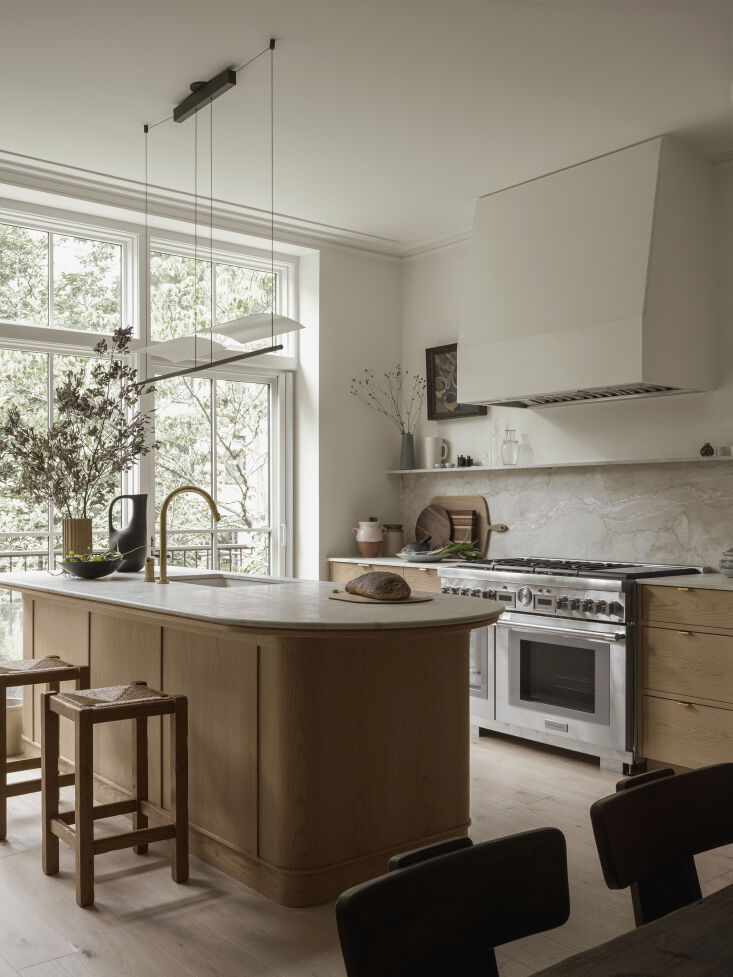
Once the kitchen is elevated to the parlor floor, the rear wall of the brownstone becomes the most important architectural element. The goal is to dissolve the barrier between the interior and the garden. We achieve this through the "Orangery" effect—using large-scale steel and glass windows (often sourced from manufacturers like Marvin or custom steel fabricators) to flood the space with light.
The transition to the outdoors is handled with surgical precision. Custom steel stairs lead from a parlor-level balcony—often designed with a rhythmic, minimalist aesthetic—down to the garden. This creates a vertical connection that encourages the use of the entire property, transforming the backyard from an overlooked patch of dirt into an extension of the living room.
Bespoke Creative Interventions: Beyond Residential Norms
Modernizing a Brooklyn brownstone is an opportunity to tailor the home to the specific lifestyle of the creative owner. We are seeing a move away from generic "guest rooms" toward highly specialized, bespoke spaces:
- Acoustic Listening Rooms: Utilizing high-density insulation and decoupled wall systems to create a sanctuary for audiophiles.
- Private Fashion Studios: Transforming the top floor into a sun-drenched atelier with custom millwork and industrial-grade lighting.
- The Top-Floor Retreat: The fourth floor, traditionally the smallest rooms, is reimagined as a primary suite. By integrating stainless-steel soaking tubs and discreet roof decks within landmark height limits, we create a private oasis removed from the social energy of the lower floors.
The Material Vocabulary of Quiet Luxury
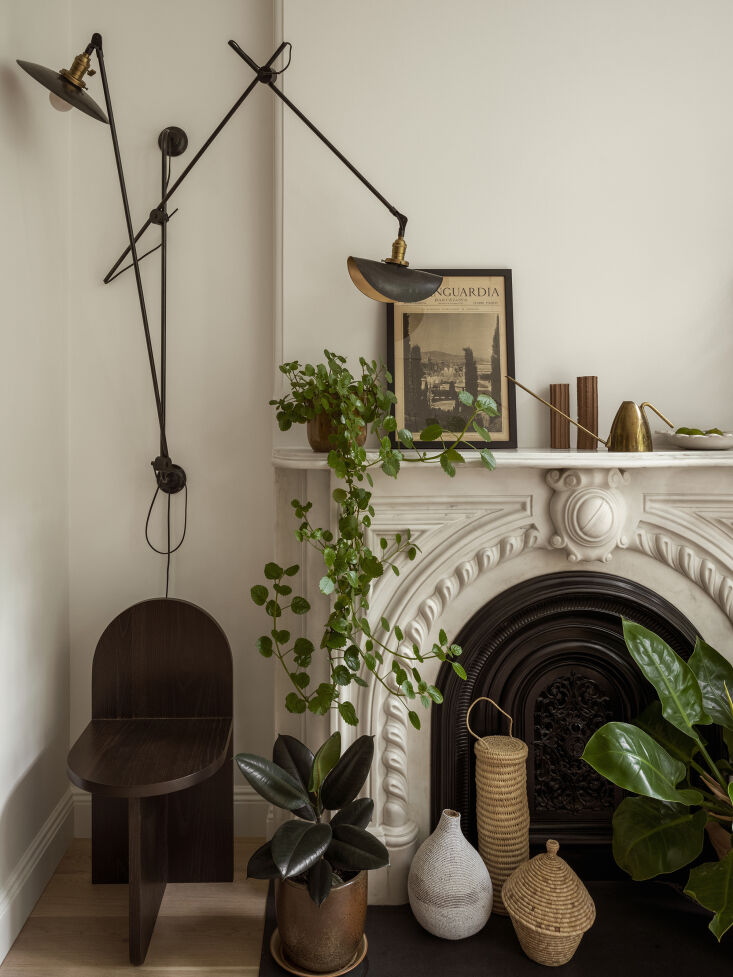
To achieve a "modern yet old-world" aesthetic, the material palette must be curated with extreme intentionality. We move away from high-gloss finishes toward materials that possess tactile depth and a sense of permanence.
Essential Materials for High-End Restorations:
| Category | Material Choice | Aesthetic Impact |
|---|---|---|
| Walls | Bauwerk Limewash | Creates a breathable, matte finish with subtle movement and texture. |
| Flooring | Madera Wide-Plank Oak | Provides a grounded, contemporary feel that contrasts with historic moldings. |
| Stone | Navona Travertine | Offers a warm, architectural tone for bathrooms and fireplace surrounds. |
| Kitchen | Dolce Vita Quartzite | A durable, natural stone with sophisticated veining for high-traffic islands. |
| Cabinetry | Plain-Sawn Oak | A matte, non-fussy finish that highlights the natural grain of the wood. |
Using breathable limewash paint like Bauwerk is particularly important in 19th-century masonry buildings. Unlike modern latex paints, limewash allows the brick and plaster to "breathe," preventing the moisture trap that often leads to peeling and structural decay in older homes.
Modern Systems in Historic Shells
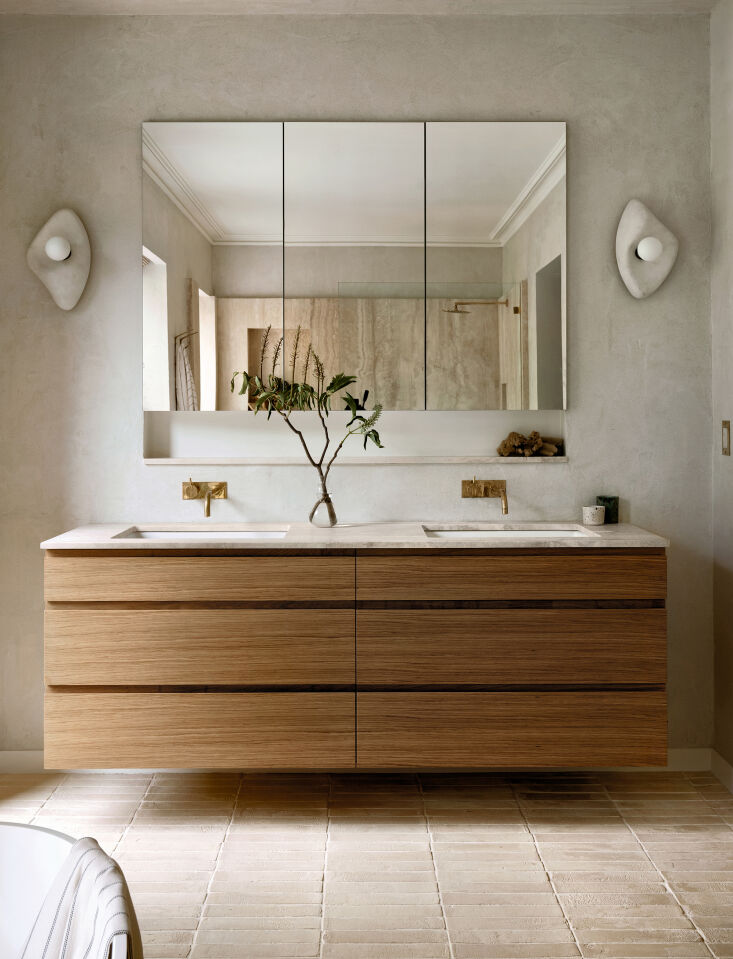
The most successful renovations are those where the technology is felt but not seen. Integrating 21st-century infrastructure into a 150-year-old shell requires an invisible approach. Central heat pump systems offer high-efficiency climate control without the need for bulky radiators, while radiant heat under tiled bathroom floors provides a luxury that is entirely concealed.
The greatest technical challenge is often kitchen ventilation. Ducting a high-CFM range hood through 19th-century masonry without disturbing historic plaster or exterior brickwork requires creative routing through closets or unused chimney flues. When executed correctly, the home operates with the precision of a new build while retaining the soul of a landmark.
FAQ
What is the average size of a Brooklyn Italianate brownstone? The typical 19th-century Italianate brownstone encompasses an average interior area of 3,500 to 3,620 square feet. This is usually distributed across four stories: the garden level (basement), the parlor floor, and two upper floors of bedrooms.
Can I change the front windows of a landmarked townhouse? Yes, but you must receive approval from the NYC Landmarks Preservation Commission (LPC). The new windows must typically match the original material (usually wood), the operation (usually double-hung), and the specific profile and color of the historic windows.
How does moving the kitchen to the parlor floor improve home value? Beyond the lifestyle benefits, relocating the kitchen to the parlor floor significantly increases the home's "social flow" and natural light. Data shows this move can increase central natural light by 40%, making the home feel larger and more connected, which is a highly sought-after feature in the high-end Brooklyn real estate market.
Modernizing a Brooklyn Italianate brownstone is an act of stewardship. It is about understanding that while the limestone and brick belong to the history of the neighborhood, the interior space belongs to the life you live today. By balancing the rigid requirements of the LPC with the fluid needs of contemporary design, we create homes that are not just preserved, but truly reborn.