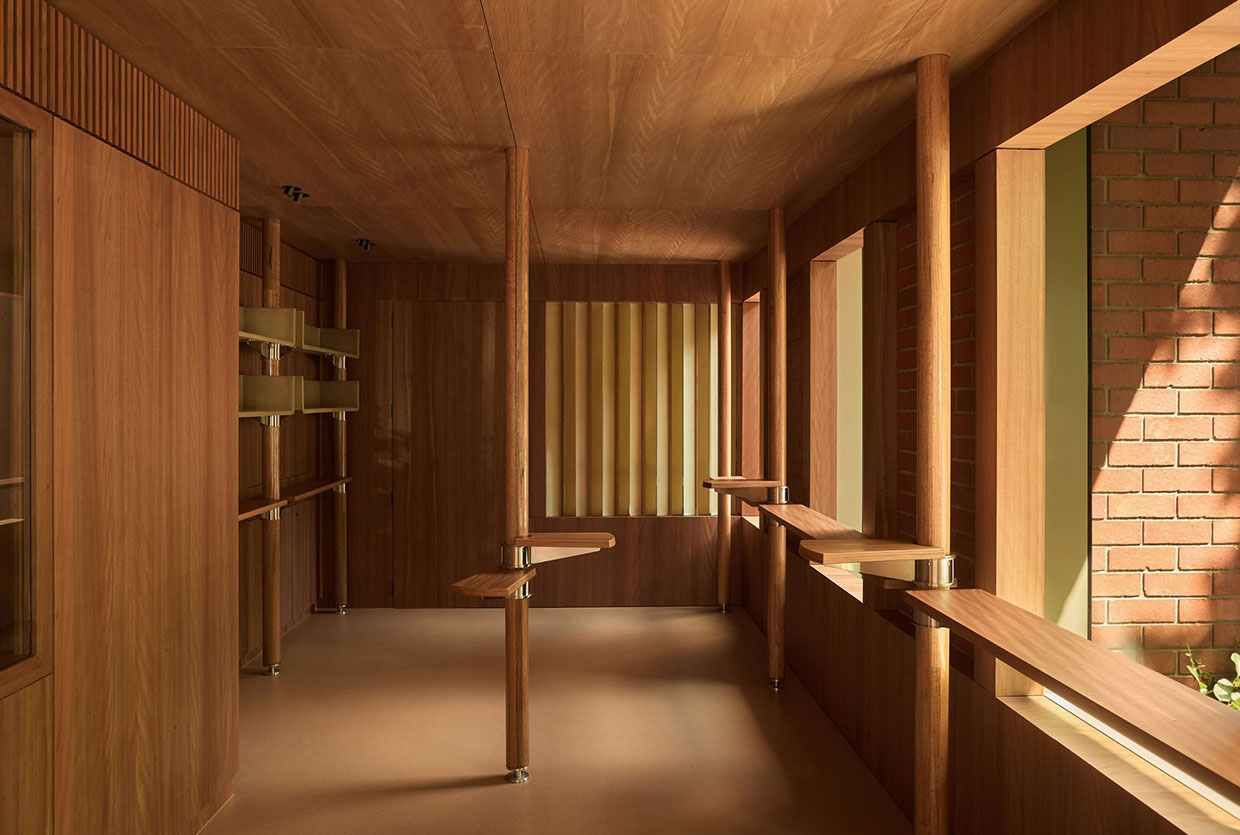
Quick Facts
- Location: Gainesville, Florida (1 mile from the University of Florida)
- Original Build: 1975, designed as the Lebowitz House
- Designers: Andrew Deming and Rachel Gant (Founders of Citra Collection)
- Lot Size: 1 acre of wooded land bordering Hogtown Creek
- Architectural Style: 1970s Sea Ranch-inspired Midcentury Modern
- Current Use: Design-forward retreat (starting at $375/night)
The Late-Night Zillow Find that Changed Everything
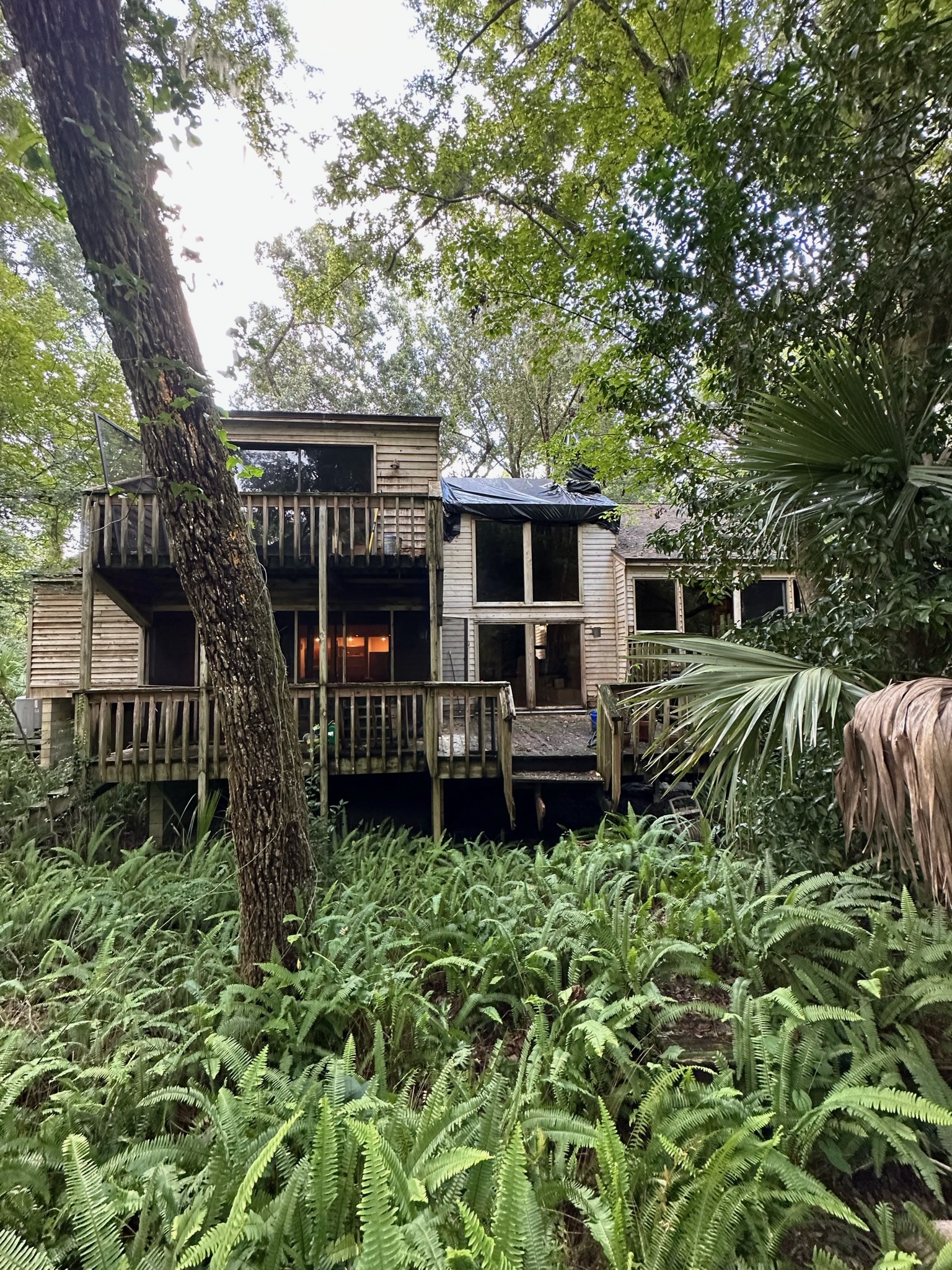
It usually starts with a restless thumb and a blue light glow in the small hours of the morning. For Andrew Deming and Rachel Gant, the duo behind the multidisciplinary design studio Citra Collection, the discovery of the "Lebowitz House" wasn't a planned acquisition. It was a late-night Zillow rabbit hole that revealed a 1975 ruin hidden in the dense canopy of Gainesville, Florida.
Located on a sprawling 1-acre wooded lot just a mile from the bustling University of Florida campus, the property was a time capsule of 1970s ambition—and neglect. The initial reaction was a pragmatic "no way." The house was essentially a sieve; water poured through the roof, the cedar siding was rotting, and the signature glass greenhouse that gave the home its name was failing. However, as designers, they couldn't "unsee" the potential. The sharp rooflines and the integration of the interior with the surrounding woods spoke to a higher architectural calling. Within weeks, the contract was signed, and the rescue mission began.
The Restoration Philosophy: Preserving the Sea Ranch Soul
To understand the Gainesville Greenhouse is to understand the "Sea Ranch" style—an architectural vernacular born on the rugged California coast in the 1960s. It is characterized by vertical cedar siding, shed roofs, and a "living with the land" ethos that values transparency and raw materials over ornament.
The 1975 Gainesville Greenhouse was renovated by designers Andrew Deming and Rachel Gant of Citra Collection, who preserved its midcentury aesthetic while reinforcing its structure. Their philosophy wasn't to "modernize" by erasing the 70s, but rather to distill the original intent into a cleaner, more durable version of itself.
"The house had a very specific soul," Andrew notes. "It wasn't just a midcentury box; it was a Florida interpretation of the Sea Ranch style. Our job was to rescue the architecture from its own decay without losing that sense of enclosure and light."
Structural Salvation: Fixing a House in Crisis
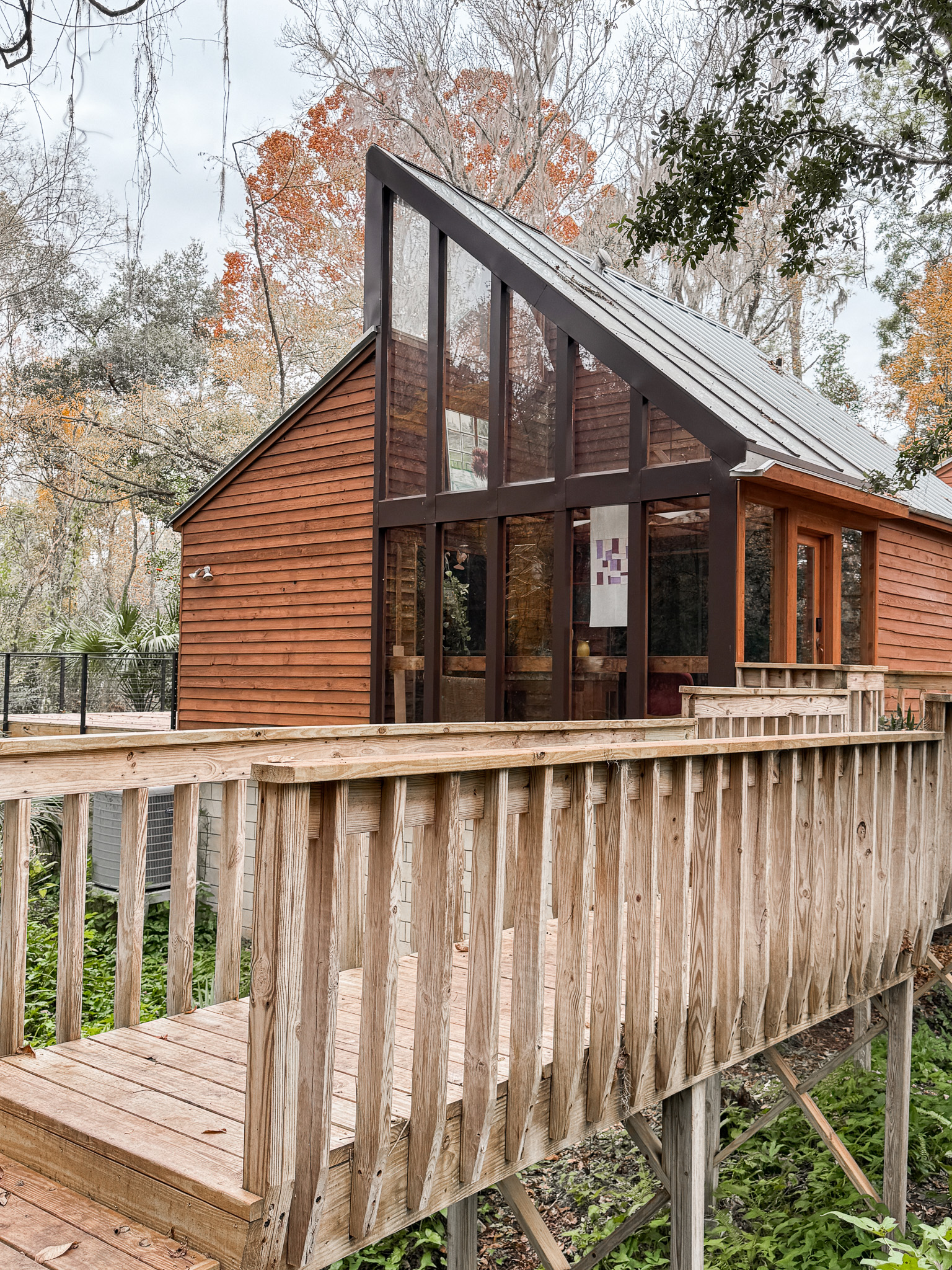
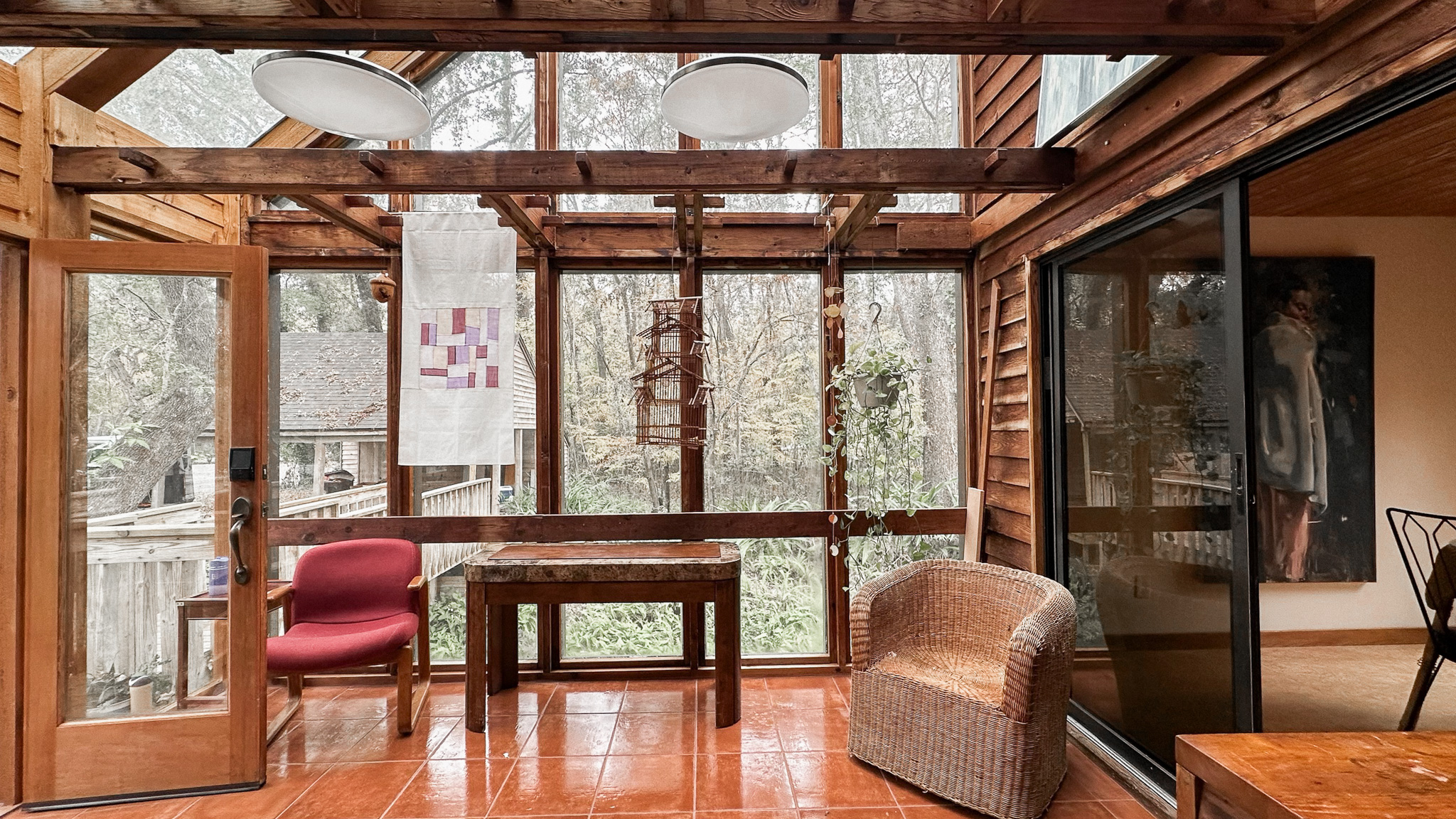
The most daunting challenge was the home’s namesake: the greenhouse atrium. Decades of Florida humidity and termites had turned the structural window mullions into soft, damp wood. To fix the rotting glass framework, the designers built an entirely new structural framework from the exterior, maintaining the original glass footprint while improving safety.
This wasn't a simple window replacement. It required a surgical approach:
- Shoring Up: Temporary supports were installed to keep the roof from collapsing while the rotted members were removed.
- Exterior Skeleton: By building the new support system on the outside, they preserved the clean interior lines of the glass walls.
- Modern Glazing: The original oversized, single-pane skylights—which were both a safety hazard and an energy drain—were replaced with custom-cut laminated glazing.
Room-by-Room: Reimagining the 70s Footprint
The Sunken Living Room & Mezzanine
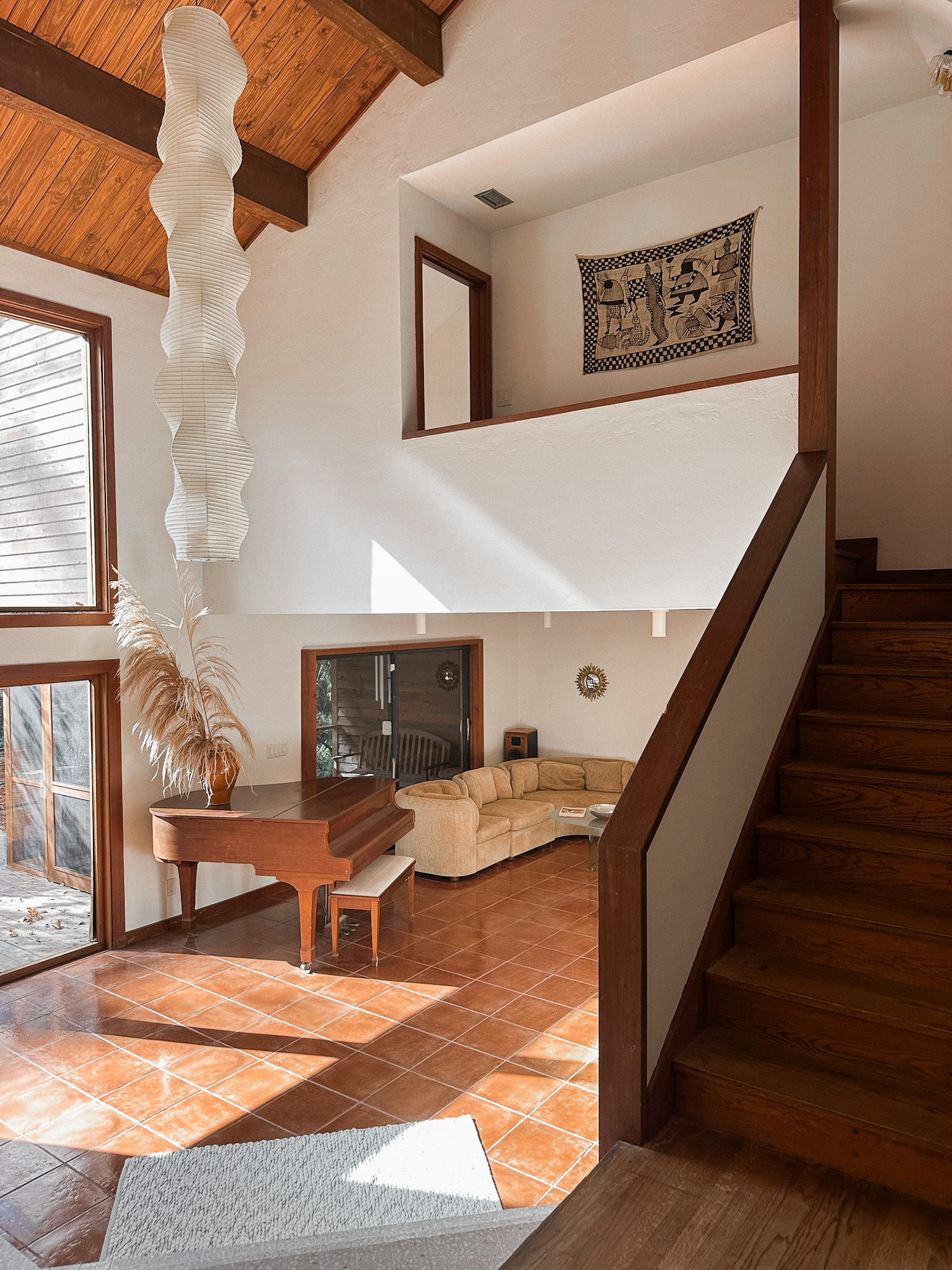
If there is a more iconic 1970s feature than the "social pit," we haven't found it. Andrew and Rachel preserved the sunken living room, but updated the materials to create a more sophisticated, tactile experience. They replaced the crumbling subfloors with Cotto Nature Sicilia tiles, providing a grounding, earthy warmth that echoes the Florida soil outside.
To light the massive vertical void of the mezzanine, they selected an eight-foot Noguchi paper lantern. The choice was deliberate: the lantern provides a soft, ethereal glow that balances the hard angles of the cedar-clad walls.
| Feature | Original State | Restoration Choice |
|---|---|---|
| Flooring | Rotting subfloor/carpet | Cotto Nature Sicilia Terrazzo slabs |
| Lighting | Dated track lighting | 8-foot Noguchi Akari lantern |
| Furniture | Empty/Dilapidated | Original baby grand piano & midcentury lounge seating |
The Kitchen: From Dark Compartments to Open Flow
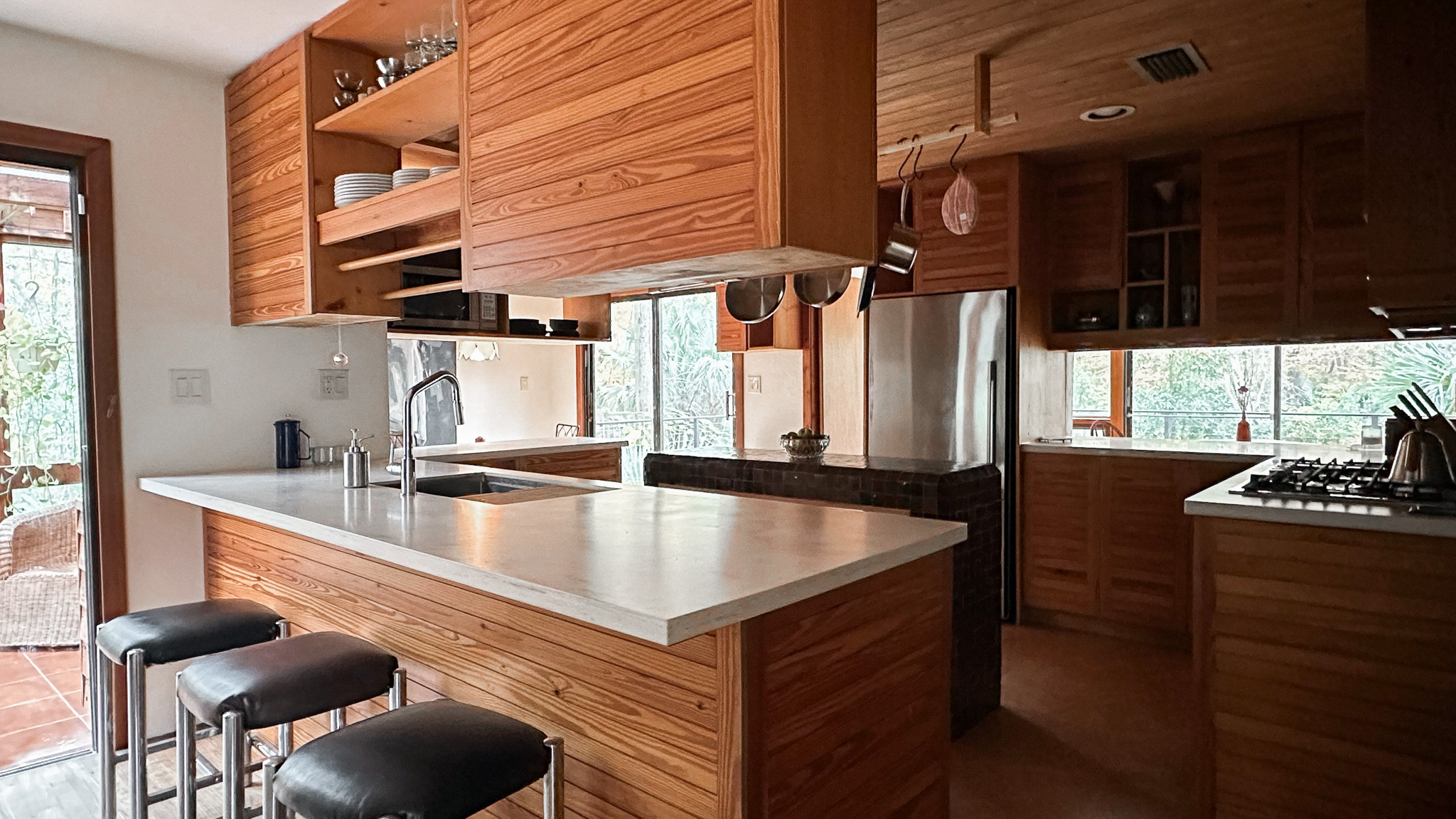
The 1975 kitchen was a product of its time—isolated from the rest of the house by white pegboard walls and first-generation Corian countertops. It felt cramped, despite the house's overall volume.
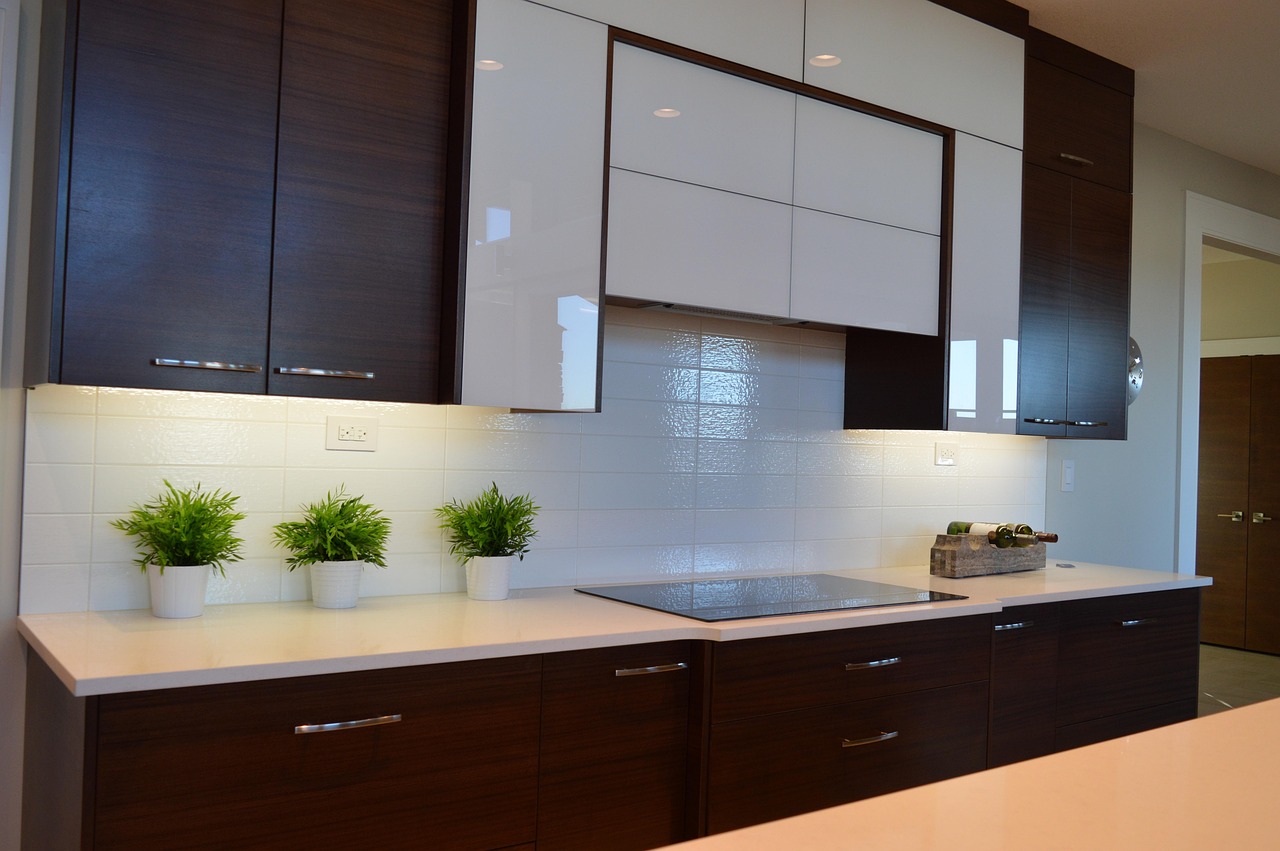
The designers’ solution was the "passthrough." By cutting a wide horizontal opening into the wall separating the kitchen from the dining room, they allowed natural light from the greenhouse to finally reach the back of the house. They replaced the dated cabinets with custom millwork and chose hand-made Zellige tiles by Zia Tile for the backsplash. The result is a kitchen that feels original to the house’s soul but functions for a modern chef.
The Primary Suite: Capturing the 16-Foot Height
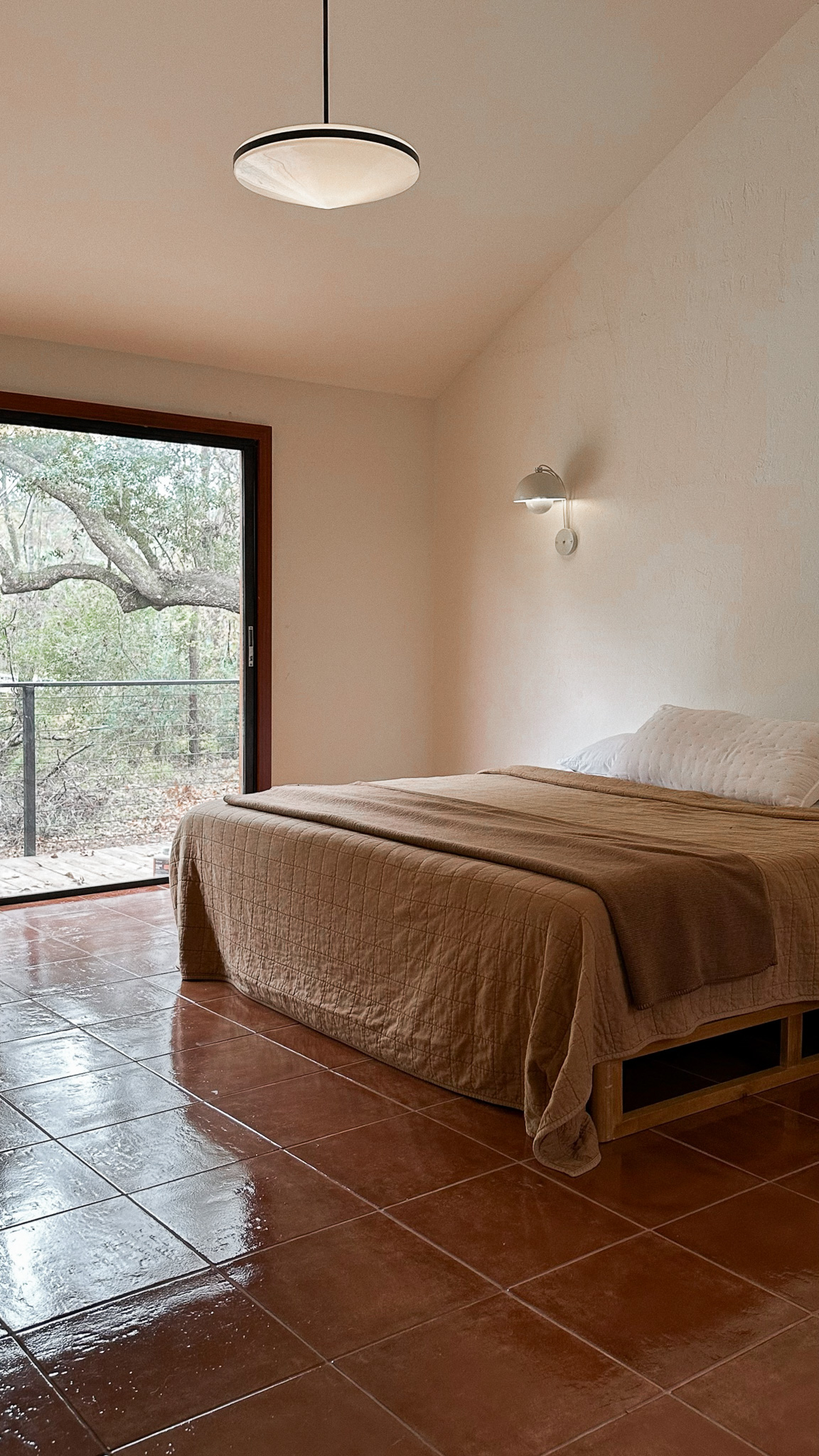
In the original layout, the primary bedroom felt surprisingly claustrophobic. An 8-foot drop ceiling had been installed, likely for HVAC efficiency, which completely hid the home’s dramatic roofline.
Key architectural features of the Greenhouse include an integrated glass atrium, cedar siding, sharp rooflines, and a sunken living room inspired by the Sea Ranch style. By reframing the ceiling and removing the 8-foot barrier, the designers revealed the full 16-foot height of the shed roof. This simple act of "un-renovation" transformed a dark bedroom into a soaring, light-filled sanctuary.
Outside-In: The Connection to Hogtown Creek
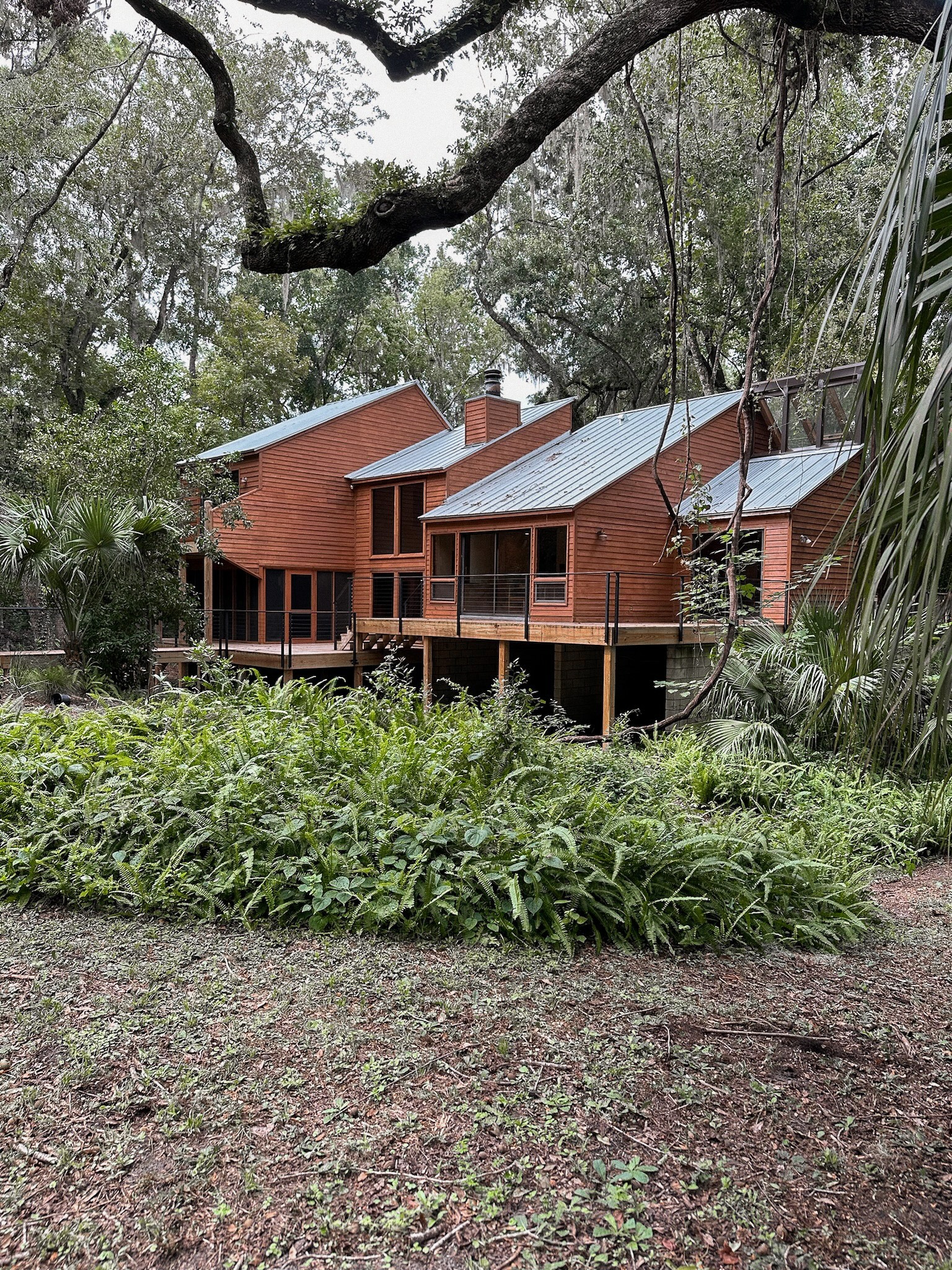
The Gainesville Greenhouse isn't just a house; it’s an ecosystem. The restoration extended beyond the walls to the nearly 1-acre yard that slopes down toward Hogtown Creek. The designers rebuilt the expansive pine decks, which had become dangerous to walk on.
These decks act as a transitional space, allowing guests to sit among the palms and oaks. This connection isn't just aesthetic; the dense tree cover provides crucial passive cooling. In the sweltering Florida summers, the "greenhouse" effect of the atrium is mitigated by the deep shade of the surrounding forest, keeping the home energy-efficient and comfortable.
From Abandoned Ruin to a Design-Forward Retreat
The restoration of the Gainesville Greenhouse is a masterclass in how to revive 1975 midcentury modern ruins without stripping them of their history. It required a year of painstaking work, technical structural engineering, and a deep respect for the Sea Ranch architectural style.
Today, the revitalized 1975 home no longer sits abandoned. It now functions as a design-forward retreat starting at $375 per night, accommodating up to six guests. It serves as both a testament to Andrew and Rachel’s vision and a sanctuary for those looking to experience a piece of Florida's architectural heritage.
FAQ
What is "Sea Ranch style" architecture, and why is it in Florida?
Sea Ranch style originated in California in the 1960s, emphasizing vertical wood siding, shed roofs, and a seamless connection to the landscape. While rarer in Florida, it was adopted by architects in the 70s who wanted to create "treehouse" like structures that could capitalize on Florida's lush, wooded lots.
How do you maintain a house with so much glass in a humid climate?
The key is structural integrity and modern glazing. By replacing the original 1970s glass with laminated, high-efficiency glazing and building a new exterior structural framework, the designers ensured the house could withstand Florida's humidity and heavy rainfall without leaking or rotting.
Can I stay at the Gainesville Greenhouse?
Yes! The property is available for bookings through Citra Collection. It is located just 1 mile from the University of Florida and offers a private, 1-acre wooded escape starting at $375 per night.