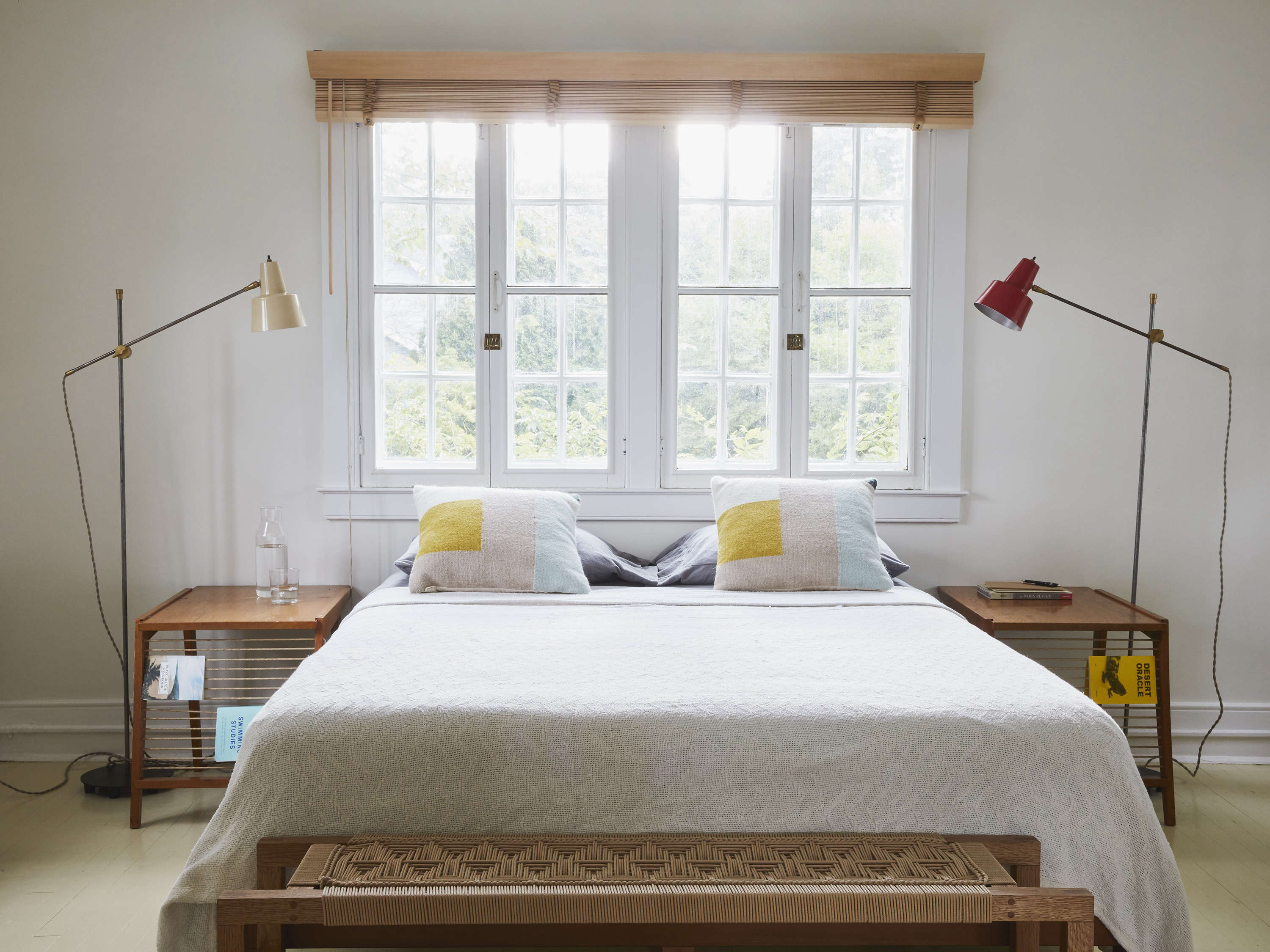
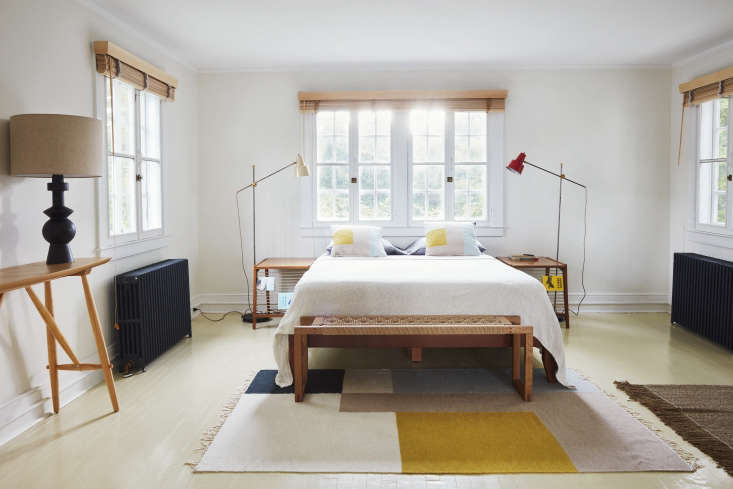
Close your eyes and imagine a space where the ornate, storied moldings of a Haussmann-style apartment meet the sharp, low-slung lines of a 1950s lounge. This is the essence of "French Mod"—a design movement that has moved beyond the "cliché" of Parisian chic into something far more daring, idiosyncratic, and deeply personal. As we look toward 2026, the bedroom is shedding its skin of clinical minimalism. We are entering the era of the "Sanctuary," a space that prioritizes emotional resonance over sterile perfection. A French Mod bedroom is defined by a curated balance of historical architecture and midcentury furniture, accented by an idiosyncratic color palette—such as yellow, dark gray, and pale purple—and artisanal textiles like Ferm Living rugs. It is a look that feels both "found" and fiercely intentional.
The Focal Point: Sculptural Beds and Statement Headboards
In the 2026 design landscape, the bed is no longer just a piece of furniture; it is the room’s primary architectural anchor. We are seeing a dramatic departure from the standard rectangular headboard toward something far more expressive. Industry analysis suggests a 45% increase in consumer interest for oversized, sculpted headboards as the primary design anchor for upcoming bedroom renovations.
To achieve the statement headboard trend, you should opt for supersized, sculptural designs swathed in bold floral patterns or rich, tactile fabrics like mohair and bouclé. The goal is "Cocooning"—creating a visual and physical embrace that makes the bed feel like a room within a room.
12 French Mod Trends to Watch
- Supersized Sculptural Headboards: Think scalloped edges, asymmetrical silhouettes, and heights that reach toward the ceiling.
- The Return of the Modern Canopy: Moving away from traditional silk swathes to minimalist, thin black metal or warm oak frames.
- Pattern Drenching: Applying the same floral or geometric print to the headboard, curtains, and even wall coverings.
- Integrated Lighting: Headboards with built-in alabaster sconces or slim LED reading lights.
- Mohair & Velvet Textures: Deep, jewel-toned velvets that catch the light and add "visual weight."
- Low-Profile Frames: Midcentury-inspired platforms that keep the focus on the wall art and moldings.
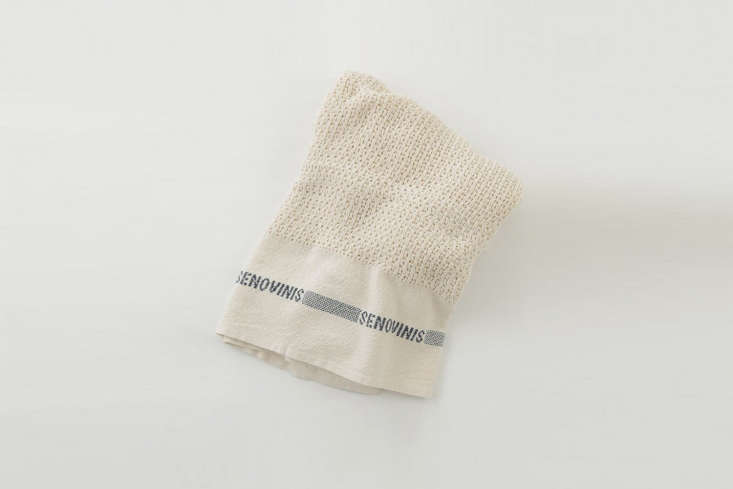
- Artisanal Bedding: Hand-dyed linens and kantha quilts that break the uniformity of "hotel-style" sheets.
- Nervy Color Palettes: Combining "clashing" colors like mustard yellow with lavender or charcoal.
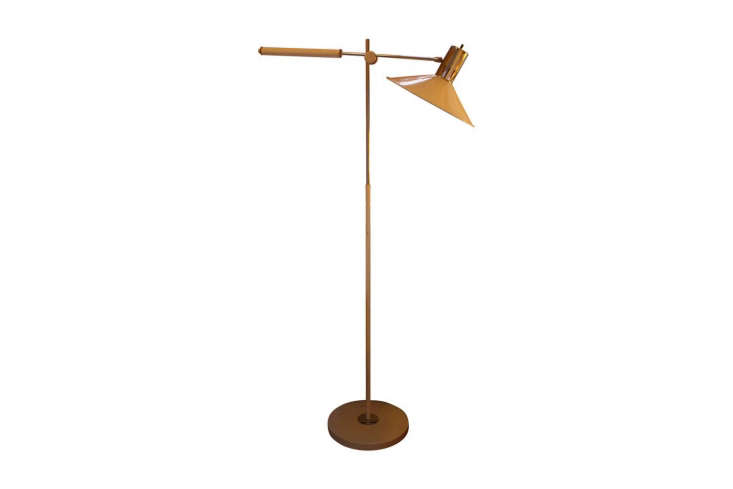
- Curated Vintage Lighting: A single, iconic midcentury floor lamp (like a Grasshopper or Serge Mouille style) to provide a "grit" against soft fabrics.
- The 'Middleist' Approach: Choosing one high-quality, handcrafted piece over five mass-produced items.
- Exposed Architectural Details: Highlighting original floorboards or plasterwork rather than covering them.
- Nature-Inspired Geometry: Using rugs and art that feature organic, irregular shapes rather than rigid grids.
Color Theory: From 'Pale Hound' to 'Neutral Warmth'
For years, the design world was obsessed with "cool" grays and stark whites. In 2026, we are witnessing a seismic shift. Recent design forecasts indicate that 78% of high-end interior designers are shifting toward 'Neutral Warmth' palettes, utilizing rust-toned and deep green accents over traditional monochromatic schemes.
The French Mod palette is famously "nervy." It isn't afraid of colors that might seem "off" at first glance. Think of Farrow & Ball’s Railings—a soft black with blue undertones—used for doors and window frames to provide a sharp, architectural frame for the room. Contrast this with Pale Hound, a sophisticated, green-tinged yellow that brings a sun-drenched, vintage feel to wood floors.
| Color Concept | Recommended Shade | Effect |
|---|---|---|
| The Anchor | Farrow & Ball 'Railings' | Grounding, sophisticated, dramatic. |
| The Floor | Farrow & Ball 'Pale Hound' | Reflective, warm, aged-patina look. |
| The Accent | Deep Terracotta or Rust | Adds "Middleist" warmth and earthiness. |
| The Softener | Pale Purple / Mauve | Softens the grit of midcentury furniture. |

Texture-Maxxing and Pattern Drenching
Texture is the secret language of French Mod design. To "steal the look," you must engage in what we call Sense-scaping—designing for the sense of touch as much as the eye. This involves layering "Underfoot Drama" by pairing flatweave foundations with deep wool piles or artisanal rugs.
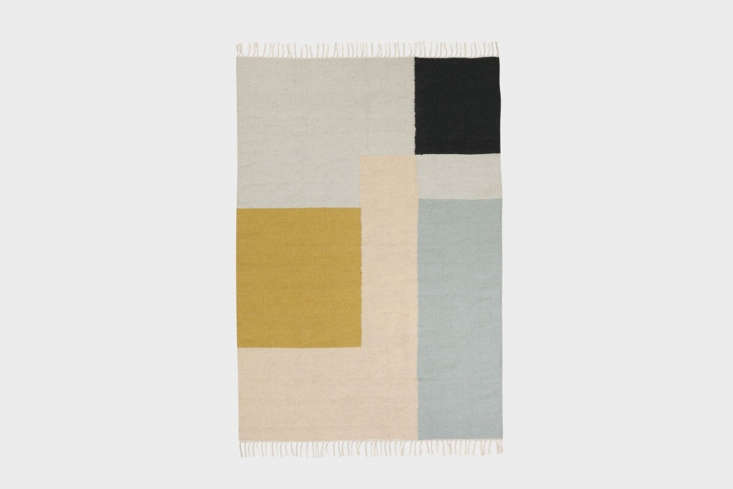
A Ferm Living Kelim rug, for instance, provides the perfect geometric counterpoint to a plush, oversized bed. The trend of "Pattern Drenching" is also making a comeback; by coordinating prints from the bedding to the window treatments, you create a seamless visual flow that feels incredibly cozy.
Editor’s Tip: When pattern drenching, keep the scale in mind. If your headboard has a large-scale floral, use a smaller, tighter geometric print for your throw pillows to avoid visual "noise."
Furniture & Lighting: The Midcentury Edge
The "Mod" in French Mod comes from the 1950s and 60s—the era of experimentation. To achieve this, look for furniture that feels idiosyncratic. This means mixing vintage finds with custom woodworking.
- Lighting as Sculpture: Forget standard ceiling mounts. Opt for swing-arm floor lamps or wall-mounted sconces that look like modern art. These pieces provide focused task lighting while maintaining a clean bedside profile.
- Functional Storage: We are seeing a return to vintage-inspired French bedside tables. These aren't the spindly, fragile things of the past, but solid wood pieces with multiple drawers designed to hide tech clutter and "sleep hygiene" essentials.
- The Nook: In smaller bedrooms, the French Mod look utilizes built-in bed nooks. By framing the bed with custom cabinetry or deep-set alcoves, you maximize space while creating that coveted "cocoon" effect.
The 'Middleist' Philosophy: Quality Over Quantity
As we move toward 2026, the 'Middleist' bedroom approach is becoming the gold standard for luxury. This philosophy focuses on quality over quantity and craftsmanship over clutter. It’s about creating spaces that feel lived-in, restful, and emotionally resonant rather than strictly minimalist.
Designing for "Sleep Hygiene" is a core tenet of this approach. This means choosing natural, breathable materials—like organic cotton, heavy linens, and wool—that regulate temperature and moisture. The 'Middleist' doesn't buy a matching bedroom set from a catalog; they curate. A vintage French dresser might sit across from a brand-new, ergonomically designed bed, tied together by a shared commitment to materiality and form.
FAQ
How do I make a French Mod bedroom feel cozy rather than cold? The key is "Neutral Warmth." Avoid stark whites and instead use "nervy" neutrals like cream, pale yellow, or soft mauve. Layering different textures—such as a wool rug over wood floors and a mohair throw on a linen bed—adds the physical warmth needed for a sanctuary.
Can I achieve this look on a budget? Absolutely. The French Mod look thrives on "The Mix." Invest in one "anchor" piece (like a statement headboard or a high-quality rug) and source the rest from vintage shops or secondhand marketplaces. A vintage midcentury lamp or a pair of thrifted French-style nightstands can be refinished to look like high-end designer pieces.
What is 'Sense-scaping' exactly? Sense-scaping is the practice of designing a room to appeal to all senses, not just sight. In the bedroom, this means prioritizing tactile fabrics, using natural scents (like lavender or cedar), and ensuring the room has a "hushed" acoustic quality through the use of rugs and heavy drapery.
Bring the French Mod Vision Home
Designing a Bold French Mod sanctuary is about more than just following a trend; it’s about reclaiming your rest. By balancing the grit of midcentury design with the soul of historical architecture, you create a room that isn't just a place to sleep, but a place to truly be. Start by choosing your "anchor"—be it a sculptural headboard or a daring new paint color—and let the rest of the room evolve around it.