In the vast, undulating landscape of South Australia, where the mallee scrub meets the horizon, a new architectural landmark has emerged that challenges our traditional understanding of luxury hospitality. The Monarto Safari Resort, a sprawling 5,000-square-metre masterstroke by the Adelaide-based firm Studio Gram, is not merely a place to rest between game drives. It is a profound meditation on "cultural convergence"—a design language that bridges the rugged spirit of the Australian outback with the soul of the African savanna.
For the modern traveler, the term "safari" often conjures images of colonial-era pastiche: khaki canvas, dark mahogany, and perhaps a predictable splash of animal print. However, Studio Gram—led by the visionary trio of Graham Charbonneau, Olivier Martin, and Tess Sporn—has bypassed these clichés entirely. Their approach at Monarto is defined by a "creative amalgamation" of two continents, focusing on a deep-seated authenticity achieved through handcrafted details, indigenous narratives, and a rigorous selection of local materials. The result is a project that feels less like a transplanted lodge and more like a natural evolution of the site itself.
Quick Facts: Monarto Safari Resort
| Feature | Details |
|---|---|
| Architect/Interior Designer | Studio Gram |
| Location | Monarto Safari Park, South Australia |
| Total Footprint | 5,000 Square Metres |
| Key Materials | Rammed earth, weathering steel, South Australian stone |
| Awards | 5 Major Recognitions (including 2023/24 SA Architecture Medal) |
| Core Philosophy | Cultural convergence and sustainable luxury |
The Gateway: Monarto Safari Park Visitor Centre
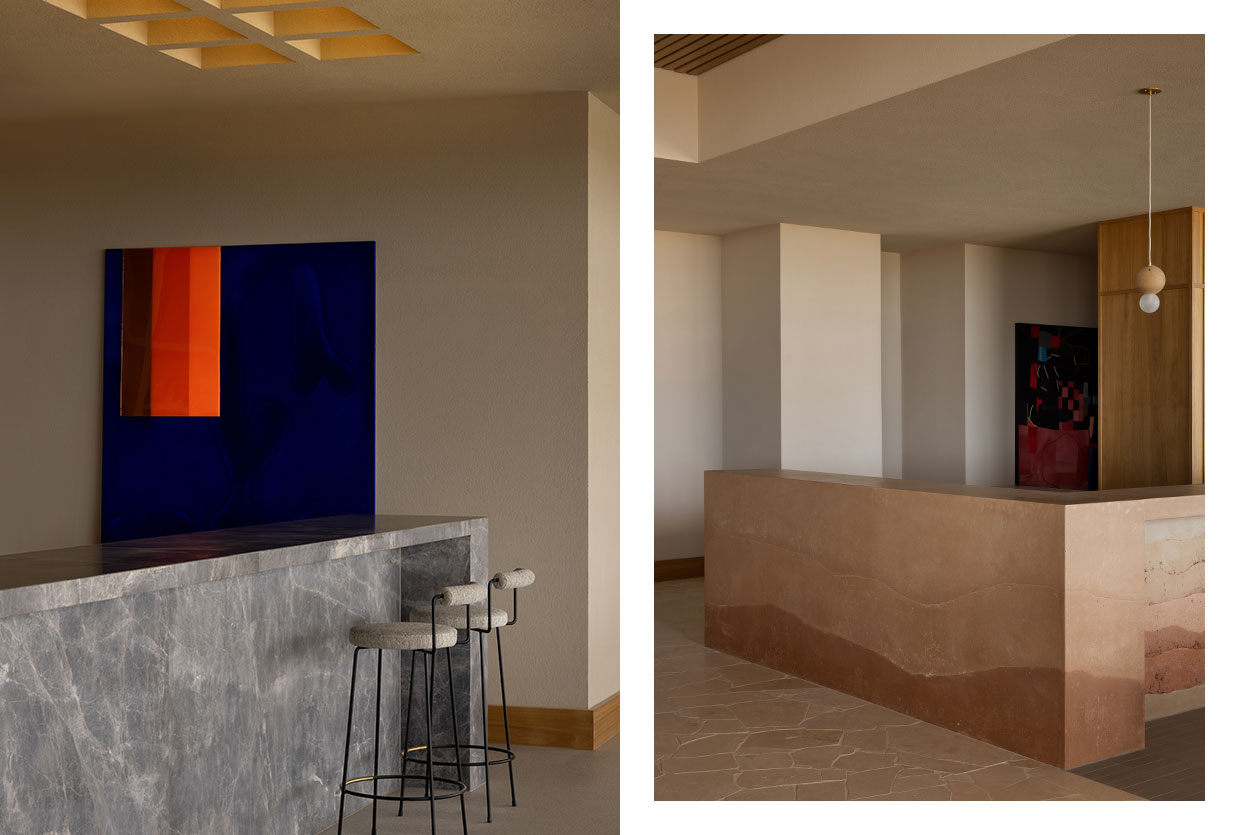
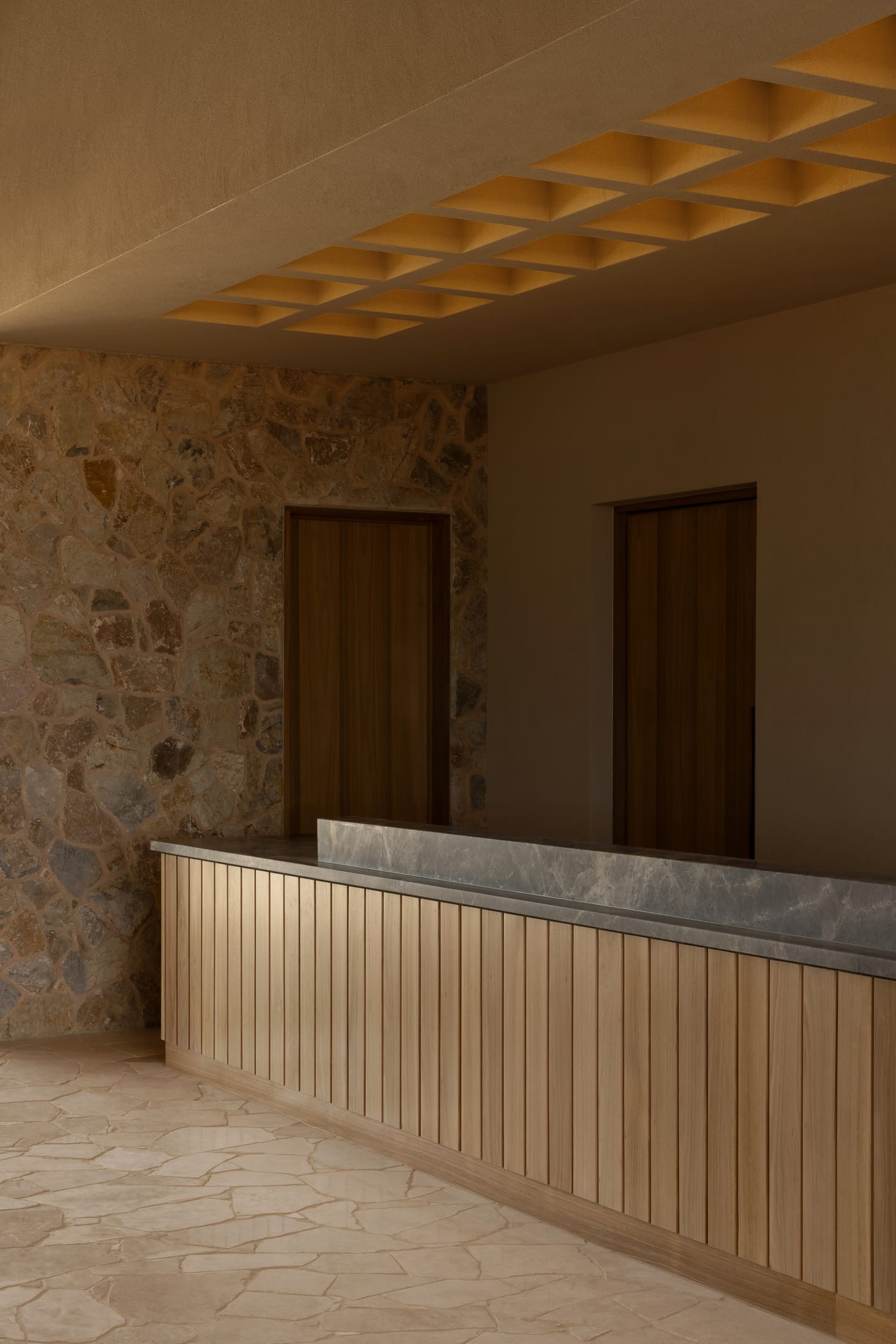
The journey into this immersive experience begins at the Monarto Safari Park Visitor Centre. Architecture, at its best, acts as a storyteller, and here, the story is one of meeting points. The building’s form is dictated by a dual material palette that is as symbolic as it is aesthetic. Massive, tactile walls of rammed earth represent the "heavy," grounded connection to the Indigenous Ngarrindjeri people, the traditional custodians of this land. In contrast, the soaring, ribbon-like forms of weathering steel represent the "light," more contemporary influence of African architectural vernaculars.
This intersection is not accidental. The design team worked meticulously to ensure that the convergence of these two distinct cultures—Indigenous Australian and African—was represented with equal gravity. The weathering steel, with its ochre-hued patina, mirrors the iron-rich soils of both continents, creating a visual bridge that defies geographical boundaries.
The brilliance of the Visitor Centre has not gone unnoticed by the global design community. Between 2023 and 2024, the project secured five major industry recognitions. Most notably, it was awarded the prestigious SA Architecture Medal, a testament to its success in balancing complex cultural narratives with functional excellence.
Interior Excellence: Beyond Safari Pastiche
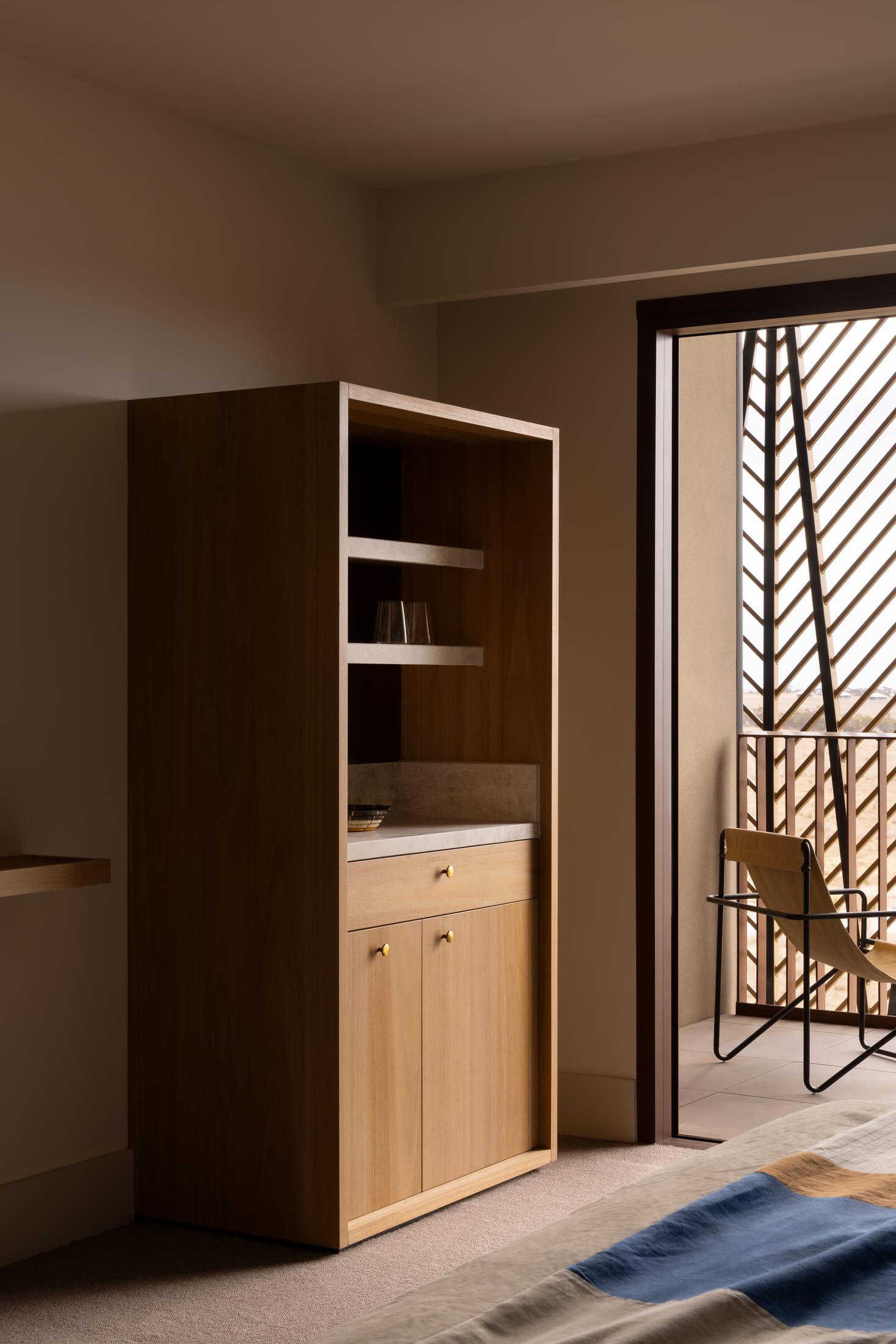
Stepping inside the resort, the "Studio Gram touch" becomes immediately apparent. There is a sophisticated restraint at play—a refusal to succumb to the "Disney-fication" of the safari experience. Instead, the interiors celebrate an eclectic curation of patterns, crafts, and colors that feel both grounded and global.
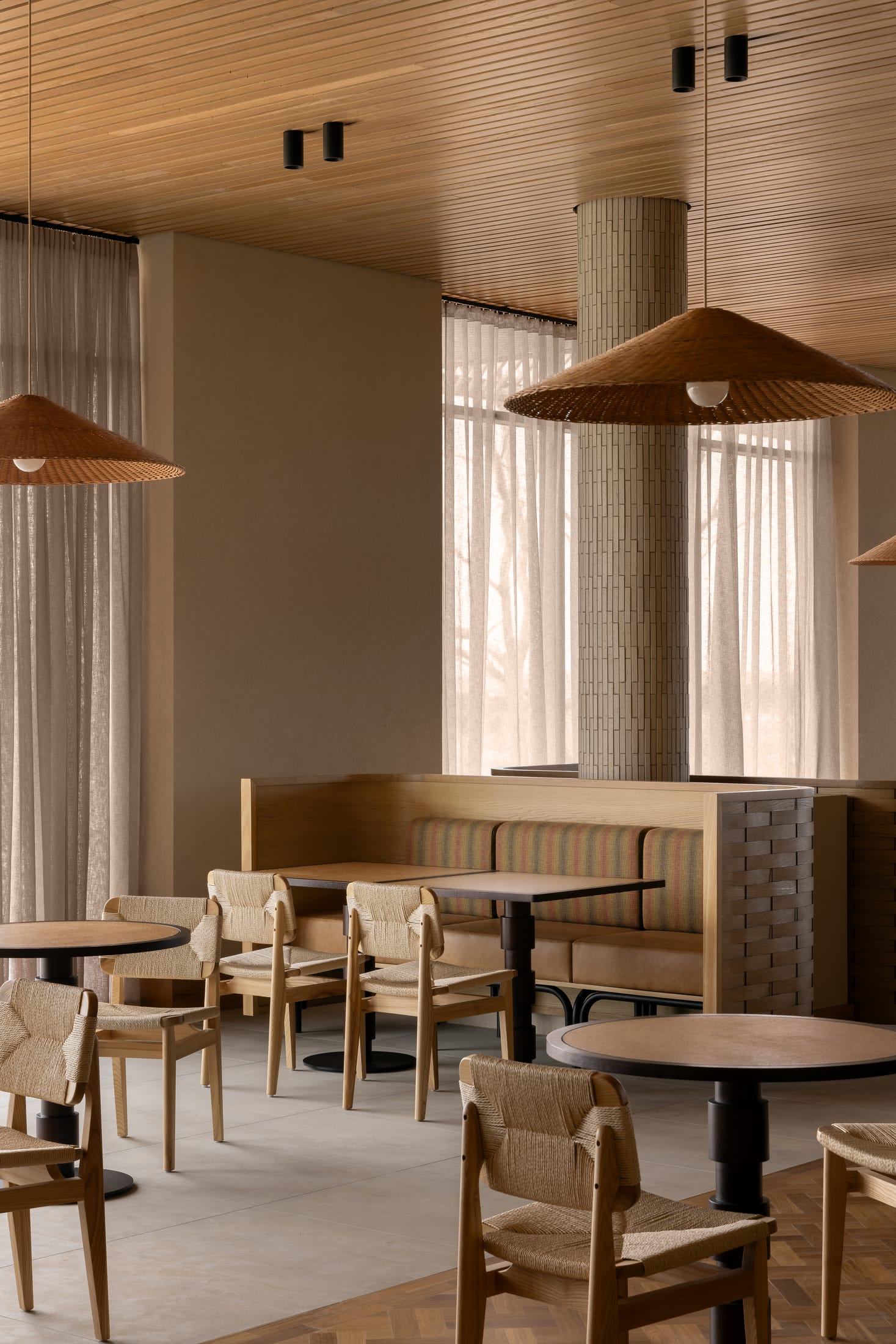
The design team’s philosophy centers on the idea of "substance over surface." Rather than relying on overt cultural symbols, they have utilized a rich tapestry of textures to tell the story. Think hand-glazed tiles that catch the desert sun, woven fibers that add warmth to the minimalist architecture, and a color palette that moves from deep umbers to soft, dusty greens.
"A creative amalgamation of two continents, where the architecture doesn't just house a visitor—it facilitates a conversation between the land and its history." — Studio Gram
One of the most impressive feats of the interior design is how it avoids cultural appropriation. This is achieved through clarity of intent. Every pattern and every object is chosen with respect for its origin, ensuring that the "safari" element feels like an organic part of the hospitality experience rather than a decorative afterthought. The spaces are voluminous yet intimate, using scale to mirror the vastness of the park while using lighting and texture to create "pockets of comfort."
Grounded in Place: Supporting South Australian Craft
What truly elevates Monarto Safari Resort into the realm of world-class design is its unwavering commitment to its regional context. Studio Gram understood that to prevent the resort from feeling like an alien structure dropped into the mallee, it needed to be physically and emotionally tethered to South Australia.
This grounding is achieved through an extensive collaboration with local makers and artists. The furniture and artwork are not mass-produced; they are pieces of South Australian soul.
- Jam Factory: The resort features bespoke furniture and glasswork from this iconic Adelaide institution, ensuring that every chair and light fixture has a pedigree of local craftsmanship.
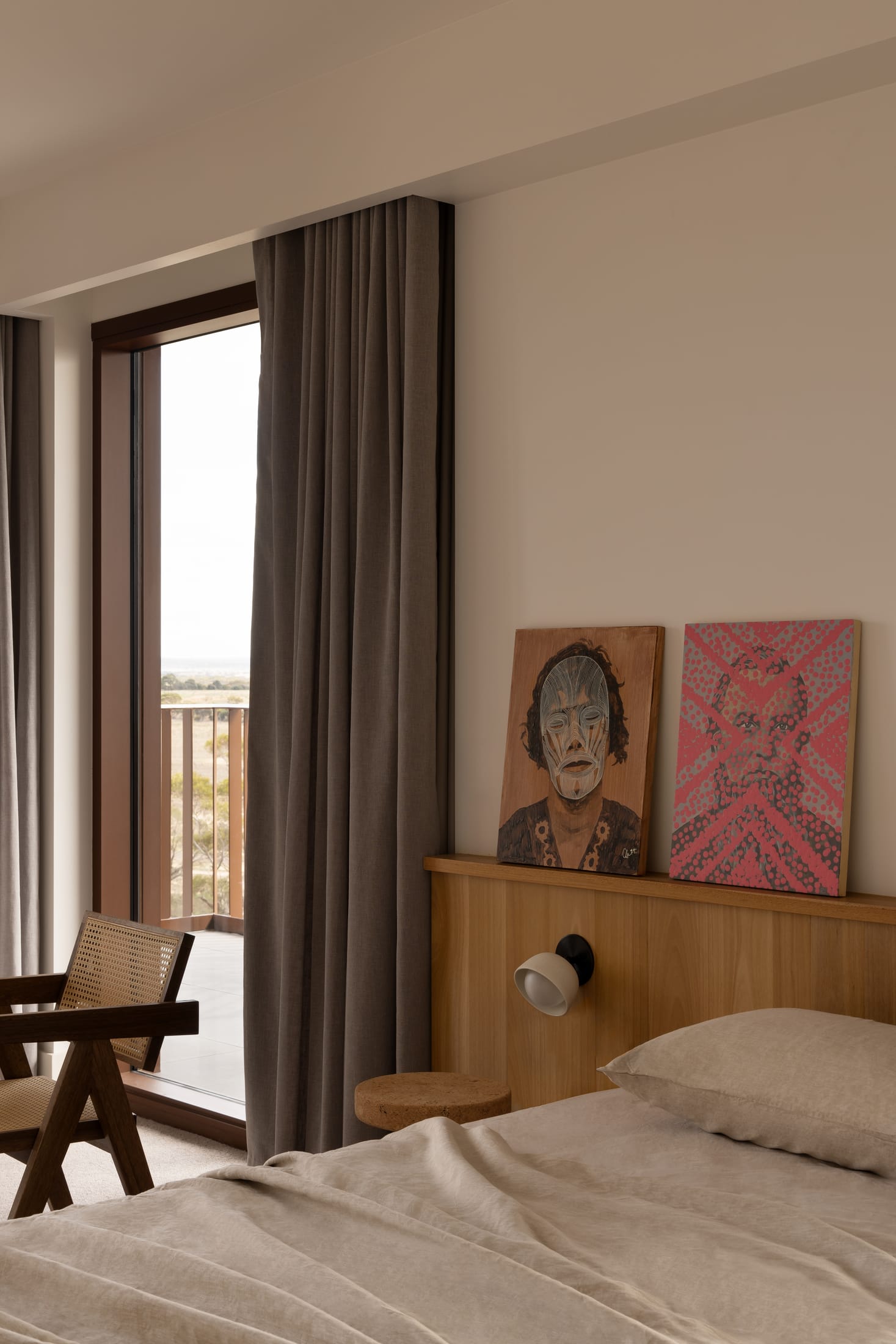
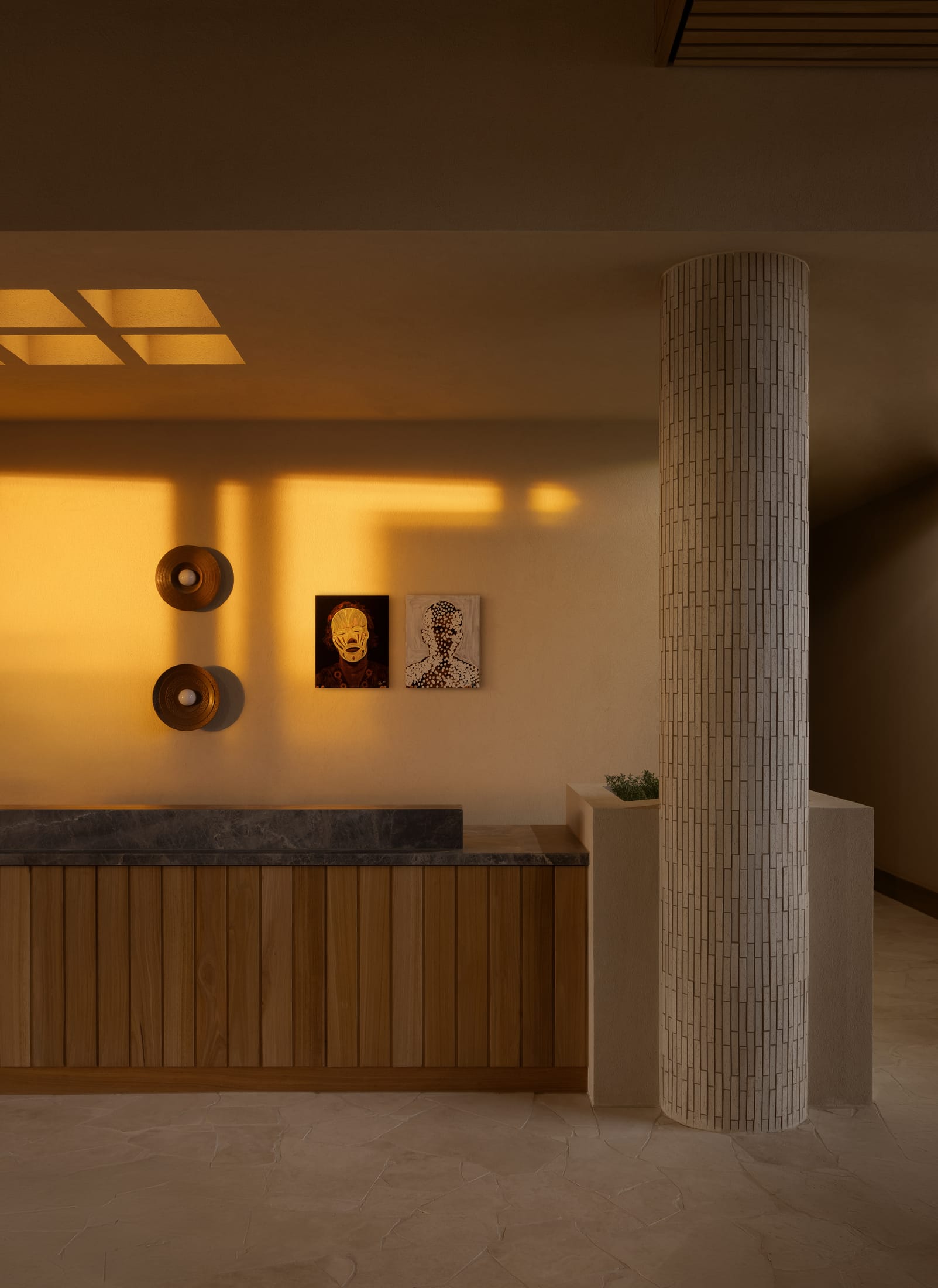
- Contemporary Art: Works by celebrated artists such as Christian Lock and Damien Shen are integrated into the public and private spaces. These pieces provide a contemporary commentary on identity and landscape, further deepening the guest's connection to the region.
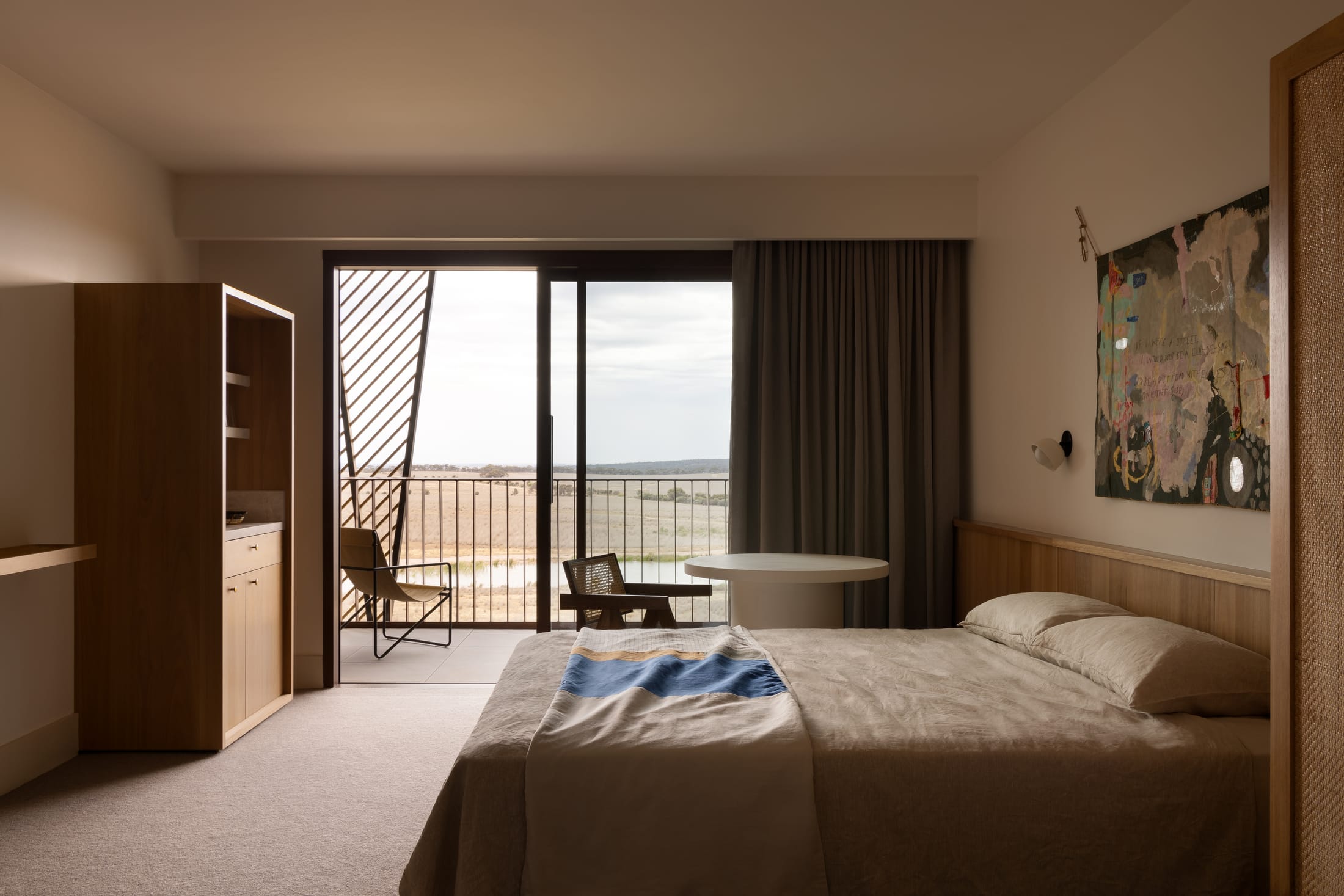
This focus on local craft is a masterclass in "sustainable luxury." By sourcing within the state, the project reduces its carbon footprint while simultaneously supporting the local creative economy. It creates an emotional connection that "surface-level luxury"—often characterized by imported Italian marble or generic high-end brands—simply cannot match.
The Future of Luxury Safari Accommodation
The Monarto Safari Resort represents a significant shift in the global hospitality landscape. It moves away from the "outsider looking in" model of luxury and toward an "insider living through" experience. By prioritizing cultural authenticity and story-driven design, Studio Gram has created a template for how we should approach hospitality in sensitive landscapes.
In an era where travelers are increasingly seeking meaning over mere "instagrammability," Monarto stands as a beacon of mature design. It proves that you can have 5,000 square metres of high-end hospitality that remains humble, respectful, and deeply connected to its roots.
FAQ
How does the design of Monarto Safari Resort reflect Indigenous Australian culture? The design incorporates heavy rammed earth walls, which serve as a structural and symbolic nod to the "grounded" nature of the Ngarrindjeri people. Additionally, the integration of artwork by Indigenous artists like Damien Shen ensures that the cultural narrative is authentic and respectful rather than decorative.
What makes the material choices at Monarto "sustainable"? Studio Gram focused on materials that are either locally sourced, like South Australian stone, or those that have high thermal mass, like rammed earth. Weathering steel was chosen for its longevity and low maintenance, as it develops a protective patina that thrives in the harsh Australian climate without the need for toxic paints or coatings.
Is the resort open to the public for day visits? While the resort accommodation is designed for overnight guests seeking a luxury experience, the Monarto Safari Park Visitor Centre is open to the public. It serves as the primary entrance to the park and offers a chance to experience the award-winning architecture, including the café and exhibition spaces.
How did Studio Gram avoid "safari clichés" in the interior design? By focusing on a "creative amalgamation" of textures and crafts rather than literal symbols. Instead of stereotypical motifs, they used a sophisticated palette of handcrafted tiles, local timber, and bespoke furniture from makers like Jam Factory to create a unique atmosphere that feels rooted in both Africa and South Australia.