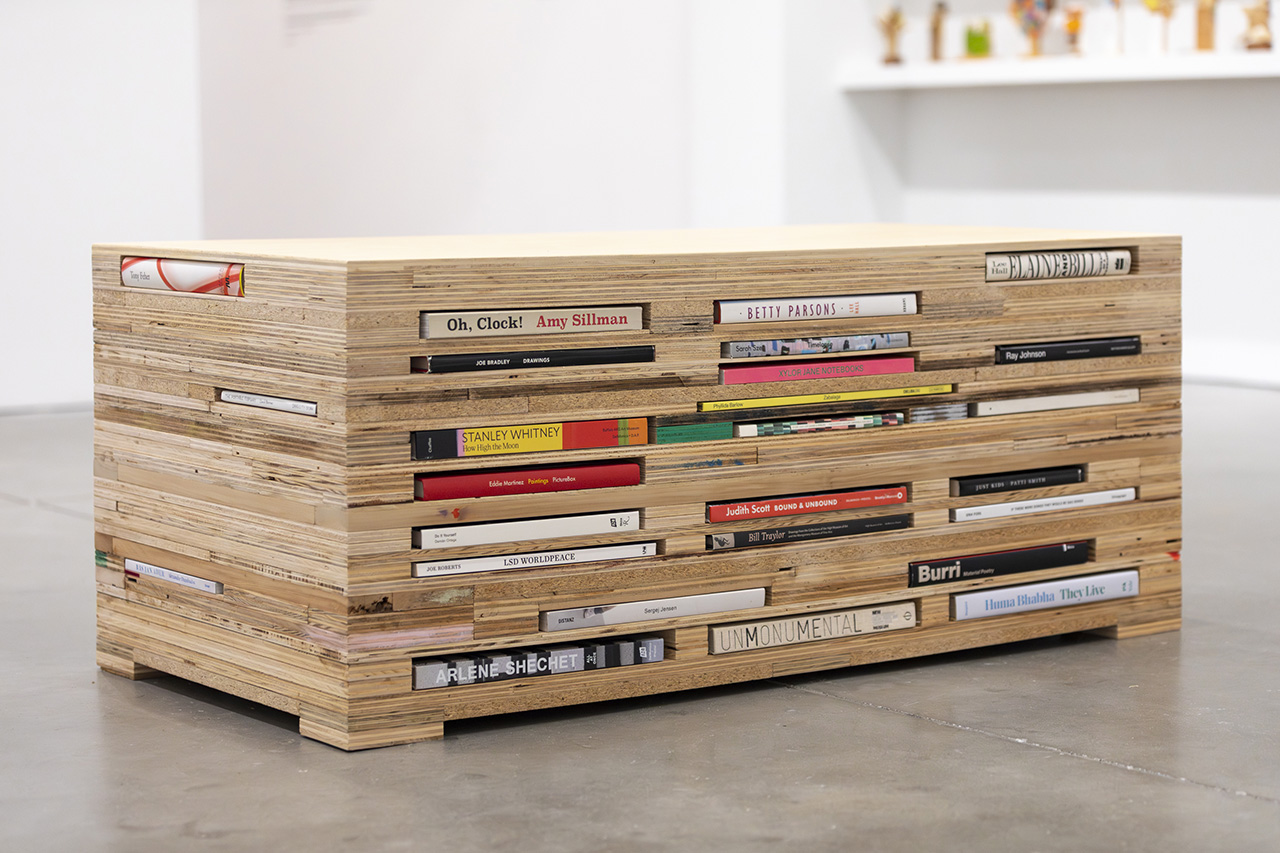
Is the world as dark as we perceive it, or is it merely filtered through the wrong material? As we stand on the precipice of 2025, the very fabric of our built environment is undergoing a quiet, translucent revolution. In my years covering sustainable home solutions and energy-efficient design, I have seen many "materials of the future" come and go. Yet, the current convergence of glass and fiber is different. It isn’t just a change in aesthetic; it is a fundamental shift in how we balance the competing demands of durability, energy efficiency, and human emotion.
The future of materiality in design is no longer about choosing between the beauty of glass and the strength of steel. Today, these materials redefine modern design by bridging the gap between aesthetic translucency and structural durability. By utilizing optical refractions and advanced fiber-reinforced polymers (FRPs), designers are creating lightweight, high-strength objects that challenge our traditional understanding of weight and transparency.
1. The Art of Perception: Refractions and Illusions
In the realm of high-end interior and architectural design, materiality has shifted from "surface treatment" to "atmospheric generator." We are seeing a move away from "soft" volume—bulky, opaque furniture and walls—toward "sharp" transparency. This is achieved through sophisticated refractive glass techniques that treat light as a primary building material rather than a secondary effect.
Artists and designers like Sven Sauer are leading this charge. His 'DEVIATION' series uses immersive glass installations to explore how light can be bent and trapped to define space without physical barriers. This technique relies on the refractive index of specific glass compositions, allowing a single light source to illuminate an entire room through calculated internal reflections.
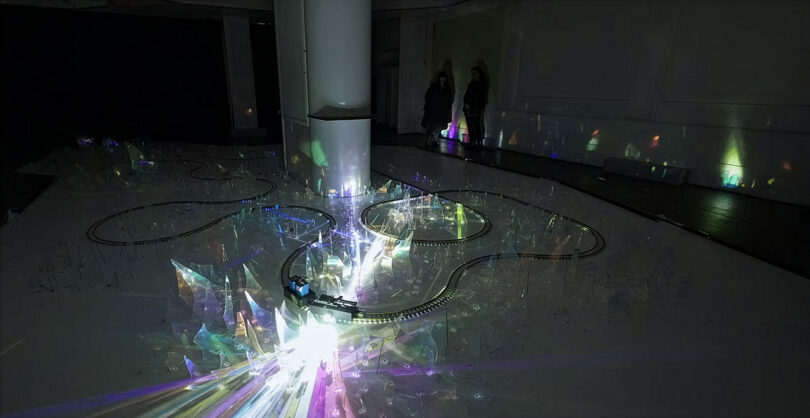
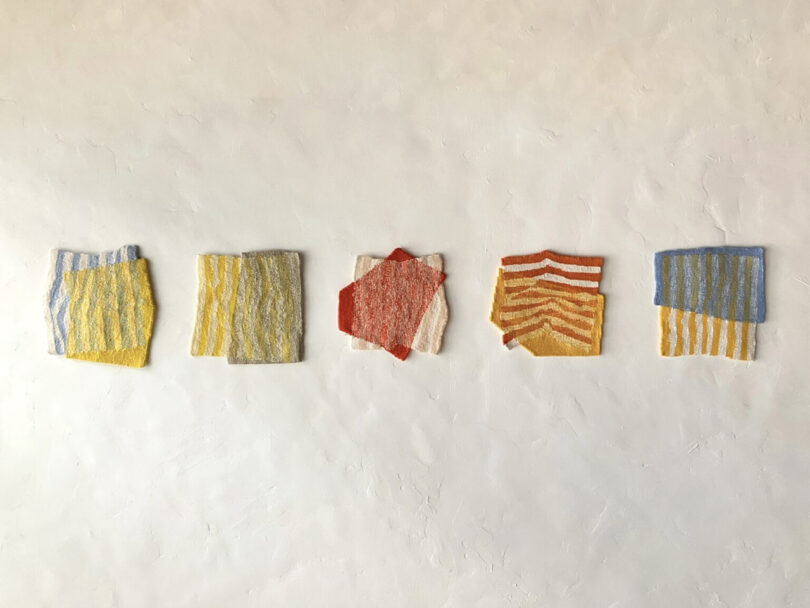
Parallel to this, innovative fiber art and textures are redefining the tactile experience of our homes. The work of Misako Nakahira, for instance, utilizes "unlayered" optical illusions where woven fibers create surfaces that seem to shift and shimmer as the viewer moves. This isn't just art for art's sake; it's a study in how we can use sustainable, thin-gauge fibers to create visual depth without the material waste of traditional heavy upholstery.
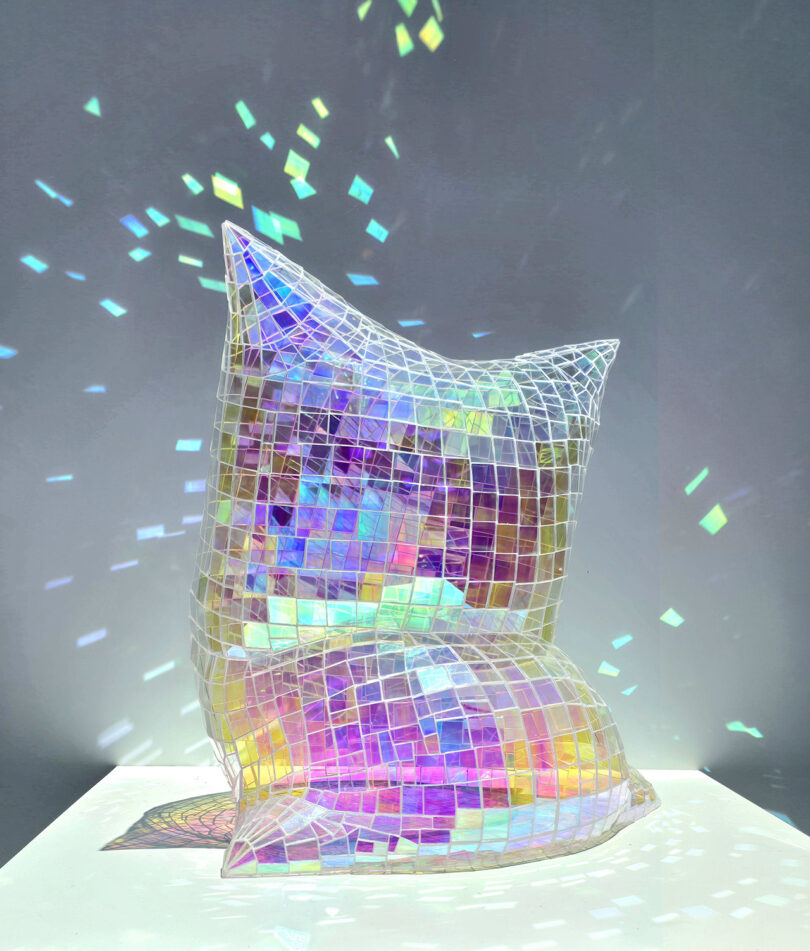
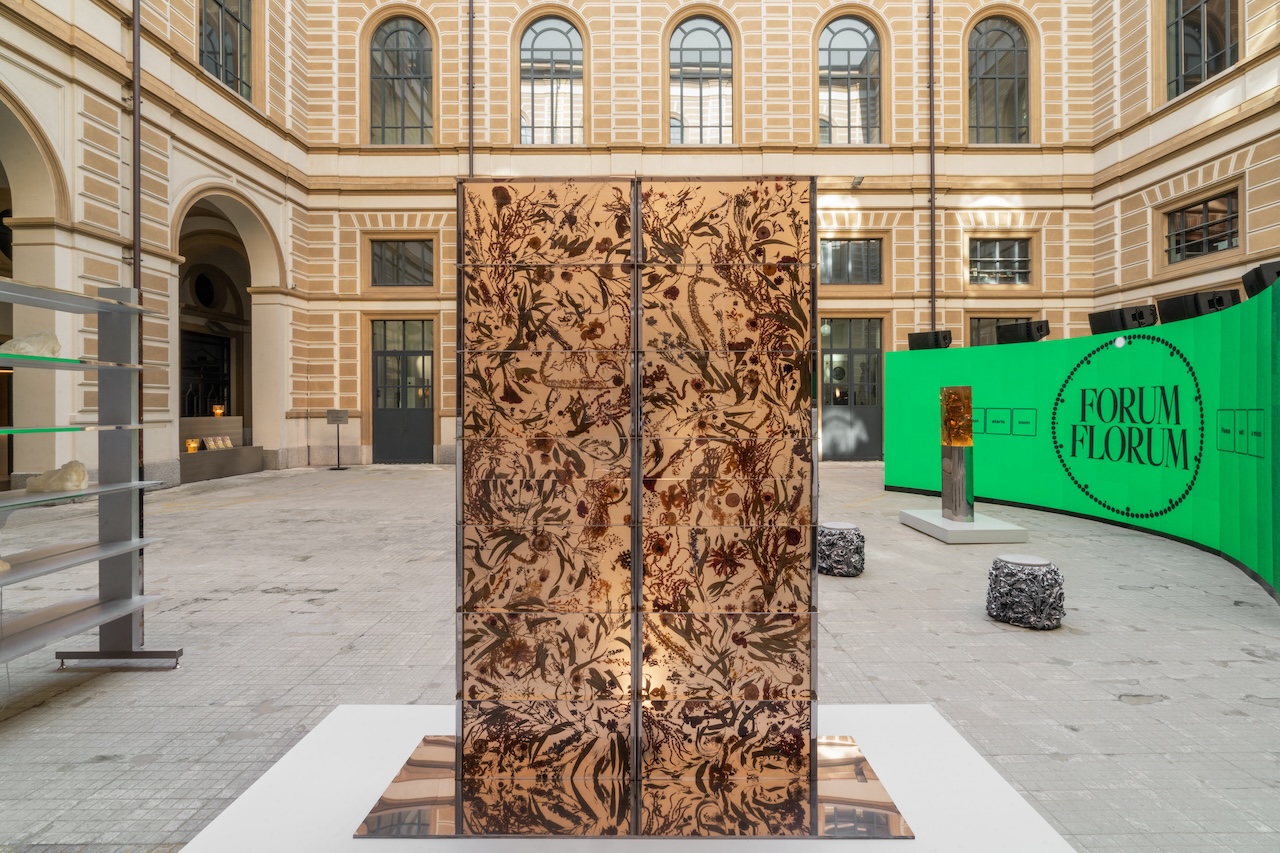
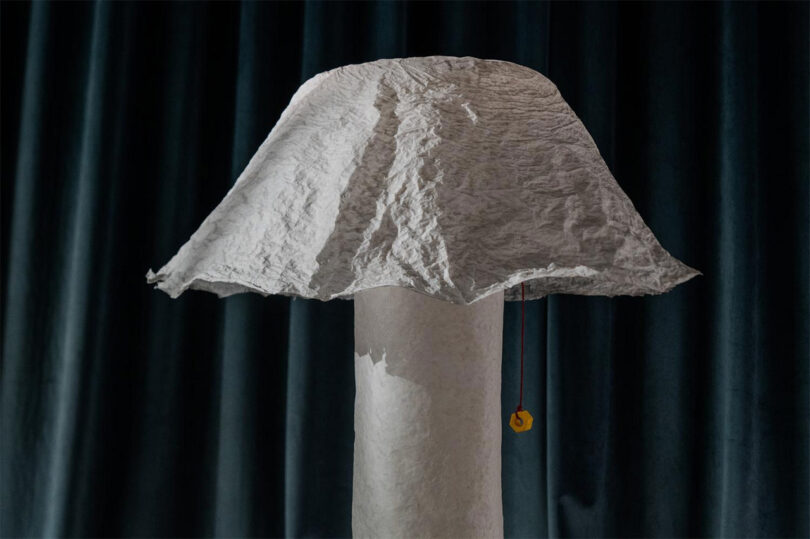
The evolution of domestic objects is particularly striking. We are seeing a rise in "crumpled" textures and light-diffusing resins that take everyday items—from lamps to partitions—and turn them into conduits for natural light. This shift reduces the need for heavy artificial lighting and creates a more organic, calming living environment.
2. The Industrial Powerhouse: The GFRP Revolution
While the artistic side of glass and fiber satisfies our aesthetic needs, the industrial application of these materials is solving some of the most pressing engineering challenges of our time. The Glass Fiber Reinforced Polymer (GFRP) market is currently a "material science battleground" where the winners are those who can deliver the highest strength-to-weight ratios.
The market outlook for glass fiber reinforced polymer is exceptionally bullish. Experts project the global GFRP market to grow from $71.17 billion in 2025 to $94.70 billion by 2031, maintaining a steady 4.91% CAGR. This growth is largely driven by the urgent need for automotive electrification and the rehabilitation of aging infrastructure. North America is currently leading this charge, projected to hold a 46.2% market share by 2026, fueled by a massive push for aerospace innovation and "smart" city development.
Why is industry turning its back on traditional metals? The answer lies in the "Performance Gap":
| Feature | Traditional Steel/Aluminum | GFRP Composites |
|---|---|---|
| Weight | Heavy (high fuel/energy cost) | Ultra-light (30-40% lighter) |
| Corrosion Resistance | Low (requires constant maintenance) | Exceptional (impervious to rust/salt) |
| Design Freedom | Limited by machining/welding | High (can be molded into complex curves) |
| Thermal Conductivity | High (poor insulator) | Low (excellent thermal barrier) |
| Longevity | 25-50 years | 100+ years in certain applications |
Lucas’s Insider Tip: For homeowners, this industrial shift is trickling down into residential products. GFRP window frames and doors are becoming the gold standard for Passive House certifications because they provide the structural strength of metal without the "thermal bridging" that leads to heat loss.
3. Designing for Performance: Automotive and Aerospace
The most dramatic examples of the future of materiality are found in the vehicles that move us. In the automotive sector, the transition to Battery Electric Vehicles (BEVs) has made weight reduction an existential necessity. Every kilogram saved in the chassis or battery casing translates directly into increased range.
Glass-mat thermoplastic (GMT) composites are now being used for BEV platform components. Unlike steel, these composites can be molded into complex, aerodynamic shapes that also house battery cooling systems. Similarly, in the aerospace sector, the Boeing 787 Dreamliner stands as a testament to this shift, comprising 50% composite materials by weight. This isn't just about saving fuel; it’s about structural durability. Fiber-reinforced polymers handle the repeated pressurization cycles of flight far better than traditional aluminum, leading to longer service lives and safer aircraft.
4. Architectural Transformation: Textiles and Smart Envelopes
Modern architecture is increasingly borrowing from the textile industry to create "smart envelopes." These are building skins that do more than just keep the rain out; they actively manage the interior environment.
How textiles manage daylight, glare, and sound is becoming a central pillar of sustainable office design. Referencing Jean Nouvel’s DR Concert House, we see how large-scale fiber membranes can act as acoustic filters and light diffusers simultaneously. By using tensioned fabrics and "Soft Cells" (acoustic panels), architects can regulate sound in cavernous spaces without the need for thick, energy-intensive drywall or heavy insulation.
We are also seeing the legacy of Frei Otto’s membrane architecture evolve through designers like Lars Spuybroek. They are utilizing minimal surfaces—shapes that use the least amount of material to cover the largest possible area—made possible by high-tensile glass and carbon fibers. These structures are not only breathtakingly beautiful but are also some of the most material-efficient forms of shelter ever conceived.
5. Sustainability and the Circular Economy
As an advocate for sustainable living, I must address the elephant in the room: the end-of-life cycle for these advanced materials. Traditionally, fiber-reinforced polymers were criticized for being difficult to recycle because they often use thermoset resins that cannot be easily melted down.
However, 2025 marks a turning point for sustainable composite materials. We are seeing two major shifts:
- Chemical Recycling: Companies like BMW (during their i3/i8 production cycles and beyond) have pioneered techniques for reprocessing carbon and glass fiber scraps back into the manufacturing stream.
- Bio-based Polymers: There is a massive shift toward renewable resins. DSM’s EcoPaXX, for example, is a high-performance polyamide derived from castor beans. This allows us to create fiber-reinforced parts that are carbon-neutral from the start.
Perhaps the most exciting application for sustainability is in infrastructure. Using GFRP rebar instead of steel in concrete bridges and seawalls can extend the life of these structures to over 100 years. Because GFRP does not rust, the concrete doesn't crack from "oxide jacking." This saves billions in maintenance costs and prevents the massive carbon footprint associated with premature bridge replacement.
FAQ
How do glass and fiber materials redefine modern design? They bridge the gap between aesthetic translucency and structural durability. By combining the optical properties of glass with the tensile strength of fibers, designers can create objects that are both visually "light" and physically resilient, allowing for more natural light and less material waste in construction.
What is the market outlook for GFRP through 2031? The global Glass Fiber Reinforced Polymer (GFRP) market is expected to reach a valuation of $94.70 billion by 2031, growing at a CAGR of 4.91%. This growth is driven by the demand for lightweight materials in the EV sector and the need for corrosion-resistant materials in civil infrastructure.
Why are composites preferred over metals in renewable energy? Fiber-reinforced polymers offer superior strength-to-weight ratios and are completely corrosion-resistant. This makes them ideal for wind turbine blades (which must be light enough to spin in low wind but strong enough to withstand storms) and hydrogen storage tanks, where metal embrittlement is a constant safety concern.
The future of materiality is not a choice between the high-tech and the high-touch. It is a symbiosis where the refractive beauty of glass meets the industrial might of fiber. As we move toward 2031, expect to see these materials move from the "innovation" stage into the very foundation of our homes, cars, and cities.