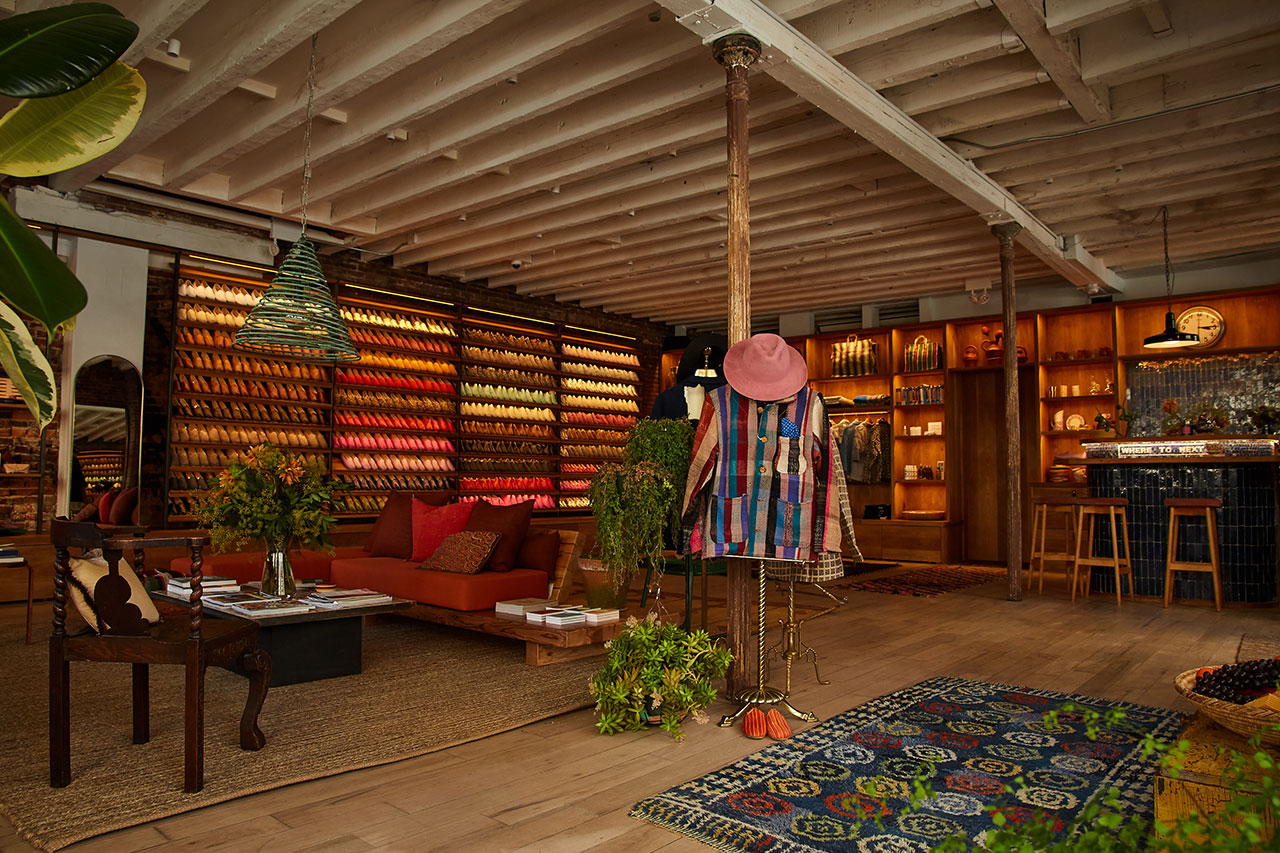
There is a profound shift happening in 2026. As urban living spaces become more streamlined, our desire for a private, green sanctuary has only intensified. We no longer view a small backyard as a limitation; instead, we see it as a design challenge that rewards creativity and precision. The "Outdoor Oasis" movement is less about sprawling lawns and more about curated, high-impact zones that serve as extensions of our living rooms.
To truly maximize a tiny backyard, you must think beyond the perimeter. The secret lies in a three-pronged approach: utilizing vertical space with living walls or lattices, investing in multi-functional modular outdoor furniture for small spaces, and adopting mobile gardening solutions like rolling carts that follow the sun’s trajectory throughout the day. By anchoring your space with durable, weather-ready materials like modular teak or composite, you can create a layout that feels intentional rather than cluttered. Whether you are looking for a sanctuary for morning coffee or a high-yield vegetable patch, these twenty genius small garden ideas will help you reclaim your square footage.
I. Foundations: Modular Layouts and Sustainable Choices
The era of heavy, static patio sets is over. In its place, we are seeing a 65% rise in demand for sustainable, tool-free modular furniture among homeowners with outdoor spaces under 200 square feet. This trend is driven by a need for versatility; a modular sofa that serves as a lounge during the day can be reconfigured into separate stools for a dinner party in minutes.
When choosing your foundation, material science is your best friend. In 2026, the focus is on longevity and a "set it and forget it" maintenance style. Modular teak remains the gold standard for its natural oils and rot resistance, while high-performance composites offer a modern, splinter-free alternative that withstands the harshest elements.
| Material | Maintenance Level | Durability | Aesthetic Vibe |
|---|---|---|---|
| FSC-Certified Teak | Moderate (Requires oiling) | 25+ Years | Classic, Organic, Warm |
| Composite (HDPE) | Low (Soap & water) | 20+ Years | Modern, Sleek, Colorful |
| Powder-Coated Metal | Low (Rust-check needed) | 10-15 Years | Industrial, Minimalist |
Ivy’s Pro-Tip: When planning a small space garden layout, always prioritize "weather-ready" designs. Look for furniture with quick-dry foam cushions and UV-resistant fabrics. It’s better to invest in three high-quality modular pieces than a five-piece set that won't survive two seasons.
II. High-Density Growth: The Science of Square Foot Gardening
If you think a small backyard means giving up on a harvest, think again. Square foot gardening is a revolutionary method for compact spaces, allowing for high-density planting in raised beds. By dividing your growing area into small, manageable sections, you can significantly increase the yield per square foot compared to traditional row gardening.
Recent market data shows that implementing modular garden bed kits can increase plant density and harvest efficiency by up to 40% in urban environments. These kits allow you to control soil quality and drainage perfectly, which is often a challenge in small, paved backyards. By stacking these beds or using tiered designs, you turn your garden into a high-production machine that looks as good as it tastes.
III. 20 Small Garden Ideas to Steal Now
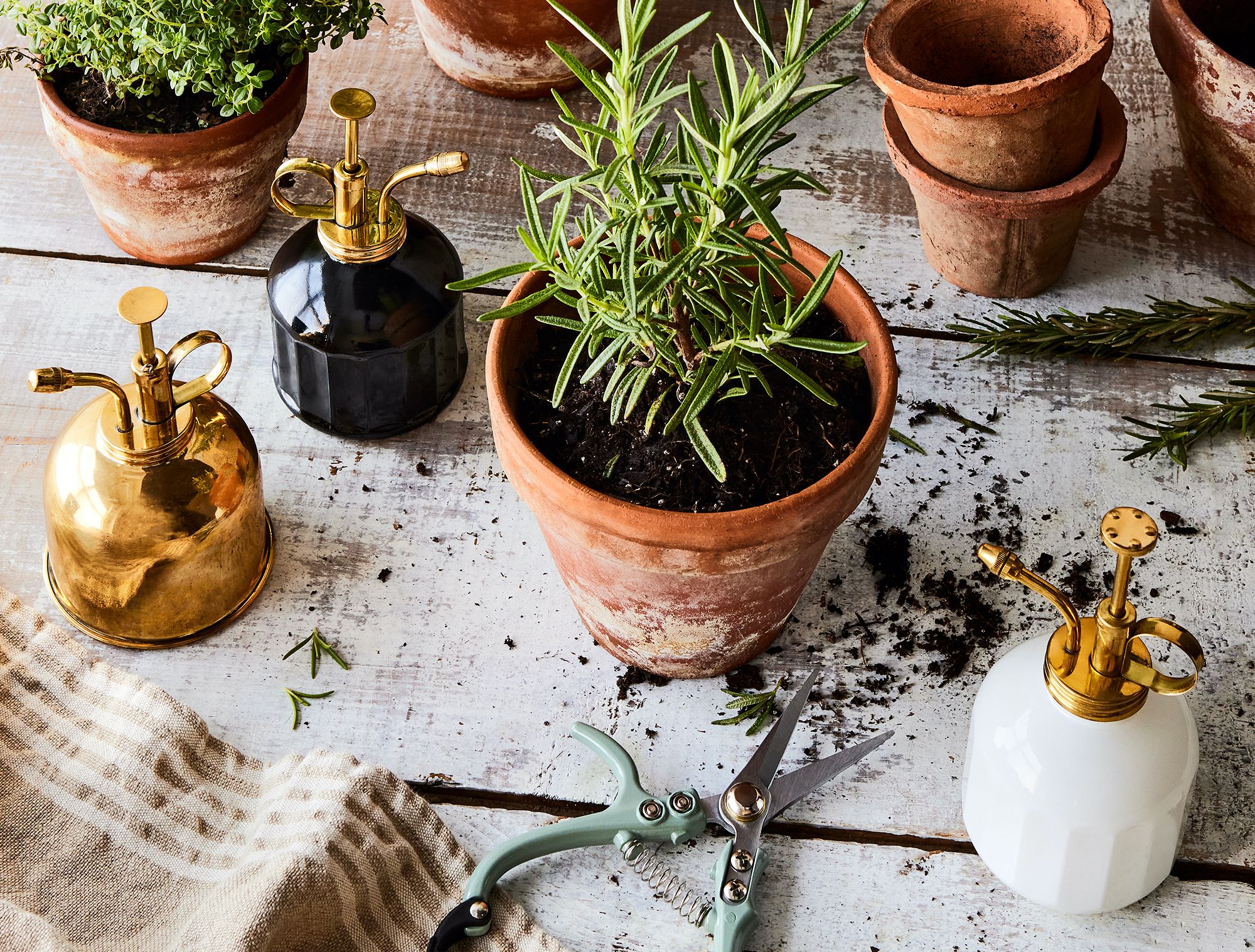
1. The Mobile Herb Garden (The Rolling Cart Hack)
In a tiny backyard, sun patterns can be fickle. A rolling bar cart repurposed as an herb station allows you to chase the light. Position your mint, basil, and rosemary on the top tier and gardening shears on the bottom. It’s functional, stylish, and easily moved when you need more floor space for guests.
2. Vertical Lattice & Trailing Vines
When you can't grow out, grow up. A simple cedar lattice attached to a boring brick wall transforms a flat surface into a lush tapestry. Use climbing jasmine for a heavenly scent or Clematis for a burst of purple. This vertical gardening solution provides privacy and greenery without taking up a single inch of floor space.
3. Tiered Corner Planters for Depth
Corners are often the most underutilized areas of a backyard. Use tiered planters to create a "stadium seating" effect for your plants. This adds visual depth to the space, making the boundaries of the garden feel further away than they actually are.
4. Mirrored Fencing to Double the Visual Space
This is a classic interior design trick brought outdoors. Placing a large, weather-treated mirror on a garden wall reflects the greenery and light, instantly making a cramped courtyard feel twice as large. Ensure the mirror is positioned to reflect the most attractive part of your garden.
5. Multi-functional Benches with Hidden Storage
In a small space, every piece of furniture must work twice as hard. A custom-built bench provides ample seating for alfresco dining while the hollow base stores bags of potting soil, hoses, and seasonal cushions.
6. The 'Sky-High' Birdcage Planter
For a touch of whimsy, use vintage birdcages hung from eaves or tree branches. Fill them with cascading succulents or "String of Pearls." It draws the eye upward, celebrating the verticality of your outdoor room.
7. Zippered Mini-Greenhouses for Balconies
If your "backyard" is actually a small balcony, a zippered mini-greenhouse allows you to start seedlings early. They are lightweight, vertical, and can be tucked into a corner, protecting delicate greens from wind and city pollutants.
8. Plywood & Cinderblock Industrial Shelving
For a budget-friendly, high-design look, stack cinderblocks and reclaimed wood planks to create a rustic plant stand. It’s an easy weekend DIY that provides multiple levels for a diverse container garden.
9. Burlap Pocket Organizers for Vertical Herbs
Heavy-duty hanging organizers aren't just for shoes. Use burlap or felt pockets hung on a sunny fence to create a living "spice rack." This keeps your herbs at eye level and frees up ground space for larger shrubs.
10. The Spiral Herb Bed (Salvaged Brick Design)
A herb spiral uses gravity and stones to create different microclimates in a tiny footprint. The top is dry and sunny (perfect for rosemary), while the bottom is moist and cool (ideal for parsley). It’s a permaculture masterpiece that doubles as a focal point.
11. Custom Leather Plant Hangers for Awkward Corners
Ditch the plastic hangers for something more sophisticated. Leather straps and wooden rings can hold terra cotta pots, adding a "boho-chic" interior vibe to your outdoor space.
12. Painted Pallet Vertical Gardens
Sand down an old pallet, paint it a sophisticated charcoal or navy, and staple landscape fabric to the back of the slats. Lean it against a wall and fill the gaps with colorful pansies or lettuces for an instant living wall.
13. Fold-Down Wall Tables for Alfresco Dining
If your space is too small for a permanent table, install a wall-mounted "murphy" table. Flip it up for your morning espresso, and fold it flat against the wall when you want to do yoga or garden chores.
14. Floating Decking Tiles for Concrete Patios
Concrete can feel cold and industrial. Interlocking wood or composite decking tiles can be laid directly over concrete in an afternoon. This adds warmth and makes the backyard feel like a true "room" rather than an alleyway.
15. The 'Invisible' Tool Storage Pegboard
Keep your garden organized by mounting a pegboard on the back of your shed or house. Paint it the same color as the wall to make it "disappear," and hang your tools neatly. It turns functional items into a piece of organized art.
16. Statement Lighting: The 'Light Wall' Effect
Lighting is the ultimate mood setter. Instead of a single porch light, string warm LEDs across your fencing or use "up-lighting" at the base of your tallest plants. This creates a "glow" that makes the space feel expensive and expansive.
17. Layering Textures with Outdoor Rugs & Jute
Define your "living area" with an outdoor rug. Look for materials like recycled plastic or jute that mimic indoor textures but handle rain and sun. A rug anchors the furniture and provides a soft place for bare feet.
18. Dwarf Fountain Grasses for Soft Borders
In a small space, you want plants that move. Dwarf fountain grasses add a soft, kinetic energy to the garden as they sway in the breeze. They provide a beautiful contrast to the hard lines of modular furniture.
19. Built-in Outdoor Kitchenettes to Anchor Space
Even a small counter space with a built-in grill can act as a "hearth" for your backyard. It anchors the space and creates a destination, making the tiny yard feel like a luxury suite.
20. The Privacy Screen + Shade Sail Combo
Use a laser-cut metal screen for privacy and pair it with a triangular shade sail. This creates a cozy, "enclosed" feeling that protects you from neighbors' views and the midday sun, turning your tiny backyard into a private sanctuary.
IV. Pro Design Secrets for an Instant Transformation
Designing a small garden is an exercise in editing. To achieve that quintessential "vibe factor," you must consider Zoning. Even in a space under 200 square feet, you can create distinct "rooms." Use different board directions in your decking or a simple change in floor texture (moving from gravel to rug) to define where the "kitchen" ends and the "lounge" begins.
Adding a Vertical Element is non-negotiable. Sprawling gardens are beautiful to behold, but in a tight footprint, a horizontal garden feels flat. A single tall cypress or a high-mounted lantern breaks the horizontal plane and forces the eye to look up, creating a sense of grandeur.
Finally, don't overlook Lighting & Landscaping. Riser lights on steps and subtle up-lighting on a statement tree provide the "wash" of light that high-end designers use to hide boundaries. When the fences disappear into the shadows and the plants are highlighted, the garden feels infinite.
V. Maintenance: Keeping Your Oasis Green
The longevity of your tiny garden depends on how you care for your materials. Natural wood, even teak, will eventually silver into a beautiful gray patina unless it is oiled annually. If you prefer a consistent look, stick to high-density polyethylene (HDPE) materials that require nothing more than a seasonal power wash.
As the seasons change, modularity proves its worth again. Most 2026 designs are built for easy storage. If you live in a climate with harsh winters, choose furniture that can be stacked or has custom-fitted covers to ensure your "Outdoor Oasis" stays pristine for the following spring.
VI. FAQ
Q: What is the best material for outdoor furniture in a rainy climate? A: Composite materials (HDPE) or powder-coated aluminum are the best choices. They don't rust, warp, or rot, making them ideal for high-moisture environments.
Q: Can I really grow vegetables in a very small, shady backyard? A: Yes! While tomatoes need sun, leafy greens like kale, spinach, and many herbs thrive in partial shade. Using mobile containers allows you to move them to the sunniest spots as the seasons shift.
Q: How do I make a narrow "side-yard" garden feel wider? A: Use diagonal lines. Laying decking tiles or pavers at a 45-degree angle draws the eye across the space rather than straight down the narrow path, creating an illusion of width.
VII. Transform Your Space Today
A tiny backyard is not a limitation—it’s an opportunity to create something truly intimate and curated. By focusing on vertical growth, modular versatility, and smart material choices, you can turn even the smallest concrete patch into a lush, 2026-ready sanctuary. Think of your garden as building blocks for your dream lifestyle; every pot, bench, and light is a step toward your perfect outdoor retreat.