Quick Facts
- What it is: A half-chrome (or silver-tipped) light bulb features a specialized metallic coating on the top half of the glass.
- The Benefit: It redirects light back toward the fixture, eliminating 100% of direct eye-level glare from exposed sockets.
- The Trend: A cornerstone of the "2026 Futuristic Home Movement," emphasizing reflective minimalism and prismatic light play.
- Budget: High-end designer versions cost around $32, while budget-friendly alternatives can be found for as little as $3.98.
- Best For: Exposed sconces, bedside pendants, vanity bars, and minimalist "naked" fixtures.
Walk into a high-end atelier in Copenhagen or a mid-century modern kitchen in the Hollywood Hills, and you’ll notice a recurring secret. It isn’t a $5,000 chandelier or a custom-built island. Often, the most enigmatic element in the room is a simple, five-dollar light bulb. In the world of interior styling, we call this the "Easy Swap" philosophy—the idea that one intentional, architectural choice can elevate a "ho-hum" basic fixture into a deliberate design statement.
As we look toward the 2026 interior landscape, the industry is shifting. We are seeing a 45% growth in "Reflective Minimalism" search trends, marking a pivot away from the heavy, organic textures of the early 2020s. Homeowners are seeking environments that feel expansive, dynamic, and light-filled. Enter the chrome-tipped bulb: the ultimate tool for the modern editor. It is sculptural, functional, and perhaps the most cost-effective way to fix the "glaring" mistakes of a standard home.
What is a Half-Chrome Light Bulb?
Technically known as a crown-silvered bulb, the half-chrome light bulb is characterized by a thin, mirror-like metallic coating on the dome of the bulb. This isn't merely an aesthetic choice; it’s an optical one.
Unlike standard frosted or clear bulbs that emit light in a 360-degree radius—often resulting in harsh, "retinal glare"—the chrome coating acts as a shield. It reflects the light back toward the fixture’s base or the wall behind it. The result? The light is diffused, softened, and bounced, creating a warm glow that illuminates the room without ever stinging the eyes. In a world of exposed-bulb fixtures, these bulbs can reduce direct eye-level glare by up to 100%, transforming a punishingly bright light into a sophisticated atmospheric element.
The 2026 Trend: Why Chrome is the Antidote to Digital Fatigue
We are currently witnessing the birth of the "Futuristic Home Movement." After years of "Millennial Beige" and heavy bouclé fabrics, the design world is pivoting toward materials that feel "clean" and "prismatic." This trend is a direct response to digital fatigue; we are craving spaces that feel airy, organized, and technologically advanced yet comfortable.
Chrome and polished metals are the dominant finishes for 2026. However, unlike the cold, sterile chrome of the 1980s, the new chrome is used as a sculptural centerpiece. A silver-tipped bulb allows a simple socket to become a piece of art. The interplay of light and shadow created by these bulbs multiplies architectural possibilities, making even the smallest studio apartment feel like it has "designed" lighting layers.
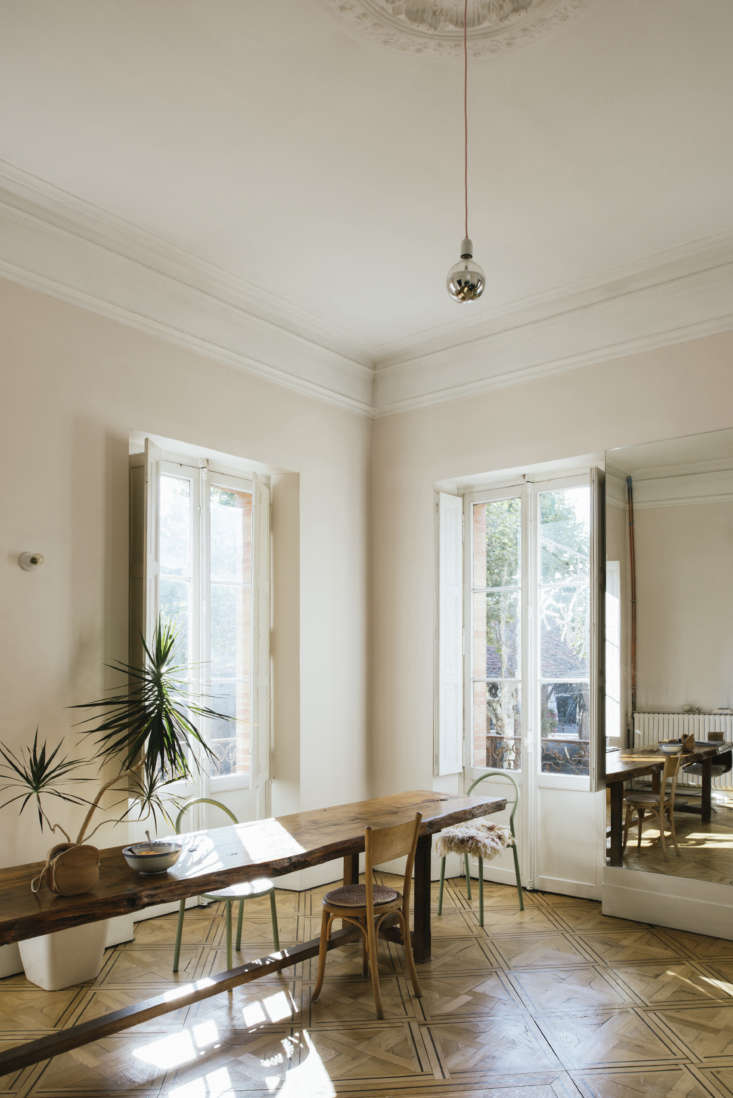
Designer Pro-Tip: Think of chrome-tipped bulbs as jewelry for your room. You wouldn't wear a designer gown with plastic beads; don't put a standard hardware-store frosted bulb in a high-end brass sconce.
Room-by-Room: Where to Use Silver-Tipped Bulbs
The versatility of these bulbs makes them an editor's favorite for quick room makeovers. Here is how I recommend deploying them to maximize their impact:
The Kitchen: The "Chef’s Kitchen" Aesthetic
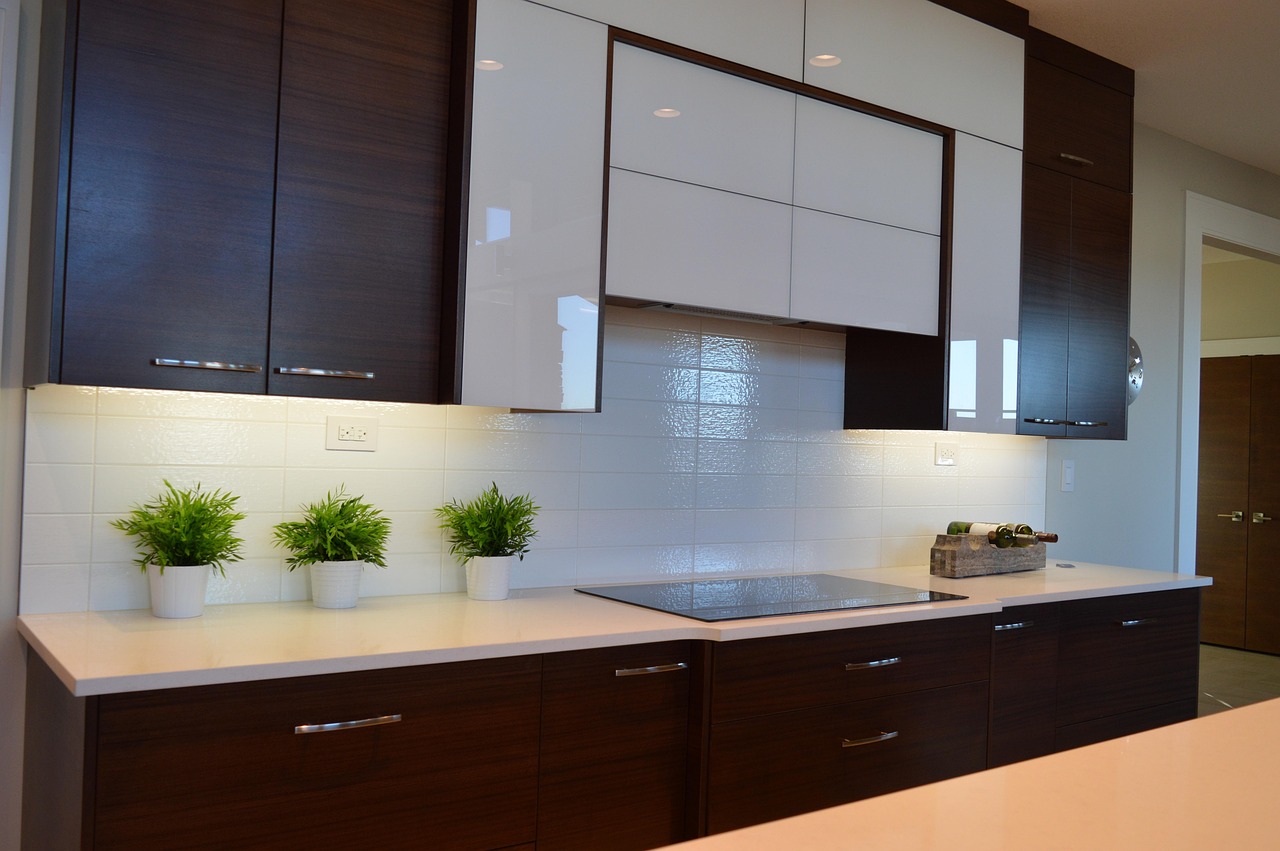
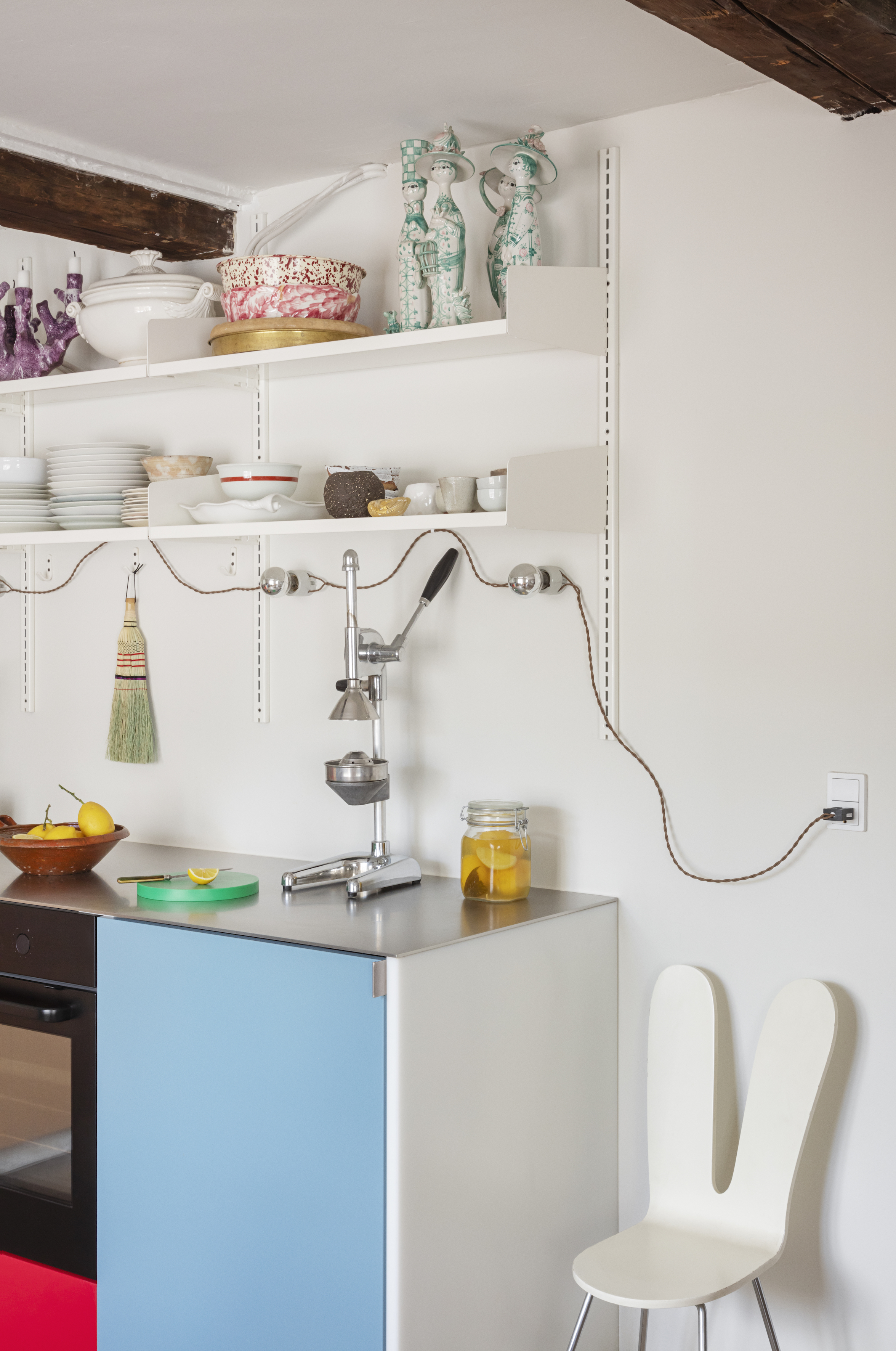
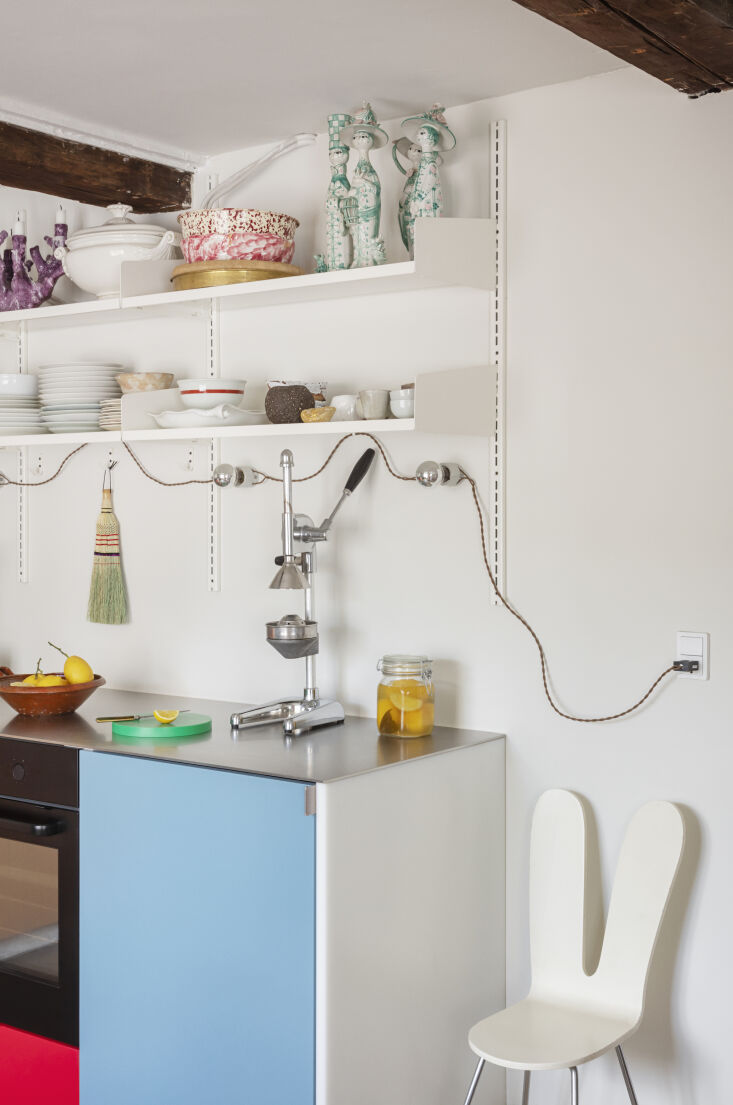
In the kitchen, light needs to be functional but not aggressive. By pairing silver-tipped bulbs with simple white porcelain or matte black sconces, you achieve a professional, clinical-yet-chic look. The light bounces off the wall, providing excellent ambient light for prep work without the blinding hot spots common in many open-concept kitchens.
The Bedroom: Softness Without the Squint
Nothing ruins a bedroom's "sanctuary" vibe faster than a bedside lamp that shines directly into your eyes while you’re trying to read. A half-chrome bulb creates a soft, diffused downward glow. It directs the light toward your book and away from your pupils, making it the perfect solution for low-hanging pendants or bedside "naked" sockets.
The Bathroom: The Rental-Grade Rescue
If you are living in a rental with a "Hollywood-style" vanity bar—those rows of exposed bulbs that usually look dated—chrome-tipped bulbs are your best friend. They instantly modernize the fixture, turning a cheap builder-grade light into a high-end designer feature. Because the light is directed back toward the mirror, it also provides a more even, flattering light for morning routines.
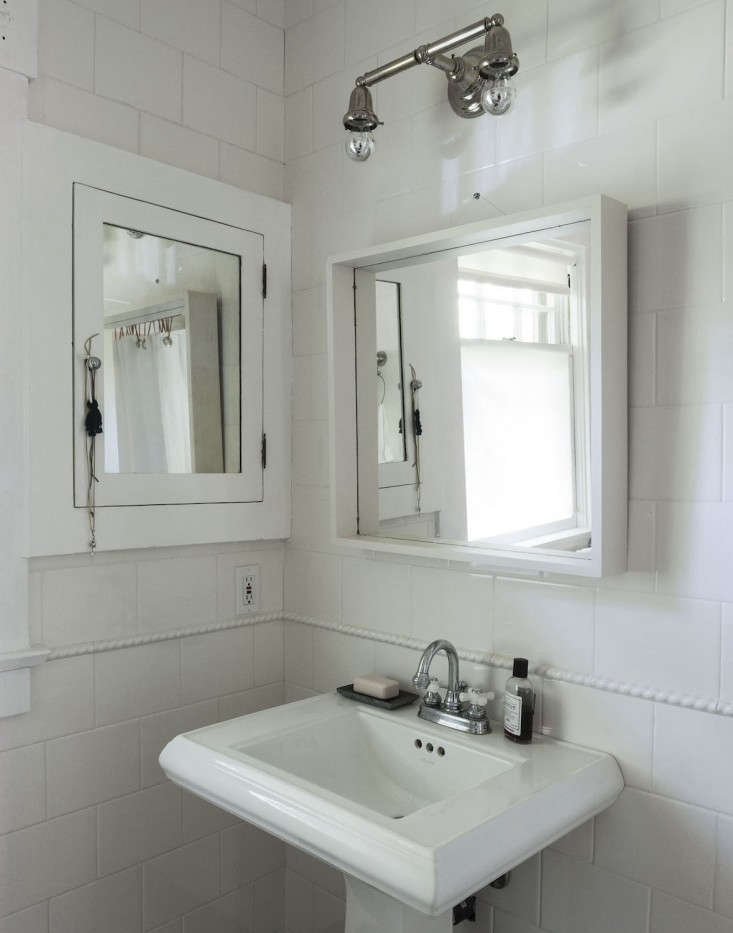
The Dining Room: Texture and Atmosphere
Use high CRI (Color Rendering Index) chrome bulbs in a dining room to make your table settings pop. The reflected light creates a moody, "restaurant-style" atmosphere that highlights the textures of your linens and the colors of your food without the harshness of a direct filament.
The Sourcing Guide: From $4 Budget Hacks to $32 Designer Picks
When it comes to sourcing, you have two distinct paths: the "Sighting" (the high-end designer original) and the "Source" (the budget-friendly alternative that achieves the same look).
Price Comparison Table
| Brand | Model | Shape | Price (Approx.) | Best For |
|---|---|---|---|---|
| Schoolhouse | G25 Silver Tip LED | Globe | $32.00 | Heirloom fixtures, Living Rooms |
| Tala | Mirror Top G25 | Globe | $28.00 | High-end sustainability, dimmability |
| Lamps Plus | Silver Bowl LED | A19 | $7.99 | Versatile everyday use |
| Home Depot/EcoSmart | Half-Chrome LED | A19 / G25 | $4.97 | Rental upgrades, Bathroom vanities |
| Ace Hardware | Feit Electric Silver Tip | A19 | $3.98 | Bulk projects, Basement bars |
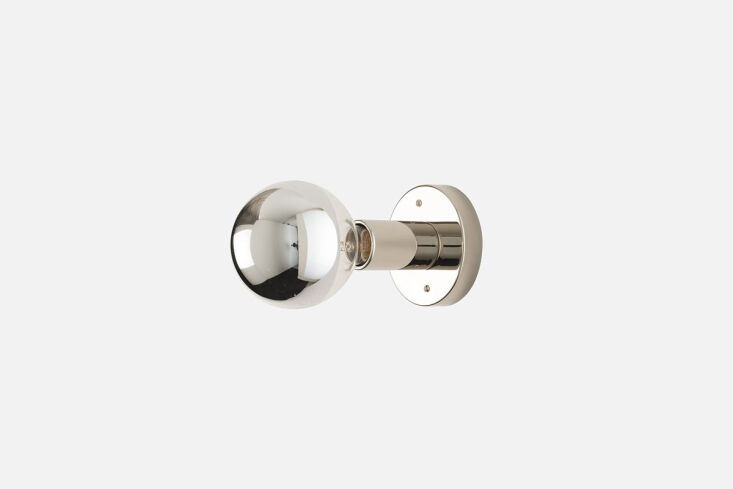
Specialized Specs: What to Look For
- A19 vs. Globe (G25): Use A19 for standard lamps and tight sconces. Use Globe (G25 or G30) for larger, more decorative fixtures where the bulb itself is the main attraction.
- Candelabra Bases: If you have a chandelier with small sockets, look for "E12" chrome-tipped bulbs to give a traditional fixture a futuristic edge.
- Color Temperature: Always aim for 2700K (Warm White). Anything higher (like 4000K or 5000K) will feel too blue and sterile against the chrome finish.
Installation & Maintenance: Polished vs. Brushed
When selecting your bulbs, you'll encounter two primary finishes: Mirror-Bright Polished Chrome and Subtle Brushed Chrome.
- Polished Chrome: This provides the maximum light reflection. It acts like a true mirror and is the most visually striking. Use this for the "sculptural" look mentioned earlier.
- Brushed Chrome: This is a more subtle, "quiet luxury" alternative. It’s excellent for masking fingerprints and provides a softer, more matte reflection.
Pro Tip: These bulbs should be used only in exposed sockets. If you place a chrome-tipped bulb inside a heavy shade or a frosted glass dome, you lose the aesthetic benefit and the light redirection becomes redundant.
FAQ
Q: Are these bulbs dimmable? A: Yes, most modern LED versions (like those from Schoolhouse or Tala) are fully dimmable. However, if you are buying the $4 budget versions, check the packaging carefully to ensure they are compatible with your dimmer switches.
Q: Do they get hot? A: Because the top is metallic, it can conduct heat. However, LED versions remain significantly cooler than the old-school incandescent versions. Still, I recommend letting them cool for a few minutes before touching them for maintenance.
Q: Can I use these in an outdoor fixture? A: Only if the fixture is "wet-rated" or "damp-rated." Most silver-tipped bulbs are designed for interior use. If you use them outdoors in an open socket, the silver coating can oxidize or peel over time due to humidity.
Final Thought: The Impact of the Small
In a world of complex renovations and soaring furniture costs, the chrome-tipped bulb remains the most democratic design hack available. It’s a reminder that good design isn't about how much you spend, but about how you manage the elements—like light and reflection—to create a feeling.
Next time you’re at the hardware store, skip the standard frosted box. Grab a silver-tipped globe, swap it into your entryway sconce, and watch as your space transforms from "basic" to "boutique hotel" for the price of a latte.