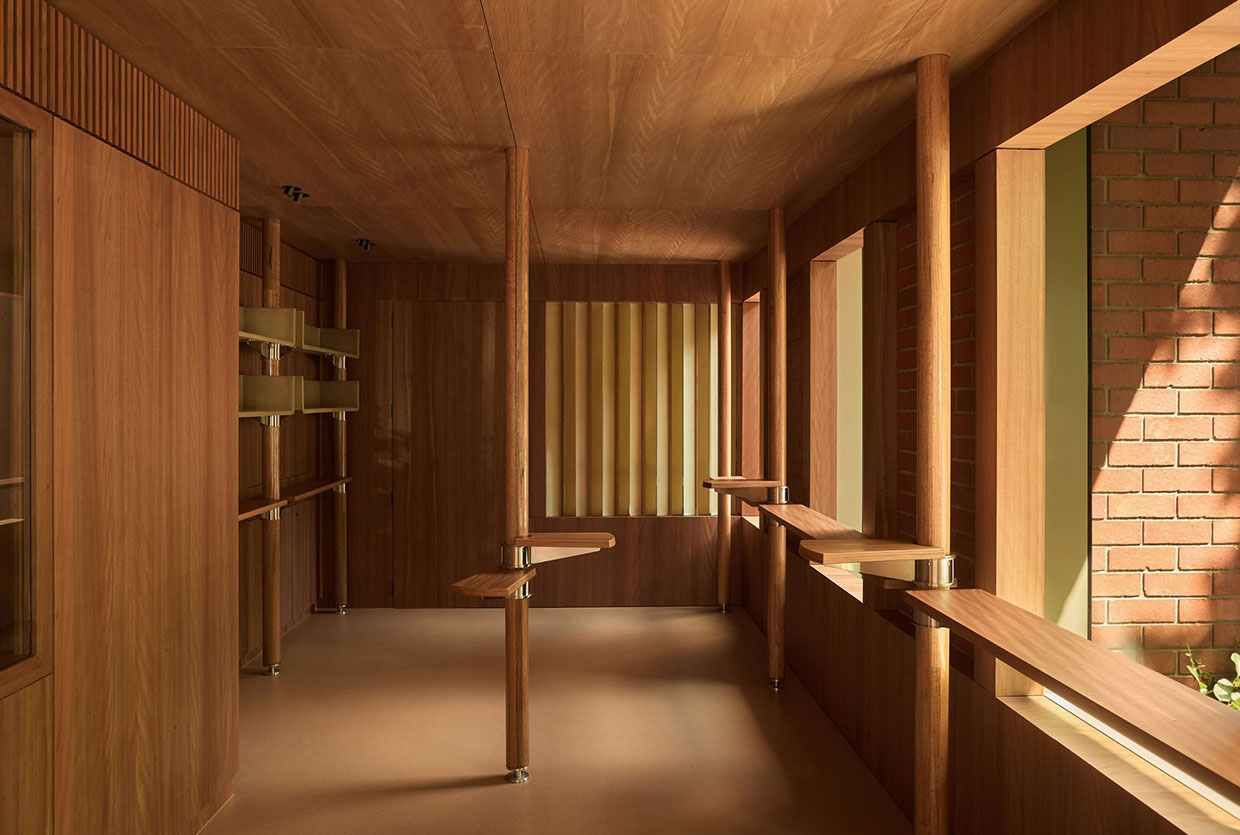
There is a profound shift happening in the way we envision our "forever homes." As we look toward 2026, the traditional concept of a vacation property is evolving into something far more complex and meaningful: the family campus. This isn’t just about adding extra bunk beds; it’s about creating an architectural legacy that fosters connection while honoring the independence of every generation, from toddlers to grandparents.
When Barbora Vokac Taylor Architect (BVT A) took on the challenge of designing the Shield Shelter in Muskoka, Ontario, they weren't just building a cottage; they were conducting a masterclass in intergenerational harmony. To design a successful multi-generational retreat, architects must balance expansive social hubs, like open-plan kitchens, with isolated private zones, such as dedicated guest suites and play lofts, to accommodate varying schedules and privacy needs. This delicate dance between the "we" and the "me" is what transforms a house into a sanctuary for all ages.
Site Integration: Building with the Canadian Shield
Designing in the Muskoka region requires a deep reverence for the Canadian Shield—the ancient, rugged granite that defines the landscape. Rather than fighting the terrain through invasive blasting, BVT A chose a path of architectural diplomacy. The Shield Shelter is a testament to the idea that a building should sit within the land, not on top of it.
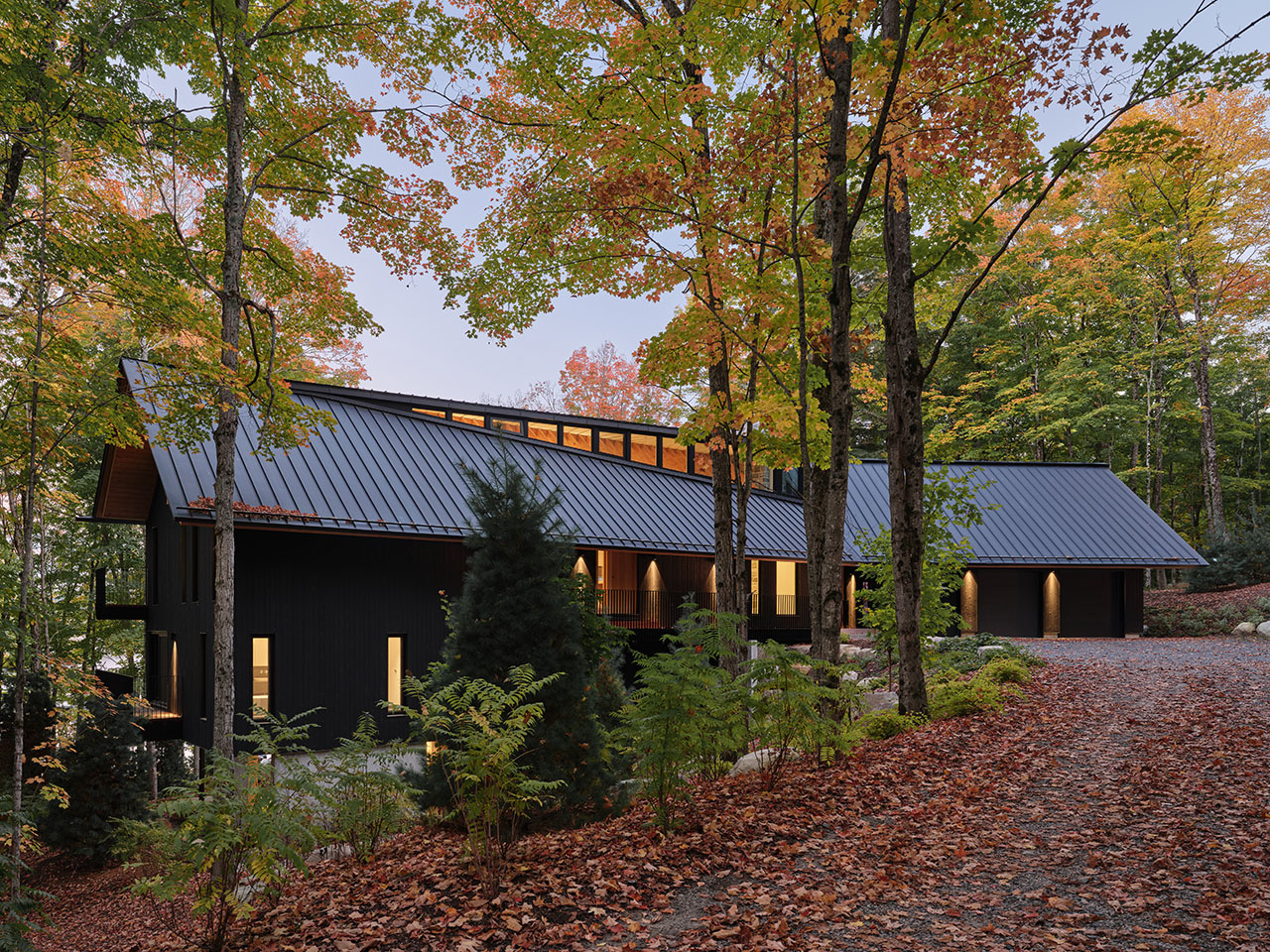
The 'Shield Shelter' by BVT A integrates with the Canadian Shield by utilizing a tiered three-level layout that follows the natural slope of the land, preserving native vegetation while offering unique 'viewfinder' window perspectives from every floor. By stepping the house down the hillside, the architects minimized the footprint and maintained a continuous dialogue with the forest. The materiality further cements this connection; the exterior features Shou Sugi Ban (charred cedar) cladding that mimics the deep shadows of the woods, contrasted against a crisp black zinc roof.
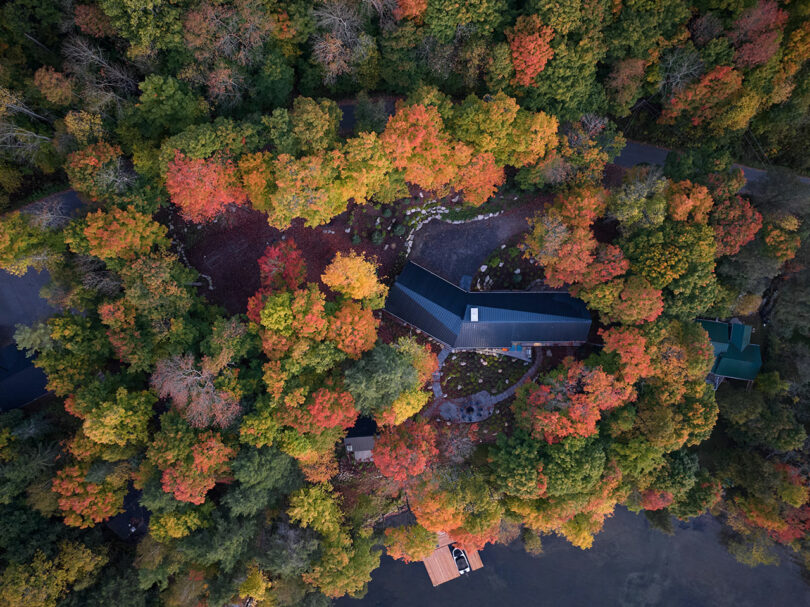
This approach creates a sense of "groundedness." When you are in the lower level, you are eye-to-eye with the moss and ferns; on the upper level, you are nestled within the tree canopy. This tiered design isn't just aesthetic; it’s functional, allowing the house to accommodate large groups without feeling like a monolithic intrusion on the shoreline.
Layout Strategy: Zoning for Connection and Independence
One of the most significant insights from the Shield Shelter project is the necessity of "Zone-by-Floor" planning. In a multi-generational home, conflict often arises from overlapping schedules—early-rising grandchildren versus late-night-reading grandparents.
Architectural data suggests that 2026 multi-generational home trends show a 40% increase in the inclusion of Japanese-inspired 'onsen' spas and accessible lower-level suites to support long-term aging-in-place. BVT A anticipated this by ensuring that the home remains functional as the owners age.
Lower Ground: The Social Hub
The heart of the home is the lower ground level, designed as a fluid, open-plan social hub. Here, a double-height kitchen and dining area act as the gravitational center for the family. A massive double-sided fireplace provides warmth and a visual anchor, while expansive glazing blurs the line between the interior and the lakefront.
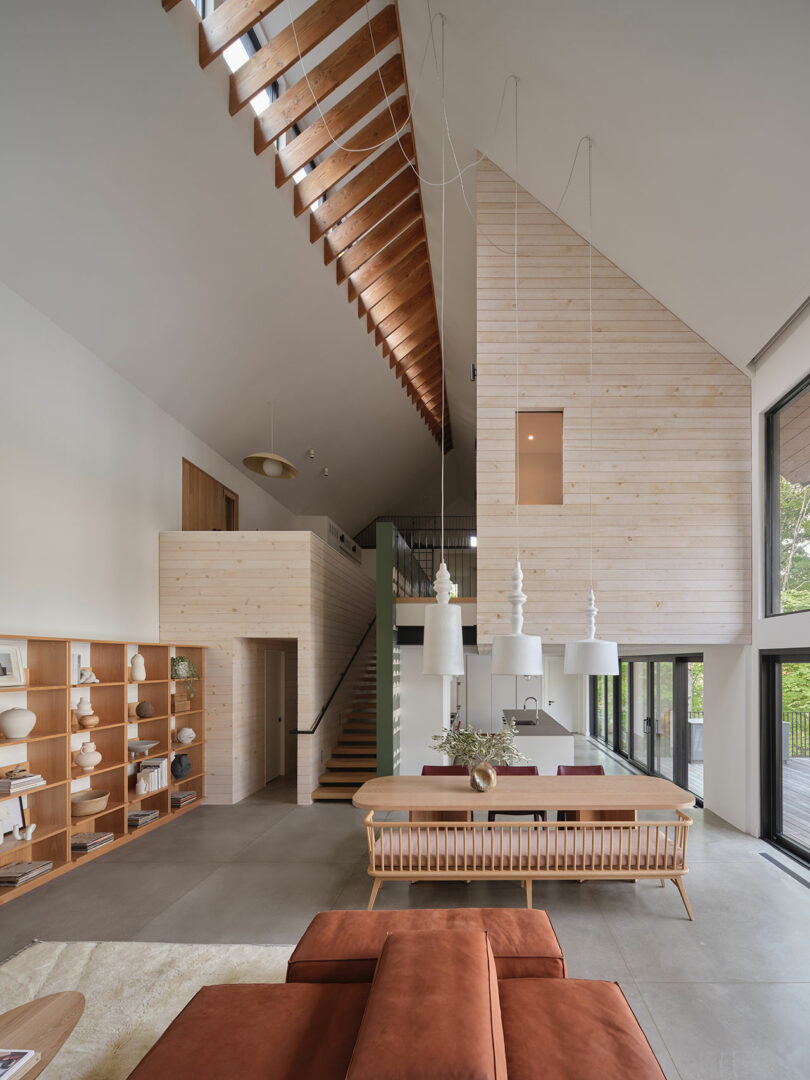
Ivy’s Style Tip: In large social hubs, use "islands of comfort"—rugs, lighting clusters, and furniture groupings—to create intimacy within the vastness. It prevents the space from feeling like a lobby and makes it feel like a home.
Upper Level: The Retreat Zone
In contrast to the social energy of the ground floor, the upper level is dedicated to quietude. This "Retreat Zone" houses the primary suites and guest quarters. A clever addition is the hidden "treehouse" loft—a playroom tucked above the bedrooms that gives the younger generation a sense of ownership and a space to be loud without disturbing the adults below. This vertical separation is crucial for maintaining peace during extended stays.
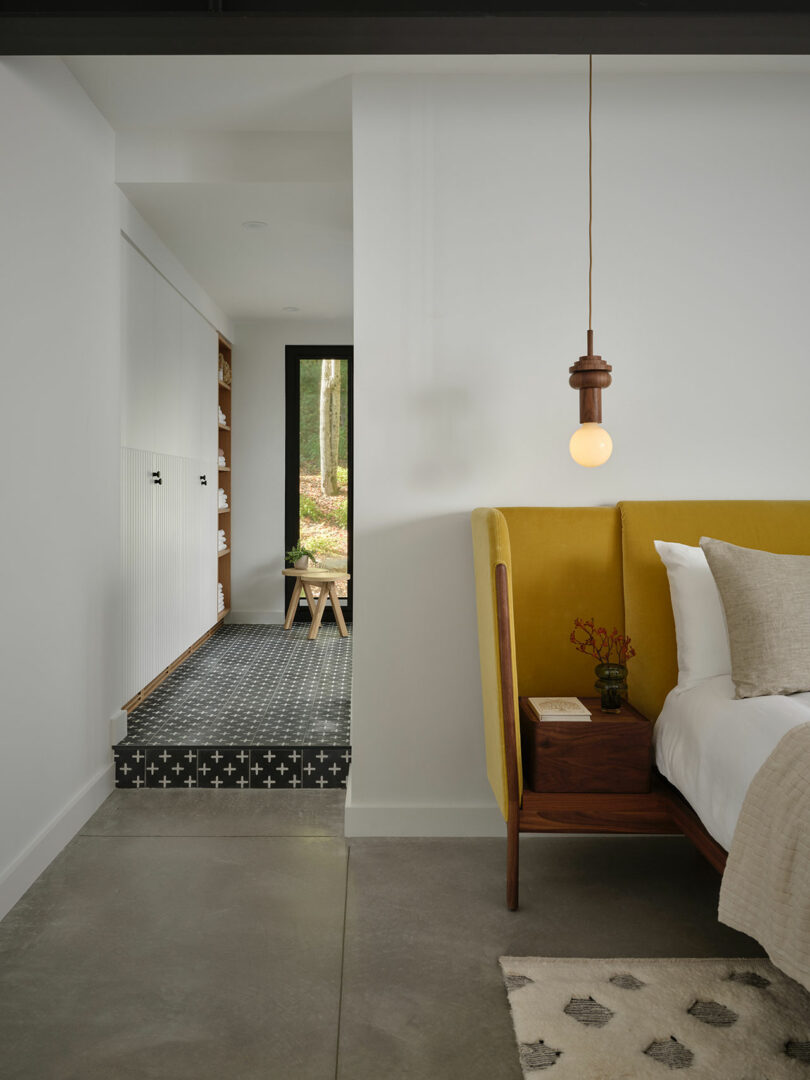
The Psychology of Pace: Architectural Details for Wellbeing
Designing for multiple generations requires an understanding of how different bodies move through space. Often, in our rush to be modern, we design stairs and hallways that feel transitional—merely a way to get from A to B. BVT A challenged this by focusing on the "psychology of pace."
Using an outdoor rise-to-run ratio for indoor staircases creates a more gradual and shallow ascent, which physically encourages a slower, more meditative pace of movement suitable for all ages within a family home. Traditional indoor stairs can feel steep and taxing for seniors or treacherous for toddlers. By adopting the shallower rhythm of park or garden steps, the act of moving between floors becomes an opportunity for pause rather than a chore.
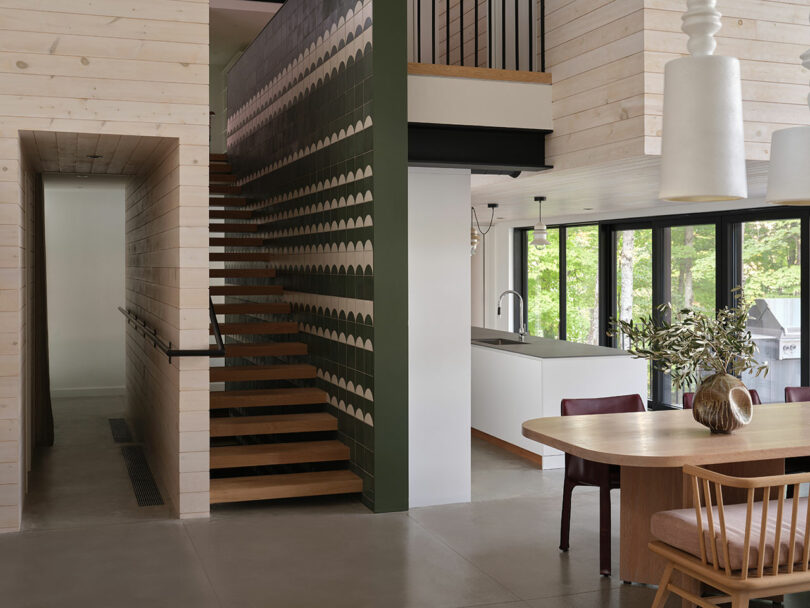
Furthermore, the Shield Shelter incorporates a modern iteration of the classic "Muskoka Room." This screened-in porch is a staple of Ontario cottage life, but BVT A modernized it with motorized screens. The Shield Shelter project demonstrated that incorporating a central 'Muskoka Room' with motorized screens can increase multi-seasonal gathering space by approximately 20% within the same building footprint. This space serves as a literal "middle ground" between the controlled interior environment and the wild outdoors, allowing the family to enjoy the breeze without the bugs.
Wellness and Longevity: The Modern Retreat Features
As we look toward the future of residential design, wellness is no longer an "extra"—it is a core requirement. For a multi-generational retreat, this means creating spaces that promote physical and mental longevity.
| Feature | Design Benefit | Longevity Factor |
|---|---|---|
| Japanese Onsen/Sauna | Promotes circulation and relaxation | Supports 2026 wellness trends for aging-in-place |
| Concrete Privacy Walls | Provides acoustic insulation between zones | Ensures long-term peace as family size grows |
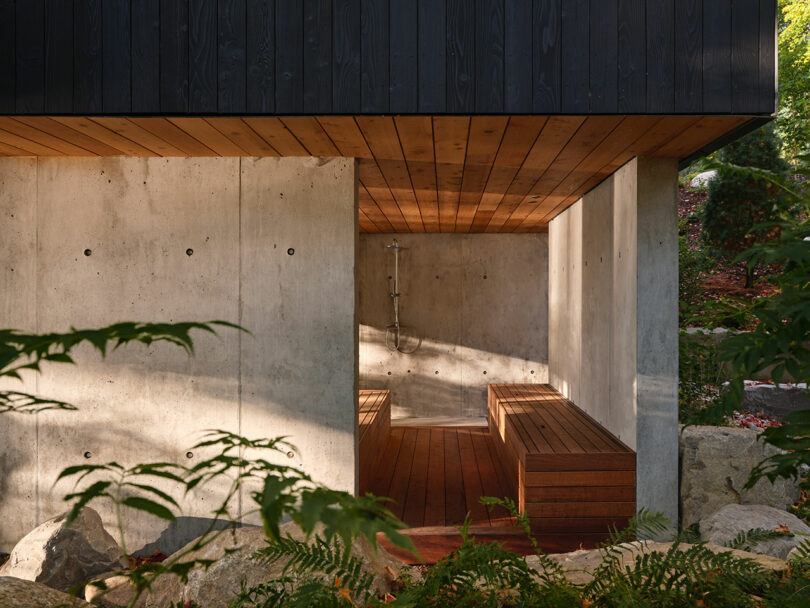
| Cedar Overhangs | Natural shading and weather protection | Reduces energy costs and protects the building envelope |
The inclusion of a forest-view sauna is a perfect example of this. It provides a shared ritual for the family—a place where generations can sit together in silence or conversation, overlooking the trees. It’s a space that appeals to the athlete recovering from a day on the lake as much as the grandparent seeking relief for aching joints.
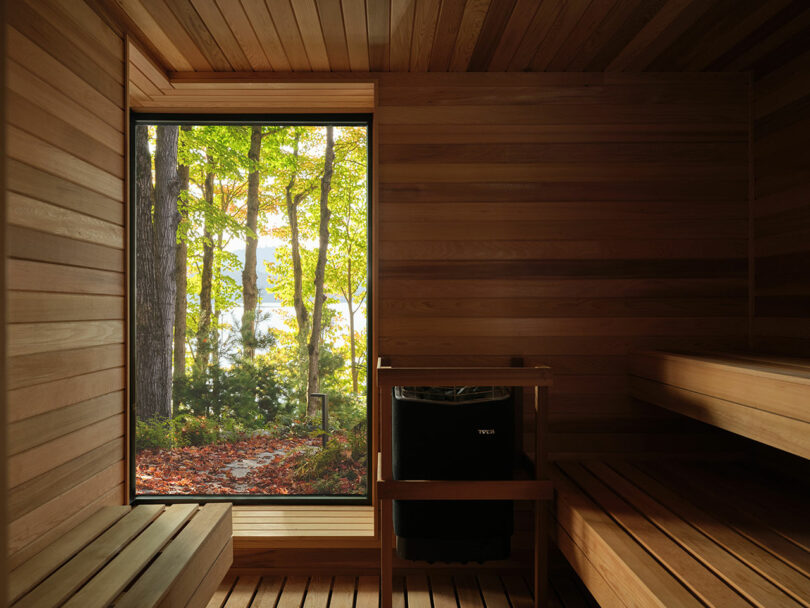
Finally, BVT A designed the home for the "Future Patina." When selecting materials, we must ask: how will this look in twenty years? By choosing raw concrete and natural cedar, the architects ensured the home will age gracefully. The silvering of the wood and the weathering of the stone will eventually mirror the maturity of the family it houses.
Lessons for Your Own Multi-Generational Project
Designing a retreat for a growing family is a high-stakes investment, both financially and emotionally. From the Shield Shelter, we can take away three vital lessons:
- Prioritize Function Over Pure Aesthetics: A beautiful room is useless if it doesn't serve the daily rhythms of the people using it. Ensure your layout accounts for the mess of family life—mudrooms, gear storage, and laundry are just as important as the view.
- Separate the Senses: Privacy isn't just about sightlines; it’s about sound. Use floor levels and material density (like concrete or thick insulation) to create acoustic "bubbles."
- Embrace the "Family Campus" Mindset: Think of the home as a series of interconnected pavilions rather than one large box. This allows the home to feel full and vibrant when everyone is there, but cozy and manageable when it’s just two people.
FAQ
Q: How do you balance open-concept living with the need for quiet in a large family? A: The key is vertical and horizontal zoning. Use different floors for different "energy levels"—for example, keep the noisy social kitchen on a different level from the quiet sleeping quarters. Additionally, using pocket doors or heavy drapes can help "close off" sections of an open-plan room when needed.
Q: What materials are best for a lakeside retreat that needs to last generations? A: Look for materials that thrive in the local climate and require minimal maintenance. Charred cedar (Shou Sugi Ban), zinc, and concrete are excellent choices for the Canadian climate because they age beautifully and stand up to harsh weather without needing frequent repainting or sealing.
Q: How can I make a multi-level home accessible for aging family members? A: Plan for the future by incorporating "flex rooms" on the main level that can transition into bedrooms. If building a tiered home like the Shield Shelter, ensure the main social areas and at least one full suite are accessible via the primary entry, and consider the "outdoor ratio" for stairs to make them easier to climb.