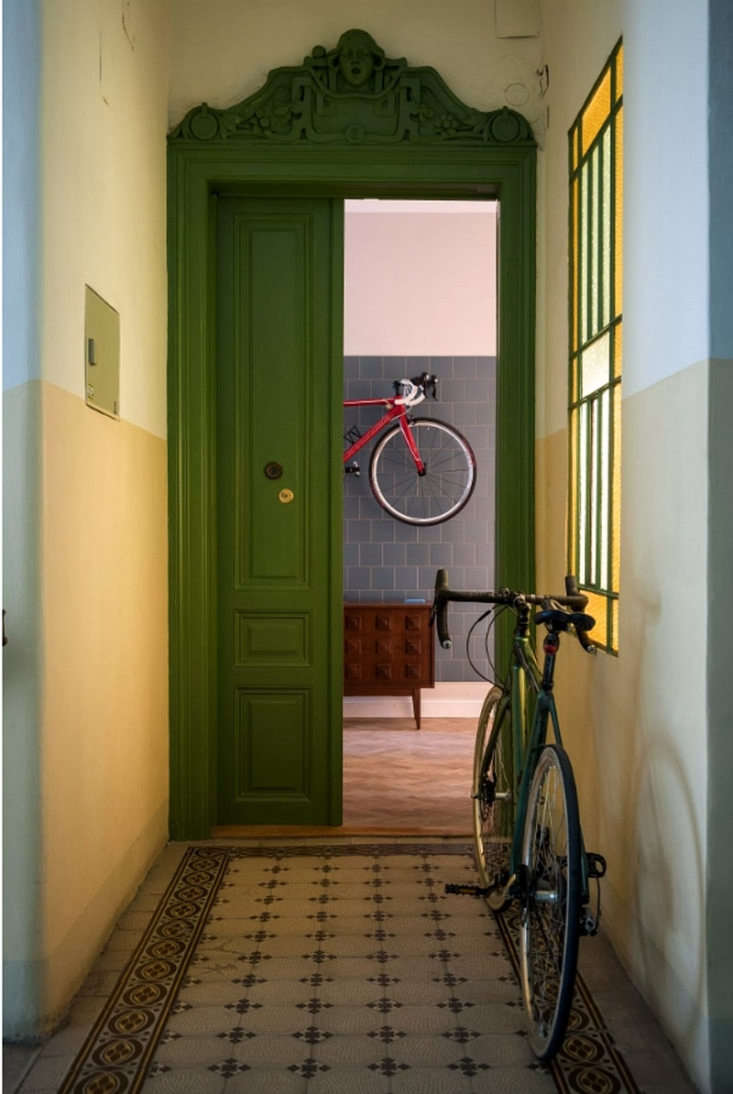
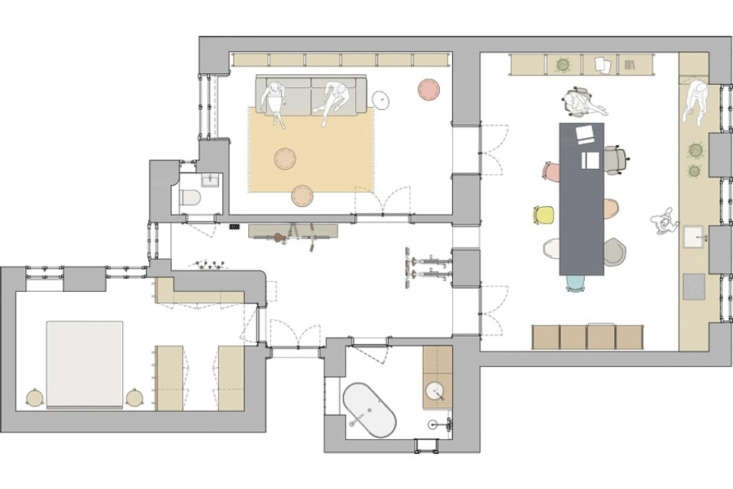
For the urban dweller, a bicycle is rarely just a machine. It is a passport to the city’s hidden corners, a silent partner in the morning commute, and a symbol of a lifestyle that values movement over stasis. In the heart of Vienna, within a meticulously curated 1,033-square-foot apartment, this sentiment has been elevated from a lifestyle choice to a sophisticated design philosophy. Here, the bicycle isn't relegated to a dusty basement or a cramped balcony; it is the centerpiece of the home.
Bicycle wall displays are increasingly favored in urban apartments because they solve the ultimate metropolitan paradox: how to live large in a limited footprint. By lifting the bike off the floor, residents can recover up to 45% of valuable entryway floor space in homes under 1,100 square feet. But beyond the utility, these displays transform personal transportation into a focal point of interior art. In this Vienna residence, the bike serves as "active decor"—a burgeoning trend that has seen a 30% rise in recent years, where sports equipment is integrated into shared living areas to reflect the owner’s personality and passions.
The Psychology of the Display: Why We Hang Our Rides
There is a profound psychological shift that occurs when we move an object from the "utility" category to the "aesthetic" category. In the context of interior design, hanging a road bike or a vintage cruiser on a wall is an expression of urban freedom. It tells a story of the inhabitant's weekend climbs or their commitment to a carbon-neutral commute.
As an editor, I often see clients struggle with "dead zones"—those awkward hallways or entryways that feel transactional rather than lived-in. The Vienna home solves this by treating the entryway as a gallery. By utilizing vertical wall-mounted bike storage, the owners have turned a narrow passage into a dynamic exhibition space.
From a practical standpoint, the shift toward "active decor" is backed by significant data. In high-density cities like Vienna, London, and New York, the recovery of floor space is the primary driver for these installations. When the floor is clear, the room feels larger, the sightlines are longer, and the "clutter anxiety" often associated with urban living begins to dissipate.
Design Pro-Tip: When choosing a wall mount, consider the weight of your bike first. Steel vintage bikes require heavy-duty anchors, while carbon fiber frames are light enough for minimalist timber pegs. Always locate your wall studs before drilling!
Choosing Your Canvas: Horizontal vs. Vertical Wall Displays
In the world of interior styling, how you orient your bike says as much about your design aesthetic as it does about your daily routine. We generally categorize these displays into two camps: the "Art Gallery" look and the "Practical Urbanite" look.
Horizontal Racks: The Art Gallery Look
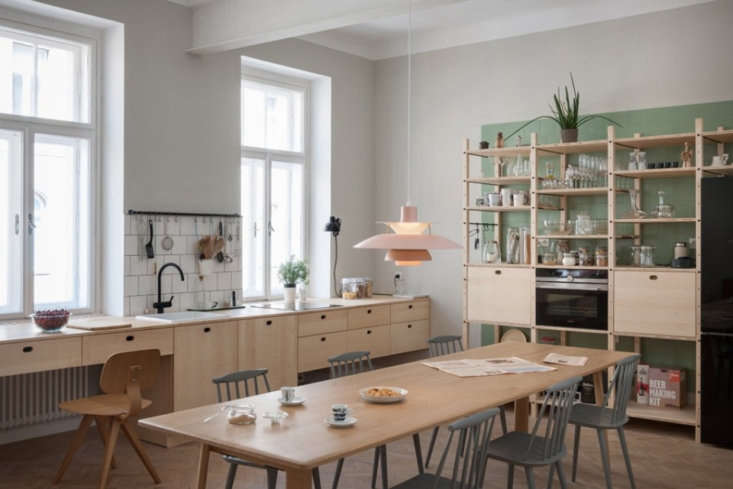
Horizontal racks are the gold standard for those who want to showcase the full profile of the bike. By positioning the frame parallel to the floor, you treat the bike as a painting. This method is ideal for long hallways or the space above a low sideboard. In the Vienna home, custom ash wood elements are used to create a seamless transition between the bike storage and the rest of the home’s bespoke furniture.
Vertical Swivel Racks: The Practical Urbanite Look
For those dealing with tight corners or multiple bikes, vertical swivel racks (such as those from Steadyrack) are a design revelation. These allow the bike to be hung by the front wheel and then folded flat against the wall. It’s a masterpiece of accessibility.
| Feature | Horizontal Display | Vertical Swivel Display |
|---|---|---|
| Space Efficiency | Requires long wall clearance | Ideal for deep, narrow corners |
| Visual Impact | High (Shows the full silhouette) | Moderate (Focuses on the wheels/tires) |
| Ease of Use | Requires lifting the whole frame | Roll-on, roll-off functionality |
| Best For | Showcasing a single "hero" bike | Managing multiple daily riders |
To maintain a sleek aesthetic and protect your pristine white walls, we always recommend using fabric wheel covers or "bike socks." These prevent tire marks and grease from transferring to the paint, ensuring your "art" remains clean and your walls remain scuff-free.
2026 Storage Trends: Beyond the Standard Hook
As we look toward the design landscape of 2026, the humble "hook" is being replaced by integrated furniture systems. The Vienna apartment is a precursor to this trend, where the bicycle storage isn't an afterthought—it’s built into the architecture of the room.
One of the most exciting developments is the Gravity Stand. For our readers who are renting and cannot drill into their walls, these stands rely on tension and balance to hold two bikes vertically against a wall. It’s a non-permanent solution that looks incredibly high-end.
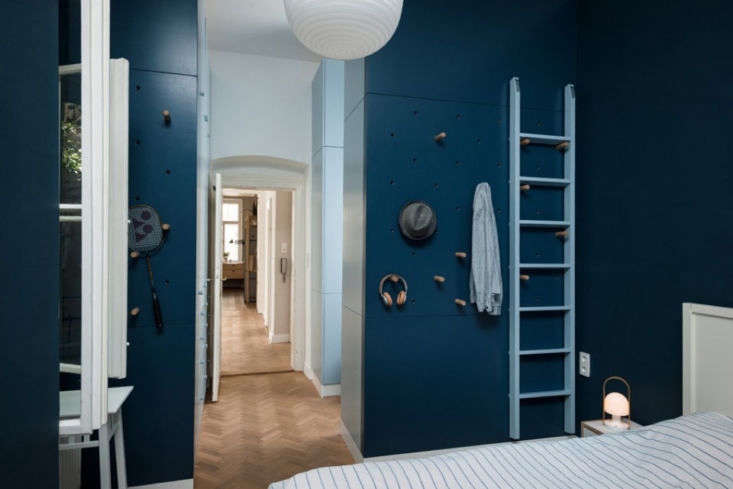
Another burgeoning trend is Furniture-Integrated Storage. We are seeing a move toward custom cabinetry that combines bike racks with shelving for helmets, cycling shoes, and everyday carry items. It creates a "launchpad" in the entryway—a dedicated zone that organizes the chaos of an active life into a streamlined, beautiful installation.
Essential Styling Tips for Interior Harmony
Integrating a bicycle into a living space requires more than just a sturdy mount; it requires an eye for color and balance. The Vienna home succeeds because it treats the bike as part of a larger palette.
1. Balancing Colors and Accents Notice how the Vienna home uses a chartreuse front door. If you have a bike with a bold frame—say, a Ferrari red or a matte teal—let that color dictate your accent pieces. Match your throw pillows or a piece of wall art to the bike’s frame to create a sense of intentionality. If your bike is a neutral black or silver, you have more freedom to play with bold wall colors behind it.
2. The 30% Rule of Active Decor Data shows that "active decor" works best when it occupies about 30% of the visual field of a wall. If the bike is too small for the wall, it looks like an abandoned toy; if the wall is too crowded, it feels like a garage. Give your bike "breathing room" to ensure it reads as art.
3. Maintenance as Aesthetics The secret to the "gallery look" is cleanliness. A bike covered in road salt or mud is not art—it’s a chore waiting to happen. In the Vienna home, the transition from the entryway to the private living quarters is seamless because the "equipment" is kept in showroom condition.
The Urban Heart: A Final Thought on Layout
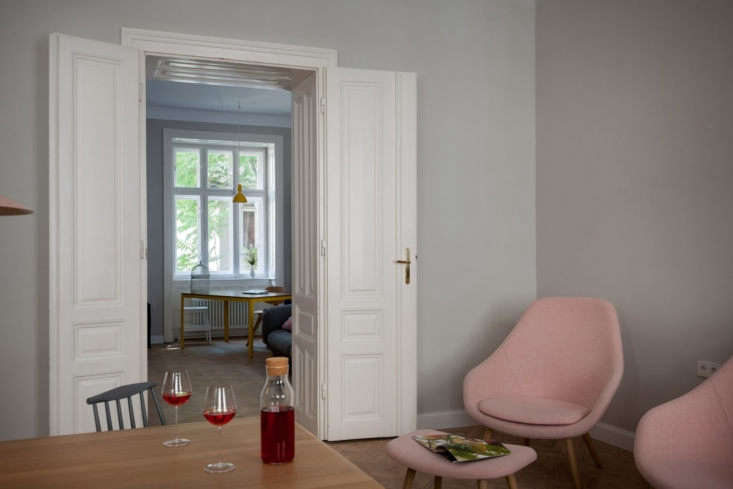
The true genius of the Vienna apartment is how it positions the bike-gallery as the heart of the home. This isn't just a place to store a vehicle; it’s a central hub that connects the kitchen, the living room, and the private quarters. It’s a reminder that our homes should be reflections of how we actually live, not just how we think a "traditional" home should look.
By embracing vertical storage and high-end materials like ash wood and custom peg systems, the designers have proven that functionality and luxury are not mutually exclusive. They are, in fact, the two wheels that drive modern urban design forward.
FAQ
Q: Will hanging my bike by the wheel damage the rim? A: Generally, no. Modern rims are designed to handle significant force during rides. However, for bikes with carbon rims or very thin aero spokes, we recommend horizontal frame mounts or specialized vertical racks that distribute weight more evenly.
Q: How do I prevent tire marks on my apartment walls? A: You have three stylish options: 1. Use a "bike sock" (a fabric cover for the tires). 2. Install small, transparent plastic adhesive sheets where the tires touch the wall. 3. Choose a rack with a built-in rear wheel tray.
Q: I’m a renter. Can I still have a bike wall display? A: Absolutely. Look for "Gravity Stands" or "Floor-to-Ceiling Column Racks." These use tension or a leaning design to stay secure without needing a single screw in the wall.
Conclusion
The Vienna home teaches us that the objects we use most—our tools for freedom and transit—deserve a place of honor in our living spaces. By rethinking storage as a form of high-end art, we don't just save space; we celebrate the rhythm of our lives. Whether you choose a minimalist horizontal hook or a high-tech swivel rack, remember that your bike is a story of where you’ve been and where you’re going. Why not let it take center stage?
Are you ready to turn your hallway into a gallery? Share your bike storage makeovers with us using #ActiveDecorHome.