Quick Facts
- Concept: Nature-First Living—architectural design that prioritizes the existing ecosystem over the built structure.
- Primary Material: Low-carbon timber frame with renewable birch plywood and reusable metal cladding.
- Environmental Impact: Nature-first structures like the Birch Pavilion can achieve a 60% lower carbon footprint compared to traditional masonry extensions.
- Workplace Trend: Projected 2026 trends show a 45% increase in the use of cork and plywood for acoustic optimization in home offices.
- Key Design Philosophy: "Sophistication through restraint"—luxury defined by sensory experience rather than ostentatious display.
Redefining Our Relationship with the Built Environment
For decades, our approach to residential architecture has been one of conquest. We cleared land, poured concrete, and then, as an afterthought, added a few potted plants to "soften" the edges. But as we move toward 2026, a profound shift is occurring. At the heart of this evolution is Nature-First Living. This is not merely an aesthetic choice; it is an architectural priority that places the existing landscape at the center of the design process. It utilizes biophilic principles to seamlessly integrate built structures with natural ecosystems, aiming to improve occupant well-being while drastically reducing our environmental footprint.
We are seeing a move away from decorative greenery toward integrated ecosystems. The goal is no longer to just look at a garden from a window, but to live within it. N4 Architecture’s visionary Birch Pavilion in Stoke Newington serves as the definitive case study for this movement. It challenges the traditional "extension" by creating a standalone sanctuary that respects the roots of the trees it sits beside, proving that we can expand our living spaces without shrinking our souls or our planet’s resources.
The Birch Pavilion: A Masterclass in Restraint and Integration
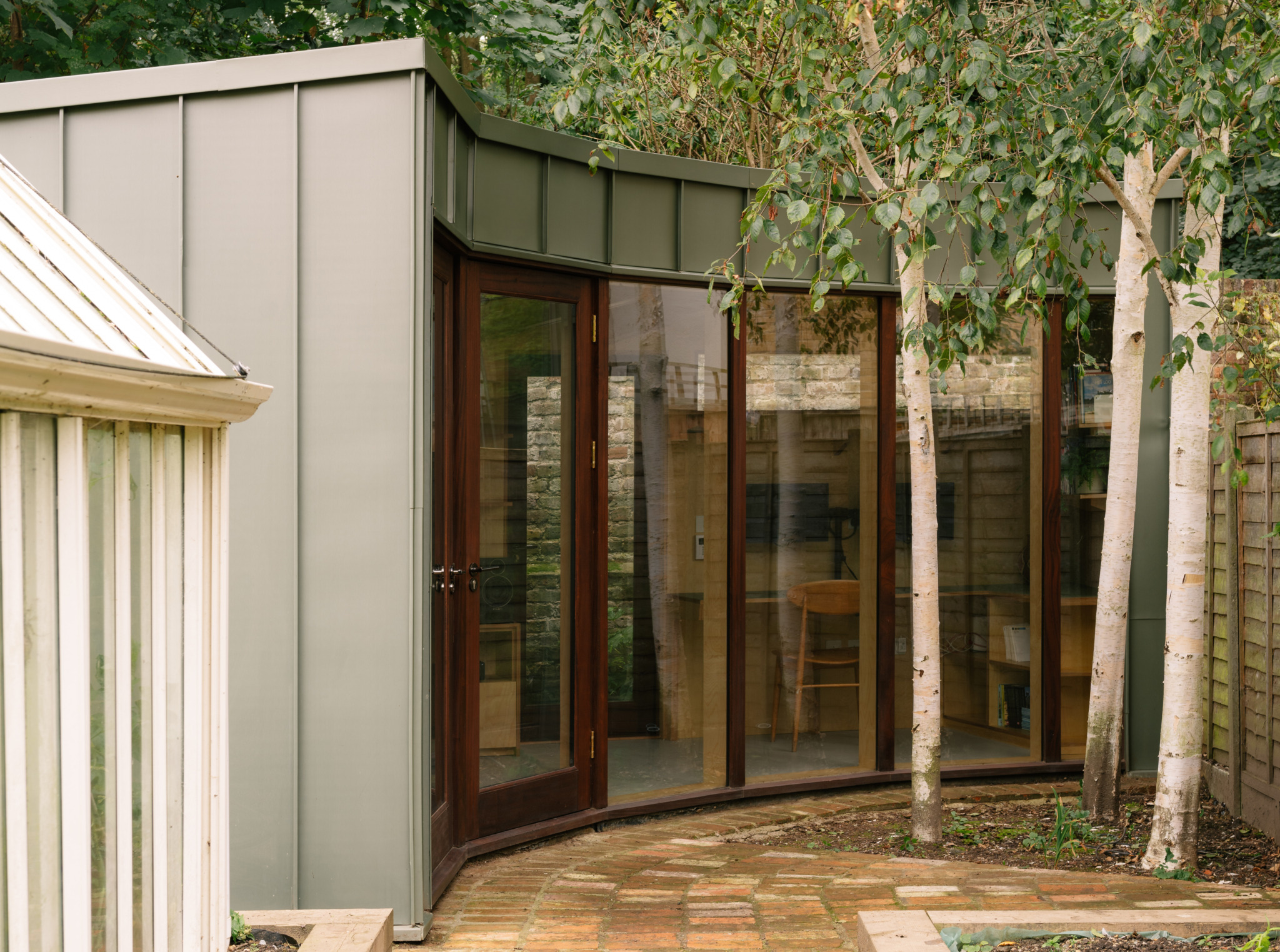
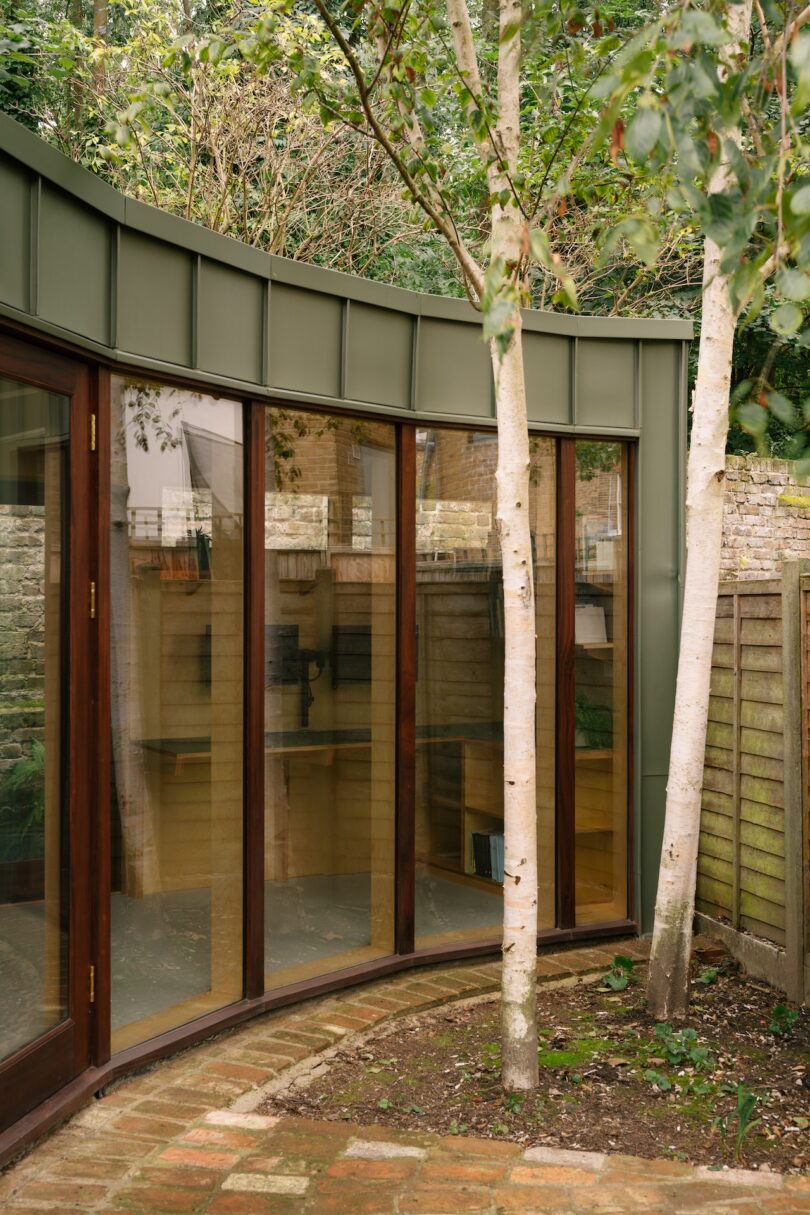
When N4 Architecture took on the Birch Pavilion project, the challenge wasn't just to build a room; it was to negotiate with a garden. The existing silver birch trees and the established greenery dictated the pavilion’s unique, curved form. By allowing the landscape to guide the architecture, the result is a structure that feels as though it grew out of the soil rather than being dropped onto it.
The defining characteristic of the Birch Pavilion is the "Permeable Boundary." This concept dissolves the hard edge between the interior workspace and the exterior garden. Through the use of floor-to-ceiling glazing and vertical timber beams that mimic the rhythm of the surrounding tree trunks, the physical walls seem to vanish. This creates a sensory experience where the inhabitant is constantly connected to the shifting light and dappled shadows of the garden.
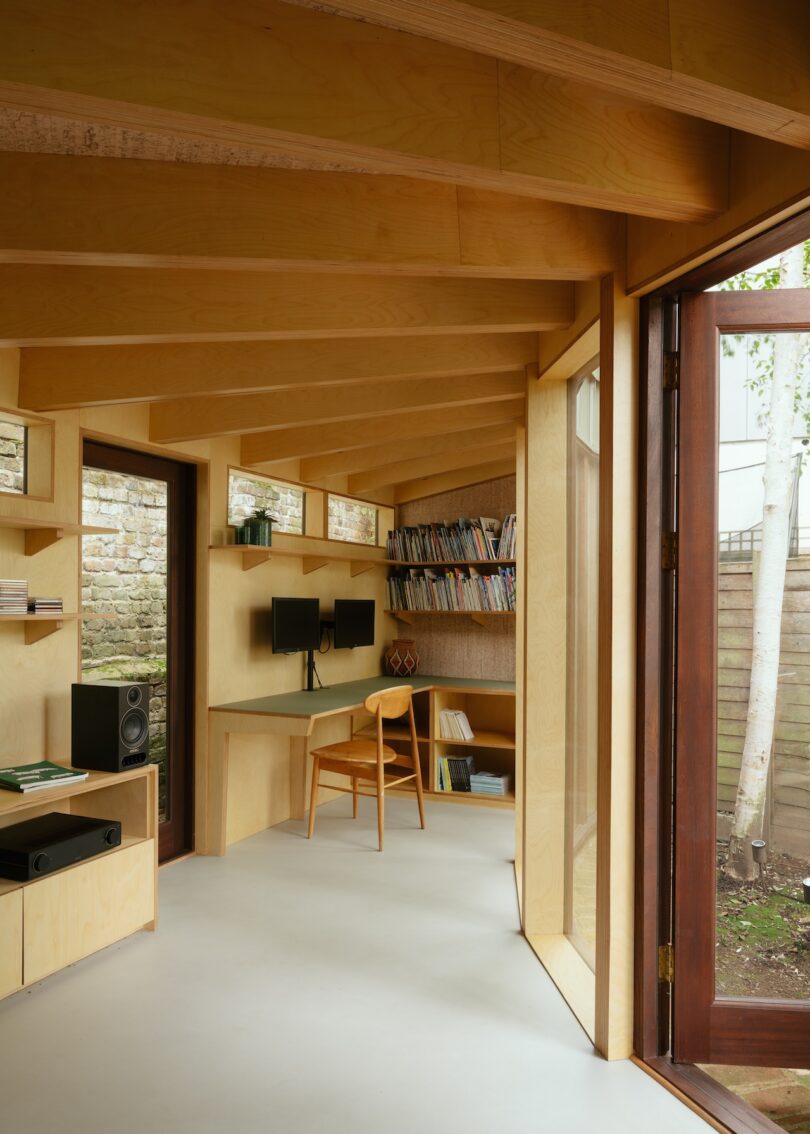
Internally, the choice of micro cement flooring provides a neutral, tactile base that grounds the ethereal light coming through the glass. It is a masterclass in what we call "sophistication through restraint." There is no clutter, only the essential materials needed to foster focus and tranquility. For homeowners looking to replicate this, the lesson is clear: luxury is what you feel—the temperature of the air, the quality of light, the silence of the room—not what you display.
Materiality and Sustainability: Building for 2026 and Beyond
As an editor focused on energy-efficient solutions, I am often asked if sustainable materials can truly compete with traditional construction. The data is clear: they don't just compete; they outperform. Architectural analysis suggests that nature-first structures like the Birch Pavilion can achieve a 60% lower carbon footprint compared to traditional masonry garden extensions. This is largely due to the avoidance of energy-intensive materials like brick and concrete in favor of sequestered carbon materials.
Data Call-out: Nature-first living is not just an ethical choice; it’s an efficiency strategy. Structures utilizing timber primary frames can reduce the embodied carbon of a project by up to 60% compared to traditional masonry.
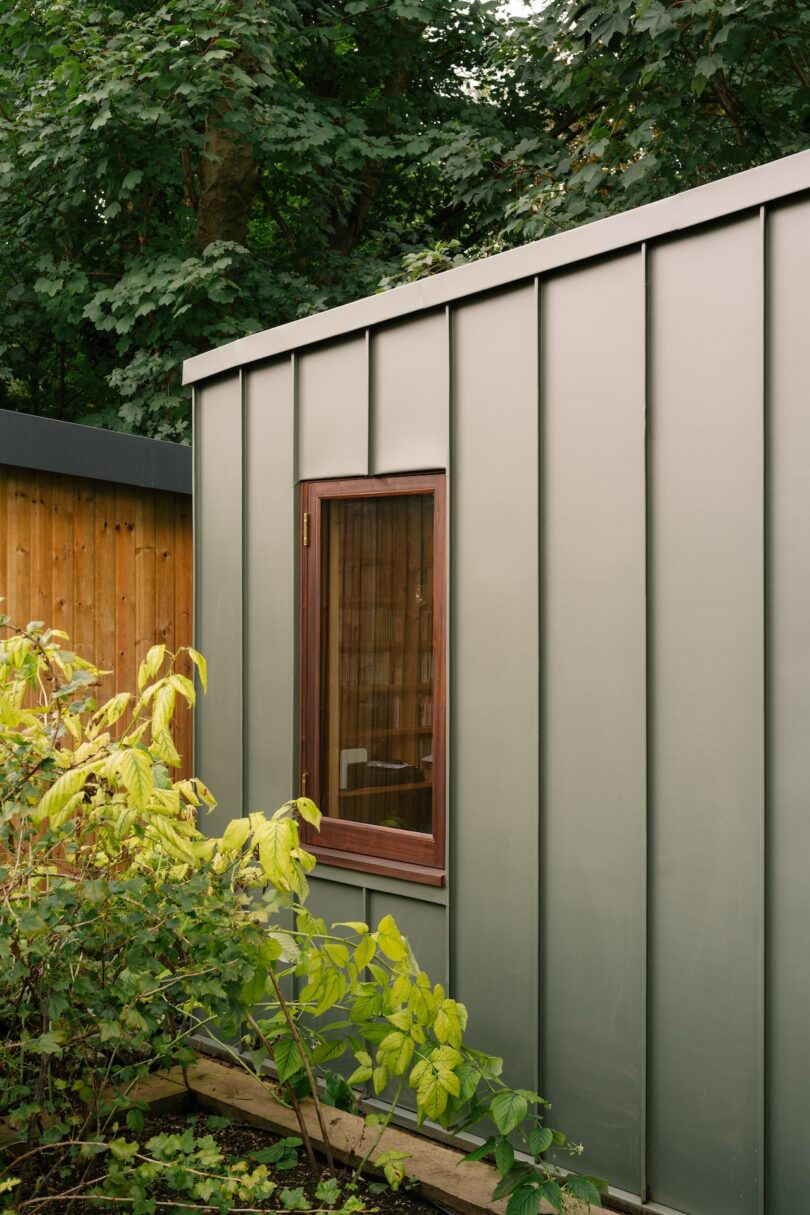
The Birch Pavilion utilizes a low-carbon timber primary structure, which acts as a carbon sink throughout its life. Complementing this is the extensive use of renewable birch plywood joinery and fully reusable metal cladding. These materials were chosen not just for their beauty, but for their "long-term stay" philosophy—the idea that a building should be durable, repairable, and eventually, recyclable.
| Material | Sustainability Benefit | Application in Birch Pavilion |
|---|---|---|
| Timber Frame | High carbon sequestration; low embodied energy. | Primary structural support. |
| Birch Plywood | Rapidly renewable; low VOC emissions. | Custom internal joinery and storage. |
| Metal Cladding | 100% recyclable; high durability. | Exterior protective envelope. |
| Micro Cement | Durable; low maintenance; high thermal mass. | Flooring for temperature regulation. |
The Multi-Functional Sanctuary: Adapting to Hybrid Work Trends
The garden room has evolved from a seasonal luxury into an essential 2026 workspace. As hybrid work becomes the global standard, the demand for "multi-functional sanctuaries" has skyrocketed. These are spaces that must serve as high-performance professional offices by day and creative retreats—such as music rooms or art studios—by night.
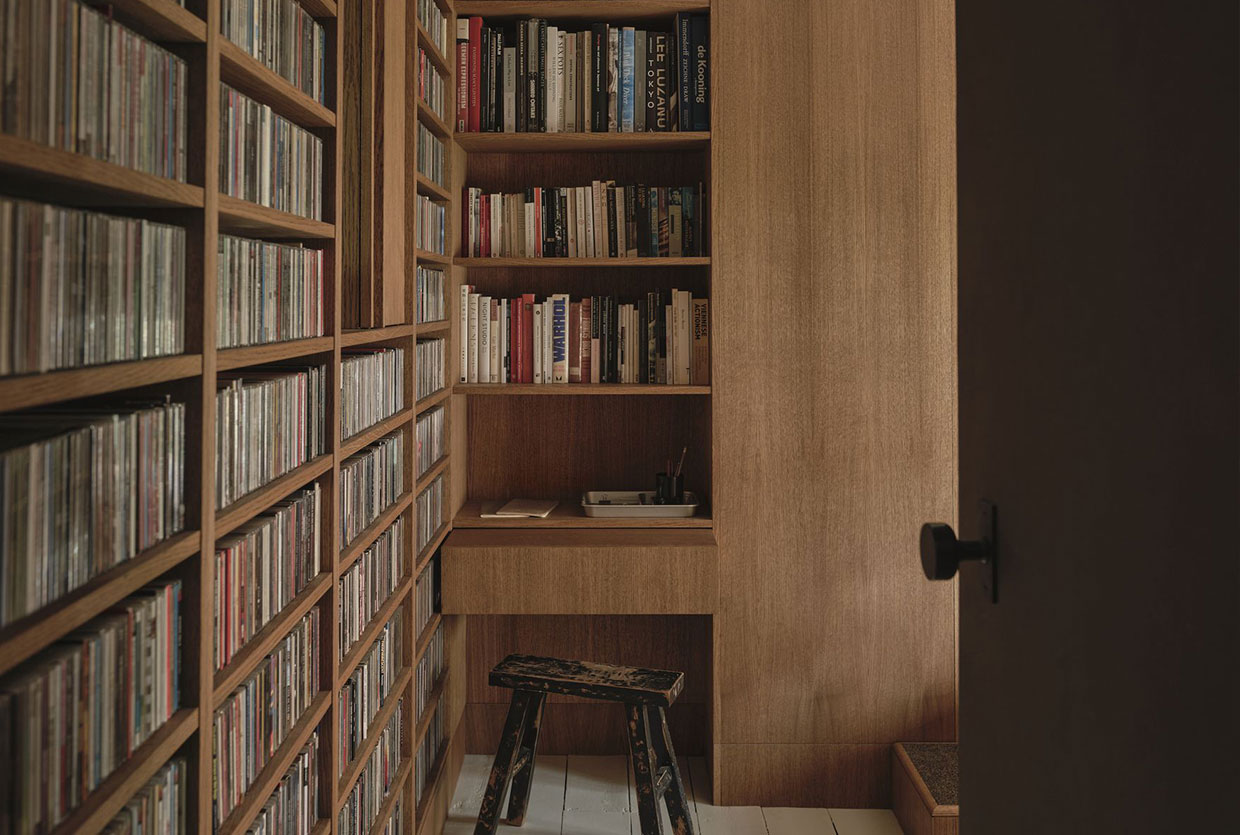
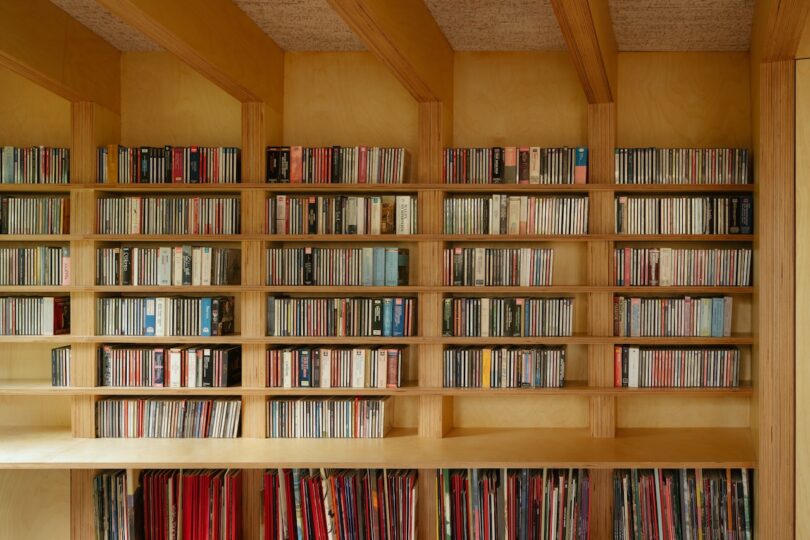
Acoustic optimization is the new frontier of home design. Projected 2026 design trends indicate a 45% increase in the integration of cork and plywood for residential acoustic treatments. The Birch Pavilion exemplifies this by using bespoke birch plywood joinery that serves a dual purpose: it provides high-density storage for a massive music collection while naturally dampening sound reflections. This creates a "Quiet Luxury" environment where the silence is as designed as the architecture itself.
For those planning a home office, we must think of "Professional Utility" alongside "Creative Sanctuary." This means:
- Zoning with Light: Using natural light for energy and focused task lighting for evening creative work.
- Natural Acoustics: Moving away from foam panels toward sustainable cork and plywood baffles.
- Tactile Surfaces: Choosing materials that feel good to the touch, reducing the digital fatigue of a 9-to-5 screen-based life.
The Neuroscience of Biophilia: Designing for the Nervous System
As we look toward the future, we are moving beyond aesthetics into the realm of structural wellness. We now understand that biophilic design—the innate human tendency to seek connections with nature—is backed by neuroscience. A well-designed nature-first space doesn't just look good; it actively regulates our nervous system.
One key principle we advocate for is the '20% Visual Greenery' rule. Research suggests that when 20% of our field of vision is occupied by natural elements, our cortisol levels drop, and cognitive performance increases. The Birch Pavilion achieves this through its strategic orientation, ensuring that no matter where you sit, the garden is the dominant visual force.
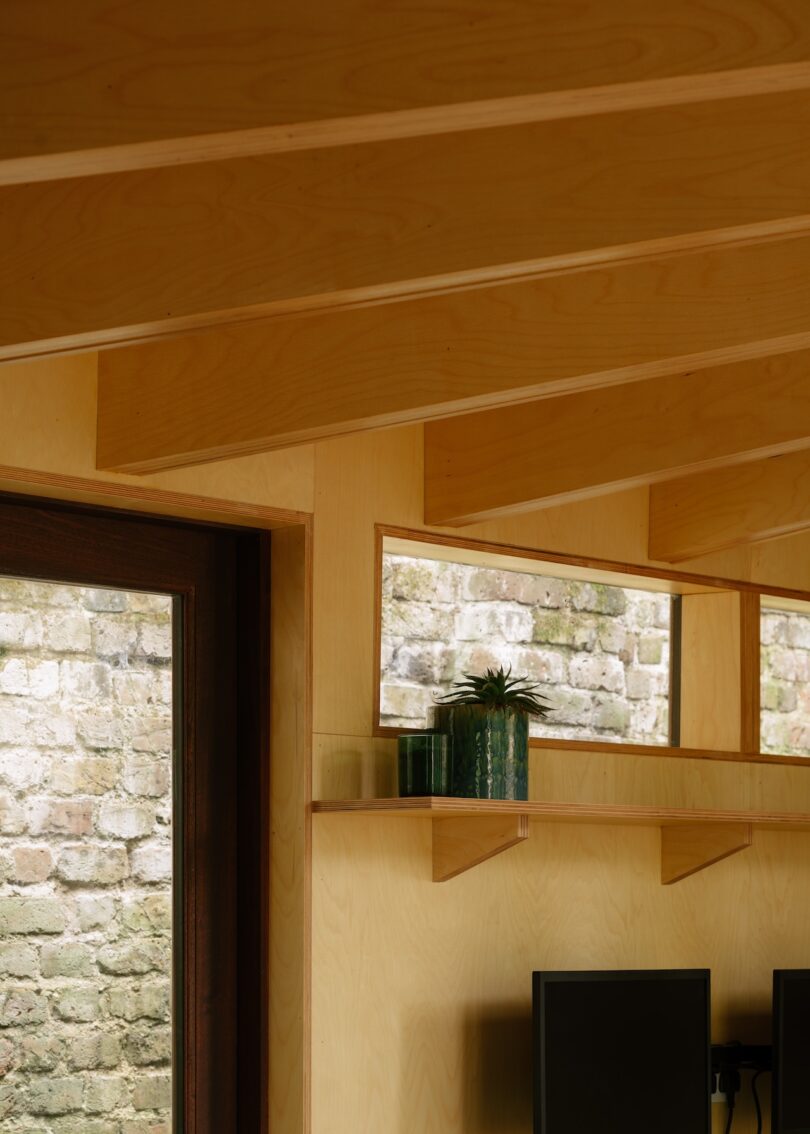
By using raw timber textures and earthy tones, N4 Architecture has created a space that supports sensory balance. In an age of digital overstimulation, these "analog" environments are vital. The soft hues of the birch plywood and the rhythmic verticality of the timber beams provide a sense of order and calm that artificial materials simply cannot replicate.
Future-Proofing Your Home with Nature-First Principles
You don’t need a full-scale garden pavilion to embrace the nature-first philosophy. Whether you are a homeowner or a renter, you can future-proof your living environment by adopting these core principles:
- Strategic Plant Integration: Don't just place plants; design around them. Use shelving that mimics the canopy of a tree or place greenery where it can interact with natural light and shadows.
- Material Substitution: When renovating, swap out synthetic laminates for birch plywood or cork. Not only are they better for the planet, but they also improve indoor air quality.
- The Palette of the Earth: Move away from clinical grays toward the "warm minimalism" of 2026. Think ochre, sage, and the soft, pale yellows of natural wood.
- Prioritize the View: Even in urban environments, orient your workspace toward the best available natural light or a window box. The "Nature-First" mindset starts with where you place your eyes.
The Birch Pavilion by N4 Architecture is more than just a beautiful building; it is a manifesto for a new way of living. It shows us that when we prioritize nature, we don't just save the environment—we save ourselves. We create spaces that breathe, that inspire, and that stand the test of time.
FAQ
Q: Is a nature-first garden room significantly more expensive than a standard extension? A: While the initial design and material costs for high-quality timber and bespoke joinery may be higher, the long-term savings are substantial. Lower energy requirements for heating (due to timber's natural insulation) and the increased property value associated with high-end biophilic design often result in a better return on investment.
Q: Can I achieve a 60% lower carbon footprint in a traditional urban home? A: Absolutely. By choosing "retro-fit" nature-first principles—such as replacing traditional insulation with wood fiber, using cork flooring, and prioritizing sustainable timber for internal structures—you can significantly reduce your home's carbon impact without a full rebuild.
Q: What is the most important factor for a multi-functional workspace in 2026? A: Acoustic privacy and sensory comfort. As hybrid work evolves, the ability to separate professional "noise" from creative "quiet" is paramount. Utilizing natural materials like birch plywood for sound absorption is the most sustainable and effective way to achieve this.