Quick Facts
- The Concept: A modern walled garden is an "invisible garden of paradise" that uses architectural boundaries to create a private micro-world.
- The 2026 Shift: Homeowners are moving away from ornamental front lawns toward multi-functional, high-privacy "sanctuaries" that prioritize biodiversity and mental well-being.
- Acoustic Isolation: Strategic wall placement can reduce suburban ambient noise by up to 40%, creating a true auditory retreat.
- Biodiversity Reservoirs: The trend replaces water-intensive lawns with "pollinator pathways" and climate-resilient Mediterranean palettes like lavender and rosemary.
- Technical Rigor: High-end walled sanctuaries are engineering feats; bespoke projects can require over 600 detailed drawings to ensure seamless transitions between stone, soil, and structure.
For decades, the suburban ideal was defined by the open front lawn—a verdant, manicured stage where we performed "neighborliness" for the benefit of passersby. But as we look toward 2026, the architectural zeitgeist is turning inward. In an era of increasing urban density and digital noise, the most coveted luxury isn’t visibility; it is the "Invisible Garden of Paradise." We are seeing a profound shift from the garden as a display piece to the garden as a fortified, private sanctuary.
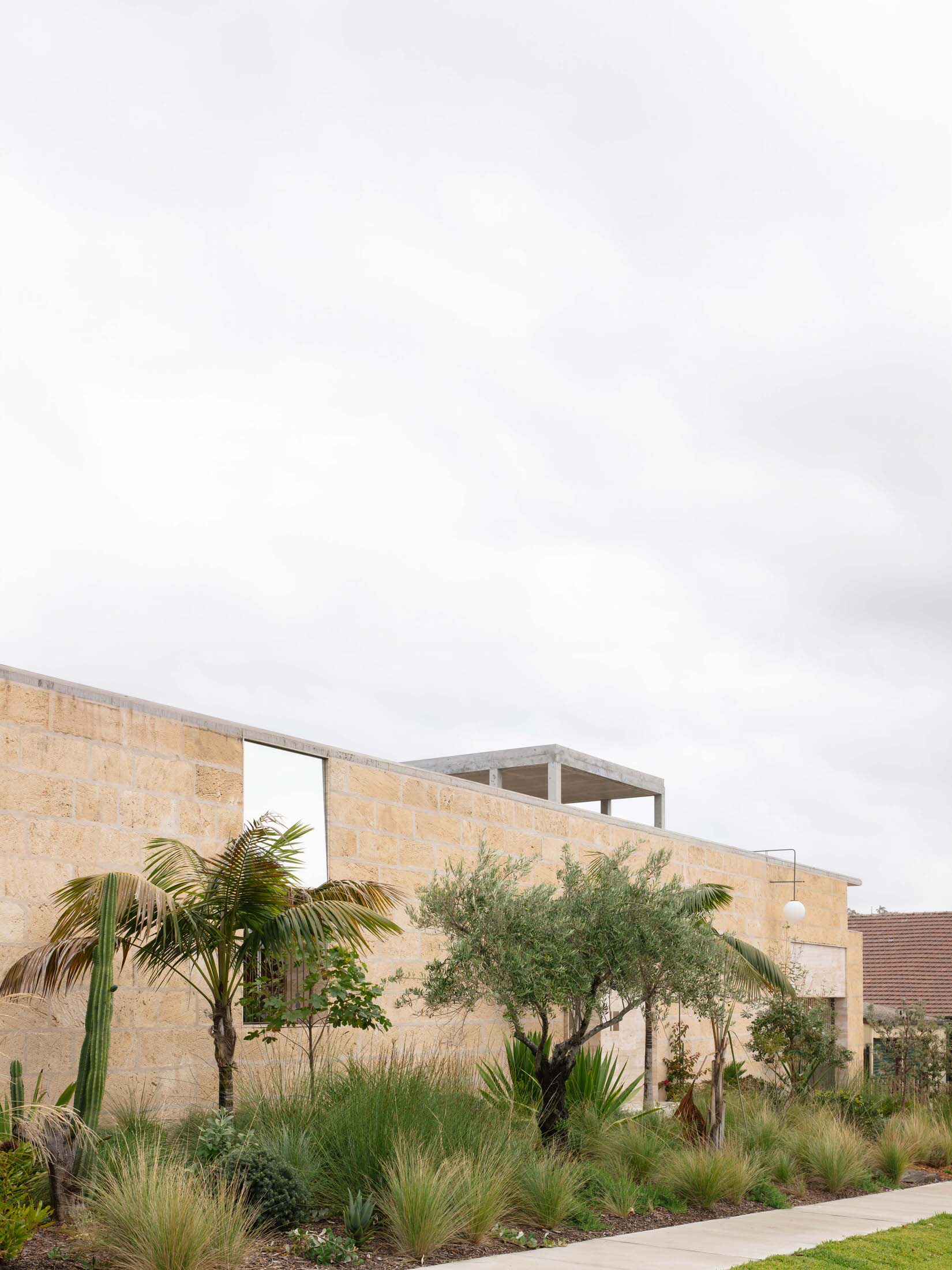
A modern walled garden is a multifunctional outdoor space that uses architectural boundaries—such as limestone walls, board-marked concrete, or dense native hedging—to balance total privacy with ecological biodiversity. It creates a secluded ecosystem within a suburban context, shielding the inhabitant from the outside world while inviting nature to flourish within. It is a design philosophy that blends the ancient concept of the Hortus Conclusus (the enclosed garden) with cutting-edge sustainable technology.
The Architecture of Concealment: Privacy as Luxury
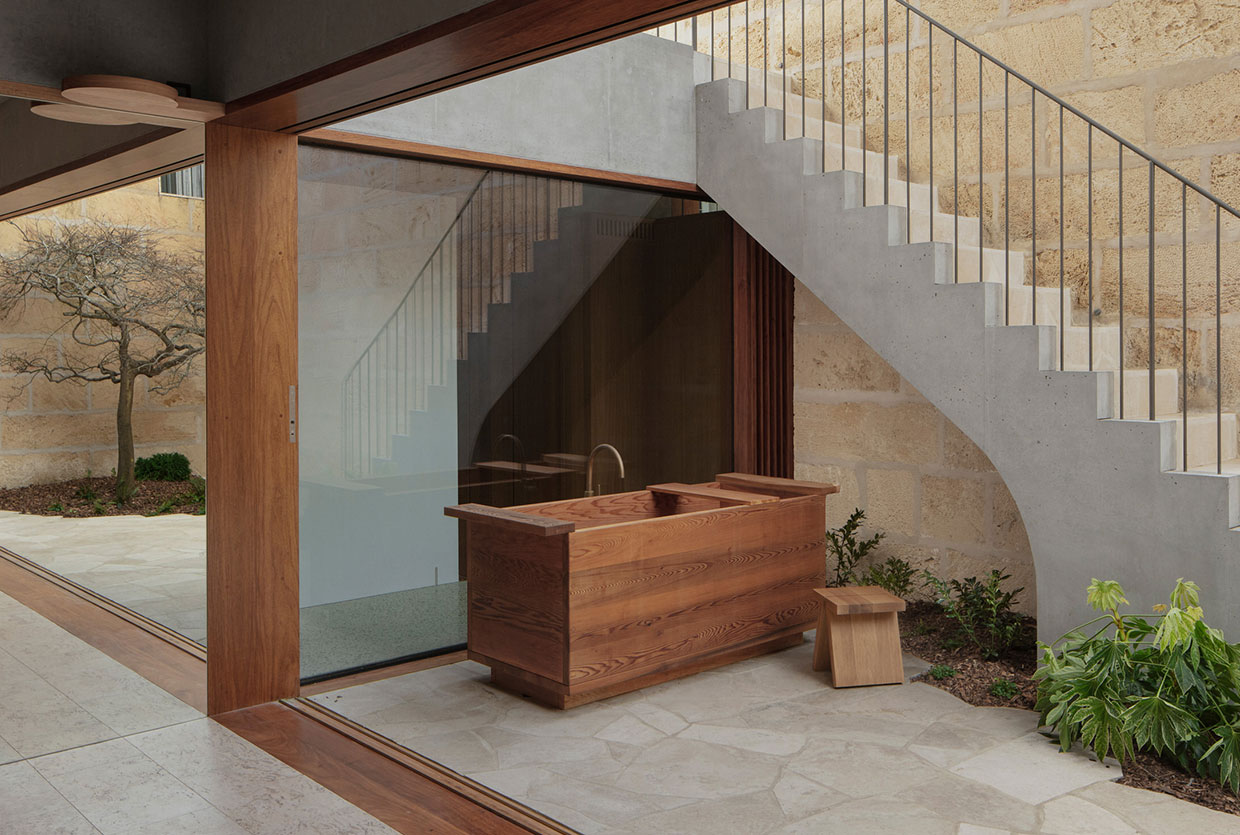
Privacy is the ultimate modern luxury. In our current design landscape, "concealment" is not about hiding; it is about curation. The modern suburban sanctuary moves beyond the flimsy timber fence, embracing "The Architecture of Concealment." We are seeing a surge in the use of limestone and masonry walls that serve as both structural support and aesthetic anchors. These walls don't just mark a boundary; they define a micro-climate.
The technical complexity behind these seemingly simple boundaries is immense. Consider the "New Castle" project in Merewether, an architectural benchmark that has set the tone for the 2026 season. Executing such a vision required over 600 detailed drawings and more than 1,000 pages of communication over a 2.5-year build cycle. Why? Because when you create a walled sanctuary, the relationship between the "massive" (the stone walls) and the "minimal" (the openings and glass) must be uncanny in its precision.
These walls act as thermal mass, absorbing heat during the day and releasing it at night, while providing a canvas for the play of shadows. By utilizing varying heights and textures, we can create street-side intrigue without sacrificing the internal sanctity. It is the architectural equivalent of a "poker face"—composed and impenetrable from the outside, but rich with life and emotion within.
Designing Micro-Sanctuaries for 2026 Wellness
The modern walled garden isn't just one large backyard; it is a series of "micro-sanctuaries" designed for restorative activities. As we move into 2026, the "multi-functional landscape" has become the primary request from high-end homeowners. People are no longer satisfied with a patch of grass; they want zones that facilitate specific rituals.
By enclosing the space, we solve two of the biggest hurdles in suburban living: acoustic and visual pollution. A well-designed limestone wall or a thick native hedge acts as a sound baffle, muting the hum of traffic and neighborhood leaf blowers. This silence allows for the creation of dedicated zones:
- Meditation Decks: Sun-drenched corners shielded from the wind.
- Morning Coffee Nooks: East-facing alcoves that catch the first light.
- Integrated Fire Features: Social hubs that provide warmth and a focal point for evening reflection.
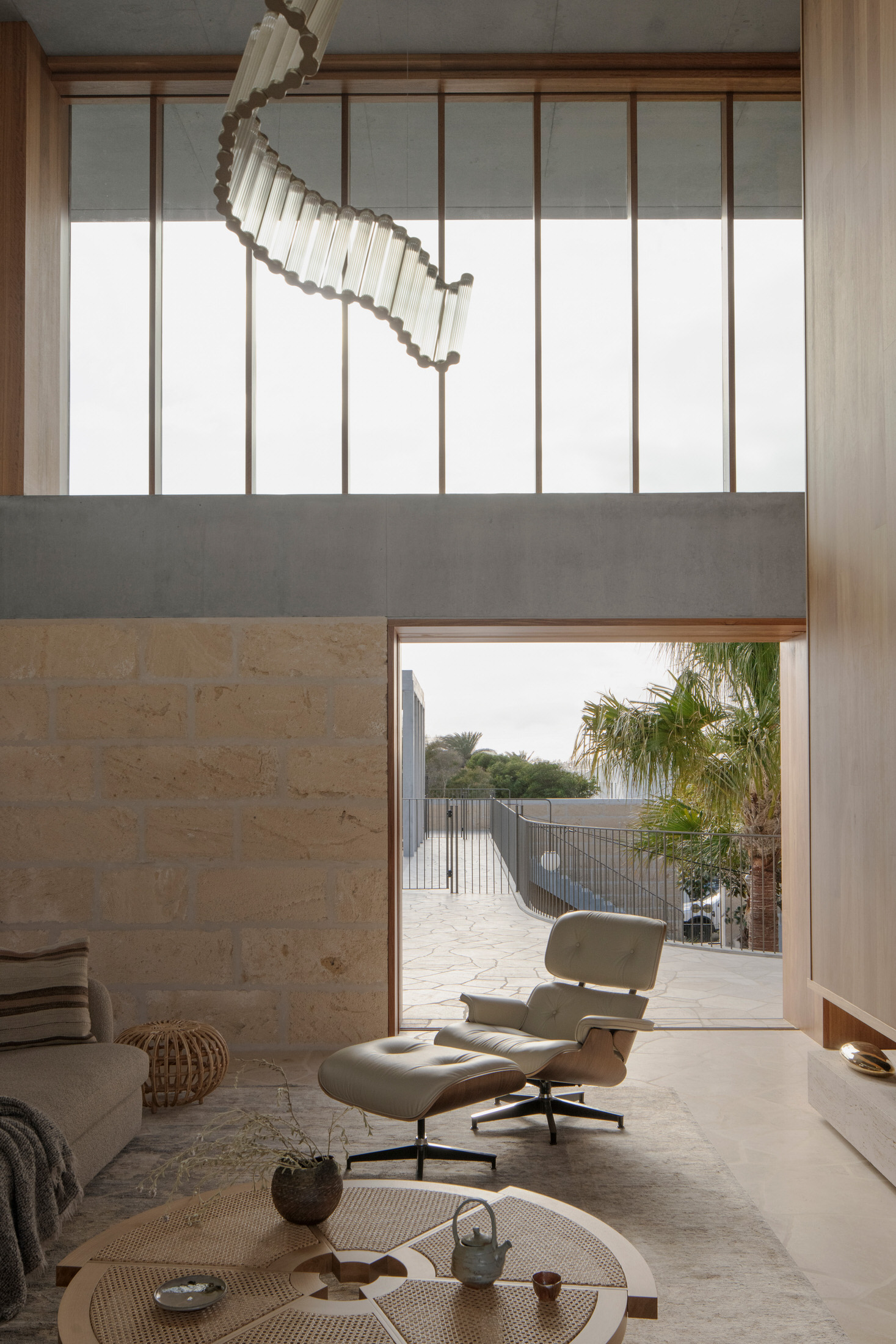
This shift represents a move away from the "one-size-fits-all" backyard. We are seeing a 24% increase in demand for the "Journey Backyard"—a concept where the landscape is experienced as a sequence of rooms, each offering a different sensory experience. The walls provide the "bones" for these rooms, ensuring that even in a small suburban lot, you can feel completely isolated from the world.
Sustainable Borders and Pollinator Pathways
While the walls provide the structure, the "soul" of the 2026 sanctuary is its ecological contribution. The era of the high-maintenance, thirsty lawn is coming to a close. In its place, we are designing "biodiversity reservoirs." The modern walled garden is a sustainable powerhouse that supports local wildlife through "pollinator pathways"—carefully curated corridors of flora that invite bees, butterflies, and birds into the private residential boundary.
The aesthetic for 2026 is "Immersive Layered Borders." We are moving away from the rigid, single-row planting of the past and toward a more naturalistic, dense layering of plants. This creates a "mini-meadow" feel that is both low-maintenance and high-impact.
2026 Trend Spotlight: The Climate-Resilient Palette
| Plant Type | Recommended Varieties | Function in the Sanctuary |
|---|---|---|
| Structural Hedging | Lilly Pilly, Waterhousea | Visual privacy and windbreak |
| Aromatic Layering | Lavender, Rosemary, Sage | Sensory delight and pollinator attraction |
| Drought-Tolerant Accents | Agave, Ornamental Grasses | Textural contrast and low water use |
| Ground Cover | Creeping Thyme, Dichondra | Softening stone edges and water retention |
By selecting Mediterranean palettes and native species, we create shaded micro-climates that improve the energy efficiency of the home itself. A walled garden filled with lush vegetation can lower the surrounding temperature by several degrees, reducing the reliance on indoor air conditioning during the height of summer.
Seamless Transitions: The Indoor-Outdoor Blur
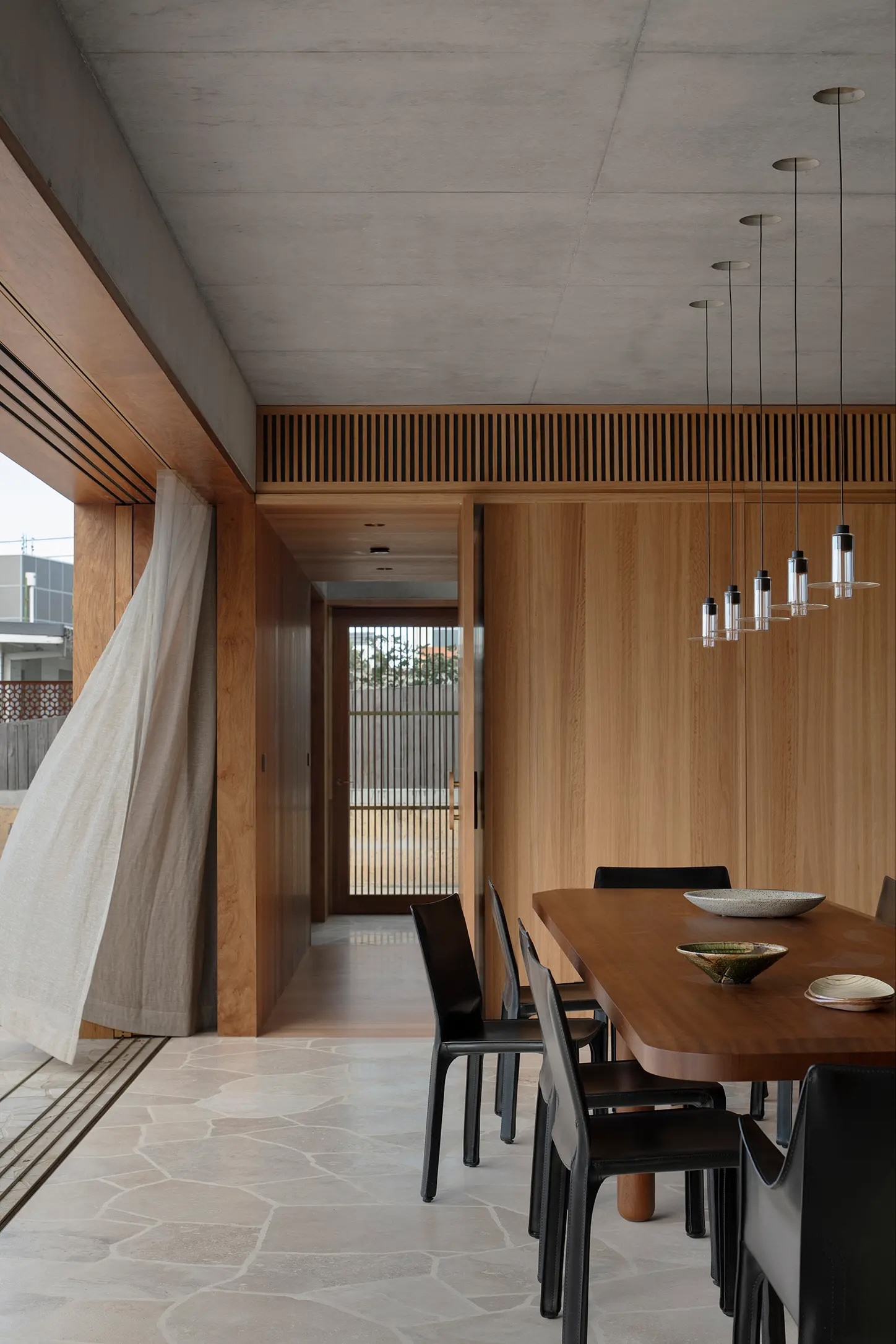
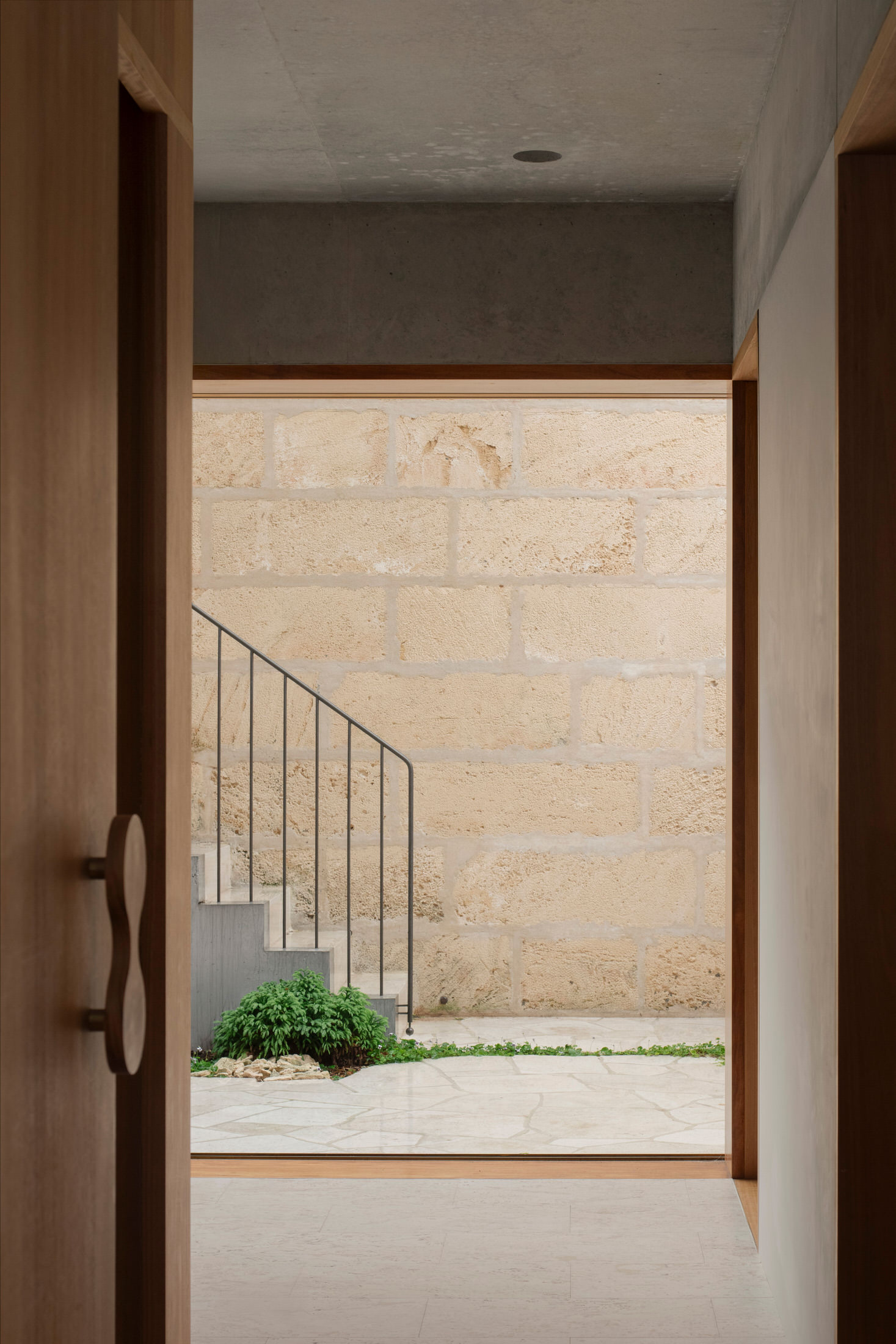
In my years as an editor, I’ve found that the most successful designs are those where you can't quite tell where the house ends and the garden begins. The walled garden facilitates this "Indoor-Outdoor Blur" better than any other architectural form. By using the same material—such as large-format modular porcelain pavers—for both the interior kitchen and the outdoor terrace, we create a visual continuum that makes both spaces feel exponentially larger.
Floor-to-ceiling glass doors act as the only "barrier," but when retracted, the wall of the garden effectively becomes the wall of the living room. This creates a sense of living within the landscape rather than adjacent to it.
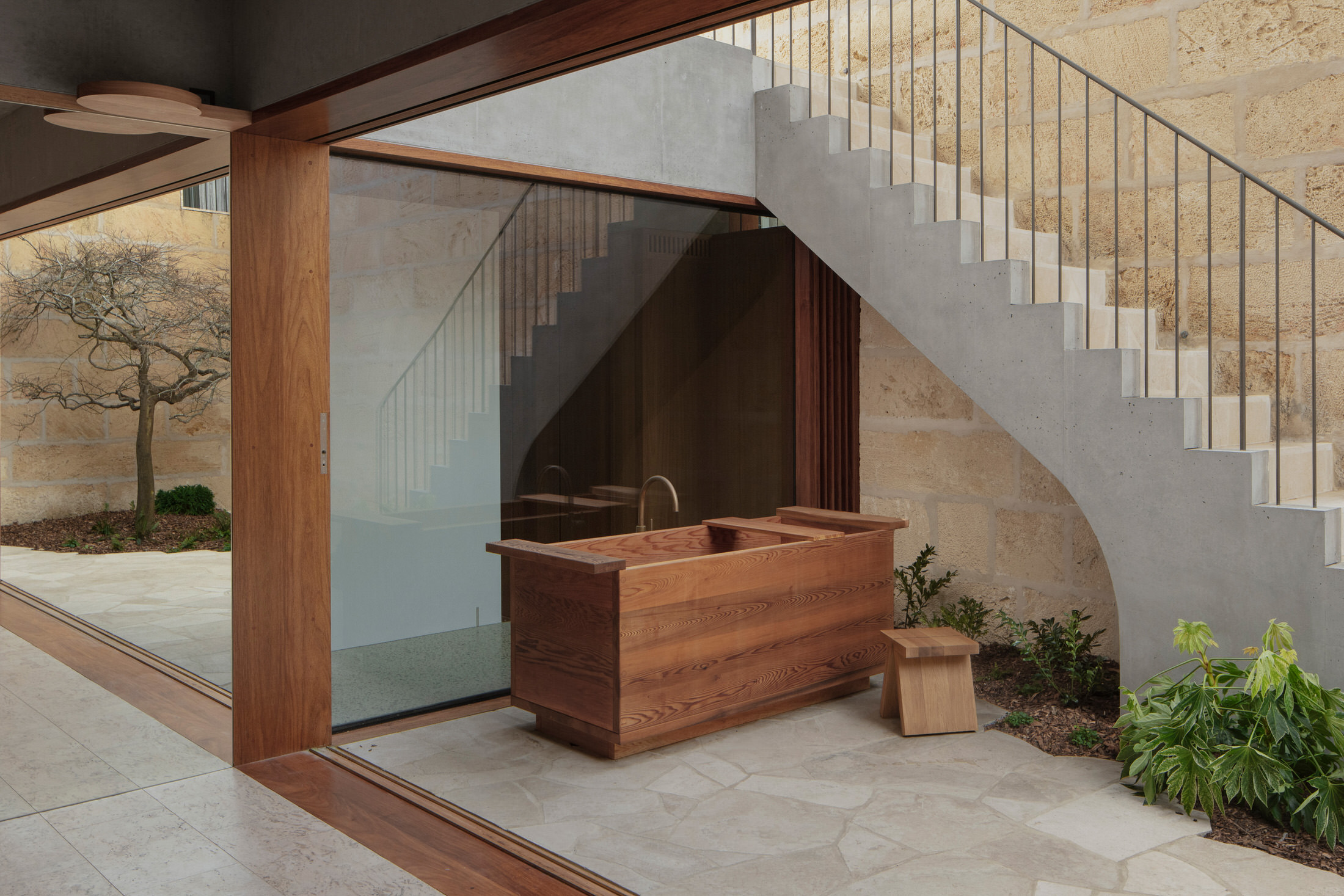
To achieve this, every joint and finish must be executed with absolute precision. We recommend natural stone or high-end porcelain solutions that offer slip resistance for the outdoors while maintaining a sophisticated, honed finish for the interior. This is the "Buy Once, Buy Well" philosophy in action—investing in timeless, high-quality materials that will age gracefully alongside the garden.
Smart Tech in the Secret Garden
While the walled garden feels like an ancient escape, it is powered by modern intelligence. The 2026 sanctuary is a "Smart Garden," but the technology is invisible. We are moving away from clunky gadgets and toward integrated systems that manage the garden’s health automatically.
- Soil Moisture Sensors: Hidden sensors that communicate with irrigation systems to ensure water is only used when necessary, preventing waste.
- App-Controlled Lighting: Zoned LED lighting that can be adjusted to create different moods—from bright, functional light for outdoor cooking to soft, amber hues for a meditation session.
- Permeable Paving: Engineering the ground to be "thirsty," allowing rainwater to filter through the pavers into rain gardens rather than overwhelming suburban storm drains.
The meticulous detailing required for these systems is part of the 2.5-year build cycle we often see in top-tier projects. When you are building for the long term, the infrastructure behind the wall is just as important as the finish on top of it.
Conclusion: The Future is Walled
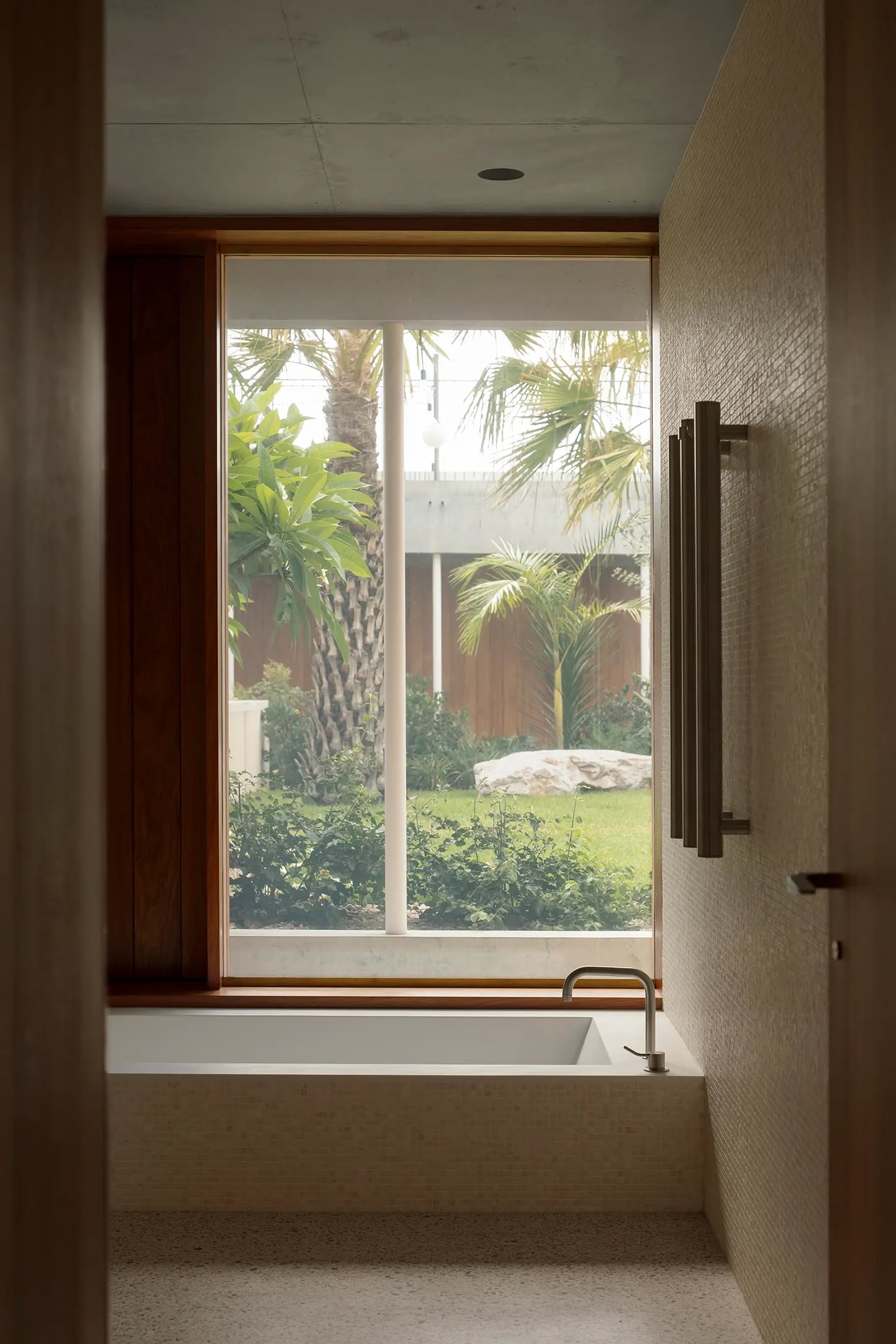
The suburban sanctuary is no longer about the view from the street; it’s about the view from the soul. As we look toward 2026, the walled garden stands as the ultimate architectural response to a crowded world. It provides a sanctuary that is acoustically quiet, visually private, and ecologically generous.
By embracing the "Invisible Garden of Paradise," we aren't cutting ourselves off from the community; we are creating a high-quality environment where we can recharge, allowing us to engage with the world more fully when we choose to step outside the gates. The future of suburban living is private, sustainable, and meticulously crafted. It is time to stop designing for the neighbors and start designing for your own peace of mind.
FAQ
1. Won't a walled garden make my small backyard feel smaller? On the contrary. By defining the boundaries clearly and using seamless transitions like matching indoor-outdoor flooring, you create "visual expansion." When the eye travels to the wall of the garden, that becomes the "limit" of the room, making the interior feel as large as the entire lot.
2. Is a walled garden more expensive than a traditional fence? Yes, it is a significant architectural investment. A bespoke walled sanctuary involves technical complexity and high-end materials like limestone or masonry. However, it adds substantial value to the property by providing permanent privacy, acoustic insulation, and thermal mass that can lower energy bills.
3. How do I maintain biodiversity in an enclosed space? The key is "layered planting" and "pollinator pathways." By choosing a mix of native hedges and flowering plants like lavender, you create a habitat for local wildlife. The walls also create a micro-climate that can protect more sensitive species from wind and frost, allowing for a more diverse range of plants than an open garden.