Quick Facts
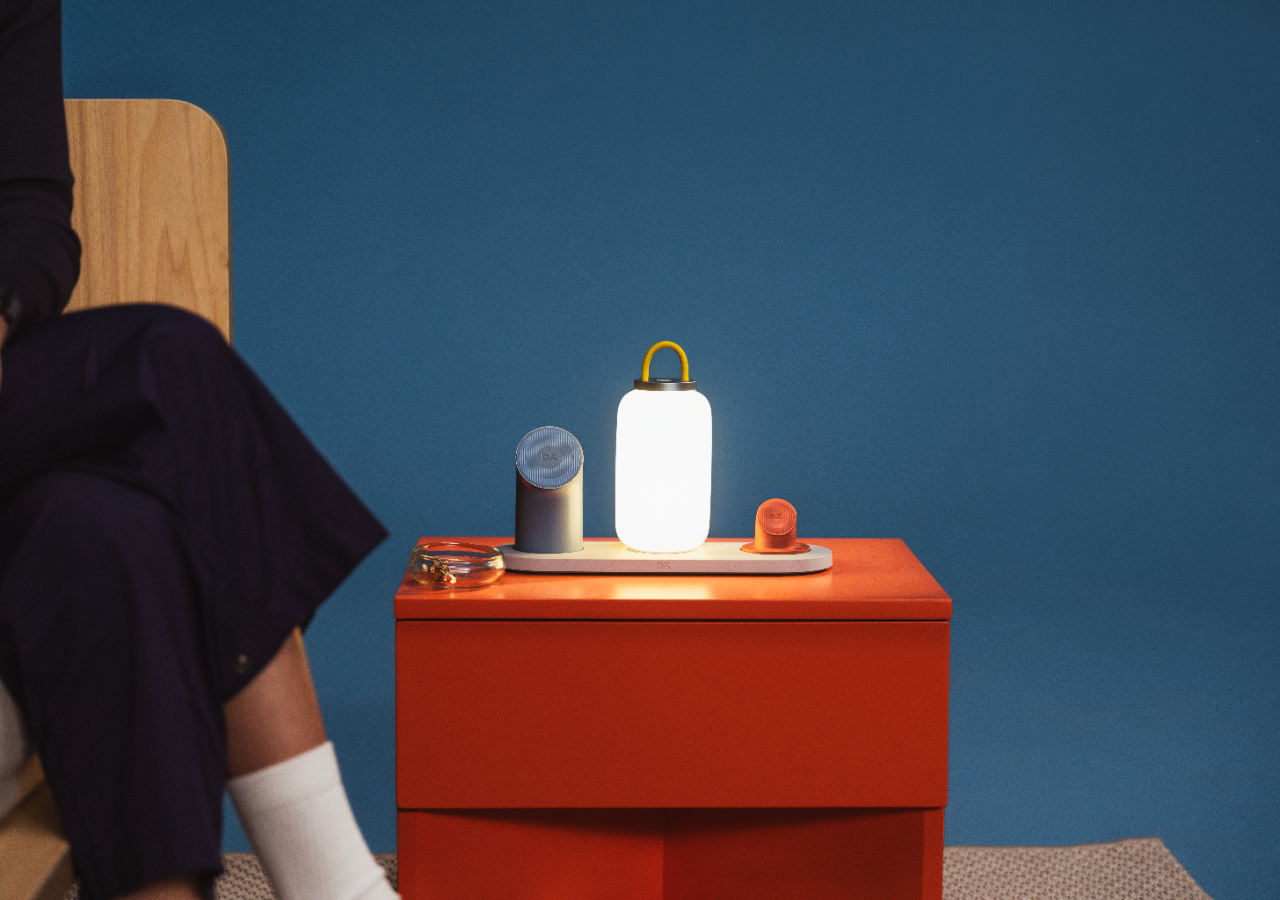
- Design Lead: Benjamin Hubert of the design agency LAYER for DailyObjects
- Modular Versatility: The Node system features magnetic modules including phone mounts, watch chargers, and a portable lamp
- High-Power Capacity: The Loft hub supports simultaneous charging for up to four devices with 100W total output
- Elite Technology: Integration of Qi2 standards for 15W wireless charging and GaN components for heat efficiency
- Aesthetic Palette: Nature-inspired colors including Charcoal, Clay, and Forest with tactile materials
- The Verdict: A premium solution for those looking to merge high-speed power delivery with a sculptural, clutter-free desk aesthetic
The Node and Loft collections from DailyObjects and LAYER offer a modular approach to workspace organization, featuring a multiple device charging station that combines high-wattage GaN technology with architectural, sculptural silhouettes. By integrating advanced Qi2 charging standards and versatile USB-C ports, these systems provide a best multiple device charging station solution that prioritizes both functional power delivery and sophisticated interior design.
The Sculptural Desk: Why Minimalist Design Language Matters
In my years as an editor focusing on home systems, I have found that the greatest disruptor of a calm workspace is not the work itself, but the visual noise of our tools. We often treat tech accessories as utilitarian afterthoughts, resulting in a "cable nesting" effect that drains mental energy. The shift we are seeing now moves away from this "utility tech" phase and toward true interior design integration.
This isn't just a niche preference for enthusiasts. The global minimalist lifestyle products market was valued at approximately USD 10 billion in 2024 and is projected to reach USD 25 billion by 2032. We crave simplicity because our digital lives are increasingly complex. In fact, a survey of over 12,000 respondents revealed that 59% of consumers prefer a clean and minimal interior design that emphasizes a calm aesthetic over eclectic or maximalist styles.
The Node and Loft collections, designed by LAYER for the brand Daily Objects, represent this evolution perfectly. Instead of the typical black plastic bricks we are used to, these pieces utilize arched silhouettes and tactile materials. They don't just sit on the desk; they belong to the room. By using a minimalist design language, these tools transform the multiple device charging station from a hidden necessity into a display-worthy object that enhances workspace organization.
Node: The Modular Ecosystem for Flexible Work
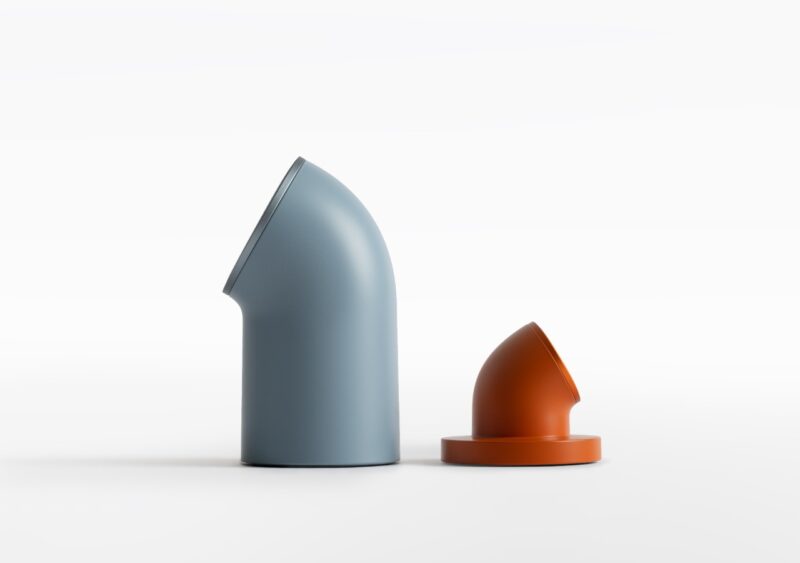
For the professional who values flexibility, the Node system is a revelation in modularity. The base is a soft, pill-shaped magnetic strip that acts as the foundation for a wireless charging station for multiple devices. What makes it unique is the "interchangeable module" system. You can snap on a phone charging stand, a dedicated Apple Watch mount, or even a portable LED lamp.
The Node system is specifically designed for what I call the "Mobile Professional" persona—someone whose desk needs might change from morning deep-work to evening creative sessions. The portable lamp module is a standout feature, offering 8 hours of battery life and three dimming modes, allowing you to take your light source from the desk to a reading nook without fumbling for extra cables.
As a modular charging station for multiple devices, Node solves the "fixed-port" problem. If you upgrade your watch or change your phone alignment, you aren't stuck with a legacy dock that no longer fits. You simply swap the module. It’s an ecosystem that grows with your tech stack, keeping your desk aesthetics intact while providing the most efficient magnetic alignment.

Loft: The High-Power Hub for Multi-Device Users
While the Node focuses on modular flexibility, the Loft is the high-performance anchor. This multi-device charging station and dock is built for users with heavy power requirements—think a mix of a laptop, a tablet, an e-reader, and a smartphone. It provides a centralized fast charging station for multiple devices that can handle up to four units at once without breaking a sweat.
The secret to its compact power lies in GaN technology (Gallium Nitride). Traditional silicon-based chargers are bulky and generate significant heat when pushing high wattage. GaN components are much more efficient, allowing the Loft to maintain a slim, sculptural profile while delivering high-speed USB-C Power Delivery. This is critical for any multi-device charging station for desk setup where space is at a premium.
The materials used in the Loft collection further distance it from "corporate" tech. The inclusion of braided nylon construction for the main power input ensures durability, while the nature-inspired color palette—Charcoal, Clay, and Forest—allows the device to blend into high-end home office furniture. It feels like a piece of stationary or a small sculpture rather than a piece of industrial hardware.

Technical Benchmarks: Qi2 and MagSafe Standards
It is important to understand that not all wireless chargers are created equal. When selecting a multiple device wireless charging station, the internal hardware is just as important as the external shell. The Node and Loft series incorporate the Qi2 charging standard, which is the latest leap in wireless power technology.
If you are looking for a multiple device charging station apple users will appreciate, Qi2 is the key. It uses a Magnetic Power Profile to ensure the device is perfectly aligned with the charging coil every time. This alignment is what allows for a consistent 15W fast charge, whereas older standards often dropped to 7.5W due to slight misplacements that caused heat buildup and energy loss.
| Feature | Qi (Original) | Qi2 (Latest) | MagSafe (Apple) |
|---|---|---|---|
| Max Power Output | 5W - 15W (varies) | 15W | 15W |
| Alignment Method | Manual Placement | Magnetic Alignment | Magnetic Alignment |
| Heat Management | Basic | Advanced (GaN) | Advanced |
| Safety Certifications | Standard | ETL / TÜV | Proprietary |
The use of MagSafe compatibility ensures that your iPhone stays securely held at a tilted, ergonomic angle. This is vital for "StandBy" mode or taking video calls while the device receives power. Furthermore, these stations are built with safety certifications like ETL and TÜV, ensuring that the high-wattage flow won't damage your expensive smartphone batteries over time.
Stealth Cable Management: Organizing Your Minimalist Setup
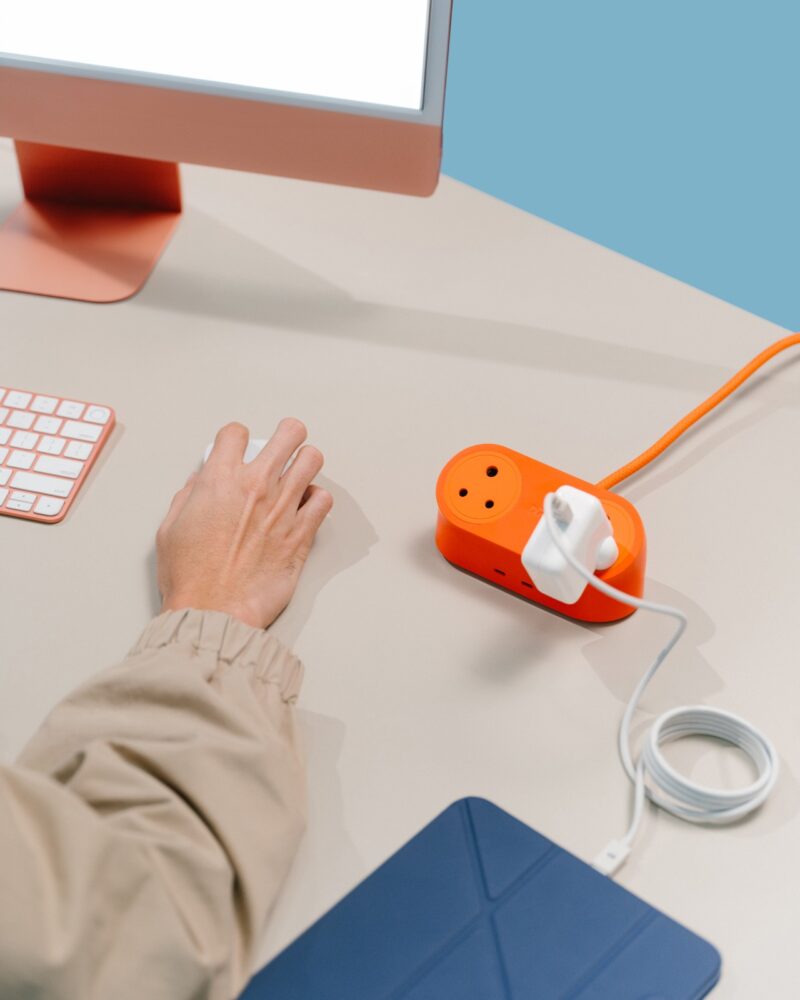
A common mistake even among minimalists is buying a beautiful docking station but leaving the "tails"—those messy trailing wires—exposed. To achieve the "Stealth Minimalism" favored by workspace enthusiasts on platforms like r/minimalism, you must integrate cable management directly into your flow.
The Node and Loft systems assist this by providing integrated wire-routing within their bases. However, to truly elevate your workspace organization, you should consider these additional steps:
- Use Magnetic Cable Clips: For the auxiliary cables coming out of the Loft hub, use small magnetic clips to keep them flush against the back of your desk.
- Color-Matched Braided Cords: If you must have a wire exposed, choose a braided nylon cord that matches your desk surface or the charging station itself to reduce visual contrast.
- The Under-Desk Power Strip: Plug your main hub into a power strip mounted to the underside of your desk. This ensures only one cable travels from the desk to the wall outlet.
- Silicone Bases: The Node and Loft feature non-slip silicone bases. Use these to anchor the station near a desk grommet (the hole for cables), so the wires disappear immediately after exiting the hub.
By treating cable routing as part of the architecture of the desk, you maintain that sense of calm and purpose that a minimalist multiple device charging station is designed to provide.

Who Should NOT Buy These?
While I am a proponent of the Node and Loft systems, they aren't for everyone. You might want to look elsewhere if:
- You use only one device: If you only own a single smartphone, a multi-device hub is overkill.
- You prioritize price over aesthetics: These are premium design objects; if you don't mind a mess of plastic and wires, a cheap $20 power strip will technically do the same job.
- Your devices are extremely old: Older phones without magnetic alignment (pre-iPhone 12 or non-Qi2 Androids) won't take full advantage of the Node's modular snapping features.
FAQ
What should I look for in a multiple device charging station?
You should prioritize the charging standard (look for Qi2 for modern phones), the total wattage output (especially if charging a laptop), and the build quality. Ensure the station uses GaN technology to manage heat and has a heavy, non-slip base to stay stable when you detach your phone.
Are multi-device charging stations safe for phone batteries?
Yes, high-quality stations use sophisticated power management chips that prevent overcharging and overheating. Look for certifications like ETL or TÜV to ensure the station has been tested for safety. Using a station with magnetic alignment actually helps battery health by preventing the heat generated by misaligned coils.
Do charging stations charge multiple devices slower?
It depends on the specific hub. A high-end fast charging station for multiple devices like the Loft is designed with enough total wattage to deliver full speed to all ports simultaneously. However, budget stations often split a single power source, meaning the more devices you plug in, the slower each one charges.
How do I organize cables in a charging station?
The best way is to use a station with built-in cable routing and to secure any "slack" under the desk. Braided nylon cables are easier to manage because they don't tangle as easily as standard plastic ones. Using a hub that centralizes all connections into one unit also drastically reduces the number of wires traveling to your wall outlet.
What is the difference between a charging station and a power strip?
A power strip is a passive extension of your wall outlet that requires you to bring your own "bricks" or adapters. A multiple device charging station has the power conversion technology built-in, allowing you to plug your USB cables directly into the unit. This creates a much cleaner, more compact desktop setup.
Do all charging stations support fast charging?
No. Many older or cheaper models are limited to 5W or 7.5W wireless charging. To get true fast charging, you need a station that supports the Qi2 standard or has dedicated USB-C Power Delivery (PD) ports capable of at least 20W per smartphone or 60W+ for laptops.
Final Recommendation
Creating a calm, functional home is about removing the friction from your daily routines. When you choose the best multiple device charging station for your needs, you aren't just buying a battery topper; you are investing in a system that clears physical and mental clutter.
If your priority is a versatile, evolving setup for mobile work, the Node modular ecosystem is the superior choice. If you are a power user who needs to anchor a complex desk setup with high-wattage throughput, the Loft desktop hub will serve you better. Both collections prove that tech accessories can be as beautiful as the furniture they sit on, allowing you to stay connected without sacrificing the peaceful aesthetic of your home.