Quick Facts
- 2026 Palette: Earth-centered tones including ochre, olive green, terracotta, and deep plum accents.
- Core Materials: Sustainable staples like rattan, bamboo, and abaca combined with luxury finishes like marble and native hardwoods.
- Design Philosophy: Tropical modernism that prioritizes passive cooling, natural ventilation, and a blurred line between indoor and outdoor spaces.
- Growth Outlook: The Philippine interior design market is projected to grow at a compound annual growth rate of 6.4% from 2025 to 2031, fueled by urbanization and a pivot toward sustainable living.
- Key Elements: Modernized traditional filipino interior design features such as Solihiya weaving, Inabel textiles, and contemporary takes on heritage furniture.
- Global Influence: A minimalist vernacular that adapts ancestral forms into sleek, functional silhouettes suitable for urban apartments and luxury estates alike.
Modern filipino interior design is a sophisticated evolution of the archipelago's architectural heritage. By blending tropical modernism with ancestral crafts like Solihiya weaving and Inabel textiles, industry professionals are creating spaces that are both globally fluent and culturally rooted. Whether you are modernizing a traditional filipino house design or starting fresh, this guide offers expert styling tips to master the minimalist vernacular of the Philippines.
From Bahay Kubo to Global Chic: The Evolution
The journey of the Filipino home is a story of adaptation. To understand a modern filipino house design, one must look back at the Bahay Kubo. This indigenous stilt house was the original masterclass in responsive architecture. Its high-pitched roof and wide windows were designed for maximum natural ventilation, a principle that remains the foundation of modern filipino interior design today.
As we moved into the era of the Bahay na Bato during the Spanish colonial period, the materiality shifted toward stone, hardwood, and capiz. Today, the most exciting modern traditional filipino interior design projects are the ones that marry these two histories. We have moved away from the heavy, dark wood mid-century aesthetics and 19th-century pastels toward a monochromatic, textured luxury. This new era focuses on the skeletal beauty of the structure and the raw, honest texture of the materials used within it.
Modern Filipino designers are no longer just looking to replicate the past; they are distilling it. The open-plan layout of a contemporary condo might borrow the fluid air movement of the Kubo, while a focal wall might feature the intricate geometry of traditional weaving styles. This transition signifies a move from being a recipient of global trends to becoming a contributor of a unique, tropical-modernist perspective that resonates in Milan, New York, or Manila.
The Essential Toolkit: Native Materials in a Modern Palette
Achieving a high-end Filipino aesthetic requires a curated selection of native filipino materials for modern home interiors. The secret lies in what I call the Material Group Chat—how different textures "talk" to one another within a room. If you have a sleek, cold surface like white Carrara marble, you need the warmth of woven abaca or the organic grain of native hardwoods to ground the space.
The following materials are the cornerstones of the current landscape:
| Material | Application | Design Impact |
|---|---|---|
| Solihiya Weaving | Cabinet doors, chair backs, headboards | Adds airy transparency and rhythmic geometric patterns. |
| Abaca Fibers | Area rugs, wall coverings, pendant lights | Provides a coarse, natural texture that softens minimalist lines. |
| Inabel Textiles | Throw pillows, runners, upholstery | Introduces heritage patterns with a tactile, hand-woven feel. |
| Bamboo | Accent furniture, ceiling slats | A sustainable alternative to hardwoods that offers a linear, clean aesthetic. |
| Capiz Shell | Lighting fixtures, window panels | Filters light into a soft, pearlescent glow reminiscent of ancestral homes. |
When considering filipino wood and rattan furniture styling tips, the most important rule is contrast. Rattan is often associated with casual outdoor settings, but when paired with polished metal or leather, it transforms into an element of sophisticated modern filipino house interior design. For example, a rattan lounge chair with a slim steel frame instantly moves the piece from a rustic porch to a high-rise living room.
Professional Styling Tips: Integrating Heritage
The hallmark of a well-designed space is balance. Industry leaders like Jonathan Matti often suggest an infuse, don't overwhelm framework. You don't want your home to look like a museum or a souvenir shop; you want it to feel like a curated reflection of your identity.
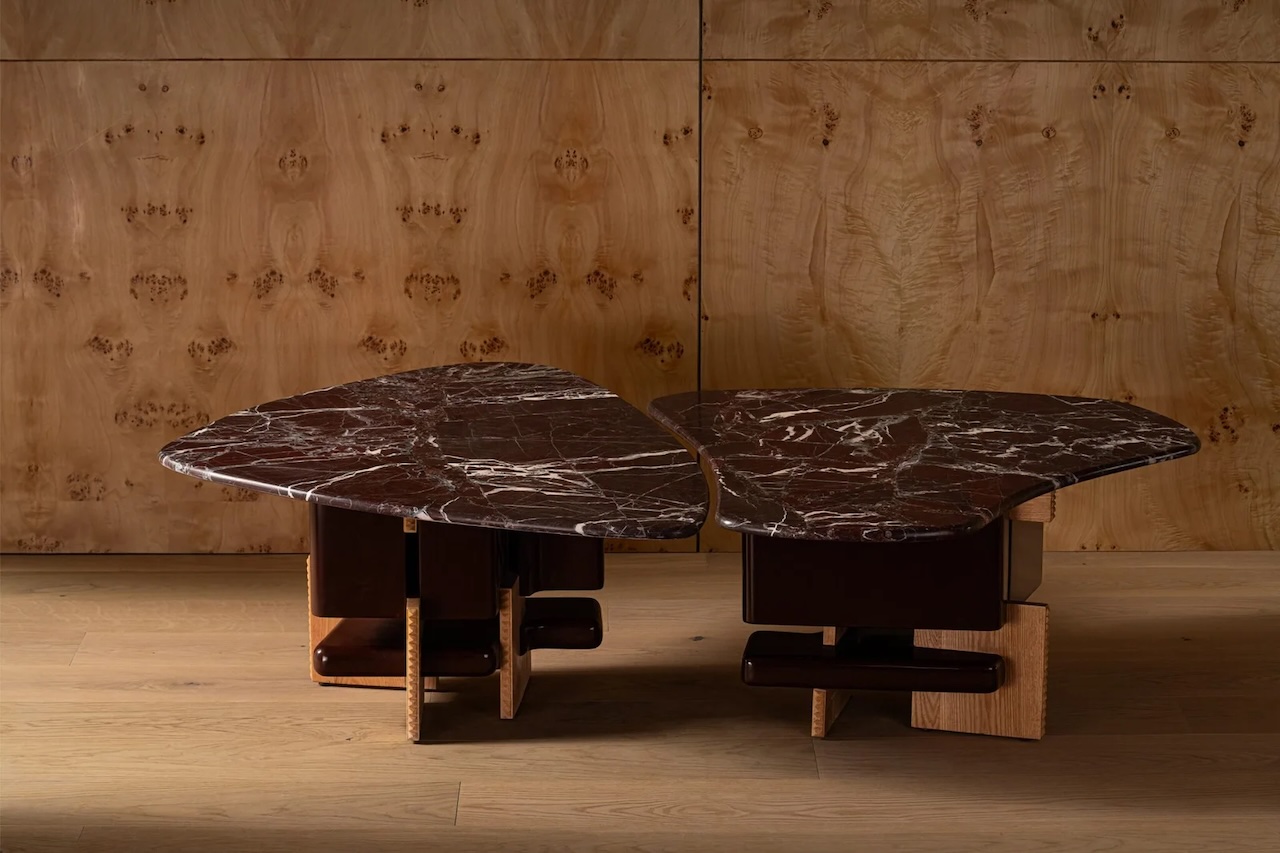
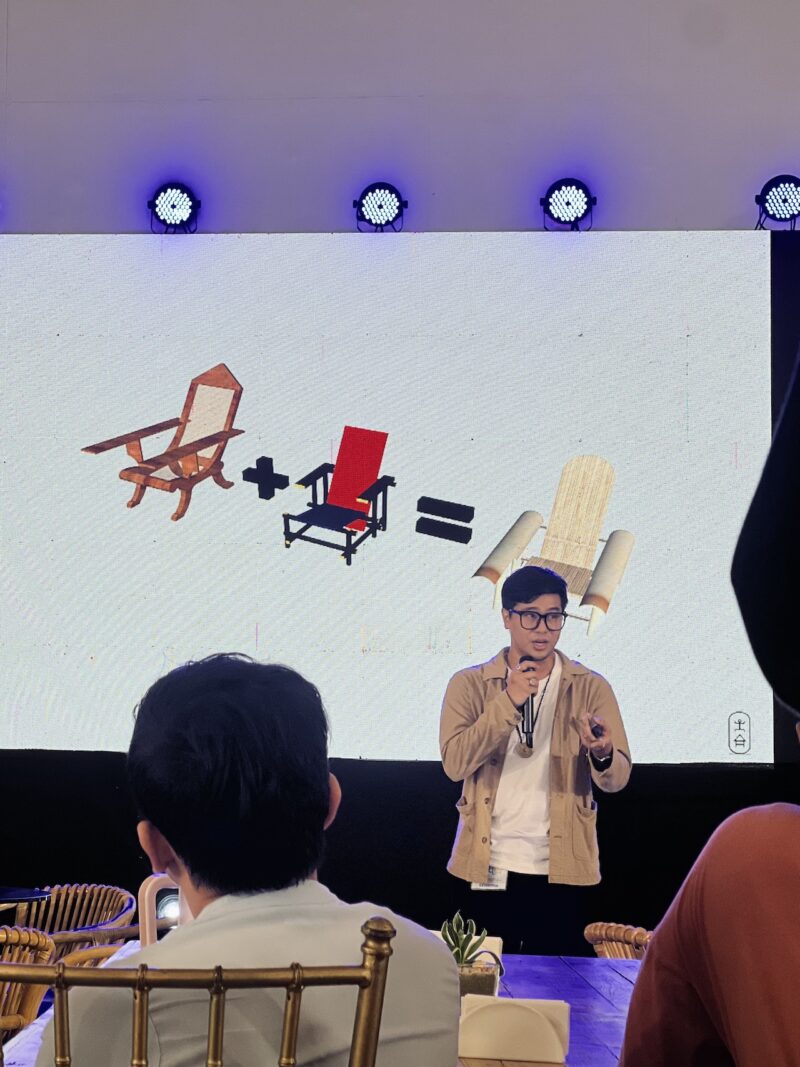
One of the most effective professional tips for modern filipino home decor is to focus on modernized vernacular pieces. Take the butaka, or the traditional plantation chair. In its original form, it is large and ornate. However, modern designers have reinterpreted this ancestral form by stripping away the carvings and using clean, parabolic lines. This transforms the chair into an iconic piece of furniture that anchors a room without crowding it.
Another sophisticated way of how to incorporate filipino elements in modern interior design is through the clever use of capiz. Instead of the traditional hanging chandeliers, look for geometric wall sconces or recessed panels that use capiz for light filtration. This mimics the soft, diffused daylight of the historic Bahay na Bato, creating a serene atmosphere that is deeply rooted in the Filipino experience of light and shadow.
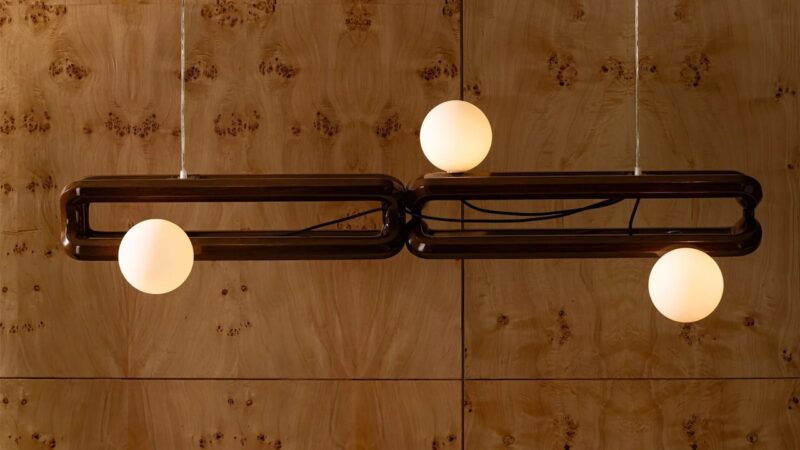
Incorporating these filipino interior design elements also means looking at the floor and walls. Hand-woven Inabel textiles from the Ilocos region can be used as subtle upholstery for a minimalist sofa or as framed wall art. These textiles bring a layer of artisan craftsmanship that industrial, mass-produced fabrics simply cannot replicate.
Future-Proofing: Sustainability and 2026 Forecast
As we look toward the future, the modern filipino interior design movement is becoming increasingly focused on performance. With the global shift toward eco-conscious living, the traditional wisdom of the Philippines is more relevant than ever. Passive cooling and natural ventilation are no longer just cultural hallmarks; they are essential strategies for net-zero living.
The 2026 forecast suggests a pivot toward textured maximalism. While the silhouettes remain minimalist, the surfaces are becoming richer. We are seeing a rise in new-age materials like abaca-reinforced polymers, which offer the beauty of natural fibers with the durability needed for high-traffic modern spaces.
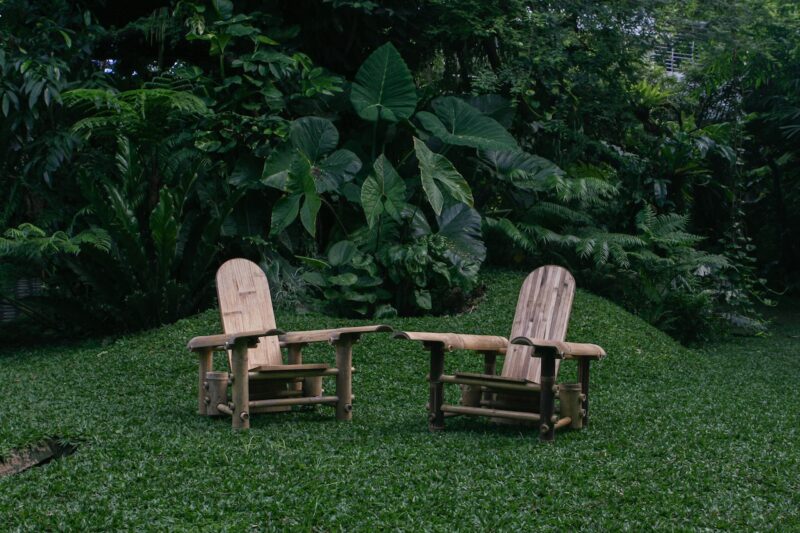
The 2026 palette will favor tones that feel grounded and regenerative. Expect to see deep terracotta paired with lush olive green, echoing the volcanic soil and forest canopies of the archipelago. This approach to indoor-outdoor living ensures that the home remains a sanctuary, bridging the gap between the urban environment and the natural world.
The market demand is shifting. With the projected interior design market growth, we are seeing more homeowners invest in sustainable sourcing. This means choosing pieces from local cooperatives and designers who prioritize the longevity of the materials and the well-being of the artisans. Building a modern Filipino home is ultimately an act of heritage preservation, ensuring that ancestral skills survive in a contemporary, globalized context.
FAQ
What are the interior design trends for 2026 in the Philippines?
The trends for 2026 emphasize a blend of textured maximalism and sustainable performance. Expect a color palette dominated by ochre, terracotta, and olive green. There is a significant move toward using advanced, eco-friendly materials such as abaca-reinforced composites and a continued focus on passive cooling designs that reduce energy consumption.
What is the traditional Filipino home decor?
Traditional Filipino decor is rooted in the use of organic, locally sourced materials and responsive architecture. Key elements include Solihiya-woven furniture, capiz shell windows and partitions, and heavy hardwoods like narra or molave. It also features hand-woven textiles like Inabel and T'nalak, as well as functional artisan pieces like hand-carved storage chests and porous clay pottery used for cooling water.
What are the three F's of interior design?
The three F's traditionally refer to Function, Form, and Feeling. Function ensures the space meets the needs of its inhabitants; Form relates to the aesthetic and structural silhouette of the design; and Feeling addresses the emotional response or atmosphere the room evokes. In the Filipino context, these often align with ventilation, artisan materiality, and a sense of communal warmth.
What makes a home look outdated?
A home can look outdated when it relies too heavily on matching furniture sets, poor lighting, or materials that lack tactile depth. Overly ornate, heavy dark wood carvings can sometimes feel stagnant if not balanced with modern, clean lines. Additionally, a lack of connection to the outdoors or poor airflow can make a space feel disconnected from the contemporary preference for bright, breezy, and sustainable living.
What is the color of the interior design in 2026?
The defining colors for 2026 are expected to be grounded and earthy. Leading the trend are shades of terracotta and warm ochre, which provide an organic foundation. These are often complemented by olive green and deep plum, creating a palette that feels both sophisticated and deeply connected to the natural landscapes of the tropical environment.