Quick Facts
- Partial Removal Cost: $5,000 – $10,000 for standard residential backyards.
- Full Removal Cost: $15,000 – $25,000+, typically required if you plan to build an ADU or structure on the site.
- Maintenance Savings: Expect to save between $1,200 and $4,000 every year on chemicals, utilities, and repairs.
- Reclaimed Space: Reclaims 500 – 2,000 square feet of usable land for gardens, patios, or play areas.
- Resale Impact: Homeowners generally only recoup 56% of a pool’s original value, and removal can broaden the pool of potential buyers.
- Project Duration: Most residential pool removals are completed within 3 to 7 days, excluding final landscaping.
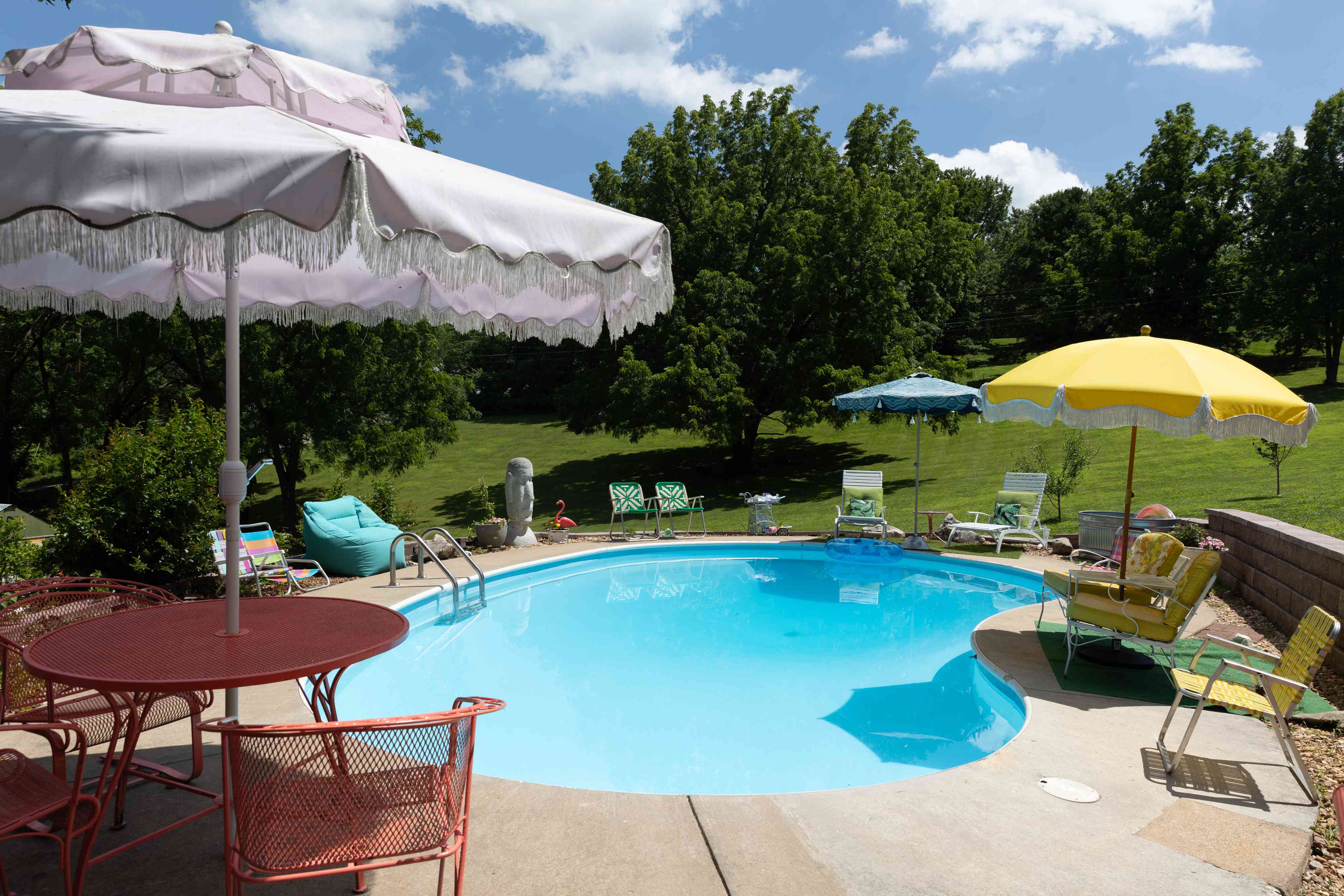
Inground pool removal typically costs between $5,000 and $20,000 depending on the specific method chosen and how easily excavation equipment can access your yard. For homeowners looking to reclaim their lawn for green space, a partial removal is a budget-friendly option, whereas a full removal is necessary for those who intend to build permanent structures like guest suites over the former pool site.
The Financial Paradox: Why Homeowners are Ditching Pools
There is a specific phenomenon I see often in the home improvement world that I call the maintenance-to-use ratio. Many homeowners find themselves in a position where they are maintaining a pool for 365 days a year but only actually swimming in it for about 30 or 40 days. When you realize that maintaining a residential swimming pool typically costs homeowners between $1,200 and $4,000 per year for routine cleaning, chemicals, and utilities, the math starts to look a bit lopsided.
Beyond the monthly chemical bills and the constant hum of a pump, there is the silent weight of maintenance overhead. An aging pool eventually requires expensive liner replacements, pump repairs, or resurfacing, which can cost thousands of dollars in a single hit. Furthermore, a backyard pool is often seen as a liability risk by insurance providers. By opting for pool removal, many of my clients see a notable home insurance impact of pool removal, often resulting in lower premiums because the risk of accidental injury is eliminated.
While a pool was once considered the ultimate status symbol, the market has shifted. According to the National Association of Realtors, homeowners who add in-ground pools to their properties can typically expect to recoup only about 56% of their investment upon resale. Removing an underused pool often helps with the home appraisal by showing a functional, versatile yard that appeals to a wider range of families, especially those with young children or those who don't want the chores associated with pool ownership.
Partial vs. Full Inground Pool Removal: Which is Right for You?
Deciding how to say goodbye to your pool involves choosing between two technical paths: partial or full removal. This choice is the biggest factor in your total inground pool removal cost and dictates what you can do with your land in the future.
In a partial removal, or a "fill-in," the contractor uses heavy machinery to break off the top 18 to 36 inches of the pool walls. The debris is placed in the bottom of the shell, and then the area is filled with layers of soil or gravel. This is the faster and more affordable method. However, because the bottom of the pool shell remains in the ground, it is considered a non-buildable area. You must include a property disclosure during any future home sale, informing buyers that a buried structure exists.
Full removal is a total excavation. Every piece of concrete, steel, and vinyl is pulled from the earth. This requires professional debris hauling to move tons of material off-site. While more expensive, it returns the land to a "virgin" state. If you plan to build an Addition, a deck, or a garage exactly where the pool used to be, full removal is your only real choice to avoid future structural liabilities.
| Feature | Partial Pool Removal | Full Pool Removal |
|---|---|---|
| Average Cost | $5,000 – $10,000 | $15,000 – $25,000+ |
| Duration | 2–4 Days | 5–7 Days |
| Future Land Use | Lawns, gardens, light sheds | ADUs, garages, home additions |
| Resale Impact | Disclosure required in most states | Clean site; no disclosure needed |
| Risk Factor | Potential for soil settling | Minimal risk with proper compaction |
Cost Breakdown: Logistics of Filling in a Pool
When I’m helping readers budget for this project, the "fill" is often the most overlooked expense. You isn't just throwing some dirt into a hole; you are effectively performing a miniature engineering project.
The cost to fill in inground pool with dirt depends largely on the volume required. A standard residential pool might need anywhere from 50 to 200 cubic yards of fill. Most contractors use a mix of clean fill dirt and topsoil. Clean fill is stones and subsoil that provide a stable base, while the topsoil allows for a healthy lawn or garden on the surface.
Logistics also play a huge role in the final bill.
- Permits: Most municipalities require permits for inground pool removal to ensure safety and proper drainage. These can range from $200 to $1,000.
- Drainage: You cannot simply fill a pool that still has water. Draining via a standard garden hose can take up to 30 hours, which can delay a crew. Some professionals use high-speed pumps or water trucks to clear the basin in under 2 hours.
- Access: If your backyard is tight, a contractor may need to remove a portion of your fence or use smaller, more expensive excavation equipment to reach the pool, which adds to the hourly labor rate.
Technical Excellence: Engineering a Stable Backyard
If a pool is filled incorrectly, it can turn into a swampy mess or a literal sinkhole. To do it right, we look to professional engineering standards. One of the most important steps in a partial removal is creating drainage requirements for filling in a pool. Contractors must punch several 2-inch diameter holes in the bottom of the pool shell. This prevents the "bathtub effect," where the buried shell collects groundwater, causing the soil to become saturated and unstable.
Soil compaction is the secret to a long-lasting backyard. Simply dumping dirt into the hole leads to settling, which results in a sunken area in your lawn a year later. A professional will use 6-inch soil "lifts." This means they fill six inches of dirt, compact it with heavy machinery to meet ASTM D698 or ASTM D1557 engineering standards, and then repeat until the hole is level with the rest of the yard.
Clara’s Tip: If you live in a region with heavy clay soil, January or the depth of winter can actually be the best time to bring in heavy machinery. The frozen ground can support the weight of the excavators better, preventing deep ruts in the rest of your landscaping.
Reclaiming Your Space: Backyard Ideas After Pool Removal
Once the dust settles and the soil is compacted, you have a blank canvas. This is the part of my job I love the most—watching homeowners transform a liability into a functional asset. By reclaiming 500 to 2,000 square feet, you are essentially adding a major room to your home, just outdoors.
- The Urban Homestead: Many owners transition the space into large vegetable gardens or "food forests." Without the pool chemicals nearby, the soil can become incredibly productive.
- The Entertainment Hub: Reclaim the space for a massive flagstone patio, a built-in fire pit zone with seating, or an outdoor kitchen. These features often provide a better return on investment than a pool.
- Functional Structures: If you opted for full removal, this is the perfect time for a landscaping redesign that includes a detached home office, a guest suite (ADU), or a workshop.
- The Play Zone: For families with children, a flat grassy area for soccer or a safe playground is often much more valuable than a pool that requires constant supervision.
FAQ
Is it expensive to get rid of a pool?
The cost generally reflects the complexity of the job. For an above-ground pool, you might spend just $300 to $800. For an inground pool, the price typically ranges between $5,000 and $20,000. While the upfront cost seems high, it usually pays for itself within five to seven years through the savings on maintenance and utilities.
Is it worth it to get rid of a pool?
It is absolutely worth it if the pool is no longer being used or if the repair costs have become unsustainable. Removing an unwanted pool reduces your liability, lowers your home insurance, saves you thousands in yearly upkeep, and adds usable square footage back to your property that can be better tailored to your current lifestyle.
What is the best way to get rid of an inground pool?
The "best" way depends on your future plans for the house. If you want the most affordable option and only plan to plant grass, a partial removal (fill-in) is the best choice. If you ever plan to build a structure—like a garage or a guest house—on that spot, then a full demolition and removal is the only way to ensure the site is structurally sound.
What can I do with an unwanted inground pool?
In the short term, some people convert pools into "pond-less" waterfalls or skate bowls, but the most common long-term solution is professional removal. Once removed, popular options include installing a sustainable garden, building a backyard ADU, or creating a multi-use patio and outdoor dining area.
Before you start digging, I highly recommend getting an onsite assessment from a structural engineer or a specialized demolition contractor. They can help you navigate local permits and ensure that your new backyard stays level and dry for decades to come. Remodeling your space shouldn't be stressful—it’s about making your home work for you again.