Redefining the Milan Skyline at Fondazione Prada
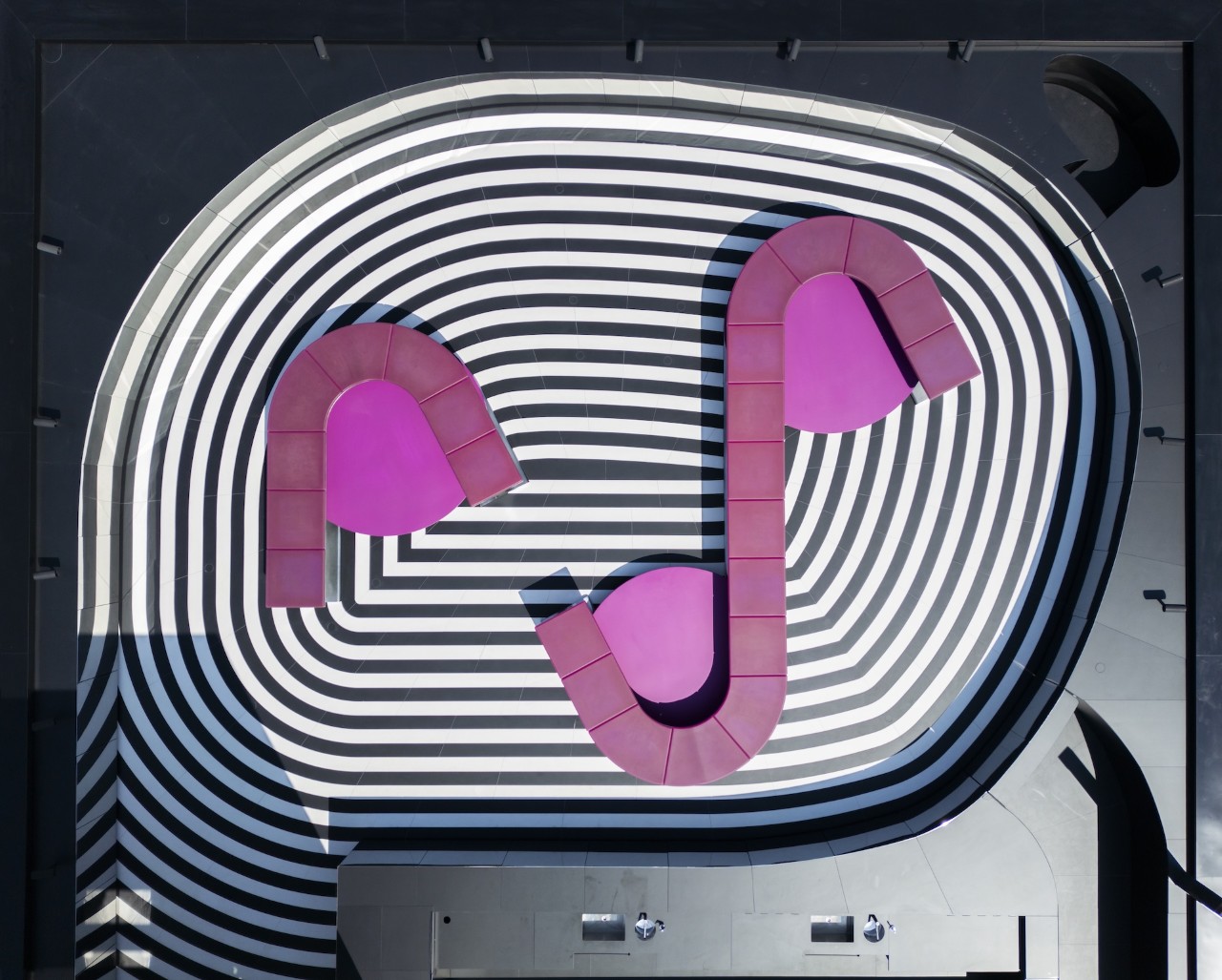
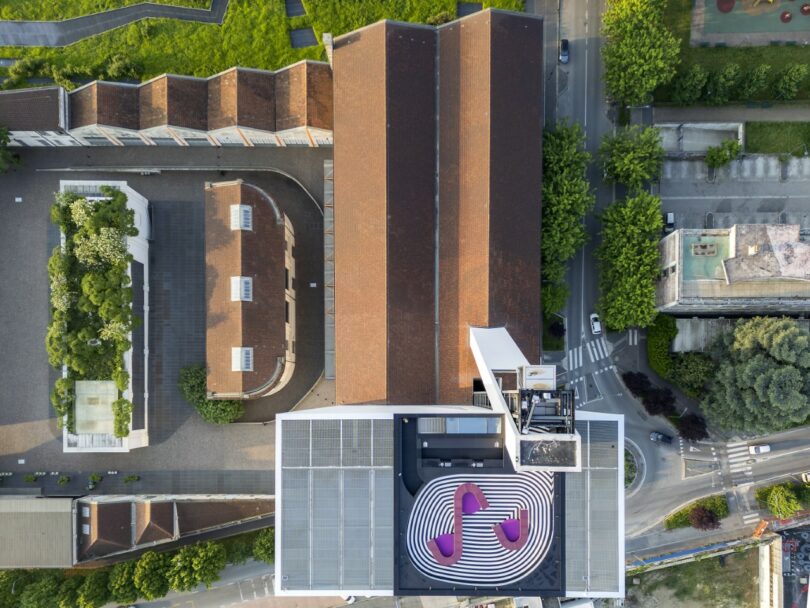
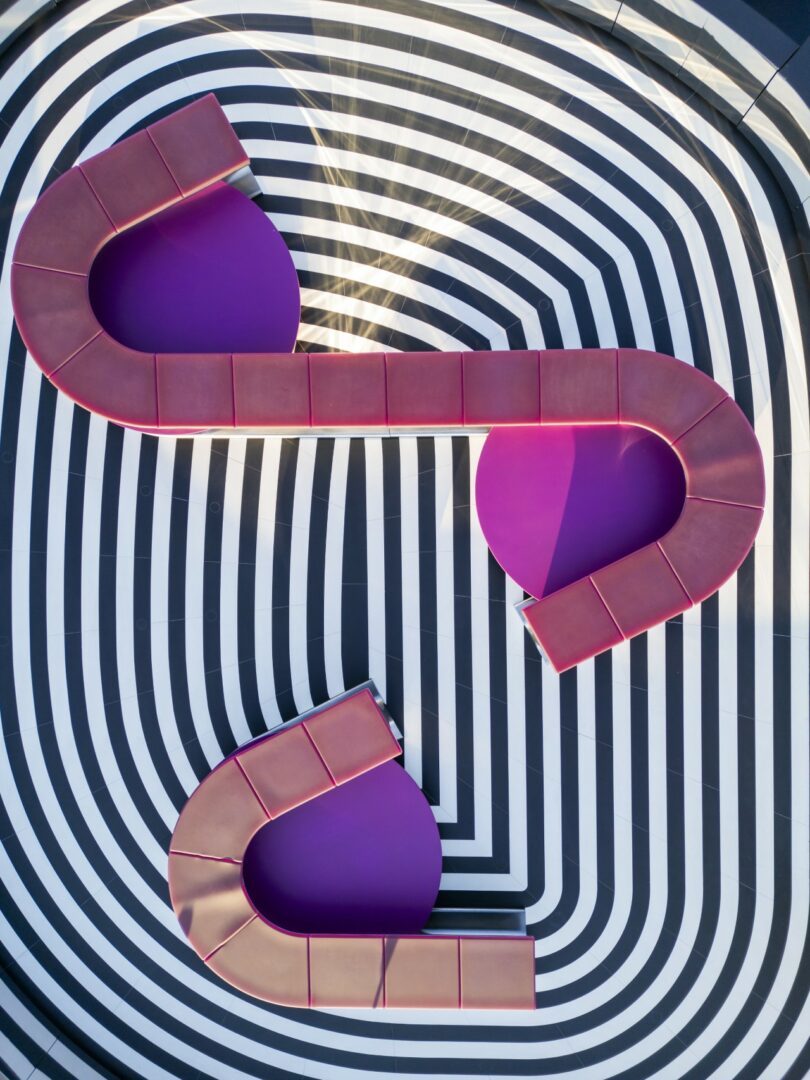
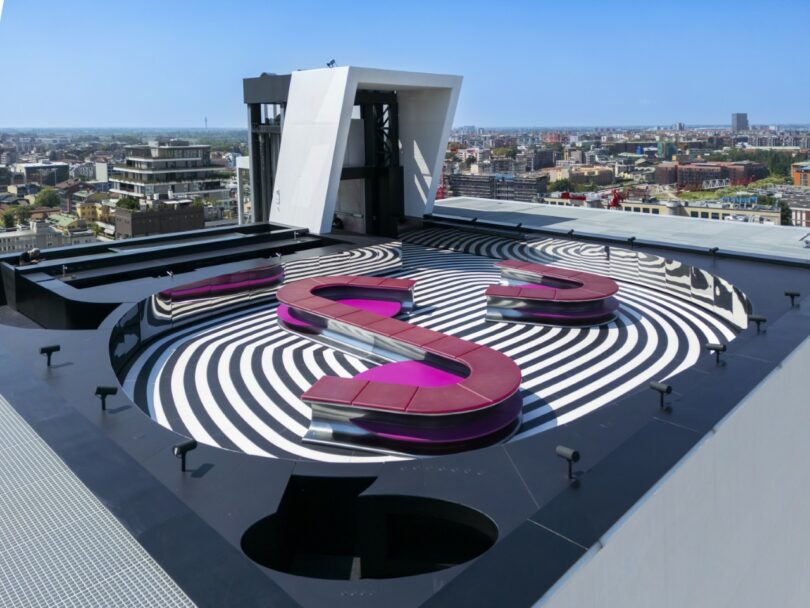
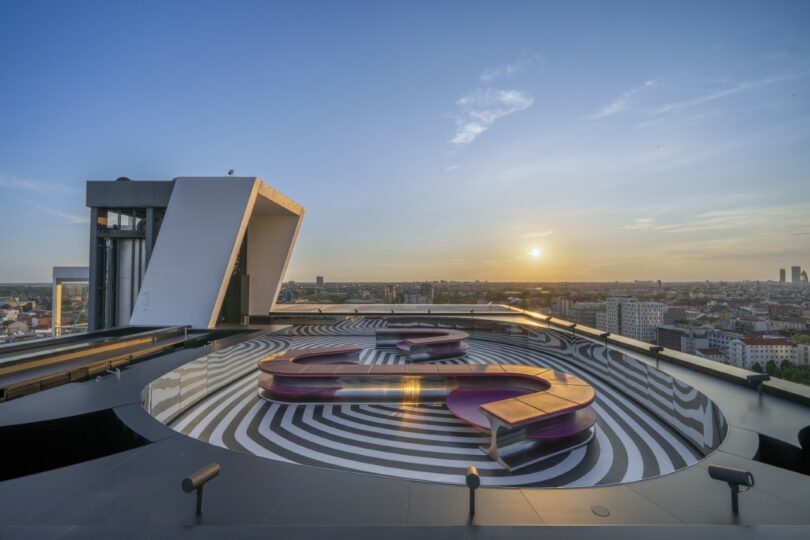
Standing atop the Torre at Fondazione Prada, the city of Milan unfolds in a 360-degree panoramic embrace. It is a space where the industrial heritage of a former distillery meets the uncompromising, avant-garde vision of Rem Koolhaas. Yet, this season, the most arresting feature of the rooftop isn't just the horizon—it is the floor beneath your feet and the sculptural forms that rise from it. Enter the LS24-Lounge System, a modular, futuristic seating installation designed by Federico Pompignoli (PMP Architecture) that transforms the rooftop into what can only be described as a high-concept optical playground.
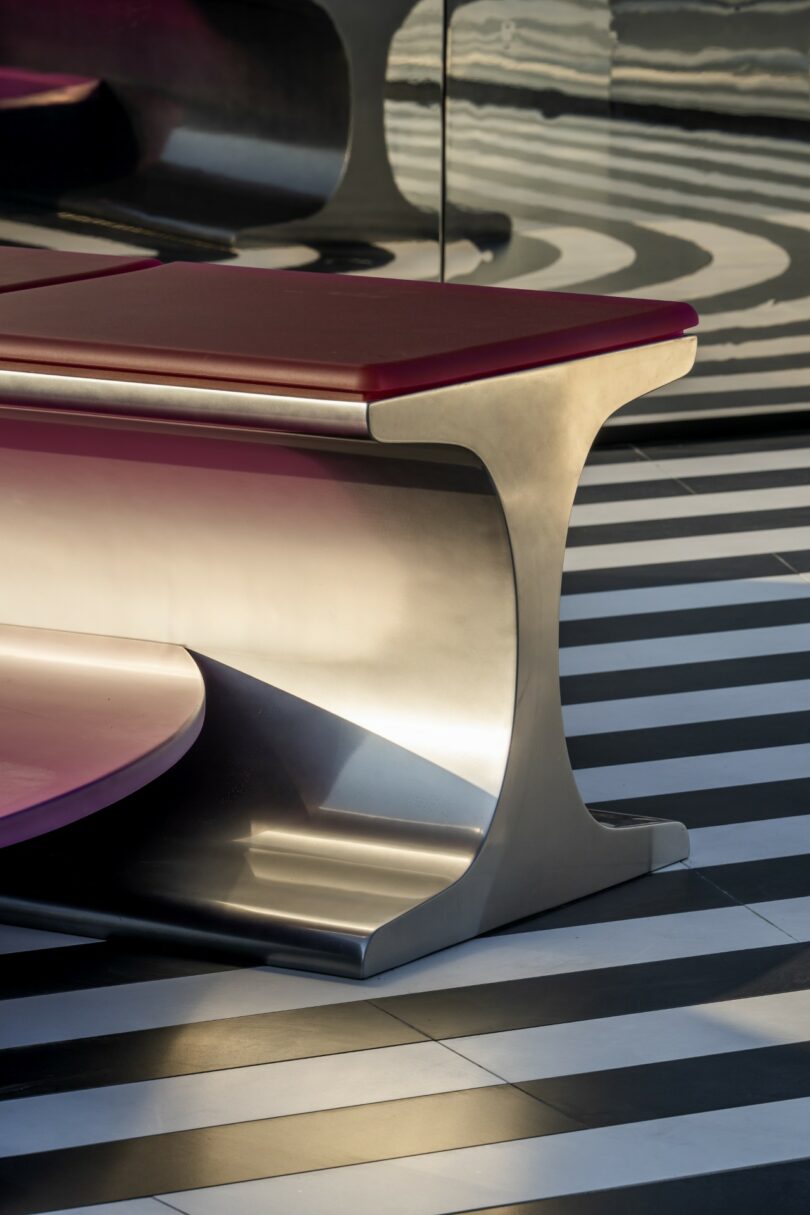
The LS24-Lounge System is far more than a place to rest; it is an architectural intervention. Composed of sweeping, modular units, the system integrates light-emitting silicone cushions with ultra-lightweight carbon fiber structures. This installation challenges our traditional understanding of public seating by merging the durability required for outdoor hospitality with the ethereal aesthetic of a sci-fi landscape. At its core, the system utilizes a unique dual-seating typology, offering a stool-style perch on the exterior for casual social interaction and a deep, concave lounge seat on the interior for immersive relaxation.
The Architect’s Vision: Federico Pompignoli and PMP Architecture
Federico Pompignoli, formerly a lead architect at OMA and a long-time collaborator on the Fondazione Prada complex, brings a deep understanding of the site’s DNA to this project. In collaboration with Maila’s—a specialist in advanced material research—Pompignoli sought to move away from "quiet" furniture that disappears into its surroundings. Instead, the LS24-Lounge System is designed to "punctuate" the space, commanding attention through its rhythmic geometry and bold material contrasts.
The philosophy of the "Optical Playground" stems from the idea that public spaces should be dynamic rather than static. By utilizing concentric patterns and mirrored surfaces, Pompignoli forces the visitor to engage with the environment through movement. As you walk around the installation, the relationship between the furniture and the architecture shifts, creating a sense of "architectural quiet luxury" that feels both grounded and experimental. This isn't just about sitting; it’s about participating in a curated spatial event.
Engineering the Future: Materials and Luminous Technology
What truly elevates the LS24-Lounge System from a design concept to an engineering marvel is its material composition. Traditionally, rooftop furniture in public spaces faces a significant dilemma: it must be heavy enough to withstand wind loads but light enough to be reconfigured for different events. Pompignoli solves this through a sophisticated use of high-tech composites.
The primary materials used in the LS24-Lounge System include:
- Carbon Fiber Frame: Provides incredible structural integrity while keeping the overall weight minimal.
- Recycled PET Core: An eco-conscious internal structure that enhances the weight-to-strength ratio, allowing for 100% layout reconfigurability.
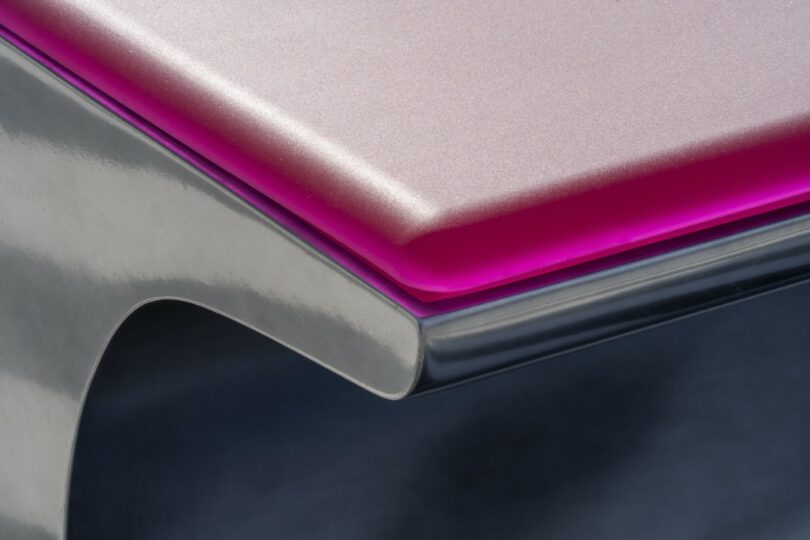
- Pigmented Silicone Cushions: Translucent, high-performance cushions that are soft to the touch yet weather-resistant.
- Internal LED Lighting: Integrated within the cushions to create a soft, ethereal glow during evening hours.
Technical Specifications
| Component | Material | Benefit |
|---|---|---|
| Structure | Carbon Fiber + Recycled PET | Extreme durability with low mass for easy relocation. |
| Surface | Translucent Pigmented Silicone | UV resistant, tactile comfort, and uniform light diffusion. |
| Illumination | Integrated RGBW LEDs | Customizable atmosphere for evening events and gala dinners. |
| Mobility | Modular Chassis | Allows for 100% reconfigurability of the rooftop layout. |
The use of internal LEDs within the silicone creates a "luminous volume" rather than just a lit surface. As the sun sets over Milan, the saturated purple discs of the seating begin to pulse with a gentle light, transforming the rooftop into a dreamlike environment that bridges the gap between digital aesthetics and physical reality.
The Experience: Navigating the Three-Dimensional Optical Illusion
Walking onto the Torre rooftop is a sensory shock. The floor is covered in a high-contrast, black-and-white striped graphic that radiates from the center of the tower. This pattern, combined with the mirrored parapet walls of the building, creates a disorienting, three-dimensional optical illusion. The LS24-Lounge System acts as the "visual anchor" in this sea of stripes.
Visitors often describe a "time warp" effect when navigating the space. Because the seating units are curved and mirrored, they reflect the surrounding patterns back onto themselves, blurring the lines between where the furniture ends and the architecture begins. The gleaming chrome curves of the bases reflect the Milanese sky, while the saturated purple cushions provide a necessary pop of color in the monochromatic landscape.
This interaction between the seating and the city view is intentional. Pompignoli designed the units to be low-profile, ensuring that the 360° view remains unobstructed while providing a sculptural foreground that frames the skyline.
Functional Innovation: The 2-in-1 Seating Typology
Beyond its visual drama, the LS24-Lounge System is a masterclass in functional versatility. Public spaces often require different types of seating—places for quick conversations and places for long, lingering rests. Historically, this meant cluttering a space with multiple styles of furniture.
Pompignoli’s solution is the 2-in-1 seating typology:
- The Exterior Stool-Style Perch: The outer edge of the modular unit is raised, creating a stool-height surface perfect for those holding a cocktail or looking out over the parapet.
- The Interior Concave Lounge: The center of the unit dips into a deep, ergonomic bowl, inviting visitors to sit back and fully immerse themselves in the "playground" atmosphere.
This duality makes the system incredibly efficient. Whether used as stand-alone "islands" for private contemplation or connected into sweeping, serpentine configurations for a major fashion event, the system maintains its aesthetic integrity and functional purpose. The significant reduction in weight-to-strength ratio compared to traditional metal furniture means that a small team can completely change the rooftop's layout in a matter of hours, making it an "investment-grade" asset for a venue as busy as Fondazione Prada.
Conclusion: Prada’s 2026 Design DNA and Architectural Quiet Luxury
The LS24-Lounge System is more than just a seasonal installation; it is a precursor to Prada’s broader 2026 design DNA. We are seeing a shift toward geometric frames and sculptural architecture that feels "investment-grade"—pieces that are as much about their engineering and material longevity as they are about their visual impact.
By blending the cold, high-tech world of carbon fiber with the soft, inviting glow of translucent silicone, Federico Pompignoli has created a piece of "Architectural Quiet Luxury" that resonates with the modern traveler and design enthusiast alike. It is a testament to how public spaces can be both functional and profoundly artistic, offering a glimpse into a future where our furniture is as smart and adaptable as the buildings that house them.
For those of us in the interior design world, the takeaway is clear: the future of luxury lies in the balance between visual shock and invisible strength. The LS24-Lounge System doesn't just sit on the rooftop of Fondazione Prada; it belongs there, a permanent resident of Milan’s forward-thinking design legacy.
FAQ
Q: Can the LS24-Lounge System be used in residential projects? A: While originally designed for public and hospitality spaces like the Fondazione Prada rooftop, the modular nature of the system allows for residential application in large-scale outdoor patios or modern pool areas. Its carbon fiber construction makes it particularly suitable for coastal or high-wind environments where traditional furniture might struggle.
Q: How is the internal lighting powered? A: The system features integrated, rechargeable battery units within the carbon fiber base, allowing for a cordless aesthetic. For permanent installations, it can be hardwired into the building’s electrical grid to synchronize with other architectural lighting.
Q: Is the silicone material difficult to maintain? A: Not at all. The pigmented silicone used by PMP Architecture is medical-grade and non-porous, making it highly resistant to stains, UV degradation, and temperature fluctuations. It requires only a simple wipe-down with a damp cloth to maintain its translucency.