Quick Facts
- The Look: A "Sculptural Bath" transforms the bathroom from a utilitarian space into a functional art gallery, defined by monolithic surfaces and a dramatic freestanding centerpiece.
- Key Materials: Microconcrete (for seamless walls), unlacquered brass (for a "living" finish), and natural stone-resin (for a matte, architectural tub).
- 2026 Cost Outlook: Expect to invest between $800 and $4,500 for a high-quality freestanding tub, depending on whether you prioritize value (Empava) or premium craftsmanship (Kohler).
- Essential Designer Hack: Use an Artek Aalto screen or a wooden room divider to zone an ensuite bath, blending the sleeping and soaking areas without sacrificing visual flow.
- Expert Brand Ratings: Empava holds a 5-star rating for affordability and functionality, while Kohler and Signature Hardware earn 4.5 stars for their superior material integrity and luxury finishes.
There is a profound shift happening in the world of interior design as we look toward 2026. We are moving away from the "all-white subway tile" era and entering a period I like to call The Age of the Sanctuary. Today, homeowners aren't just looking for a place to wash; they are seeking a tactile, sensory experience that rivals a high-end destination spa. At the heart of this movement is the Sculptural Bath—a design philosophy where every element, from the texture of the walls to the silhouette of the tub, is treated as a piece of art.
To "steal this look" for your own home, you need to think beyond the standard plumbing aisle. The goal is to create a monolithic environment using materials like microconcrete, which provides a seamless backdrop for high-contrast fixtures in unlacquered brass. By selecting a centerpiece tub from top-rated brands like Kohler or Empava and grounding the space with organic textures like limestone and Hinoki wood, you can achieve a sophisticated, gallery-like atmosphere even on a realistic budget.
The Design Foundation: Materials & Architecture
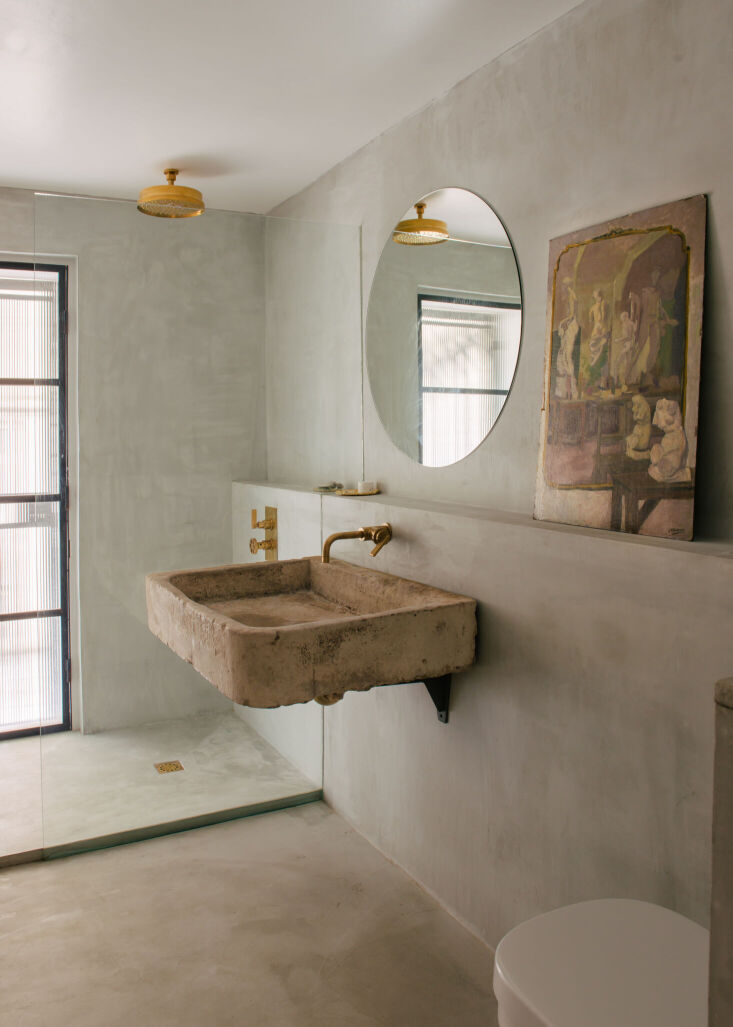
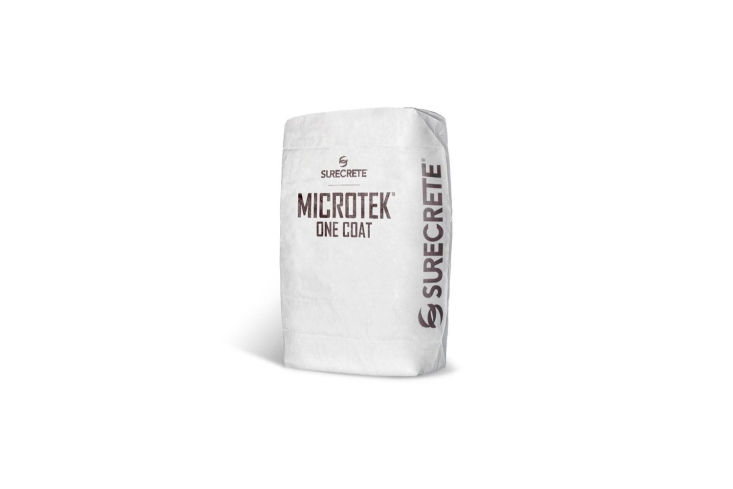
The secret to a truly "glamorous" bath isn't just the price tag; it’s the architectural cohesion. To create a sculptural look, you must eliminate the visual noise of traditional grout lines. This is where microconcrete (or microcement) becomes your best friend. Unlike traditional tile, microconcrete can be applied over existing surfaces to create a continuous, bone-like finish that flows from the floor up the walls and even into the shower stall.
Ivy’s Insider Tip: When choosing a microconcrete overlay, look for brands like Surecrete. Their systems allow for a subtle, hand-troweled texture that catches the light in a way that flat paint never can. It provides that raw, Mediterranean-minimalist vibe that serves as the perfect canvas for luxury fixtures.
Lighting also plays a pivotal role in defining the sculptural quality of the space. In 2026, we are seeing a move toward "invisible" lighting—recessed LED strips hidden in wall coves that wash the microconcrete in a soft, ambient glow. If you have the luxury of natural light, floor-to-ceiling windows are the ultimate accessory, turning the change of seasons into a living backdrop for your bath.
Zoning the Space
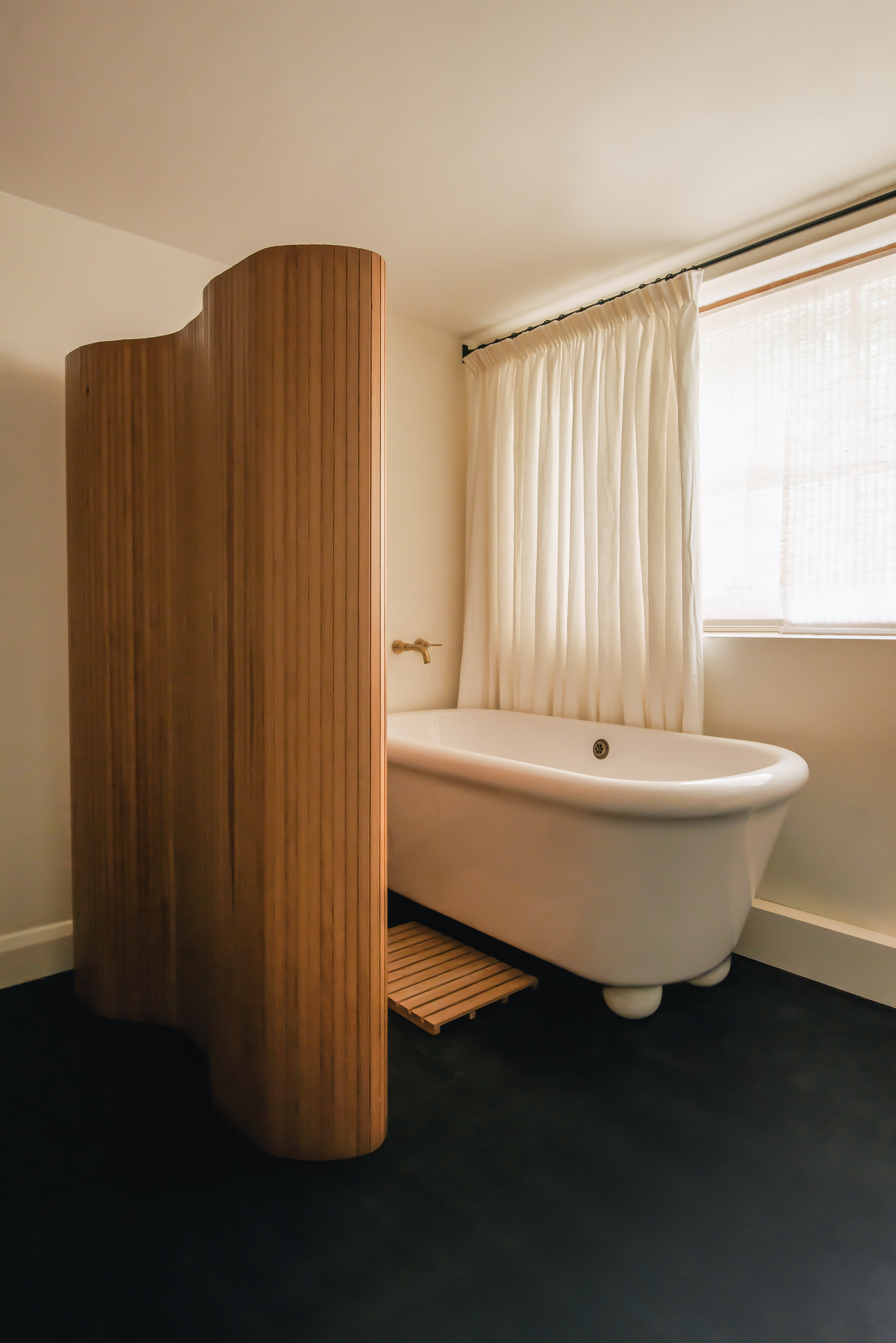
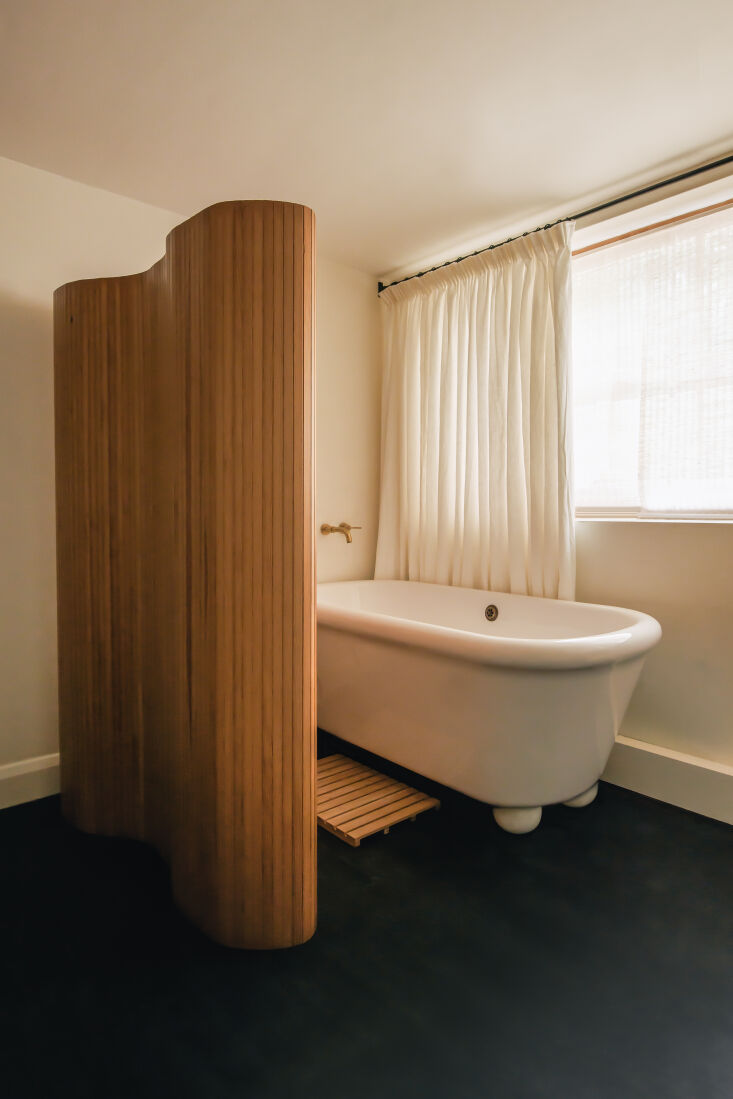
If you are working with a luxury ensuite layout, the challenge is often how to separate the bath from the bedroom without building a heavy wall. I am a huge proponent of using architectural screens. An Artek Aalto screen or a similar slatted wooden divider offers a sense of privacy while maintaining the "visual freedom" essential to modern design. It adds a vertical rhythm to the room that complements the horizontal curves of a freestanding tub.
2026 Trend Spotlight: Soft Geometry and Matte Finishes
As we move further into the decade, "Soft Geometry" is replacing the harsh, angular lines of the early 2020s. Think minimalist ovals, asymmetrical silhouettes, and "pill-shaped" designs. These forms are inherently more comfortable for the human body and create a sense of movement in an otherwise static room.
The material of choice for 2026 is Stone-Resin (also known as Solid Surface). While acrylic remains a popular budget choice, stone-resin is the gold standard for sculptural design. It is non-porous, incredibly durable, and has a velvety matte finish that feels like natural stone but retains heat far better. In terms of palette, we are seeing a departure from sterile greys. The "New Neutrals" are warm and earthy: Sand, Greige, and Terracotta-White. For those who want a bolder statement, Matte Black remains a powerful choice, especially when paired with warm wood accents.
Choosing the Centerpiece: Top Freestanding Tubs for 2026
The bathtub is the protagonist of this story. Market analysis for 2026 indicates that homeowners are willing to invest more in this single item than in any other part of the bathroom renovation. Typically, you can expect to spend between $800 and $4,500 for a high-quality freestanding model.
Premium Craftsmanship vs. High-Value Functionality
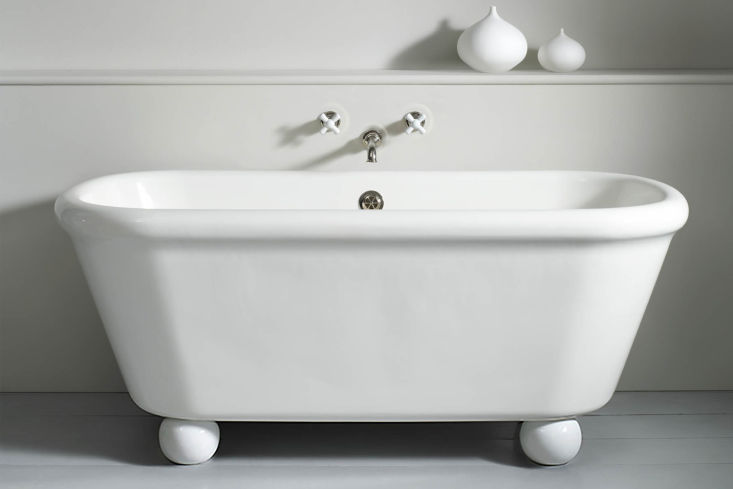
If you have the budget for a legacy piece, Kohler remains a top contender. Their craftsmanship—particularly in enameled cast iron—is legendary. A model like the Kohler Sunstruck offers a refined silhouette that balances traditional weight with modern lines. Similarly, Signature Hardware (specifically the Bradenton series) is celebrated for its material variety, offering everything from stone resin to hammered copper. Both brands maintain a consistent 4.5-star rating among design professionals for their longevity.
However, if you want the "look" of a $5,000 tub without the price tag, Empava has become the industry's best-kept secret. With a 5-star rating for affordability and functionality, Empava models offer integrated seating and ergonomic designs that prove luxury doesn't always have to be expensive.
| Brand | Best For | Material Options | Price Range | Star Rating |
|---|---|---|---|---|
| Kohler | Premium Craftsmanship | Enameled Cast Iron, Acrylic | $1,500 - $4,500 | 4.5 / 5 |
| Signature Hardware | Material Variety | Stone Resin, Copper, Cast Iron | $1,200 - $3,800 | 4.5 / 5 |
| Empava | Best Value & Function | Reinforced Acrylic | $800 - $1,500 | 5.0 / 5 |
| Ove Decors | Small Space Solutions | Stone Resin, Acrylic | $1,000 - $2,500 | 4.0 / 5 |
The Finishing Touches: Fixtures & Furnishings
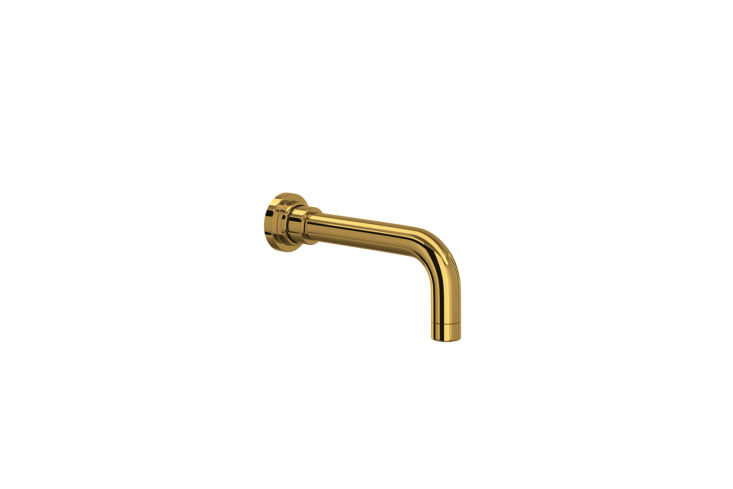
Once your tub is in place, the "jewelry" of the room—the fixtures—will define the era of the design. My absolute favorite trend for 2026 is Unlacquered Brass. Unlike polished chrome, unlacquered brass is a "living finish." It will darken and develop a unique patina over time, giving your modern bathroom a sense of history and "lived-in" glamour.
Look to brands like Rohl (Lombardia collection) or Perrin & Rowe for floor-mounted fillers or wall-mounted spouts. The juxtaposition of the raw, textured microconcrete against the gold-toned, aging brass is nothing short of breathtaking.
Artistic Sinks and Textural Accessories
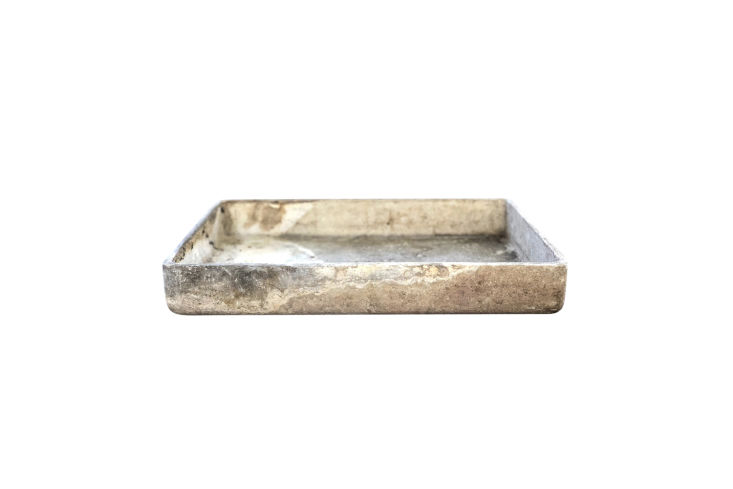
Don't let the vanity be an afterthought. To maintain the sculptural theme, consider a limestone basin or even repurposing a large, rectangular cement planter as a vessel sink. This "found object" aesthetic adds a layer of curated sophistication that you won't find in a big-box store.
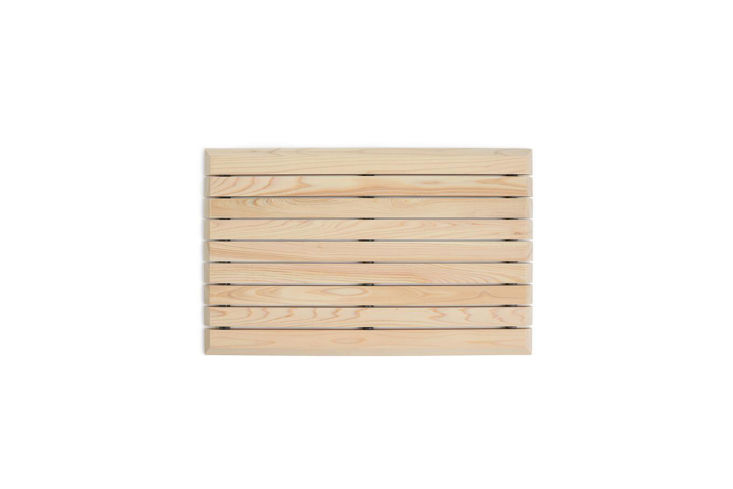
Finally, soften the hard surfaces of the stone and concrete with organic, tactile accessories. A Kiso Labo Hinoki wood mat provides a beautiful scent when it gets wet and offers a warm, slip-resistant surface for your feet. Focus mirrors—circular or irregularly shaped with minimal frames—will help bounce light around the room and emphasize the curves of your sculptural tub.
Installation & Practical Considerations
Before you fall in love with a 300-pound stone-resin tub, there are a few "boring but essential" logistics to handle:
- Flooring Reinforcement: A stone-resin or cast iron tub filled with water can weigh over 1,000 pounds. Ensure your subfloor is reinforced to handle the load, especially on the second floor of a home.
- Plumbing Logistics: If you are switching from a built-in tub to a freestanding one, your plumbing will likely need to be moved to the floor. This requires cutting into the slab or floor joists, which can add $1,000 - $2,000 to your renovation costs.
- Maintenance: While stone-resin is durable, it requires non-abrasive cleaners to maintain its matte finish. For unlacquered brass, you must decide if you love the patina or if you are willing to polish it regularly to keep it shiny.
Frequently Asked Questions (FAQ)
Q: Is microconcrete durable enough for a wet room environment? A: Absolutely. When properly sealed with a high-quality polyurethane or epoxy topcoat, microconcrete is completely waterproof and highly resistant to cracks. It’s actually easier to clean than tile because there are no grout lines where mold can grow.
Q: Can I achieve the sculptural look in a small bathroom? A: Yes! The key is scale. Look for "deep soaking" Japanese-style tubs from brands like Ove Decors. These tubs have a smaller footprint (often 55-60 inches) but are much deeper, allowing for a full-body soak while maintaining a sculptural, upright silhouette.
Q: Which tub material retains heat the longest? A: Enameled cast iron (like Kohler) and stone resin (Signature Hardware) are the winners for heat retention. Acrylic tubs are more affordable and lighter, but they tend to lose heat faster unless they are double-walled and insulated.
Conclusion
Creating a glamorous sculptural bath is about more than just a renovation; it’s about a lifestyle shift. It’s the decision to turn a daily routine into a ritual of rejuvenation. By focusing on a "less is more" philosophy—choosing a few high-impact pieces like a stone-resin tub and unlacquered brass fixtures—and grounding them in a monolithic microconcrete environment, you create a space that feels both timeless and ahead of its time.
Whether you are opting for the high-end craftsmanship of a Kohler centerpiece or the incredible value of an Empava model, remember that the most successful designs are those that balance visual drama with tactile comfort. Now, it’s your turn to take these principles and create a sanctuary that is uniquely yours.